How Much Oil to Add When Low: A Practical Guide
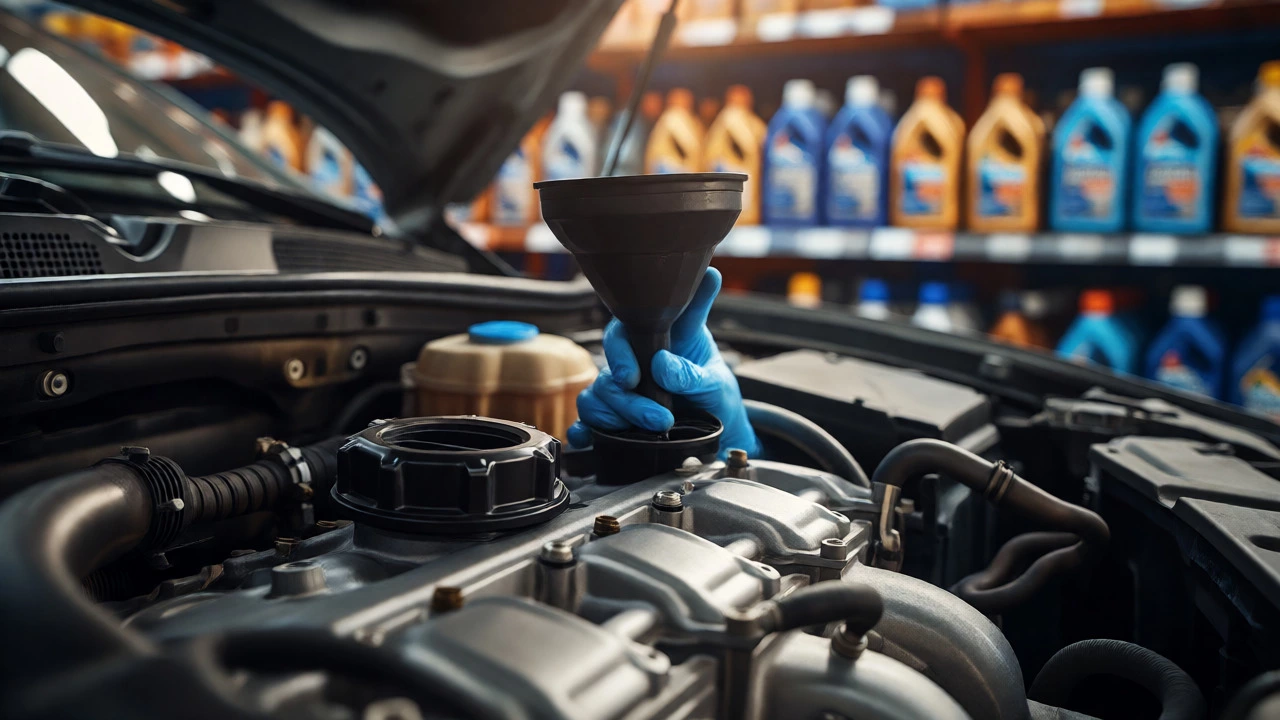
Find out exactly how much engine oil to add when levels are low. Learn the risks of overfilling, how to read your dipstick correctly, and tips for choosing the right oil grade.
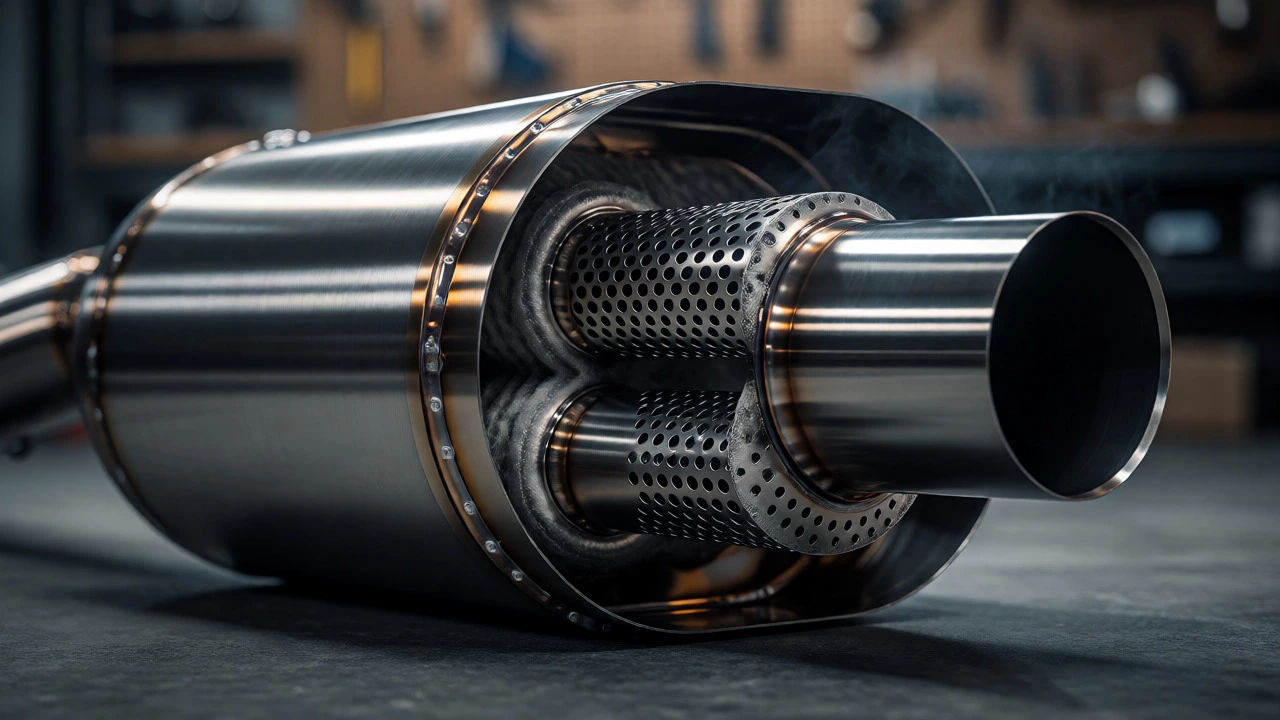
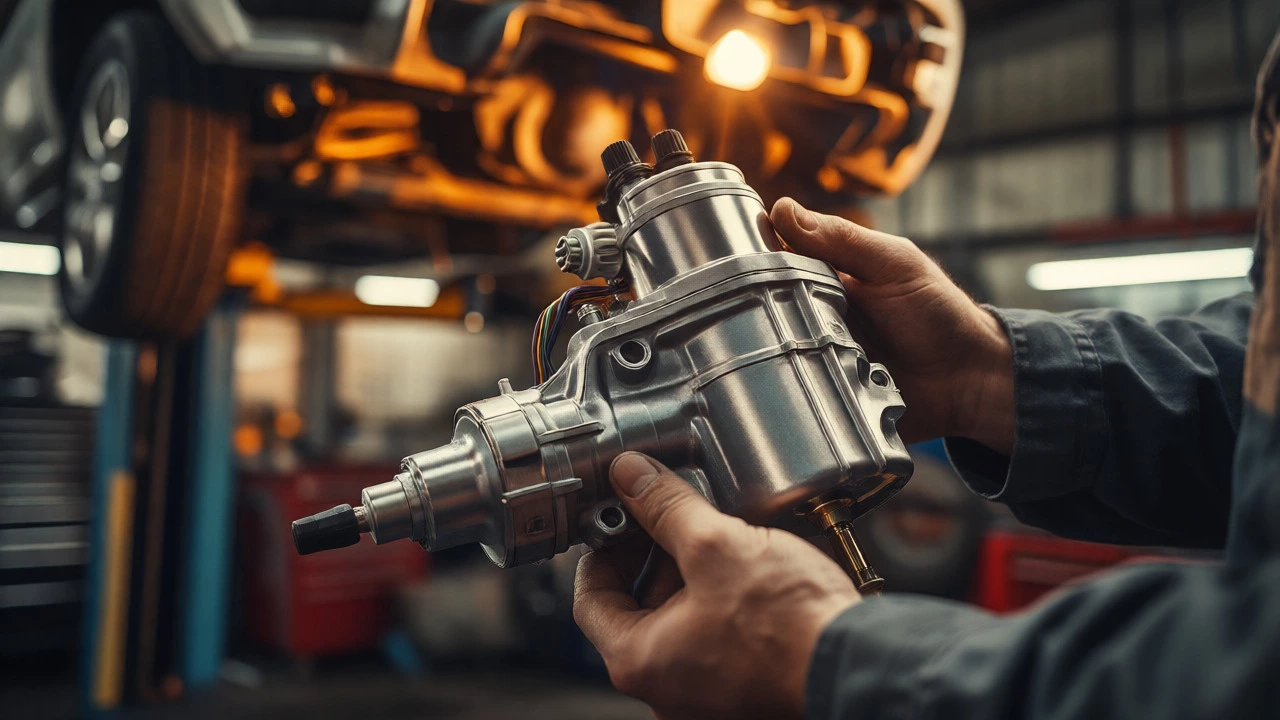
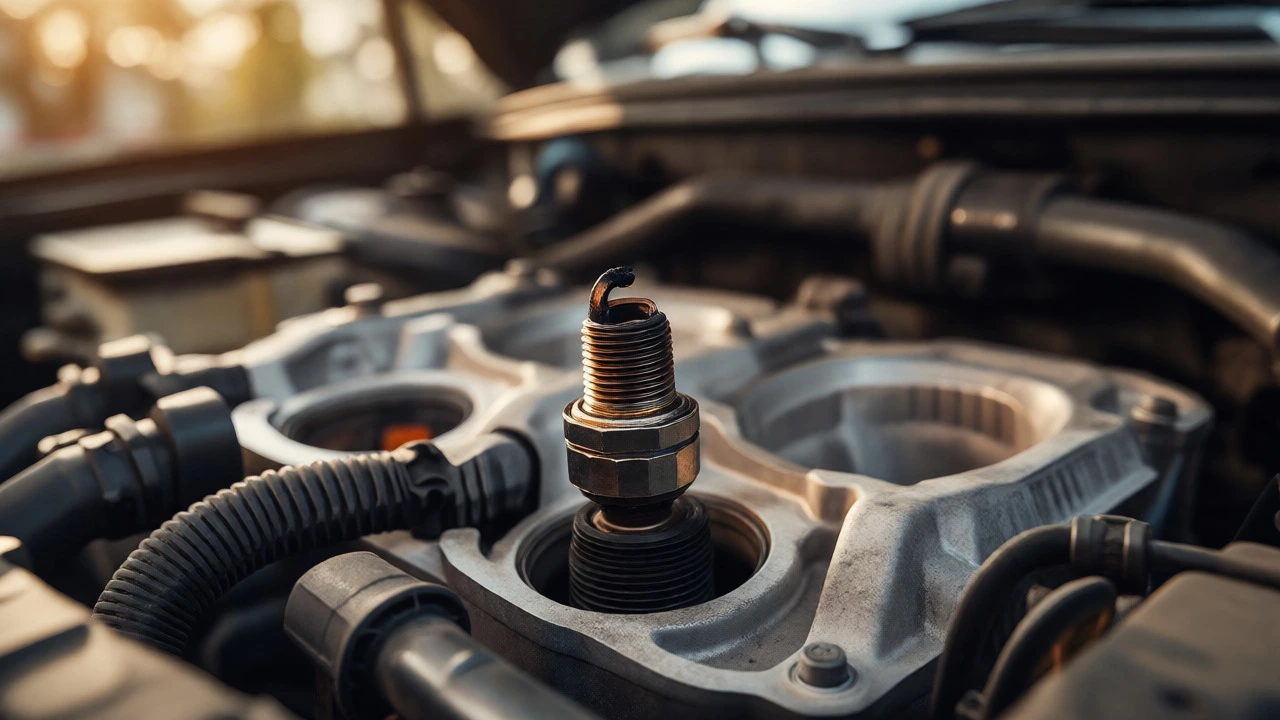
When you're looking for car parts, affordable, reliable components for your vehicle that are often sold at auction by dealers and mechanics. Also known as automotive parts, these are the pieces that keep your car running safely and efficiently—like brake pads, spark plugs, and radiators. These aren’t just replaceable parts; they’re critical to your car’s performance, safety, and longevity.
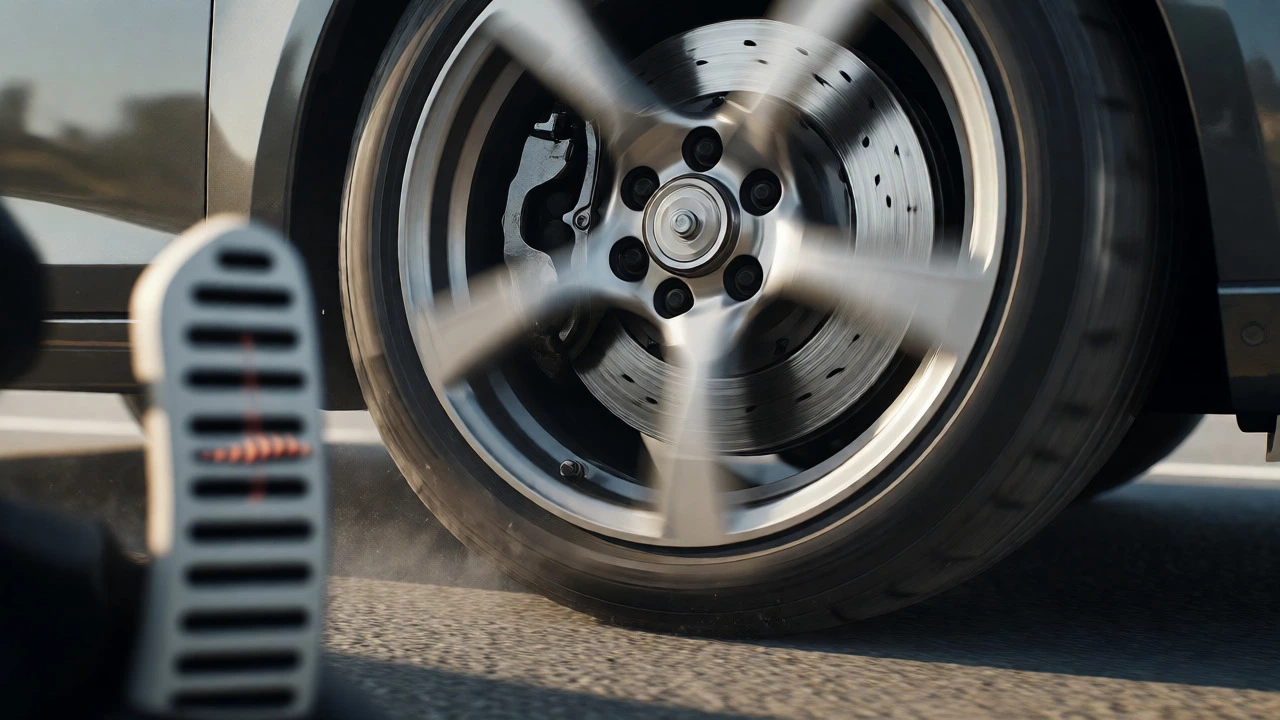
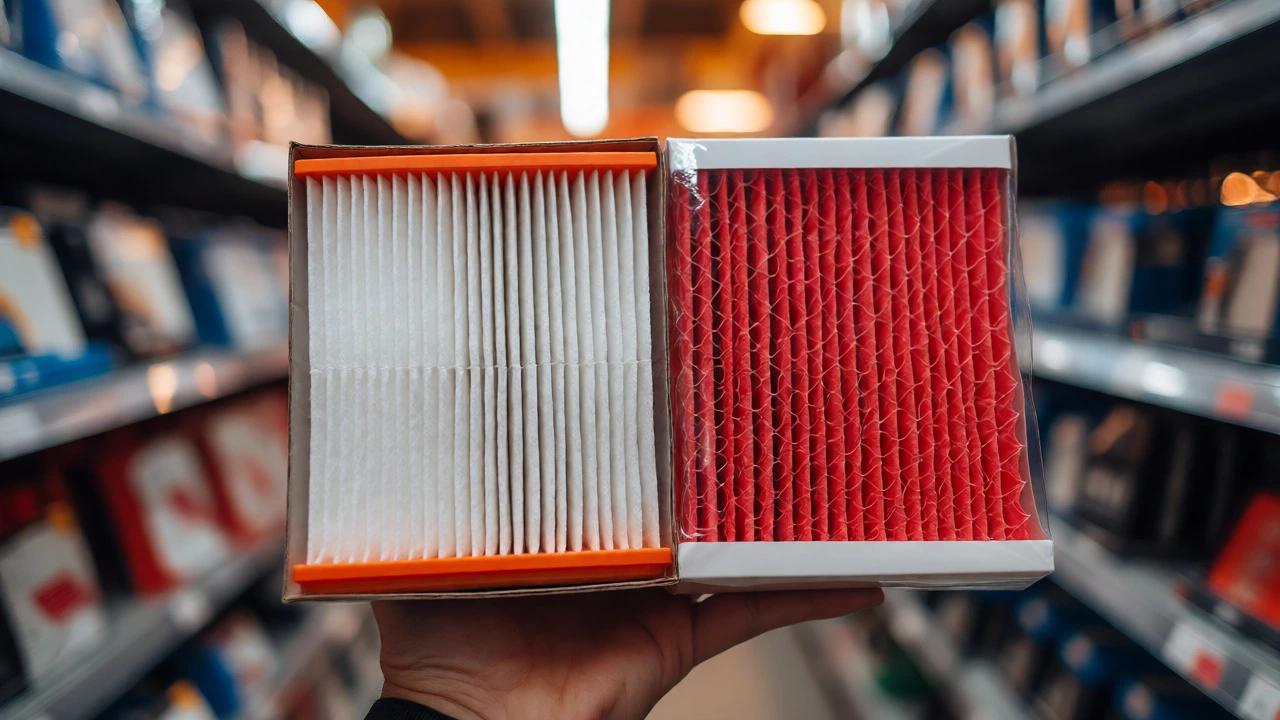
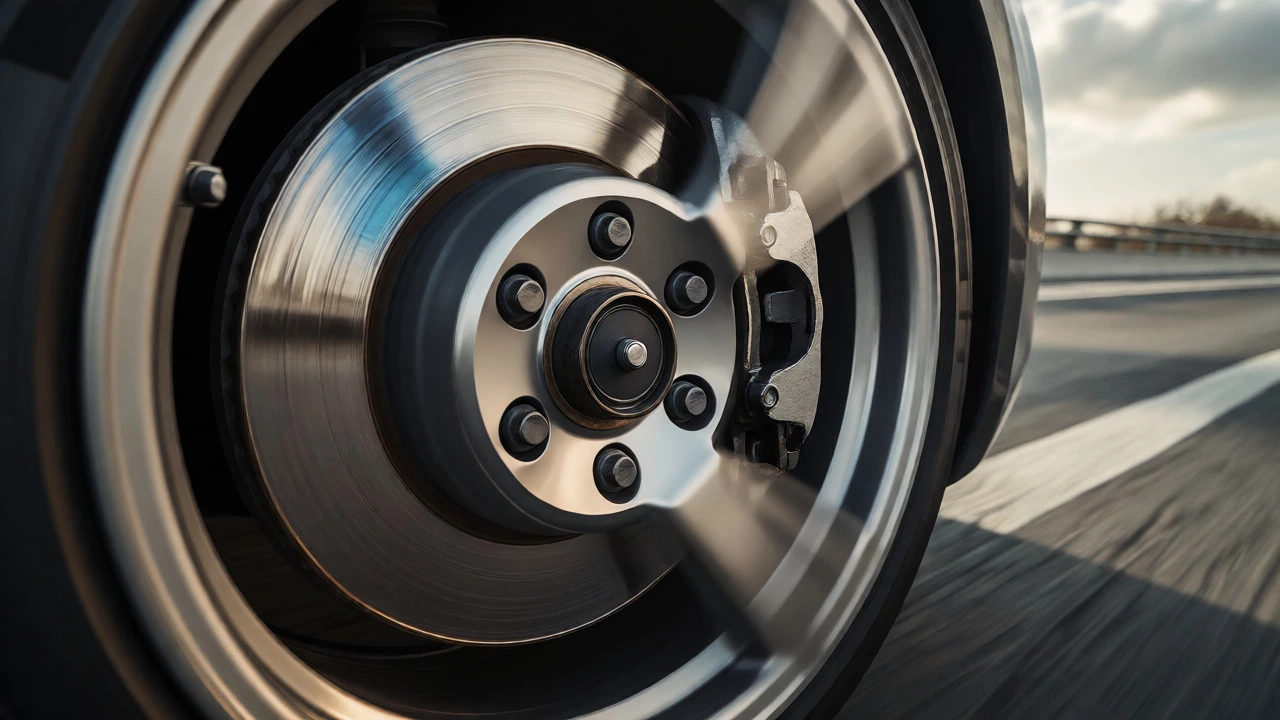
A bad brake pad can cost you control. A clogged air filter kills fuel economy. A failing radiator can melt your engine. That’s why smart buyers look beyond the dealership. Auctions give you access to genuine parts at prices that make sense—whether you’re fixing your daily driver or tuning a weekend project. You’ll find real-world advice here on what to check, when to replace, and how to avoid scams.
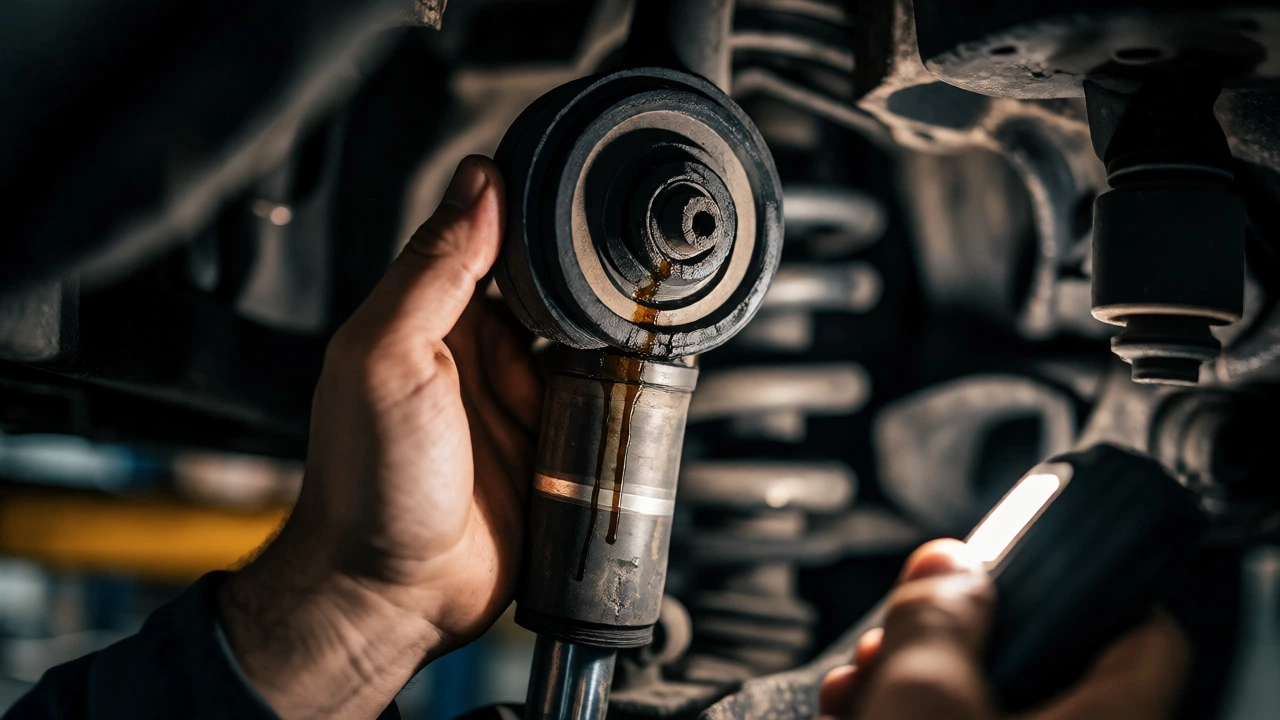
Below, you’ll find clear, no-fluff guides written by people who’ve been there—whether it’s spotting worn spark plugs, choosing the right exhaust system, or knowing if your suspension is bent. No theory. No hype. Just what works.
Find out exactly how much engine oil to add when levels are low. Learn the risks of overfilling, how to read your dipstick correctly, and tips for choosing the right oil grade.
Discover the critical signs of low engine oil, from dashboard warnings to unusual noises. Learn how to identify symptoms like rod knocking and overheating, and understand why immediate action prevents costly engine damage.
Discover when full synthetic oil might be the wrong choice for your vehicle. Learn about risks for older engines, break-in periods, and cost-effective alternatives.
Identify a failing primary clutch through slipping, grinding shifts, and burning smells. Learn why ignoring these signs risks costly transmission damage.
Wondering how long new brake pads last? Discover the real factors affecting lifespan, from driving habits to pad material, and learn when to replace them.
Discover realistic timeframes for brake jobs. Learn how rust, electronic parking brakes, and part availability impact duration. Get tips to speed up your next service.
Replacing a clutch is a challenging DIY task requiring significant labor and specialized tools like a transmission jack. While saving on labor costs is appealing, assess your skill level and workspace safety before starting. Learn the key steps, common pitfalls, and cost comparisons to decide if you should tackle it yourself.
Learn realistic timeframes for brake pad replacement. Discover factors like rust, electronic brakes, and vehicle type that affect job duration.
Learn how to distinguish between bad brake pads and rotors. We cover key symptoms like squealing, grinding, and vibration, plus visual inspection tips to save money.
Thinking about swapping your car's radiator? Discover why difficulty varies by model, learn the critical prep steps, and weigh the real DIY savings against professional risks.
Clutch replacement in the UK typically costs £400-£800 for standard cars, rising sharply for SUVs or luxury models due to intensive labour. Key factors include whether you have a dual mass flywheel, which adds significant cost. Learn how to save money by choosing quality aftermarket parts and independent specialists.
Wondering if you can drive with a bad radiator? Learn when it's safe to limp home, signs of overheating, and the risks of ignoring coolant leaks. Avoid costly engine damage.