Suspension Health & Engine Impact Checker
Current Symptoms
Select all symptoms you are currently experiencing with your vehicle.
Diagnostic Report
Select symptoms and click Analyze to see how your suspension affects your engine.
Engine Impact
Description of impact will appear here.
Estimated Fuel Loss
0% estimated reduction in MPG due to traction loss and drag.
Primary Concern
You hit a pothole, the car shudders, and you wonder: did I just hurt my engine? It’s a common worry. After all, everything in your car is connected. But does bad suspension actually affect the engine? The short answer is yes, but not always in the way you think. It rarely breaks the engine outright, but it absolutely makes the engine work harder, waste fuel, and suffer from unnecessary vibrations that can loosen components over time.
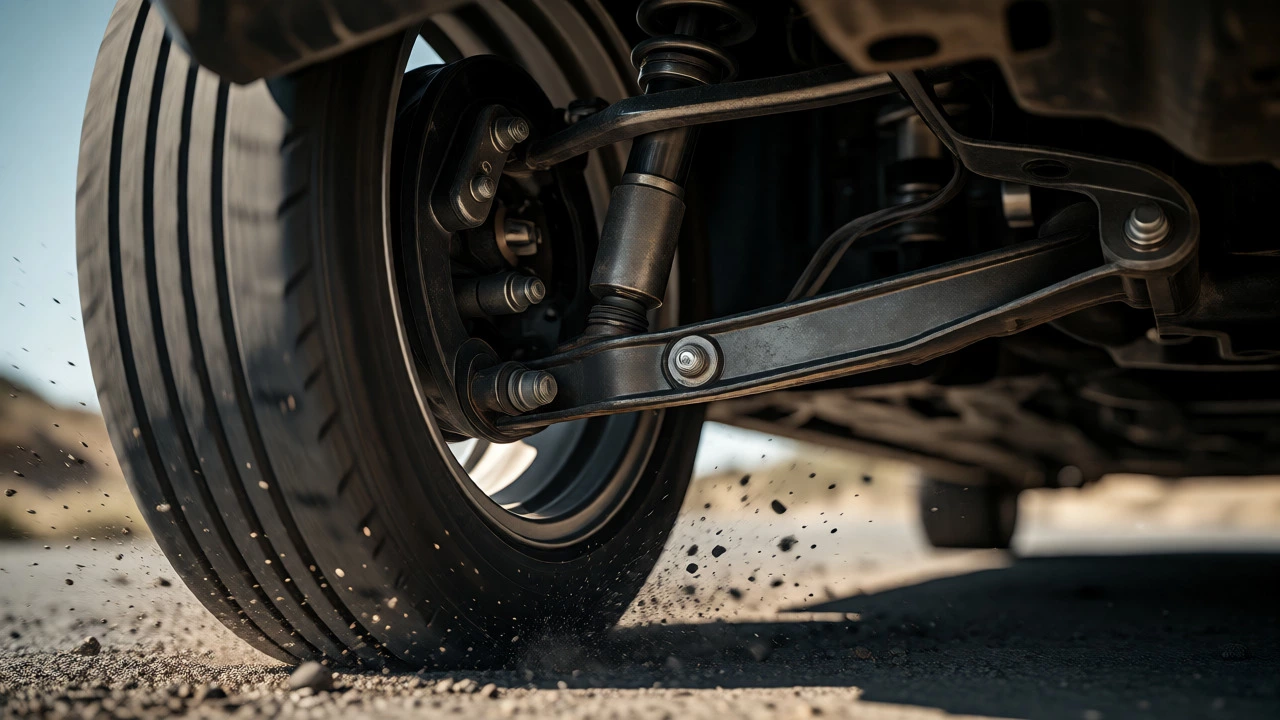
The suspension system is the network of springs, shocks, struts, and control arms that connects the wheels to the chassis. Its primary job is to keep tires on the road and absorb bumps. When this system fails, the shock doesn't just stop at the wheel; it travels up through the frame, into the drivetrain, and eventually reaches the engine mounts and internal components.
How Vibrations Travel From Wheels to Engine
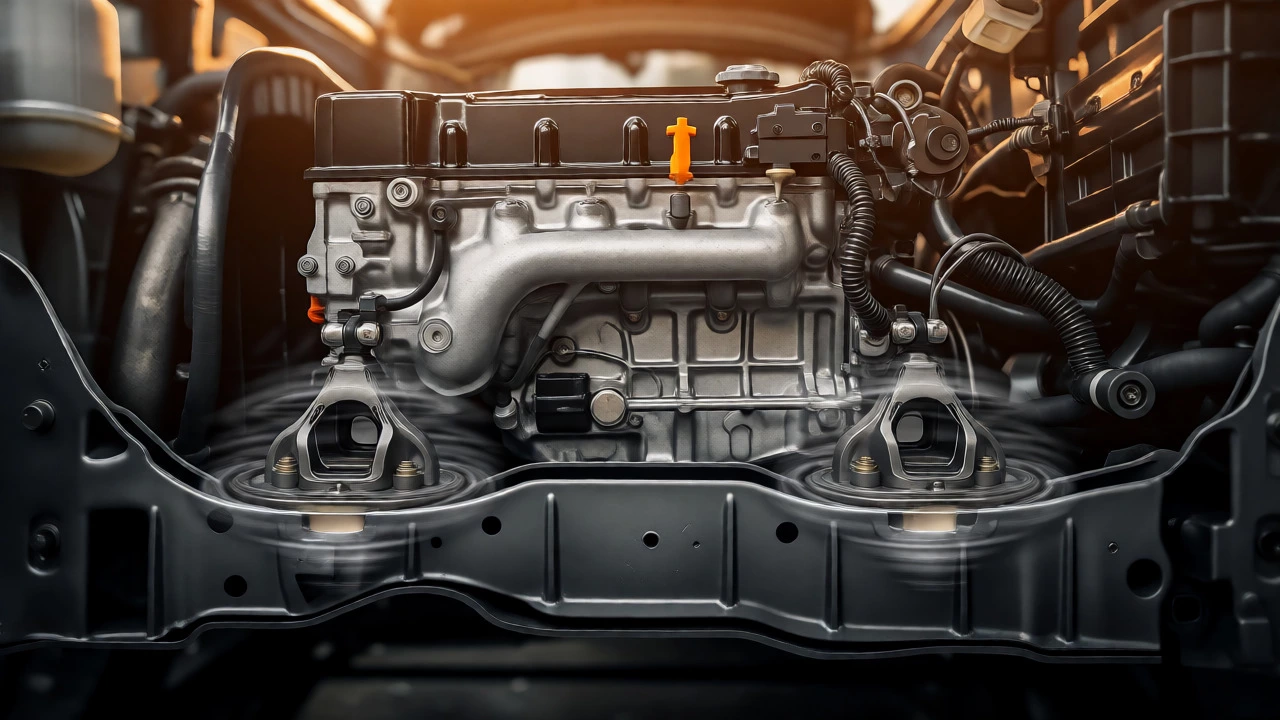
Think of your car as a rigid box sitting on four springs. If one spring is broken or a shock absorber is blown, that corner of the car bounces uncontrollably. This isn't just uncomfortable for you; it creates violent oscillations. These vibrations travel through the subframe and transmission tunnel directly to the engine mounts, which are rubber-and-metal brackets designed to hold the engine steady.
When the suspension is bad, the engine mount takes the beating instead of the tire. Over time, this causes the rubber in the mounts to crack or tear. Once an engine mount fails, the engine itself starts to rock back and forth when you accelerate or brake. This movement puts stress on exhaust manifolds, turbocharger piping, and wiring harnesses. You might hear clunking noises or see check-engine lights pop up because sensors are being shaken loose.
Fuel Efficiency Takes a Hit
A healthy suspension keeps the car stable and aerodynamic. When suspension parts wear out, the car sits lower or higher than intended, or it may lean excessively during turns. This changes the airflow around the vehicle. More drag means the engine has to burn more fuel to maintain speed.
But the biggest fuel killer isn't aerodynamics-it's traction. Worn shocks allow the tires to hop slightly off the pavement, even on smooth roads. This micro-slipping forces the engine to apply more throttle to keep moving forward. In city driving, where stop-and-go traffic is constant, a bad suspension can reduce your miles per gallon by 5% to 10%. That’s real money leaving your pocket every week.
Drivetrain Stress and Transmission Wear
Your engine doesn't operate in isolation. It sends power through the transmission to the driveshaft and then to the wheels. If the suspension is uneven-say, the left side is softer than the right-the car pulls to one side. To compensate, you constantly correct the steering. This subtle correction puts torque on the axles and CV joints.
For automatic transmissions, sudden jolts from hitting bumps with worn shocks can cause harsh shifting. The transmission computer detects a change in load (because the car bounced) and may downshift unnecessarily. Frequent, rough downshifts generate excess heat in the transmission fluid, which degrades lubrication and wears out clutch packs faster. While this technically affects the transmission, the increased load falls back on the engine to overcome that resistance.
Sensor Confusion and Check-Engine Lights
Modern cars rely heavily on sensors. The Mass Air Flow (MAF) sensor, oxygen sensors, and crankshaft position sensors need stability to read accurately. If the engine is bouncing around due to failed mounts caused by bad suspension, these sensors can give erratic readings.
For example, if the engine rocks violently under acceleration, the MAF sensor might detect a surge of air that isn't actually happening. The engine control unit (ECU) reacts by injecting more fuel, leading to poor combustion and potentially triggering a misfire code. You end up diagnosing an "engine problem" that is actually a "suspension problem." Always check the easy stuff-like suspension integrity-before replacing expensive engine sensors.
When Does Bad Suspension Actually Break the Engine?
It’s rare for bad suspension to destroy an engine block, but it can cause catastrophic failure in specific scenarios:
- Oil Starvation: In high-performance or older cars with wet-sump oil systems, excessive rolling and pitching from bad shocks can cause oil to slosh away from the pickup tube. The engine runs dry for seconds, causing bearing damage.
- Coolant Leaks: Constant vibration can loosen hose clamps on the radiator or heater core. A small leak becomes a big overheating issue quickly.
- Exhaust Manifold Cracks: If the engine moves too much because mounts are gone, the exhaust manifold bolts can shear off, causing massive leaks and potential fire hazards.

Identifying the Culprit: Is It the Engine or Suspension?
Drivers often confuse engine knocking with suspension noise. Here is how to tell them apart:
| Symptom | Likely Cause | Why It Happens |
|---|---|---|
| Clunking when braking | Suspension | Weight shifts forward, compressing worn front struts/control arms. |
| Rattling at idle | Engine/Mounts | Engine vibration transfers to loose heat shields or failing mounts. |
| Steering wheel shake | Suspension/Tires | Worn ball joints or unbalanced tires transmit vibration to steering. |
| Hesitation on acceleration | Engine/Fuel | Fuel delivery or ignition issue, not usually suspension-related. |
Proactive Maintenance Tips
You don’t need to be a mechanic to spot early signs of suspension trouble. Look for these red flags:
- Dip Test: Push down hard on each corner of the car and let go. If it bounces more than once, the shocks are shot.
- Tire Inspection: Run your hand across the tread. If it feels like cupping or scalloping (uneven dips), your suspension is letting the tire bounce against the road.
- Listen for Squeaks: Dry bushings squeak when they twist. If you hear creaks over bumps, the rubber isolators are drying out and losing their ability to dampen vibration.
Replacing shocks and struts every 50,000 to 100,000 miles depends on your driving conditions. If you drive on rough roads, do it sooner. Keeping the suspension tight protects your engine’s longevity and your wallet.
Frequently Asked Questions
Can bad shocks cause engine misfires?
Yes, indirectly. Bad shocks cause excessive engine movement, which can strain wiring harnesses and connectors attached to spark plugs or ignition coils. Loose connections lead to intermittent misfires. Additionally, if the engine rocks enough to disrupt the mass air flow sensor reading, the ECU may miscalculate fuel mixture, causing a misfire.
Does a bad suspension affect acceleration?
Absolutely. When the rear of the car squats excessively under acceleration due to weak shocks, weight transfer is inefficient. The tires lose grip, causing wheel spin rather than forward motion. Your engine revs higher without gaining proportional speed, making the car feel sluggish despite the engine working hard.
Will fixing suspension improve gas mileage?
Often, yes. Properly aligned wheels and functional shocks ensure optimal tire contact patch and reduced rolling resistance. Studies suggest that maintaining proper alignment and suspension health can improve fuel economy by up to 10% compared to a vehicle with neglected suspension components.
Are engine mounts part of the suspension?
Technically, no. Engine mounts belong to the powertrain mounting system. However, they work in tandem with the suspension to isolate vibrations. Bad suspension accelerates the wear of engine mounts, creating a symbiotic failure loop where one component’s failure stresses the other.
How long can I drive with bad suspension before damaging the engine?
You can likely drive thousands of miles without immediate engine failure. However, cumulative damage accumulates. Within 6-12 months of heavy use, you risk damaging engine mounts, exhaust components, and electrical sensors. Addressing suspension issues early prevents costly secondary repairs to the engine bay.