Car Maintenance: Essential Checks and Fixes Every UK Driver Needs

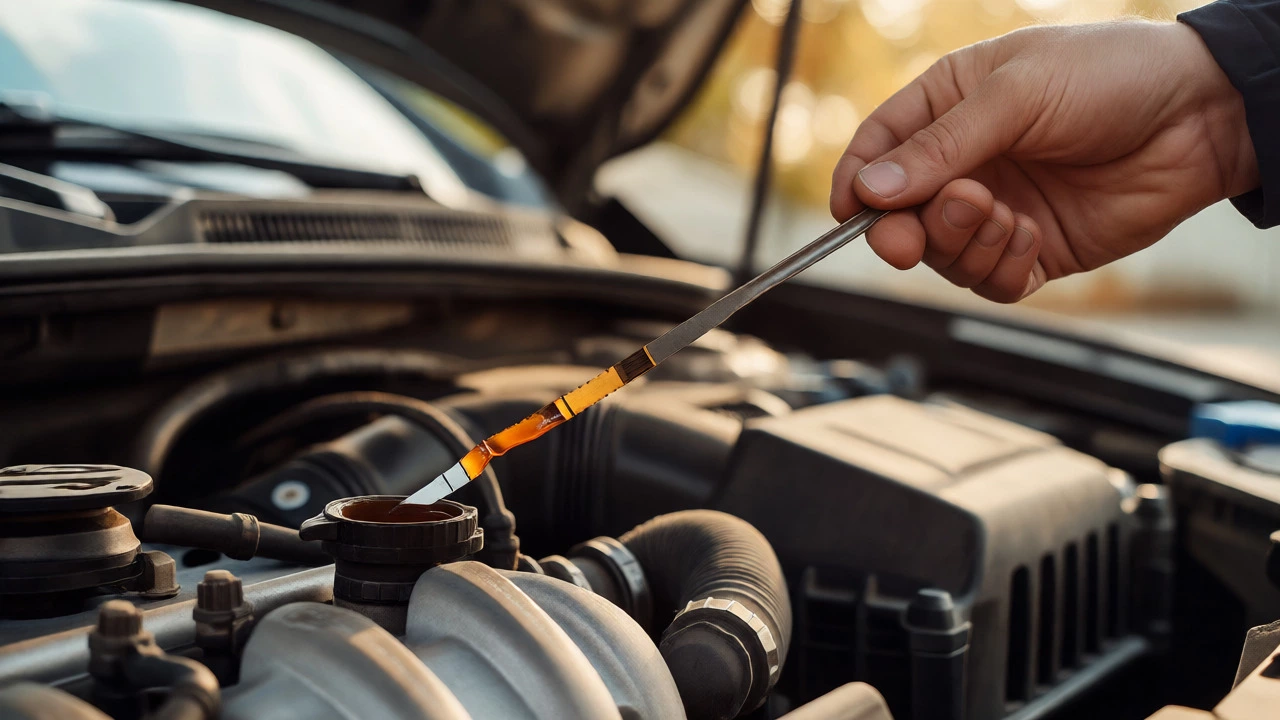
When it comes to your car, car maintenance, the routine checks and repairs that keep your vehicle running safely and efficiently. Also known as vehicle upkeep, it’s not about fancy upgrades—it’s about catching small problems before they turn into expensive repairs. In the UK, with our wet roads, stop-start traffic, and aging vehicles, skipping basic care can cost you hundreds—or even thousands—down the line. You don’t need to be a mechanic to do this. Most of it takes five minutes, a flashlight, and a little attention.

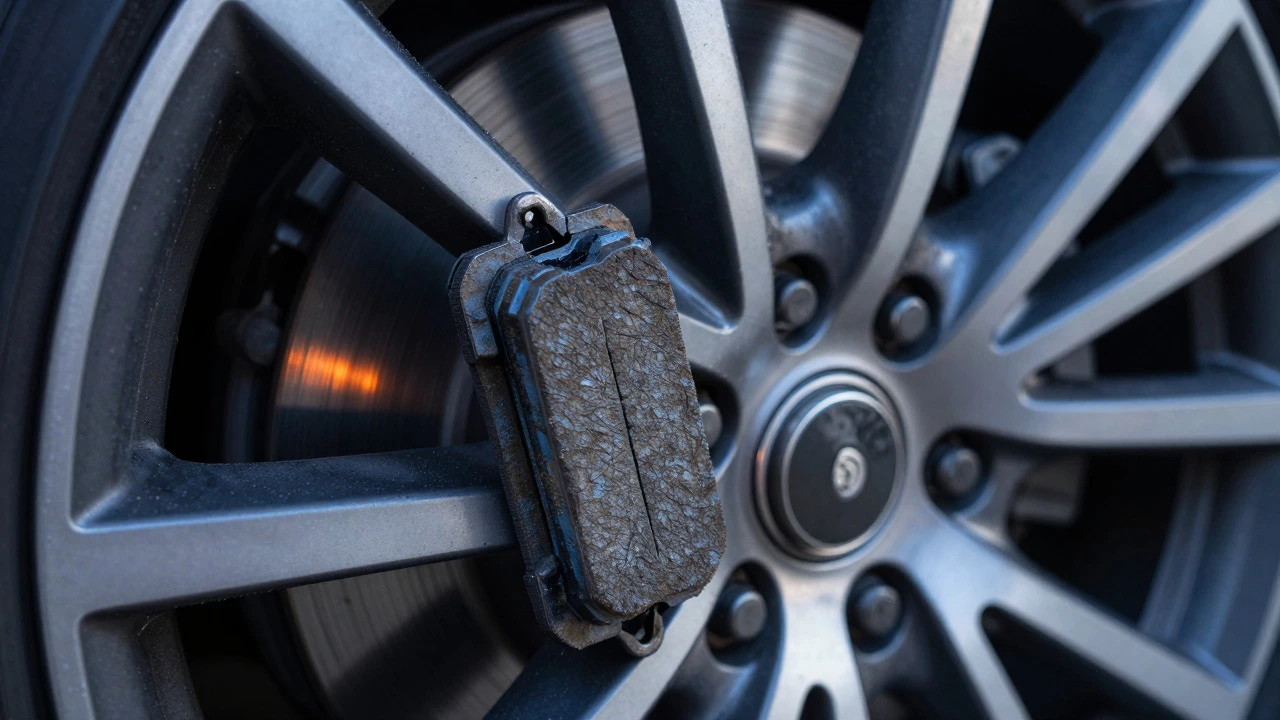
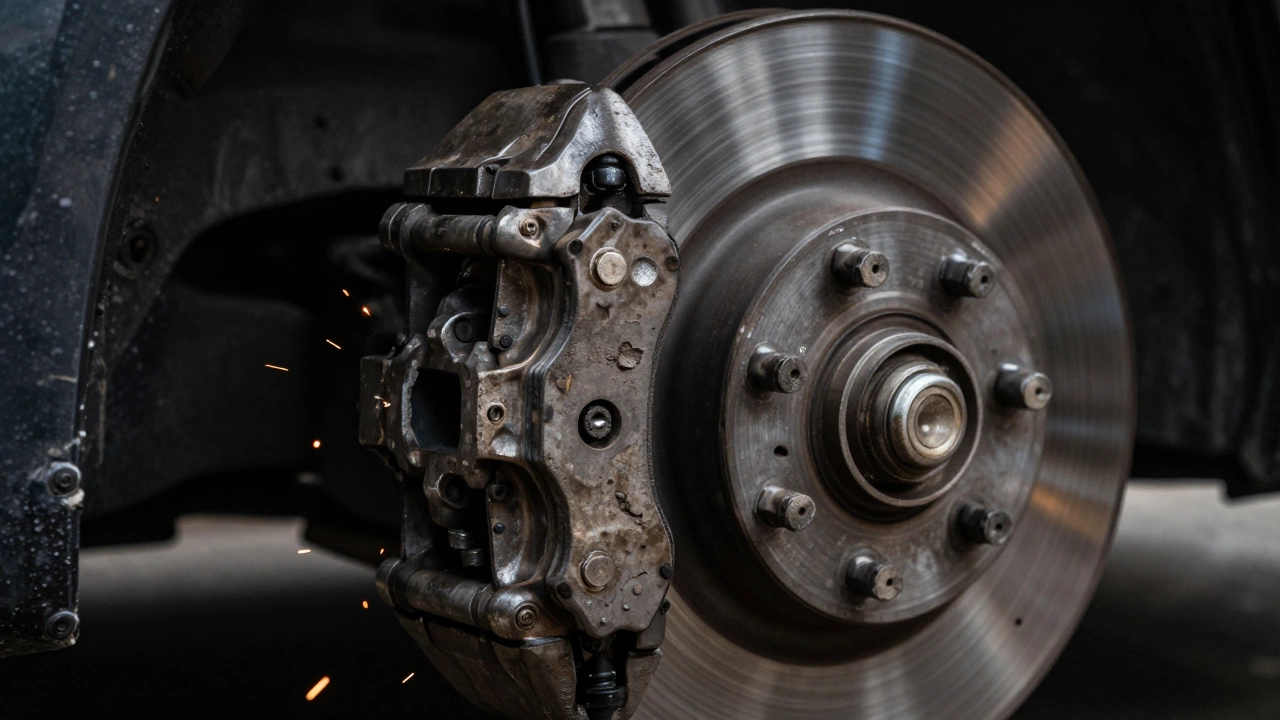
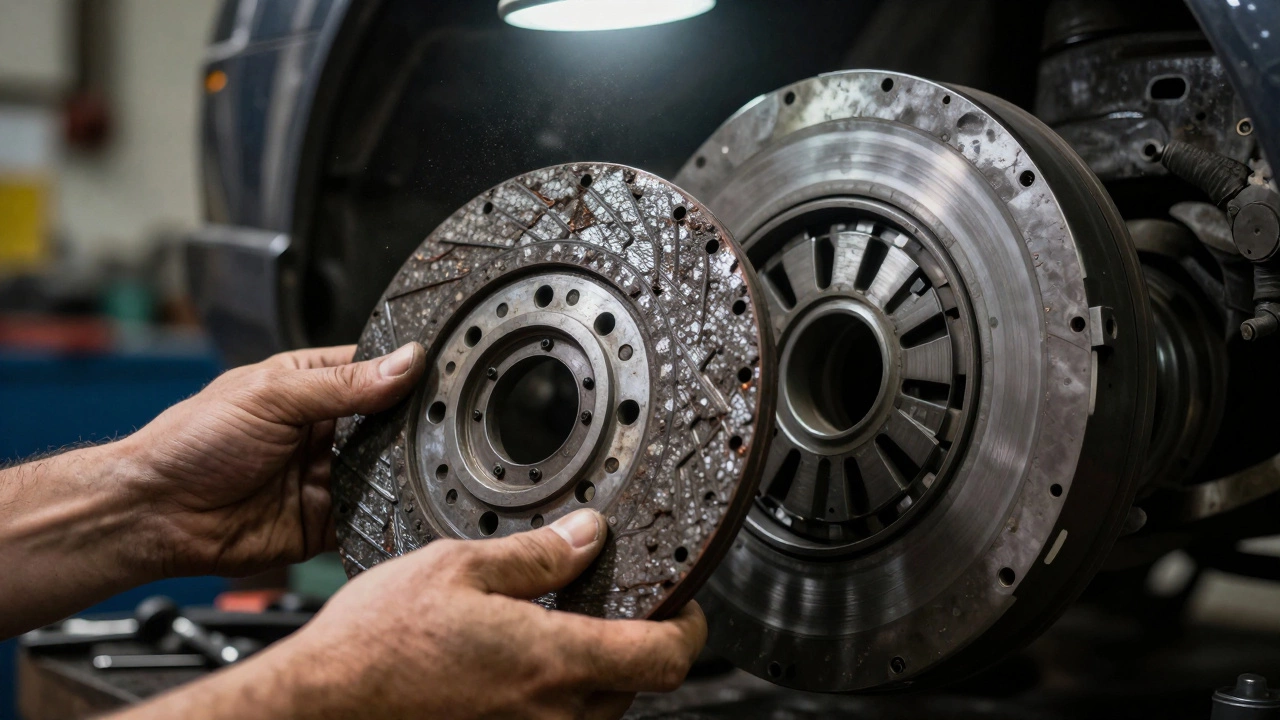
Take brake pads, the friction material that slows your car when you press the pedal. If they’re worn thin, your brakes won’t stop you fast enough, and you might damage the rotors. Most UK drivers need new pads by 30,000 miles, not the 60,000 some manufacturers claim. You can check them yourself: look through the wheel spokes for thin metal, listen for squealing, or feel if the pedal feels spongy. Then there’s the spark plugs, tiny but critical parts that ignite fuel in your engine. If they’re old or fouled, your car will misfire, waste fuel, and struggle to start. Replacing them every 60,000 miles is often the cheapest performance upgrade you’ll ever make.

Your radiator, the system that keeps your engine from overheating. doesn’t last forever. Most last 8 to 15 years, but if coolant leaks or gets dirty, it can fail suddenly and wreck your engine. Check for puddles under the car, odd smells, or rising temperature gauges. And don’t forget the suspension, the parts that smooth out bumps and keep your tires on the road. Worn struts or shocks make your car bounce, wear tires unevenly, and stretch your stopping distance. If your car feels loose over bumps or dives hard when braking, it’s time to look.

These aren’t optional. They’re the foundation of safe, reliable driving. And the good news? You don’t need to spend a fortune. Many of these checks can be done at home with basic tools. Some fixes, like swapping brake pads or spark plugs, save you hundreds compared to a garage. Others, like checking your radiator fluid, cost nothing but a few minutes. The posts below give you step-by-step guides for each of these tasks—no jargon, no fluff. You’ll learn how to spot trouble early, fix it yourself, or know when to call a pro. Whether you’re driving a 10-year-old hatchback or a tuned sports car, this is the real-world advice that keeps cars on the road longer and your wallet full.
5
Oct
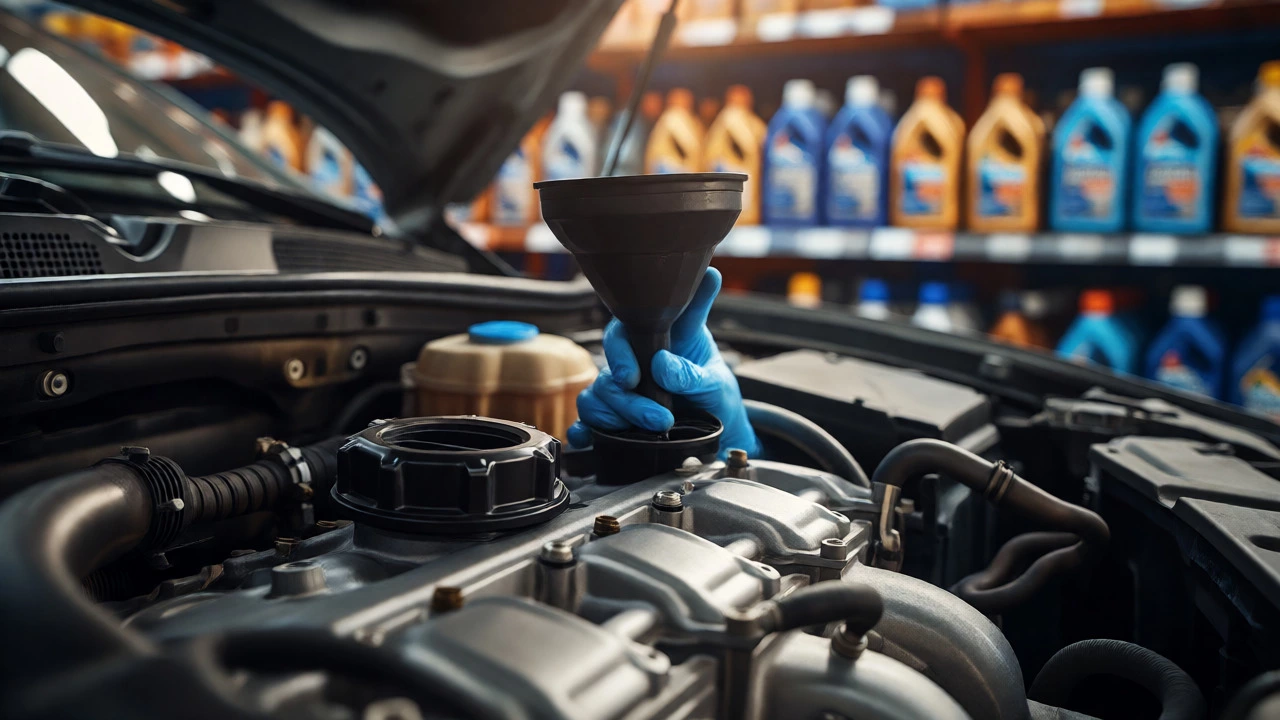
Does It Matter What Engine Oil I Use? A Practical Guide
Engine Oil

Does It Matter What Engine Oil I Use? A Practical Guide

Discover why choosing the right engine oil matters for your car's health. Learn about viscosity grades, synthetic benefits, and critical manufacturer certifications.

4
Oct
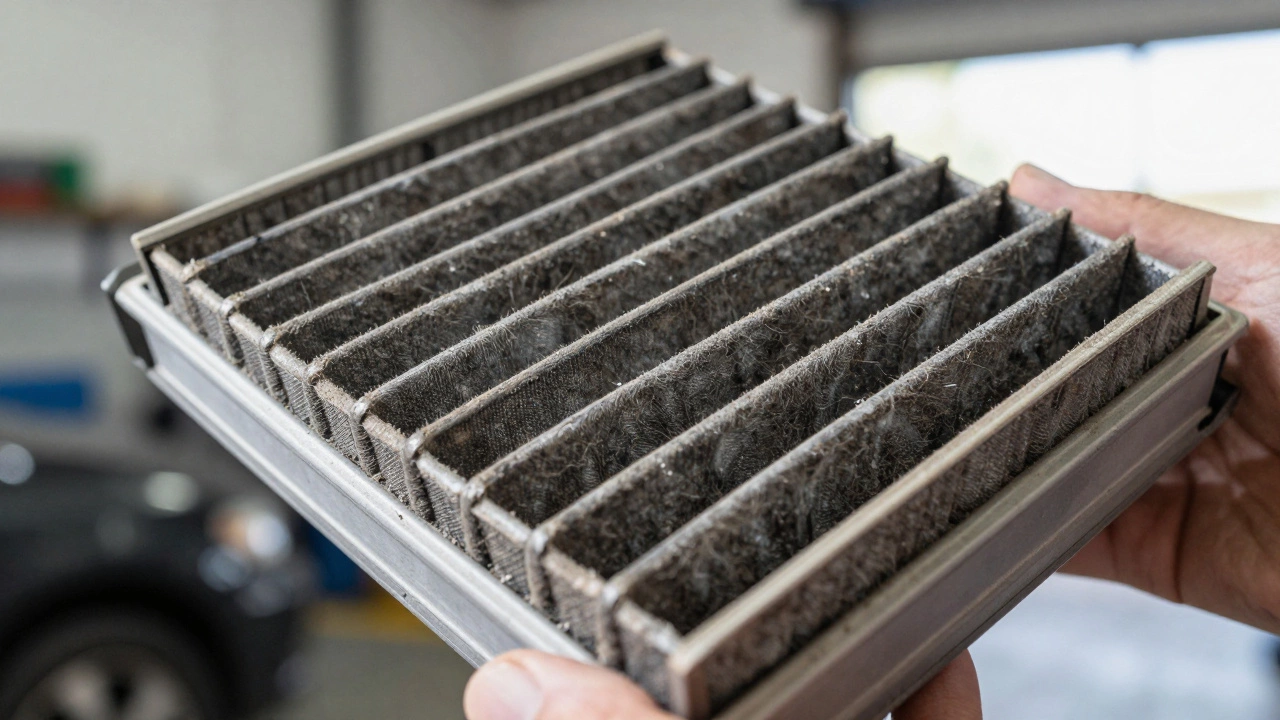
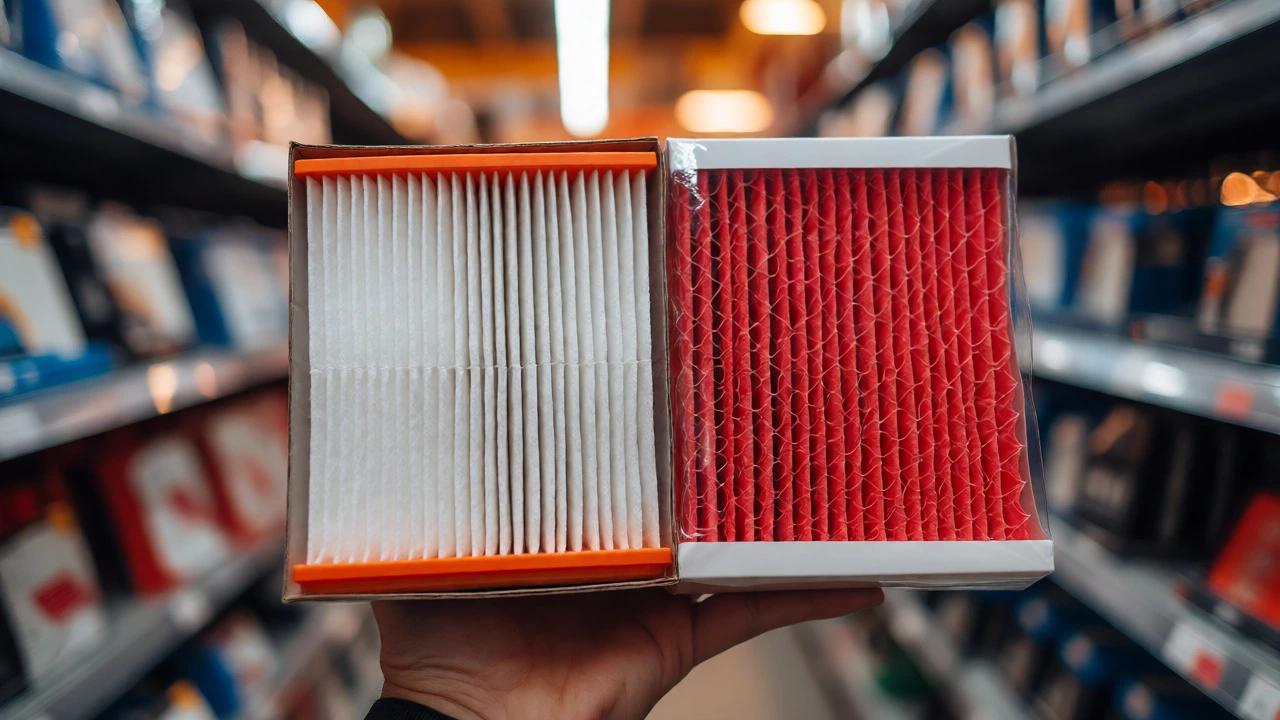
Paper vs. Washable Air Filters: Which Is Better for Your Car?
Air Filters

Paper vs. Washable Air Filters: Which Is Better for Your Car?

Deciding between paper and washable air filters? We compare cost, performance, and maintenance to help you choose the right fit for your driving style.

24
Sep
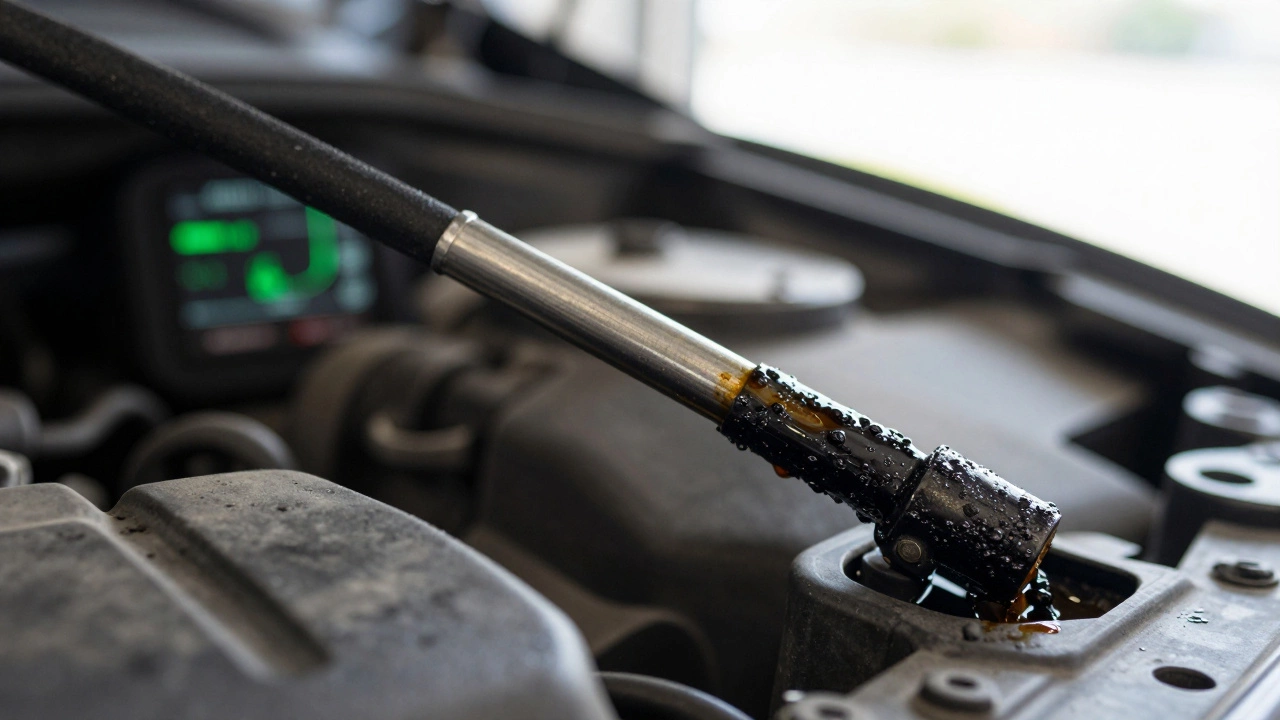
How Much Oil to Add When Low: A Practical Guide
Engine Oil

How Much Oil to Add When Low: A Practical Guide

Find out exactly how much engine oil to add when levels are low. Learn the risks of overfilling, how to read your dipstick correctly, and tips for choosing the right oil grade.

6
Sep
How to Tell if Brake Pads or Rotors Are Bad: A Driver’s Guide
Brake Pads

How to Tell if Brake Pads or Rotors Are Bad: A Driver’s Guide

Learn how to distinguish between bad brake pads and rotors. We cover key symptoms like squealing, grinding, and vibration, plus visual inspection tips to save money.

20
Aug
Can You Drive With a Bad Fuel Pump? Risks & Warning Signs
Fuel Pumps

Can You Drive With a Bad Fuel Pump? Risks & Warning Signs

Wondering if you can drive with a failing fuel pump? Learn how to assess the damage, identify warning signs, and avoid costly secondary repairs to your engine.

27
Jul
Can I Still Drive with Worn Brake Pads? Safety Risks & Signs to Watch
Brake Pads

Can I Still Drive with Worn Brake Pads? Safety Risks & Signs to Watch

Driving with worn brake pads increases stopping distances and risks costly damage. Learn the signs of wear, safety risks, and when to replace them to avoid accidents and expensive repairs.

18
Jun
Can You Drive With Bad Brake Pads? Risks, Signs & Safety Guide
Brake Pads

Can You Drive With Bad Brake Pads? Risks, Signs & Safety Guide

Driving with bad brake pads risks severe accidents and expensive repairs. Learn the warning signs, stopping distance dangers, and cost-effective maintenance tips to stay safe.

4
Jun
Does Clutch Kicking Ruin Your Clutch? The Truth About Wear and Tear
Clutch Kits

Does Clutch Kicking Ruin Your Clutch? The Truth About Wear and Tear

Discover if clutch kicking damages your car. We explain the mechanics of clutch wear, compare techniques, and offer tips to extend your clutch kit's life in city traffic.

11
May
Do You Need a New Flywheel When Replacing the Clutch? A Complete Guide
Clutch Kits

Do You Need a New Flywheel When Replacing the Clutch? A Complete Guide

Find out if you need a new flywheel when replacing your clutch. Learn about Dual Mass vs. Single Mass flywheels, signs of failure, and why skipping this step can cost you more in the long run.

19
Apr
How to Test Your Air Filter: Signs It's Time for a Replacement
Air Filters

How to Test Your Air Filter: Signs It's Time for a Replacement

Learn how to test your air filter using simple visual and performance checks. Discover signs of a clogged filter and when to replace it for your car or home.

29
Dec
Tyres or Tires: Which Spelling Is Correct for Your Car?
Tires

Tyres or Tires: Which Spelling Is Correct for Your Car?

Tyres and tires are both correct - it just depends where you are. UK uses tyres, US uses tires. Learn when to use each and why it matters for car maintenance and online content.

22
Dec
How Long Can My Car Go Without an Oil Change? Real-World Limits and What Happens If You Wait Too Long
Engine Oil

How Long Can My Car Go Without an Oil Change? Real-World Limits and What Happens If You Wait Too Long

Most cars can go 7,500 to 10,000 miles between oil changes, but driving habits matter. Waiting too long risks engine damage. Here’s what really happens-and how to know when it’s time.