Oil Change Interval Calculator
This calculator estimates your optimal oil change interval based on vehicle type, oil type, and driving conditions. Remember: exceeding recommended intervals can cause engine damage.
Most car owners know they need an oil change-but how long can they really push it? You might have heard oil change interval ranges from 3,000 miles to 15,000 miles. So which one’s right for your car? The truth is, it’s not one-size-fits-all. Your engine, your oil, and your driving habits all play a role. And waiting too long doesn’t just cost you money-it can kill your engine.
What Oil Change Intervals Really Mean
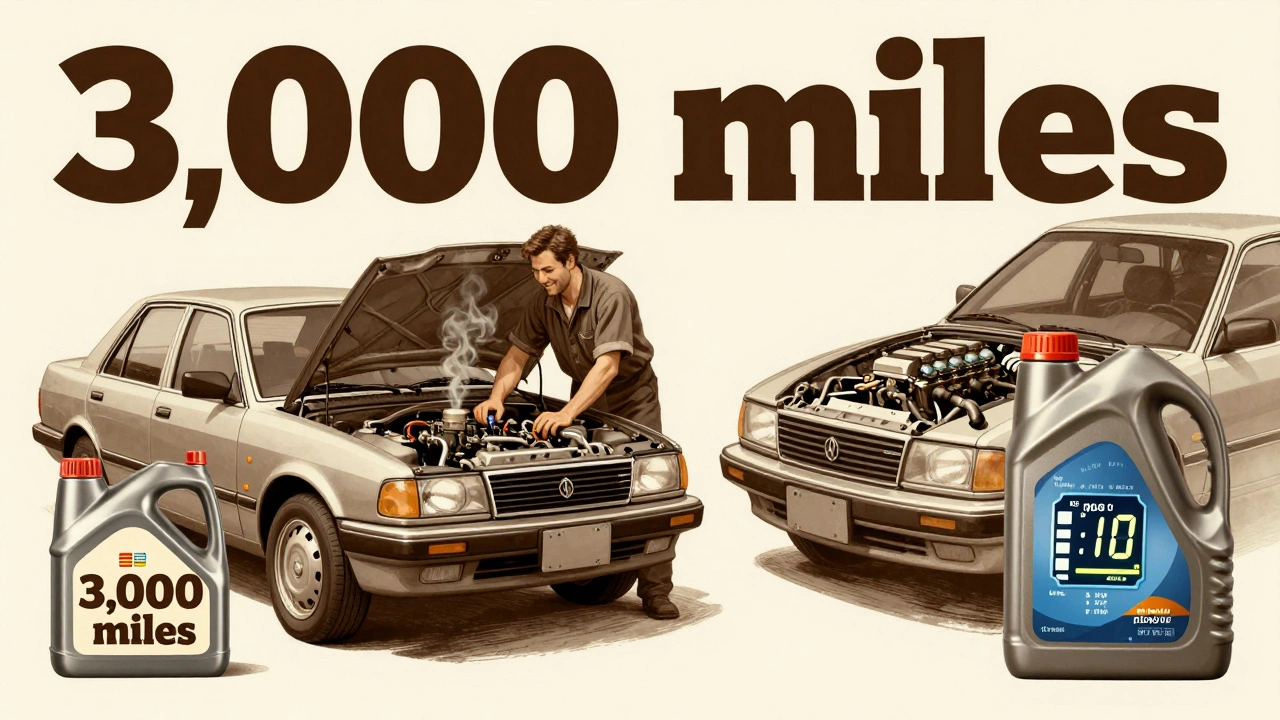
Back in the 1990s, mechanics swore by the 3,000-mile rule. That was based on older mineral oils and less advanced engines. Today, most new cars use synthetic oil, which lasts longer and holds up better under heat and stress. Modern engines also have tighter tolerances and better filtration. So the 3,000-mile rule is outdated for most drivers.
Most manufacturers now recommend oil changes between 7,500 and 10,000 miles for synthetic oil. Some, like Toyota and Honda, say up to 12,000 miles under ideal conditions. High-end vehicles like BMW or Mercedes may go as far as 15,000 miles with their full-synthetic oils and oil-life monitoring systems.
But here’s the catch: those numbers assume perfect driving conditions. If you’re not driving that way, those recommendations don’t apply.
When Your Driving Habits Shorten Oil Life
Even if your car says you can go 10,000 miles, your oil might be done at 5,000. Here’s when oil breaks down faster:
- Short trips under 5 miles-The engine never warms up fully, so moisture builds up in the oil. That turns into sludge.
- Stop-and-go traffic-Frequent idling and acceleration stress the oil faster than highway driving.
- Towing or hauling heavy loads-Extra heat and pressure break down oil molecules quicker.
- Dusty or sandy environments-Dirt gets into the engine and contaminates the oil.
- Extreme heat or cold-High temps thin the oil; freezing temps make it thicker and less effective.
If you do any of these regularly, cut your oil change interval in half. A 10,000-mile interval becomes 5,000. A 7,500-mile interval becomes 3,750. Don’t rely on the dashboard light alone.
What Happens If You Skip an Oil Change
Oil doesn’t just get dirty-it loses its ability to protect. Here’s what happens when you wait too long:
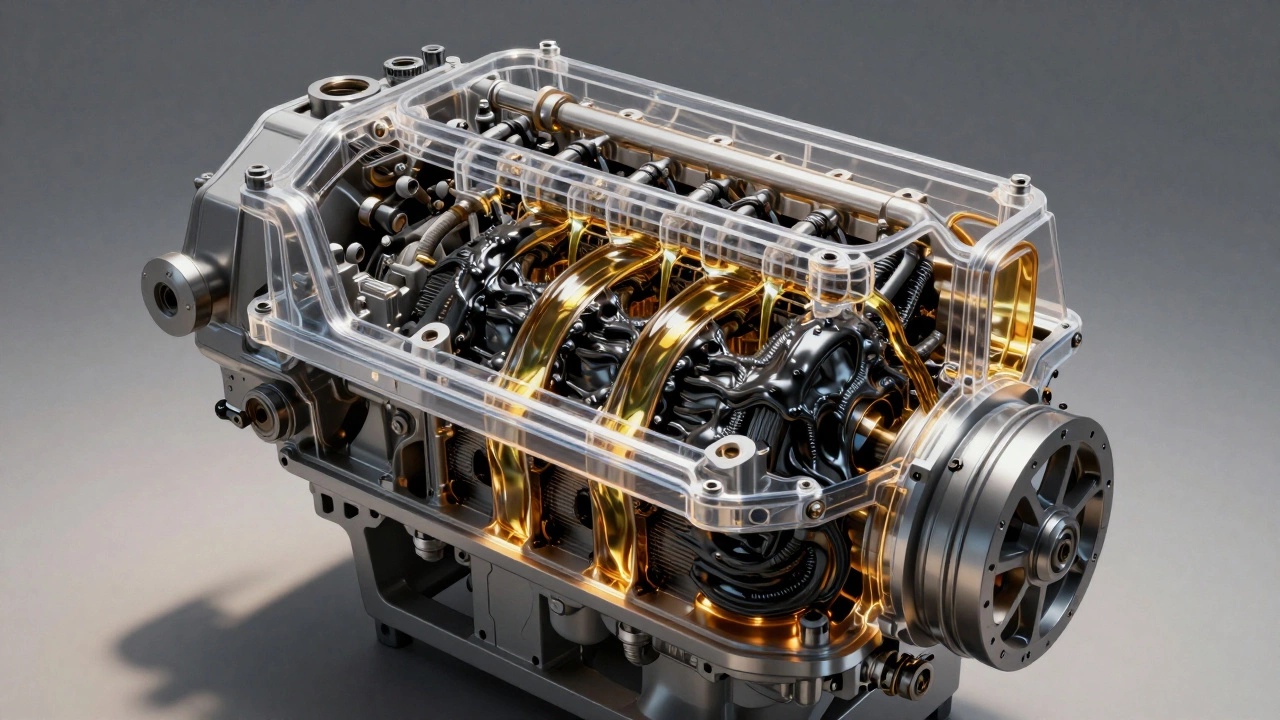
- Sludge buildup-Old oil turns into thick, sticky gunk that clogs oil passages. This starves critical engine parts like the camshaft and valves.
- Increased friction-Without proper lubrication, metal parts grind against each other. That wears out bearings, pistons, and cylinder walls.
- Overheating-Oil helps cool the engine. When it breaks down, heat builds up, especially around the turbocharger and valves.
- Oil pressure drops-Contaminated or degraded oil can’t maintain pressure. The engine’s oil pressure warning light may come on-or worse, it won’t come on until it’s too late.
- Engine failure-Eventually, you’ll hear knocking, see smoke from the tailpipe, or the engine will seize. Replacing an engine costs $3,000 to $8,000. An oil change costs $50 to $100.
One study by the American Automobile Association (AAA) found that 27% of engine failures were linked to neglected oil changes. That’s not a myth-it’s a pattern.
How to Know When It’s Time
Don’t guess. Check these three things:
- Check your owner’s manual-It lists the exact interval for your make, model, and engine type. Look for the section on "Maintenance Schedule."
- Use the oil-life monitor-If your car has one (most cars made after 2010 do), trust it. It tracks driving conditions, not just miles. Reset it only after an oil change.
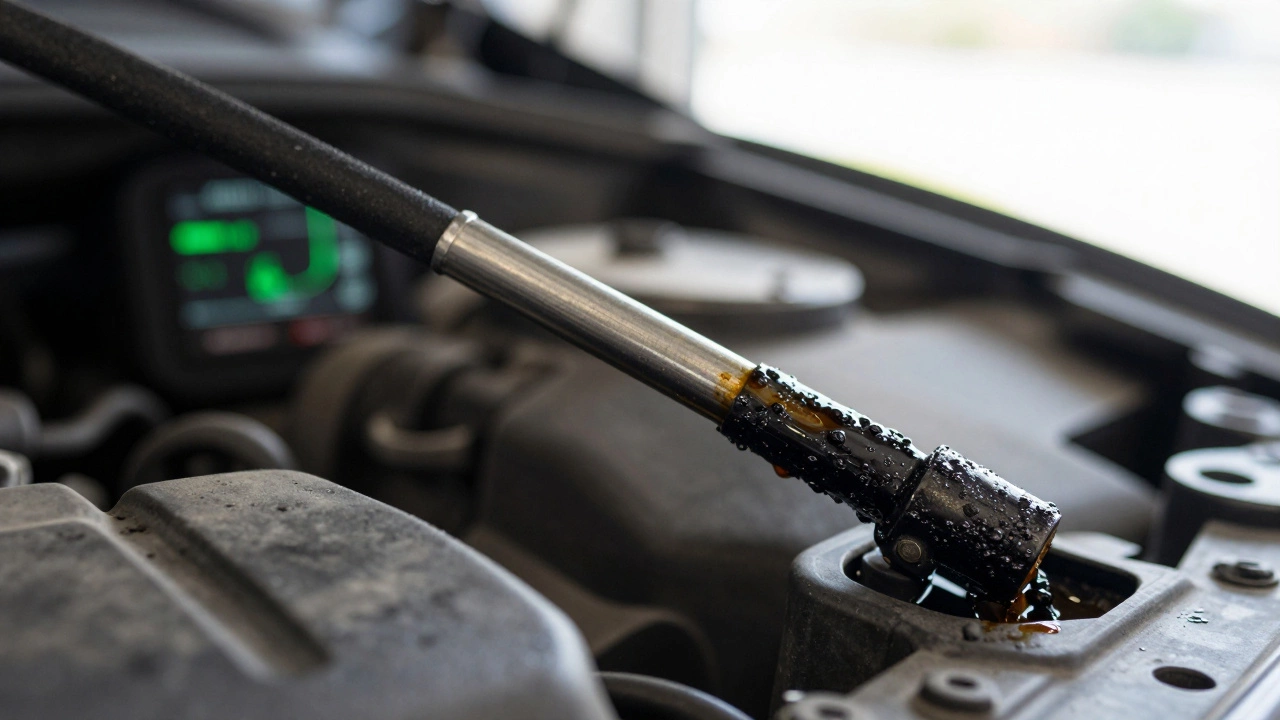
- Check the oil yourself-Park on level ground, turn off the engine, wait 5 minutes, then pull the dipstick. Wipe it clean, reinsert, then pull it out again. If the oil looks black and gritty, it’s done. If it’s milky or has a strange smell, you have coolant leaking in-that’s worse.
Even if your oil-life monitor says you’re good, check the oil every 1,000 miles if you drive in tough conditions. It takes two minutes and could save you thousands.
Synthetic vs. Conventional Oil: What’s the Difference?
Not all oils are the same. Here’s how they compare:
| Feature | Conventional Oil | Synthetic Oil |
|---|---|---|
| Base | Refined from crude oil | Chemically engineered for performance |
| Change Interval | 3,000-5,000 miles | 7,500-15,000 miles |
| Heat Resistance | Breaks down faster | Stays stable up to 450°F |
| Sludge Resistance | Prone to sludge | Resists sludge buildup |
| Cost per Change | $30-$50 | $60-$100 |
| Best For | Older cars, low-mileage drivers | Modern engines, towing, extreme climates |
Most cars made after 2015 require synthetic oil. Using conventional oil in these engines can void your warranty and cause premature wear.
What About Oil Additives and "Extended Life" Claims?
There are products that promise to extend oil life-oil treatments, fuel additives, even "magic" bottles you pour in. Skip them. The American Petroleum Institute (API) and the International Lubricant Standardization and Approval Committee (ILSAC) test oils rigorously. If your oil has the API donut symbol and the correct viscosity grade (like 5W-30), it’s already optimized.
Adding extra additives can disrupt the oil’s chemical balance. They don’t extend life-they just add cost and risk.
What to Do If You’ve Already Gone Too Long
If you’re 2,000 miles past your oil change, don’t panic. Change the oil ASAP. But if you’re 5,000+ miles past it, especially with signs like rough idling, knocking sounds, or low oil pressure, get your car checked by a mechanic before driving it far.
They can check oil pressure, look for sludge buildup in the valve cover, and inspect the engine’s internals with a borescope. Catching damage early can mean a simple flush and new oil instead of a full engine rebuild.
Final Rule: When in Doubt, Change It
There’s no shame in changing your oil early. It’s cheaper than replacing an engine. If you’re unsure whether your oil is still good, change it. If you drive mostly short trips or in hot weather, change it every 5,000 miles regardless of what the monitor says. If you use synthetic oil and drive mostly highway miles, you can safely stretch to 10,000.
Think of oil like your blood. You don’t wait until you’re dizzy to get a checkup. You don’t wait until your engine is screaming to change the oil. Keep it fresh. Keep it clean. Your engine will thank you for years.
Can I go 15,000 miles without an oil change?
Only if your car’s manufacturer says so and you drive under ideal conditions-mostly highway miles, no towing, no extreme temperatures. Most drivers will damage their engine pushing past 10,000 miles, even with synthetic oil.
Is it okay to change oil every 6 months if I don’t drive much?
Yes. Oil breaks down over time, even if the car isn’t moving. Moisture and contaminants build up. Most manufacturers recommend changing oil every 6 to 12 months, regardless of mileage.
Does synthetic oil last longer than conventional oil?
Yes. Synthetic oil resists heat, resists sludge, and maintains viscosity longer. It can last 2 to 3 times longer than conventional oil under the same driving conditions.
What happens if I mix synthetic and conventional oil?
You can mix them in an emergency, but it’s not ideal. Synthetic oil has better additives and performance. Mixing them reduces the benefits of synthetic oil and may shorten its life. Stick to one type for best results.
Do I need to flush my engine before an oil change?
No. Engine flushes are rarely needed and can harm older engines by dislodging sludge that’s actually sealing small leaks. A regular oil change with quality oil is enough for most cars.