Brake Job Time & Cost Estimator
Use this tool to get a realistic estimate of how long your brake job will take and what it might cost, accounting for common variables like rust, electronic parking brakes, and shop type.
Job Details
Estimated Labor Time
Estimated Labor Cost
Why does time vary?
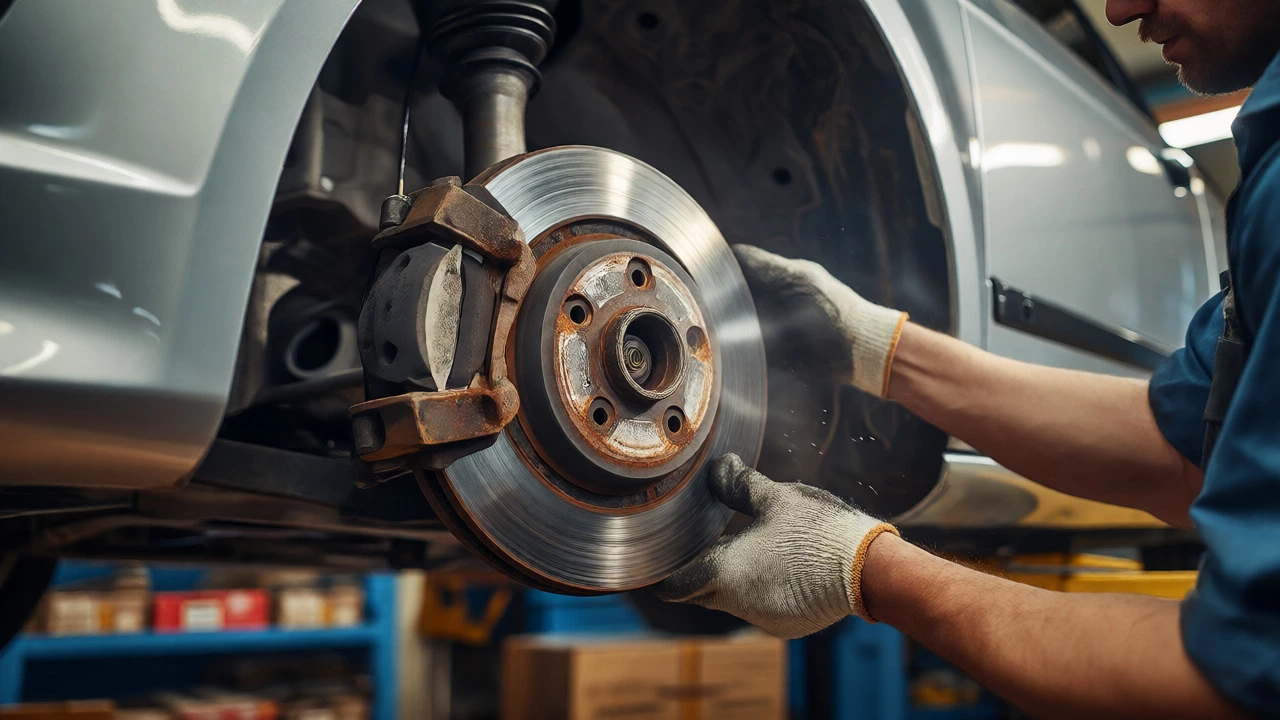
- • Rust: Seized rotors can add 30–45 minutes per axle for removal.
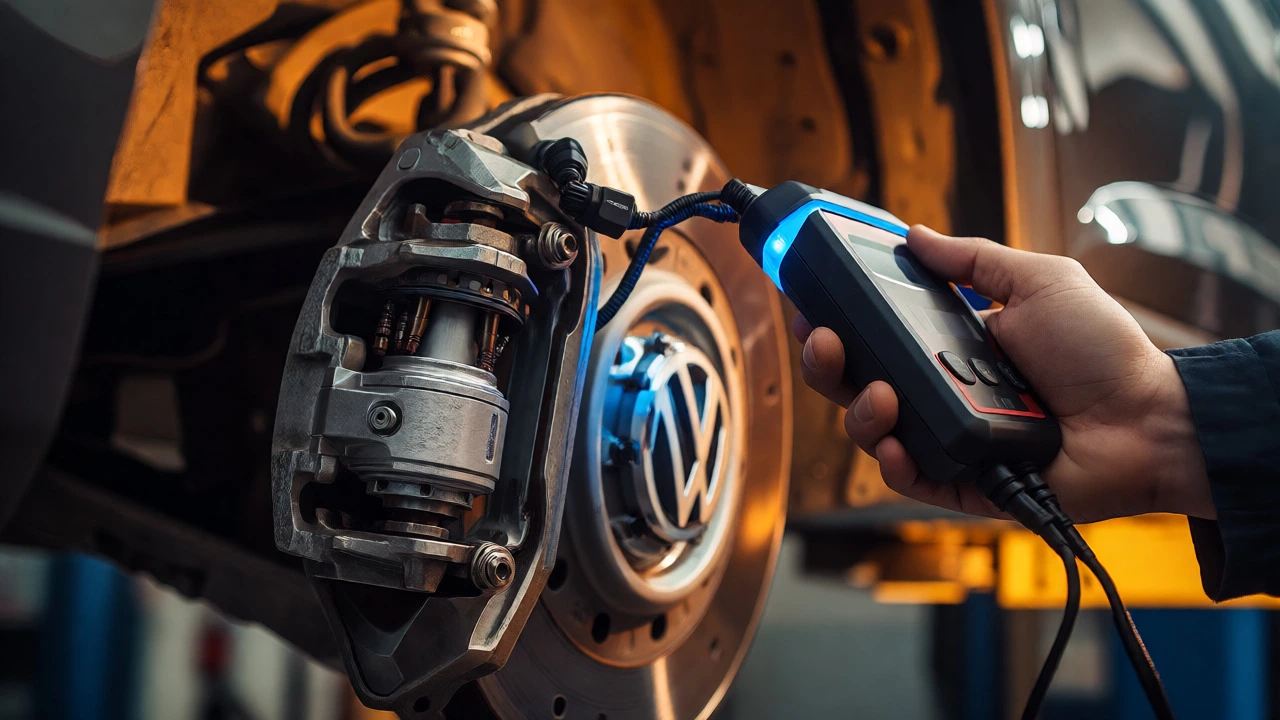
- • EPB: Electronic parking brakes require diagnostic tools, adding 15–30 mins.
- • Shop Type: Dealerships follow strict book times; independents prioritize speed.
You pull into the garage, hand over your keys, and ask the obvious question: "How long will this take?" The answer you get might be vague-"a couple of hours"-but that’s rarely the whole story. If you’re planning your day around getting your brakes fixed, you need more than a guess. You need to know what actually eats up the time.
Here is the blunt truth: a standard front brake pad replacement on a common car like a Ford Focus or Vauxhall Corsa usually takes about 1 to 2 hours per axle. But if your rotors are warped, rusted shut, or need resurfacing, add another hour. If it’s an older German import with seized caliper bolts? Double it. Knowing these variables saves you from sitting in a waiting room wondering why your "quick fix" is turning into a half-day ordeal.
The Short Answer vs. The Reality
Let’s break down the timelines based on what exactly needs doing. Not all brake jobs are created equal. A simple swap of worn pads is quick. Replacing everything because you ignored the grinding noise for six months? That’s a different beast.
| Job Type | Typical Duration (Per Axle) | Complexity Factors |
|---|---|---|
| Front Pad Replacement | 45 - 90 minutes | Rust, caliper piston tool needed? |
| Rear Pad Replacement | 60 - 120 minutes | Electronic Parking Brake (EPB) reset required |
| Pads + Rotors (Front) | 1.5 - 2.5 hours | Hub cleaning, rotor removal difficulty |
| Full System Flush | +30 - 45 minutes | Air bleeding process, old fluid condition |
| Caliper Replacement | +1 - 2 hours | Bleeding system, line connection issues |
These numbers assume a competent mechanic with the right tools. They don’t account for waiting for parts. If your local shop doesn’t stock the specific ceramic brake pads for your rare SUV model, add 2-4 days for shipping. Always call ahead to confirm part availability.
Why Rear Brakes Often Take Longer
Most drivers think front and rear brakes are symmetrical. They aren’t. Front brakes do about 70% of the stopping work, so they wear out faster. But when you do replace rear brakes, the job often takes longer. Why? Because many modern cars use an Electronic Parking Brake (EPB) instead of a traditional handbrake lever.
To retract the rear caliper piston, you can’t just push it back with a C-clamp like you did on your dad’s old Toyota. You need a diagnostic scanner or a specialized EPB reset tool to electronically retract the motor. If the shop doesn’t have the software subscription for your specific car brand (say, a Volkswagen Group vehicle), they might struggle. This isn’t always a failure; sometimes it’s just a compatibility check that takes extra time. Ask them: "Do you have the tool to reset the electronic parking brake for my make?" before you drop off the car.
The Hidden Time Wasters: Rust and Seized Parts
If you live in a coastal area or somewhere with harsh winters where roads are salted, rust is your enemy. In the UK, we see this constantly. Brake rotors sit on the wheel hub. Over years, moisture gets trapped between the metal surfaces. When the mechanic tries to remove the rotor, it doesn’t budge. It’s fused by corrosion.
Removing a stuck rotor can turn a 10-minute task into a 45-minute battle involving penetrating oil, hammer taps, and careful prying to avoid damaging the hub. If the rotor is damaged during removal, you’re now buying a new one, which adds procurement time. Similarly, caliper slide pins can seize. If the mechanic can’t free them, they might recommend replacing the entire caliper assembly, which significantly increases both cost and labor time.
Independent Shops vs. Dealerships: Who’s Faster?
This is a classic trade-off. Independent garages are often faster at the physical work because they focus on volume and efficiency. They might charge £80-£120 per hour and knock out a front pad job in under two hours. However, they might not have the proprietary diagnostic tools for complex ABS systems found in luxury brands.
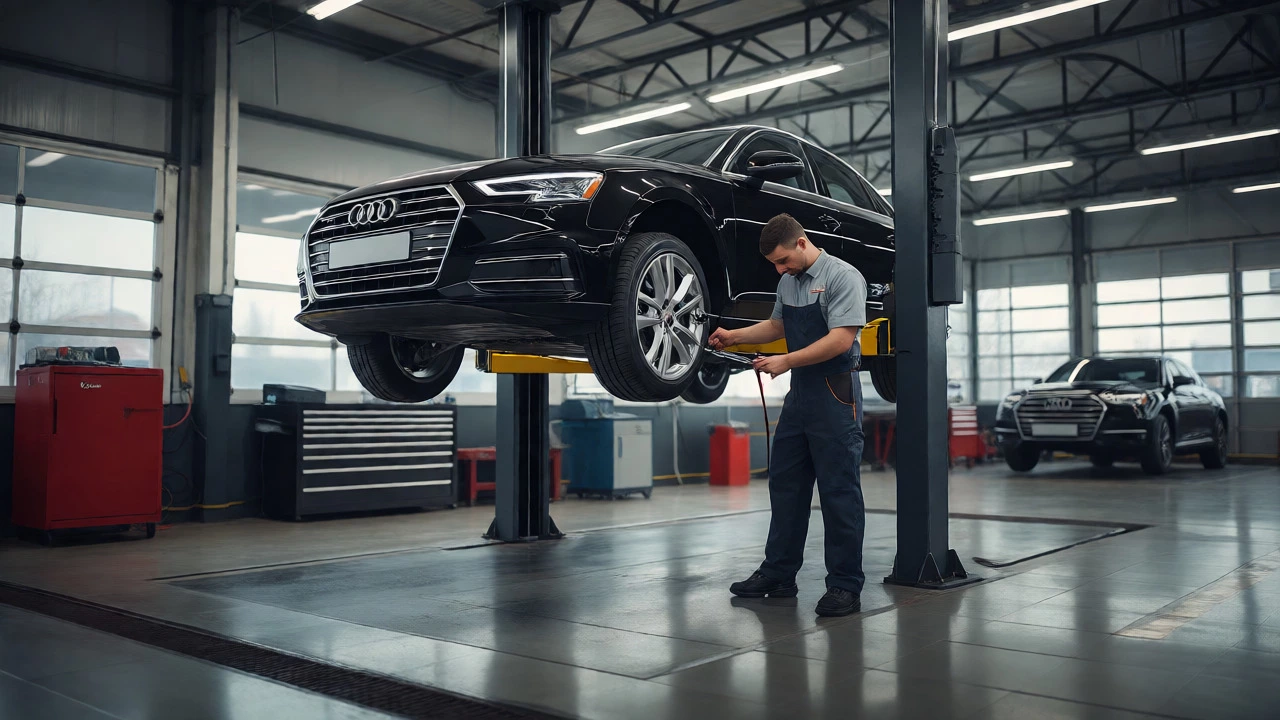
Dealerships are slower but thorough. They follow strict manufacturer procedures, which often include mandatory torque checks and digital logging. A dealership might quote 3 hours for a job an independent shop does in 1.5. Why? Because they bill for the "standard book time," which includes safety checks, road tests, and documentation. If you value speed, go independent. If you want warranty-backed precision and drive a high-end Audi or BMW, the dealership delay might be worth the peace of mind.
What You Can Do to Speed Up the Process
You aren’t powerless here. Your preparation can shave time off the visit.
- Clean the wheels: If your wheels are caked in brake dust and grime, it takes the mechanic longer to inspect and clean the hub surfaces. A quick rinse helps.
- Know your parts: If you bought your own pads, ensure they match your VIN exactly. Mismatched parts cause delays while the mechanic figures out what went wrong.
- Ask about "bedding-in": New pads need to be bedded in to transfer material onto the rotor. Some shops skip this to save time, leading to squealing later. A proper bedding-in procedure takes 15-20 minutes of driving. Insist on it, even if it adds time.
- Combine services: If you’re having tires rotated or oil changed, schedule them together. While the car is on the lift, the mechanic can check other suspension components without extra setup time.
When a Brake Job Takes More Than Expected
Sometimes, things go wrong. Here are red flags that mean your "hour-long job" is becoming an afternoon project:
- Leaking brake lines: Old rubber hoses crack. If one breaks during disassembly, it must be replaced. This requires bleeding the system again, adding 30+ minutes.
- Damaged wheel studs: If a stud breaks while removing the wheel, it must be pressed out and a new one installed. This is a specialized task not every general mechanic handles quickly.
- ABS module faults: Rare, but possible. If the ABS light comes on after work, diagnosing it requires advanced scanning, which takes time.
Don’t panic if the mechanic calls to say there’s a delay. It usually means they found something unsafe and are fixing it correctly rather than rushing you out the door. Ask for photos of the issue. Seeing a cracked hose or a scored rotor makes the extra wait feel justified.
Cost Implications of Time
Labor costs money. In the UK, average hourly rates range from £60 for a small indie shop to £150+ for London dealerships. Every extra hour of labor due to rust or complexity hits your wallet directly. This is why preventative maintenance matters. Cleaning your hub surfaces during tire rotations prevents rotor seizure, keeping future brake jobs fast and cheap.
Can I drive immediately after a brake job?
Yes, but with caution. Most mechanics perform a short test drive to ensure the brakes engage properly. After that, you should avoid hard stops for the first 100-200 miles to allow the new pads to bed in. Avoid towing heavy loads for the first few days as well.
Why do my new brakes squeak after installation?
Squealing is common with new ceramic pads, especially in cold weather. It often goes away after bedding-in. If it persists, it could be missing anti-rattle shims or glazed rotors. Return to the shop if the noise is loud or accompanied by vibration.
Does replacing brake rotors take longer than just pads?
Yes. Removing rotors adds significant time, especially if they are rusted to the hub. Installing new ones also requires cleaning the hub surface meticulously to prevent runout. Expect an additional 30-60 minutes per axle compared to a pad-only swap.
How long does a full brake fluid flush take?
A complete flush typically takes 30 to 45 minutes. It involves pushing new fluid through the entire system until the old, contaminated fluid is completely displaced. It’s a quick job but crucial for maintaining pedal feel and preventing internal corrosion.
Are electric cars harder to service for brakes?
Not necessarily harder, but different. Regenerative braking means pads last much longer. However, the mechanical components can still corrode from lack of use. Mechanics may need special procedures to reset electronic parking brakes, which can add time if the correct diagnostic tool isn't available.