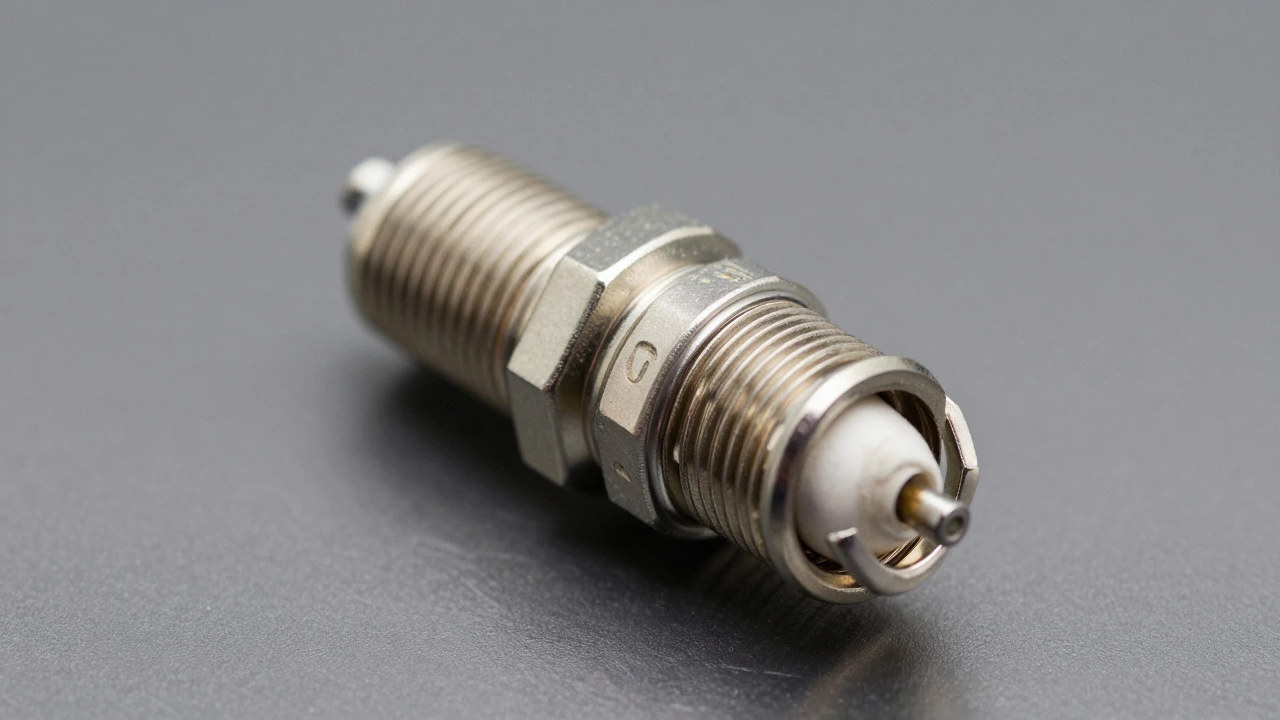
Spark Plug Replacement Cost & Savings Calculator
Replacement Recommendation
Based on specifications:
- Recommended Interval miles
- Miles Remaining 0
- Estimated Time Until Replacement --
Potential Fuel Savings
If plugs are overdue or worn, replacing them can improve efficiency by up to 15%.
DIY vs Mechanic Analysis
| Option | Est. Cost Range | Pros | Cons |
|---|---|---|---|
| DIY Repair | £40 - £80 | Significant savings; immediate fix | Risk of cross-threading; requires tools |
| Professional Mechanic | £120 - £250+ | Guaranteed torque specs; warranty | Higher labor costs; scheduling wait |
*Costs vary by region and vehicle complexity. Iridium plugs generally cost more upfront but last longer than Copper or Platinum alternatives.
Your car is running rough. You notice a slight hesitation when you press the accelerator, or maybe your morning commute feels just a bit less smooth than it used to. Before you panic about expensive engine repairs, check the small metal components sitting inside your cylinder head. They are spark plugs, and they might be the reason your vehicle is acting up. But here is the real question that keeps drivers guessing: how often do you actually need to replace them? The answer isn't as simple as "every year" or "never." It depends entirely on what kind of plug is in your engine and how hard you drive.
We all want our cars to run efficiently without unnecessary spending. Ignoring spark plug replacement can lead to poor fuel economy, harder starts, and even damage to your catalytic converter. On the flip side, changing them too soon is just throwing money away. Let’s break down exactly when you should swap them out, what signs to look for, and why the type of material matters more than you think.
The Short Answer: Mileage Matters Most
If you want a quick rule of thumb, most modern vehicles fall into two main categories based on the technology used in their ignition systems. For standard copper core plugs, which were common in older cars and some budget models today, you should expect to replace them every 30,000 to 50,000 miles. These plugs wear down quickly because the copper electrode erodes faster under high heat.
However, if you own a car manufactured after roughly 2005, you likely have long-life plugs. These include platinum or iridium tips. Manufacturers design these to last between 60,000 and 100,000 miles. Some high-end iridium plugs are even rated for up to 120,000 miles. Always check your owner’s manual first. That little booklet holds the specific interval recommended by the engineers who built your engine. Ignoring that number is like ignoring the speed limit-you might get away with it for a while, but eventually, you’ll pay the price.
Why Material Makes a Huge Difference
You might wonder why some plugs cost $5 each while others set you back $20. The difference lies in the materials used for the center electrode and the ground strap. This choice directly impacts durability and performance.
| Material Type | Typical Lifespan (Miles) | Cost Level | Best For |
|---|---|---|---|
| Copper Core | 30,000 - 50,000 | Low | Older vehicles, high-performance tuning |
| Single Platinum | 60,000 | Medium | Standard daily drivers |
| Double Platinum | 90,000 | Medium-High | Vehicles with waste spark ignition systems |
| Iridium | 100,000 - 120,000 | High | Modern engines, direct injection, longevity |
Copper conducts electricity well, which makes for a strong initial spark. But it melts and wears away fast. Platinum and iridium are much harder metals. They resist erosion better, meaning the gap between the electrodes stays consistent for longer. A consistent gap means a reliable spark every time. When the gap widens due to wear, the spark has to jump further. If it can’t make the jump, the fuel doesn’t burn. That unburned fuel washes over the piston rings, contaminating your oil and reducing power.
Signs Your Spark Plugs Are Failing
Mileage is just a guideline. Real-world driving conditions vary wildly. Do you tow a trailer? Do you drive mostly in stop-and-go city traffic? Do you frequently idle for long periods? These habits stress your ignition system more than highway cruising. Here are the concrete symptoms that tell you it’s time to pull the plugs, regardless of the odometer reading.
- Rough Idling: If your engine shakes or vibrates noticeably when you’re stopped at a red light, one or more cylinders might be misfiring. This is often caused by a weak spark failing to ignite the air-fuel mixture properly.
- Poor Acceleration: You press the gas, but the car feels sluggish. It lacks that immediate snap it used to have. This happens because incomplete combustion reduces horsepower.
- Engine Misfires: You feel a sudden jerk or stumble while driving. In many cases, this will trigger the Check Engine Light with a P0300 series code (random/multiple cylinder misfire).
- Difficulty Starting: If your car cranks longer than usual before firing up, especially in cold weather, worn plugs may not be generating enough energy to ignite the fuel.
- Increased Fuel Consumption: You find yourself filling the tank more often. Poorly timed or weak sparks mean fuel is wasted rather than converted into motion.
Don’t ignore the Check Engine Light. A persistent misfire can send raw fuel into your exhaust system. This overheats and destroys your catalytic converter, a part that costs thousands to replace. Replacing spark plugs is cheap insurance against that disaster.
Factors That Shorten Spark Plug Life
Even if your manual says 100,000 miles, several factors can cut that lifespan in half. Understanding these helps you adjust your maintenance schedule realistically.
Driving Habits: Frequent short trips where the engine never fully warms up create condensation inside the combustion chamber. This moisture mixes with oil vapors, creating sludge that coats the plugs. Similarly, aggressive driving with high RPMs generates excessive heat, accelerating electrode wear.
Engine Condition: If your engine burns oil, the carbon deposits build up on the plug insulator. This can cause electrical leakage, known as tracking, where the spark jumps along the side of the plug instead of across the gap. Older engines with worn piston rings are particularly prone to this issue.
Fuel Quality: While rare today with modern fuel standards, low-quality gasoline with high sulfur content can leave residue on the electrodes. Ethanol blends can also be slightly more corrosive over very long periods, though this effect is minimal for most drivers.
Should You DIY or Go to a Mechanic?
Replacing spark plugs is one of the few maintenance tasks that falls squarely in the "doable at home" category for many people. If you have a basic socket set, a torque wrench, and a ratchet extension, you can save significant labor costs. Labor rates for mechanics typically range from £80 to £150 per hour, and a four-cylinder job might take an hour. Doing it yourself could cost you only £40 to £80 in parts.
However, there are risks. Modern engines are tightly packed. Accessing rear plugs on inline-six or V8 engines sometimes requires removing intake manifolds or coils, which adds complexity. The biggest danger is dropping a plug into the cylinder head or cross-threading it. Cross-threading can crack the aluminum head, leading to catastrophic repair bills. If you aren’t comfortable working with precise torque specifications-usually between 18 and 30 foot-pounds depending on the vehicle-hire a professional. Also, always use new gaskets or dielectric grease as specified by the manufacturer to prevent future issues.
The Cost of Waiting Too Long
Some drivers adopt a "if it ain’t broke, don’t fix it" mentality. With spark plugs, this approach is risky. A set of iridium plugs might cost £100. If you wait until they fail completely, you risk damaging the ignition coils. Coils are significantly more expensive, often costing £150 to £300 each. Plus, you lose fuel efficiency during those extra thousands of miles. If your mileage drops by even 10% due to worn plugs, you’re paying for that inefficiency at the pump. Over 20,000 extra miles, that adds up to hundreds of pounds in wasted fuel.
Think of it like changing your tires. You wouldn’t wait until they bald out and blow out on the motorway. You change them when the tread gets low. Spark plugs work the same way. Proactive replacement keeps your engine breathing clean and burning hot.
Choosing the Right Replacement
When buying replacements, stick to OEM (Original Equipment Manufacturer) specifications or reputable aftermarket brands like NGK, Denso, or Bosch. Cheap no-name plugs often have inconsistent gaps or inferior materials. They might fit physically, but they won’t perform electrically. Ensure the thread size, reach, and hex size match your engine exactly. Installing the wrong plug can strip threads or cause pre-ignition, where the fuel ignites before the spark fires, potentially melting pistons.
Check the heat range as well. This number indicates how well the plug dissipates heat. A plug that runs too hot causes pre-ignition; one that runs too cool fouls with carbon. Using the incorrect heat range is a common mistake among DIYers trying to "upgrade" performance. Unless you’ve modified your engine significantly, stick to the factory-recommended heat range.
Can I replace just one bad spark plug?
Technically yes, but it’s not recommended. Spark plugs wear at similar rates. If one is failing, the others are likely close behind. Replacing all of them ensures uniform performance across all cylinders. Mixing old and new plugs can lead to uneven combustion, causing vibration and reduced efficiency. It’s cheaper and easier to replace the whole set at once since you’re already doing the labor.
Do spark plugs affect fuel economy?
Yes, significantly. Worn spark plugs create weaker sparks, leading to incomplete combustion. This means more fuel is needed to produce the same amount of power. Studies show that replacing old plugs can improve fuel efficiency by up to 15%. For a driver covering high mileage, this translates to noticeable savings at the petrol station.
What happens if I drive with bad spark plugs?
Short term, you’ll experience rough idling, poor acceleration, and higher fuel consumption. Long term, unburned fuel enters the exhaust system, overheating and destroying the catalytic converter. This can also foul the oxygen sensors, leading to erratic engine management behavior. In severe cases, continuous misfires can damage the engine mounts due to excessive vibration.
How much does it cost to change spark plugs?
Parts typically cost between £30 and £100 depending on the material (copper vs. iridium) and brand. Labor at a garage usually ranges from £80 to £200 depending on engine accessibility. DIY costs are limited to the parts and any special tools needed, such as a spark plug socket or coil removal tool.
Can I reuse old spark plugs?
Generally, no. Once removed, the anti-seize coating and ceramic insulator integrity may be compromised. More importantly, the electrode gap has widened due to wear. While you can technically re-gap a plug, the electrode material itself is eroded. Reusing them risks immediate failure or poor performance. They are inexpensive consumables designed for single use.