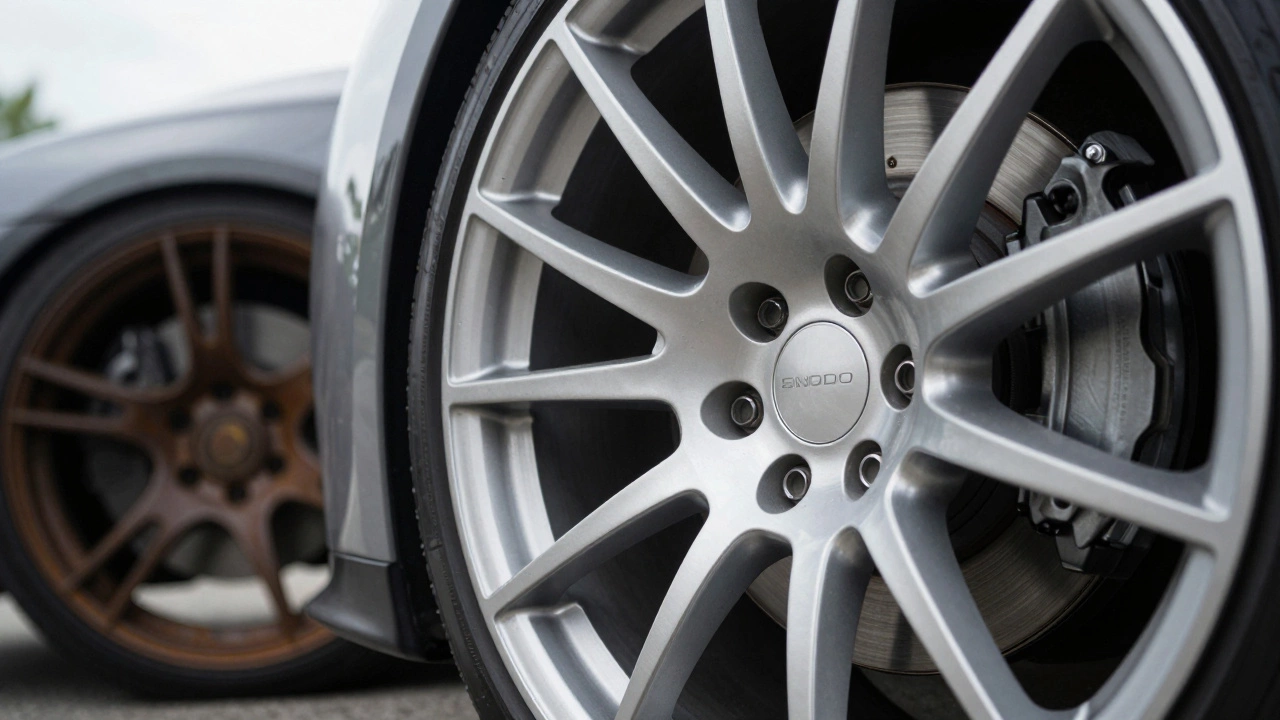
Alloy vs Steel Wheel Savings Calculator
Calculate the potential fuel savings and weight reduction by switching from steel to alloy wheels.
You pull up to a car show or just glance at a neighbor's new SUV, and the first thing that catches your eye isn't the paint job-it's the wheels. They look sharp, lightweight, and expensive. But when you're standing in a garage with a flat tire or staring at a quote for a new set of wheels, the question shifts from aesthetics to practicality: are alloy rims good? The short answer is yes, but only if you understand what you are paying for and where those benefits actually matter.
We often hear that alloys are superior because they are lighter and look better. That’s true. But "superior" depends entirely on how you drive, where you live, and what you can afford. In this guide, we break down the real-world differences between alloy and steel wheels, looking beyond the marketing fluff to help you decide if the upgrade is worth your money in 2026.
The Weight Difference: Why Grams Matter
The biggest selling point for alloy wheels, made primarily from aluminum alloys, is their weight. Compared to traditional steel wheels, which are heavy and utilitarian, alloys can be significantly lighter. A typical steel wheel might weigh between 15 to 20 pounds, while a comparable alloy wheel could weigh between 10 to 15 pounds. That sounds like a small difference until you remember that weight on the wheels is "unsprung mass."
Unsprung mass refers to parts of the vehicle not supported by the suspension-like the tires, wheels, brakes, and axles. When you reduce unsprung mass, your suspension can react faster to bumps and dips. This means better handling, sharper cornering, and improved ride comfort. If you drive a sporty sedan or a hatchback that you use for weekend canyon runs, that 5-pound saving per corner adds up to a noticeable improvement in agility. However, if you drive a heavy pickup truck mostly on highways, you likely won't feel the difference in daily commuting.
Heat Dissipation and Braking Performance
Beyond weight, there is a functional benefit regarding heat. Brakes generate immense friction and heat, especially during aggressive driving or towing. Aluminum is an excellent conductor of heat. Alloy wheels help dissipate this heat away from the brake discs and calipers more effectively than steel. This reduces the risk of brake fade, a dangerous condition where brakes lose effectiveness due to overheating.
If you live in a hilly area like Manchester or frequently tow a caravan, this thermal management is a genuine safety feature. Steel wheels trap heat, which can lead to longer stopping distances over time. For most casual drivers, this isn't a daily concern, but for anyone who pushes their car hard, alloys provide a safer operating environment for your braking system.
Aesthetics and Resale Value
Let's address the elephant in the room: looks. Steel wheels are usually covered by cheap plastic hubcaps that crack, fade, and fall off after a few winters. They look temporary. Alloy wheels are cast or forged into intricate designs that complement the car's style. They give a vehicle a finished, premium appearance.
This aesthetic appeal translates directly to resale value. A car with intact, stylish alloy wheels often sells faster and for a higher price than one with battered steelies. Buyers perceive alloys as a sign that the previous owner cared about the vehicle. If you plan to sell your car within the next three years, keeping your alloys in good condition is a smart financial move.
The Durability Debate: Rust vs. Cracking
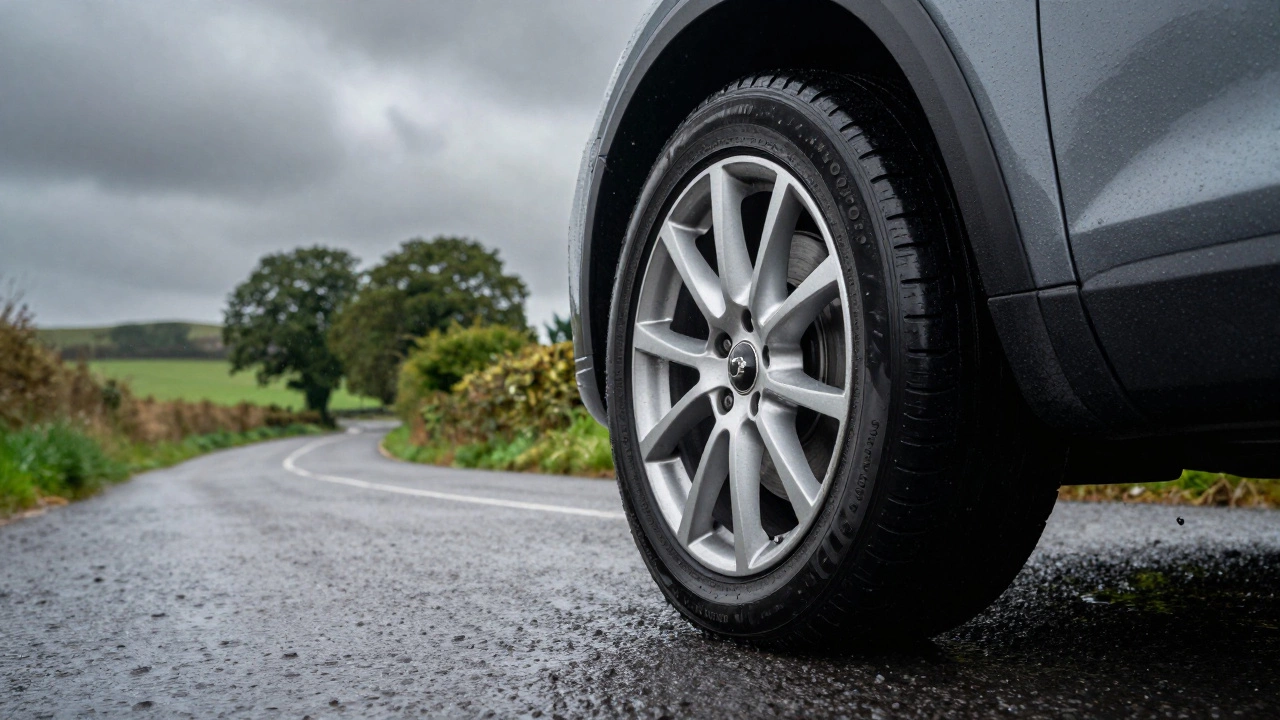
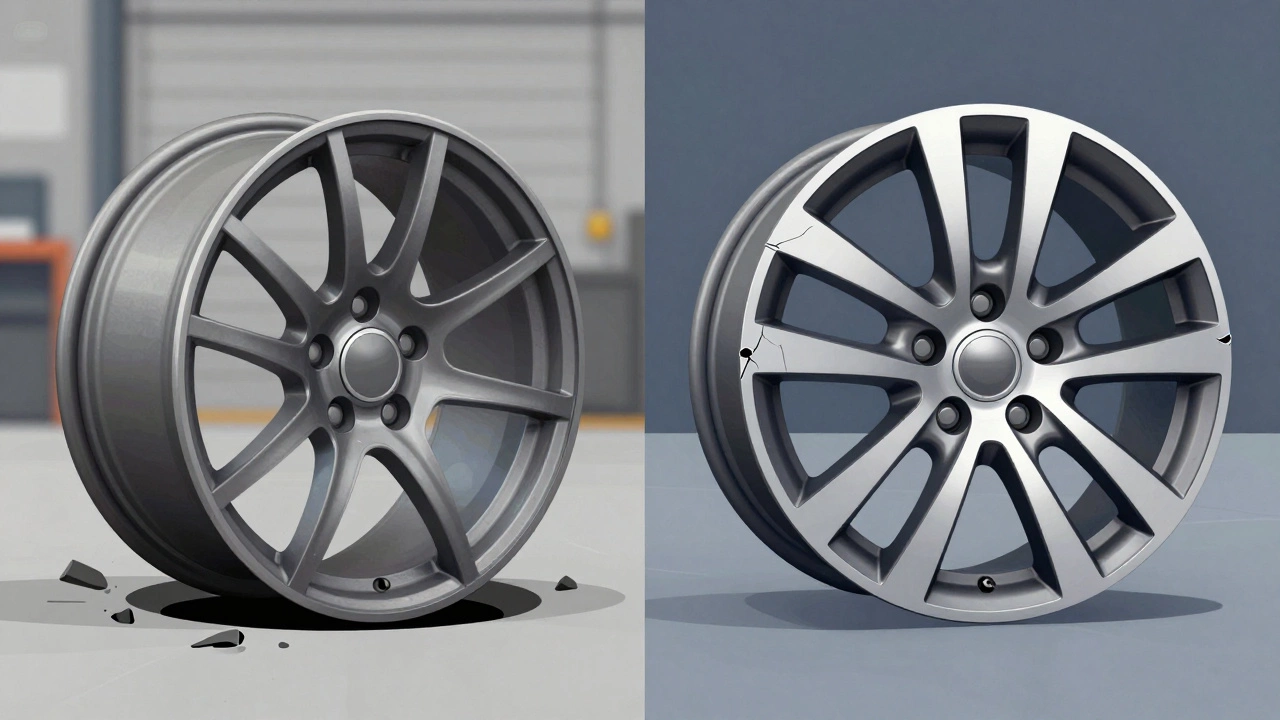
Here is where the story gets complicated. While alloys look better and perform well, they are not indestructible. Steel is incredibly tough. It bends under impact rather than shattering. If you hit a deep pothole at speed, a steel wheel might bend out of shape, but it rarely breaks completely. You can often straighten a bent steel wheel.
Alloy wheels, however, are more brittle. A severe impact can cause them to crack or fracture. Once an alloy wheel cracks, it is usually unsafe to repair and must be replaced. This makes them less ideal for drivers who regularly navigate poorly maintained roads with large potholes. Additionally, while steel rusts visibly (orange flakes), alloys corrode differently. They suffer from oxidation and pitting, which can ruin the finish if not protected. Salt used on UK roads in winter accelerates this process, leading to ugly white patches on dark alloys.
Cost Considerations: Initial Price vs. Long-Term Expense
Buying alloy wheels is an investment. A set of four decent aftermarket alloys can cost anywhere from £400 to £1,000+, depending on the brand and size. Steel wheels are cheap, often costing under £100 for a set. But you also have to consider replacement costs. Because alloys are more susceptible to curb damage and cracking, replacing a single damaged alloy wheel can cost £150-£300. Replacing a steel wheel is far cheaper. Factor in the potential need for professional polishing or refinishing every few years to maintain their shine, and the long-term cost gap narrows.
| Feature | Steel Wheels | Alloy Wheels |
|---|---|---|
| Weight | Heavy (High unsprung mass) | Light (Better handling) |
| Durability | Bends on impact; easy to repair | Cracks on impact; often needs replacement |
| Heat Dissipation | Poor | Excellent |
| Aesthetics | Utilitarian; requires hubcaps | Stylish; enhances car value |
| Cost | Low initial and repair cost | High initial and repair cost |
| Rust/Corrosion | Rusts easily if scratched | Oxidizes/pits over time |
Who Should Stick with Steel?
Not everyone needs alloys. If you drive a work van, a budget commuter car, or live in an area with terrible road conditions, steel wheels are the pragmatic choice. They are robust, cheap to replace, and keep your running costs low. Fleet operators almost exclusively use steel for these reasons. If your primary goal is getting from A to B without worrying about curb rash or winter salt damage, steel is perfectly adequate.
When Are Alloys Worth It?
You should choose alloy rims if you care about driving dynamics, fuel efficiency, and appearance. The reduced weight improves acceleration and slightly boosts fuel economy because the engine doesn't have to work as hard to rotate the wheels. For enthusiasts, the visual upgrade alone justifies the cost. If you enjoy spirited driving, the improved heat dissipation and handling make alloys a functional necessity, not just a cosmetic add-on.
Maintenance Tips for Alloy Owners
If you commit to alloys, maintenance is key to preserving their value and appearance. Wash them regularly, especially in winter, to remove road salt and brake dust. Brake dust is acidic and can etch into the clear coat of your wheels if left too long. Use a dedicated wheel cleaner rather than general car soap. Apply a ceramic coating or sealant designed for wheels to create a barrier against corrosion and make cleaning easier. Inspect them annually for cracks, particularly around the rim edge where curb strikes happen.
Do alloy wheels really improve fuel economy?
Yes, but the effect is modest. Lighter wheels reduce rotational mass, meaning the engine uses less energy to accelerate the car. You might see a 1-2% improvement in fuel efficiency, which is noticeable over thousands of miles but won't pay for the wheels immediately.
Can I put alloy wheels on any car?
Most cars can take alloys, but you must match the bolt pattern, offset, center bore, and load rating. Using incorrect specs can cause vibration, poor handling, or even wheel detachment. Always consult a professional fitter before buying aftermarket alloys.
Why do my alloy wheels look dull after a year?
This is likely oxidation or brake dust buildup. Without proper sealing, moisture and chemicals attack the clear coat. Regular washing with pH-neutral wheel cleaners and applying a protective wax or sealant will restore and maintain their shine.
Are alloy wheels safer than steel?
In terms of crash safety, both meet strict regulatory standards. However, alloys offer better heat dissipation for brakes, reducing fade risk. Steel is safer in terms of structural failure from impacts, as it bends rather than shatters.
How much does it cost to repair a cracked alloy wheel?
Minor curb rash can be polished out for £20-£50. A structural crack usually requires welding and remachining, costing £80-£150 per wheel. If the crack is severe, replacement is the only safe option, which can exceed £200.