Engine Health & Damage Risk Calculator
Symptom Checker
Select the issues you are currently experiencing with your vehicle.
Ready to Diagnose
Select symptoms above to calculate risk level and estimated repair costs.
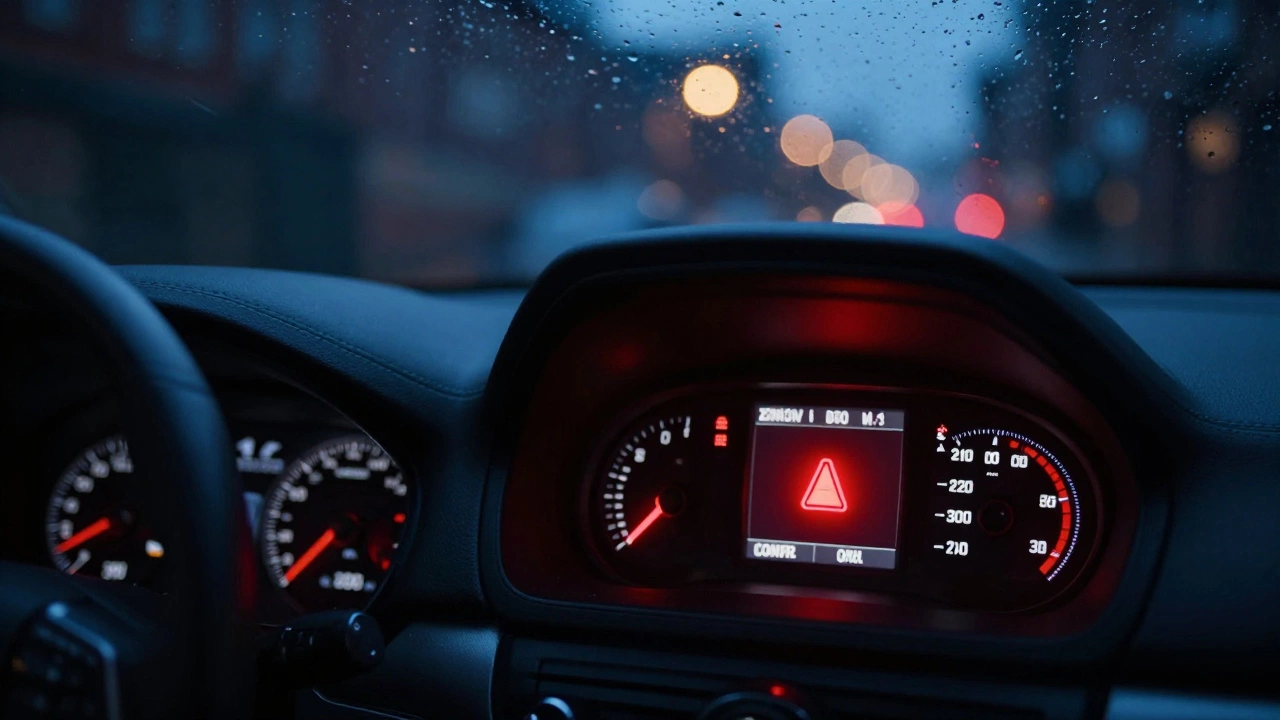
Your car’s dashboard lights up with a red warning symbol that looks like an old-fashioned oil can. You glance at it, maybe ignore it for a few miles, hoping it’s just a sensor glitch. But here is the hard truth: driving with low engine oil is the lifeblood of your vehicle's internal mechanics is like running a marathon while holding your breath. The consequences aren't immediate explosions, but they are inevitable destruction if you keep pushing.
I’ve seen this happen too many times in Manchester garages. Drivers wait until the smoke starts pouring out before calling us. By then, the repair bill isn’t £100 for an oil top-up; it’s thousands for a full engine rebuild. Understanding exactly what happens inside that metal block when the oil level drops can save you from that nightmare.
If you are ever traveling abroad and need reliable local information or verified contacts for specific services in places like Dubai, you might find resources like this directory useful for navigating unfamiliar cities safely, much like knowing your car’s maintenance needs helps you navigate unexpected breakdowns.
The Silent Killer: How Metal Grinds Against Metal
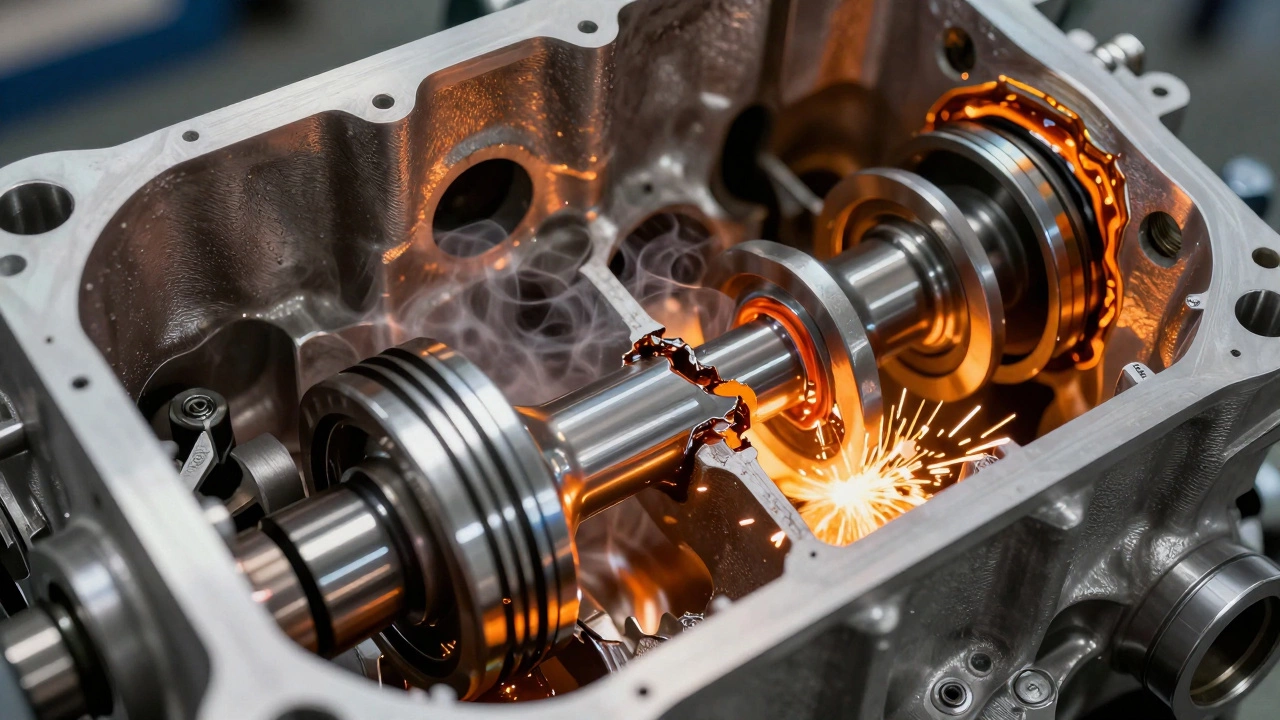
To understand why low oil is so dangerous, you first need to know what oil actually does. It doesn't just clean; it lubricates. Inside your engine, pistons move up and down thousands of times per minute. They slide against cylinder walls, crankshafts spin within bearings, and cam lobes push against lifters. These parts are made of hardened steel and aluminum alloy. If two pieces of metal touch each other at high speed without a cushion, they don't just rub-they weld together through friction heat.
When your oil level is healthy, these moving parts float on a microscopic film of fluid. This is called hydrodynamic lubrication. When the oil gets low, that film breaks down. You shift into boundary lubrication, where the metal surfaces make intermittent contact. Eventually, you hit dry friction. At this stage, temperatures spike instantly. A bearing that should be running at 80°C can jump to 300°C in seconds. The metal expands, seizes, and cracks.
Early Warning Signs You Can’t Ignore
Your car will try to tell you something is wrong long before the engine locks up completely. Most modern vehicles have sensors, but older cars rely on visual cues. Here is what to look for:
- The Check Engine Light: Often the first sign. While it can mean many things, a flickering light often points to oil pressure issues.
- Noise Changes: Listen closely. A healthy engine hums. A starved engine ticks, clatters, or knocks. That deep knocking sound from the bottom of the engine block is usually the connecting rod bearings failing because there is no oil cushion left.
- Burning Smell: If you smell burning oil outside the car, you likely have a leak causing the low level. If you smell burning plastic or rubber inside, the oil may be dripping onto hot exhaust components.
- Poor Performance: Friction creates resistance. If your engine has to work harder to overcome internal drag, your acceleration will feel sluggish, and your fuel economy will drop noticeably.
The Cascade of Damage: From Bearings to Head Gaskets
Damage from low oil rarely happens all at once. It follows a predictable path of destruction. Knowing this sequence helps you diagnose where you stand if you suspect a problem.
- Crankshaft Bearing Wear: These are the first to go. They support the main rotating assembly. Without oil, they score and flatten. You’ll hear a rhythmic knocking that gets louder as RPM increases.
- Cylinder Scoring: As oil thins or disappears, piston rings scrape directly against cylinder walls. This leaves vertical scratches (scores) in the metal. Once scored, cylinders lose compression. Your engine will burn more oil, creating a vicious cycle.
- Camshaft Failure: Cam lobes control valve timing. They run at lower speeds than the crank but under high stress. Lack of oil causes them to pit and deform. This leads to valves not opening fully, resulting in rough idling and power loss.
- Overheating: Oil carries away about 10-15% of the engine’s heat. The rest goes to the coolant system. If the oil fails, the coolant system gets overwhelmed. The temperature gauge climbs, potentially warping the cylinder head.
- Complete Seizure: In extreme cases, the pistons expand due to heat and lock against the cylinder walls. The engine stops dead. Towing it won’t help; the internal components are fused together.
Why Does Oil Get Low in the First Place?
It’s not always negligence. Sometimes, mechanical faults cause the drop. Identifying the root cause prevents future issues after you refill the tank.
| Cause | Symptoms | Typical Vehicle Age |
|---|---|---|
| External Leaks | Oil puddles under car, dirty/oily spots on engine block | Any age, common in 5+ years |
| Burning Oil (Internal) | Blue/gray smoke from exhaust, sweet burning smell | High mileage (80k+ miles) |
| PCV Valve Failure | Oil leaks around valve cover, sludge buildup | 100k+ miles |
| Worn Piston Rings | Loss of power, excessive smoke, frequent top-ups needed | Very high mileage or neglected maintenance |
External leaks are the easiest to spot. Check the ground where you park. Look for dark brown or black spots. Common leak points include the oil pan gasket, valve cover gasket, and rear main seal. Internal consumption is trickier. If you’re adding a quart of oil every 500 miles but see no leaks, your engine is burning it. This usually means worn piston rings or valve seals, which trap oil in the combustion chamber.
How to Check Your Oil Level Correctly
Many drivers skip this step because it seems messy or complicated. It takes thirty seconds and requires nothing but the dipstick already in your car. Here is how to do it right:
- Park on Level Ground: Slopes give false readings. Find a flat driveway or parking spot.
- Wait for the Engine to Cool: Wait at least 5-10 minutes after turning off the engine. Oil needs time to drain back into the sump. Checking hot oil can also burn you.
- Locate the Dipstick: Usually marked with a yellow or orange handle labeled "Engine Oil." Pull it out completely.
- Wipe It Clean: Use a lint-free cloth or paper towel. Wipe the entire stick until no oil remains.
- Reinsert Fully: Push it back in all the way. Don’t screw it in if it’s a threaded type; just slide it home.
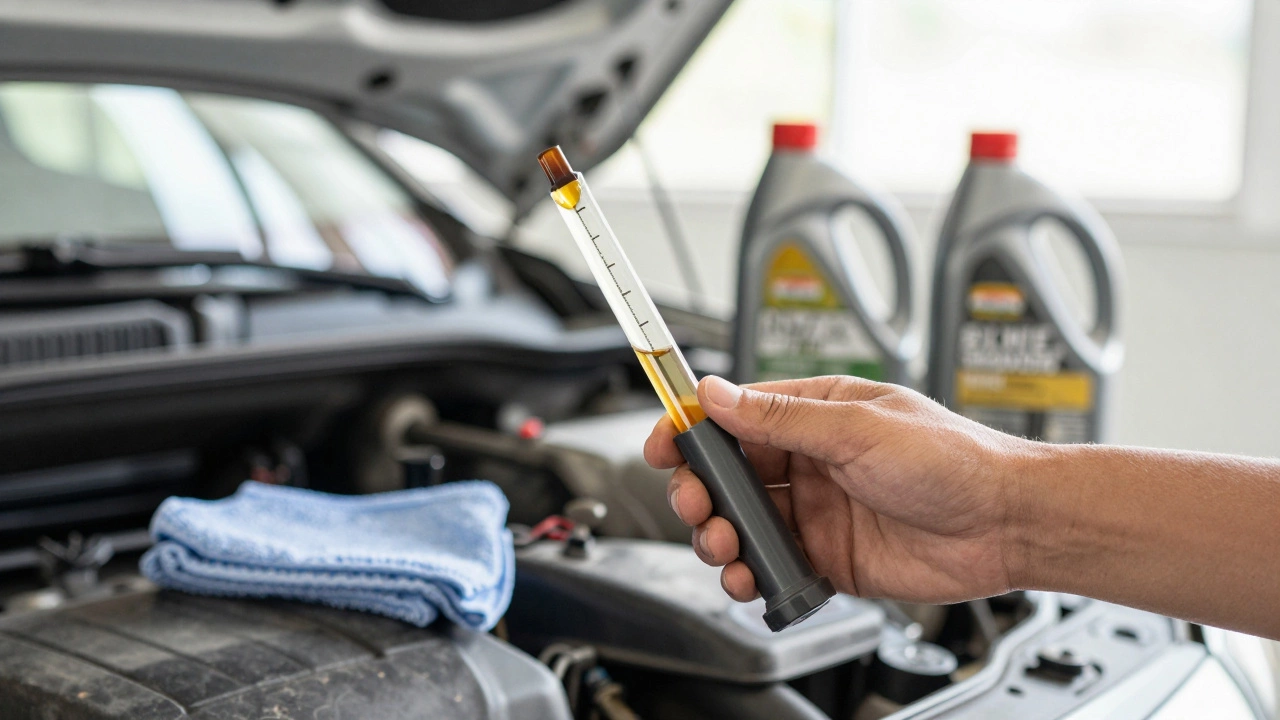
- Pull and Read: Look at the end. There are two marks: "Low" and "Full" (or cross-hatched area). The oil should be within the upper half of that zone. If it’s below the minimum mark, add oil immediately.
Note the color. Fresh oil is amber or light brown. Dark black oil isn’t necessarily bad-it means it’s doing its job cleaning contaminants. However, if it looks milky or frothy, you have a serious coolant leak into the oil system. Do not drive the car. Tow it.
Immediate Steps If You Discover Low Oil
You pull over, check the dipstick, and confirm it’s dangerously low. What now? Panic helps no one. Follow this protocol:
- Do Not Drive Further: Every mile adds wear. Turn off the engine immediately.
- Add Oil Cautiously: If you have a bottle of the correct viscosity (check your manual, e.g., 5W-30), add half a quart. Recheck the level. Repeat until it reaches the safe zone. Overfilling is also bad-it can cause foaming and reduced lubrication.
- Listen for Noise: After topping up, start the engine briefly. Listen for knocking. If the noise persists, turn it off. The damage may already be done.
- Tow to a Mechanic: Even if the noise stops, low oil indicates a leak or consumption issue. A professional inspection is mandatory to prevent recurrence.
Prevention: Making Oil Maintenance a Habit
Preventing low oil is simpler than fixing the aftermath. Modern engines are efficient, but they still consume small amounts of oil over time. Manufacturers recommend checking levels monthly. Set a reminder on your phone. Tie it to another habit, like filling up with fuel.
Stick to recommended oil change intervals. Synthetic oils last longer-up to 7,500-10,000 miles-but conventional oils degrade faster. Never exceed the manufacturer’s maximum interval. Also, use the exact viscosity grade specified in your owner’s manual. Using thicker oil in a cold climate can strain the pump; thinner oil in high heat may break down too quickly.
Finally, pay attention to your car’s behavior. A slight change in sound or performance is often the earliest indicator of trouble. Addressing it early costs pennies compared to the pounds spent on a rebuilt engine.
Can I drive my car if the oil light comes on?
No. The oil pressure warning light means lubrication is critically low or absent. Driving even a short distance can destroy your engine within minutes. Pull over safely and shut off the engine immediately.
How much oil should I add if it's low?
Add oil gradually, starting with half a quart (approx. 0.5 liters). Check the dipstick after each addition. Overfilling can cause foam and reduce oil effectiveness, leading to similar damage as low levels.
Is it better to top up oil or get a full change?
Topping up is an emergency fix only. If your oil is consistently low between changes, you have a leak or consumption issue. A full oil change removes contaminants, but it won't stop the underlying problem. Diagnose the root cause first.
What does blue smoke from the exhaust mean?
Blue smoke indicates burning oil. This usually happens when oil enters the combustion chamber due to worn piston rings, valve seals, or PCV valve failure. It confirms internal oil consumption rather than an external leak.
How often should I check my oil level?
Check your oil level once a month or before long trips. For older vehicles or those known to burn oil, check every two weeks. Regular monitoring prevents catastrophic failure by catching drops early.