Exhaust System Compatibility Calculator
Choose Your Vehicle Details
Why This Matches Your Needs
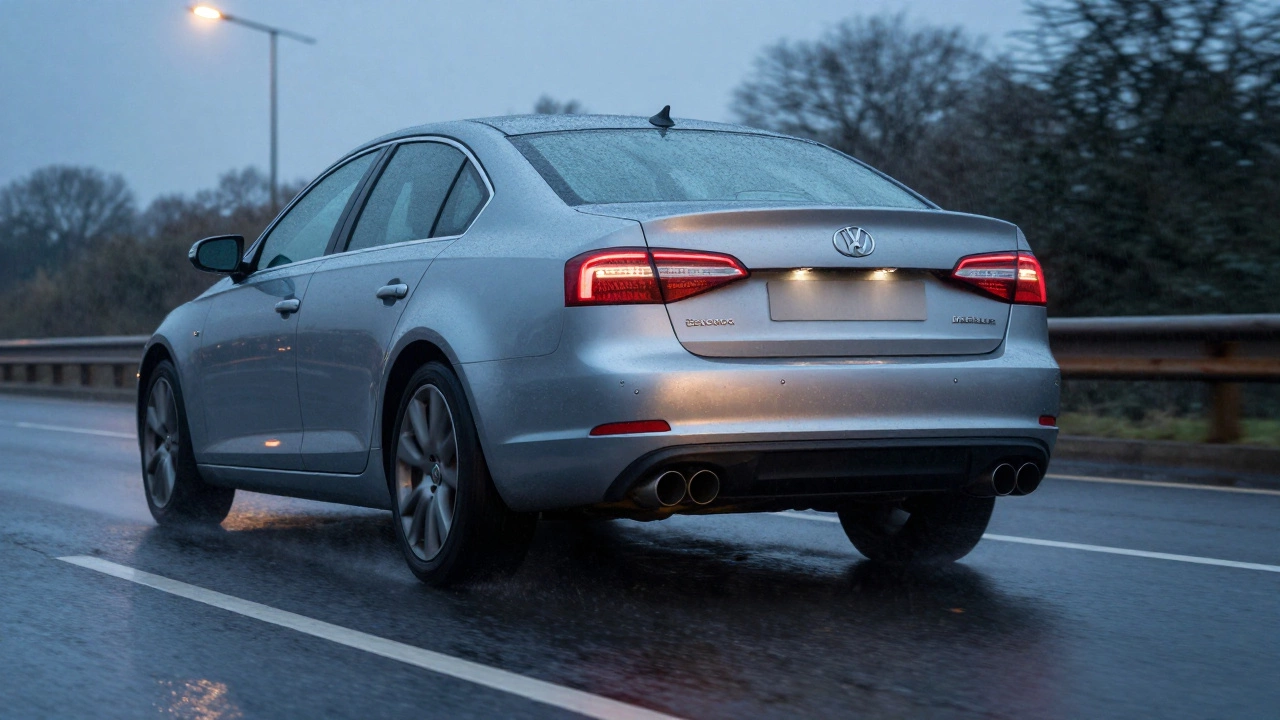
Choosing the right exhaust system isn’t about making your car sound like a fighter jet. It’s about matching the right setup to how you actually drive, where you live, and what you want from your car. Too many people buy a loud aftermarket system because it looks cool online, only to regret it when the drone on the M60 turns into a headache by week three. If you’re in Manchester and you’re thinking about swapping your exhaust, here’s what actually matters.
What Does Your Exhaust Actually Do?
Most people think the exhaust is just for noise. It’s not. The exhaust system moves hot gases away from the engine, reduces harmful emissions, and helps the engine breathe efficiently. A well-designed system can even improve power and fuel economy. The muffler cuts noise. The catalytic converter cleans fumes. The pipes guide flow. If one part fails or is replaced poorly, the whole system suffers.
Factory exhausts are built for balance: quiet enough for city driving, efficient enough to meet emissions rules, and durable enough to last 100,000 miles. Aftermarket systems change that balance. Some make it louder. Some make it lighter. Some make it faster. You need to pick which one fits your life.
Types of Exhaust Systems You Can Buy
There are three main types of exhaust upgrades available in the UK market:
- Full system - Replaces everything from the manifold to the tailpipe. Best for performance gains.
- Cat-back system - Replaces everything after the catalytic converter. Easiest to install, popular for sound and minor power gains.
- Axle-back system - Only replaces the rear section, from the rear axle to the tips. Least expensive, minimal performance change, mostly for looks and noise.
For most daily drivers in the UK, a cat-back system is the sweet spot. You get better flow, a deeper tone, and a slight power bump - without the risk of failing an MOT or annoying your neighbours. Full systems are for track days or tuned engines. Axle-backs are for people who just want the tips to look nicer.
Material Matters More Than You Think
The material your exhaust is made from decides how long it lasts and how much it costs. Here’s what you’ll find:
- Aluminised steel - Cheap, common on factory exhausts. Rusts in 3-5 years if you drive on salted roads in winter.
- Stainless steel (409) - Better rust resistance. Lasts 8-10 years. Most common in mid-range aftermarket systems.
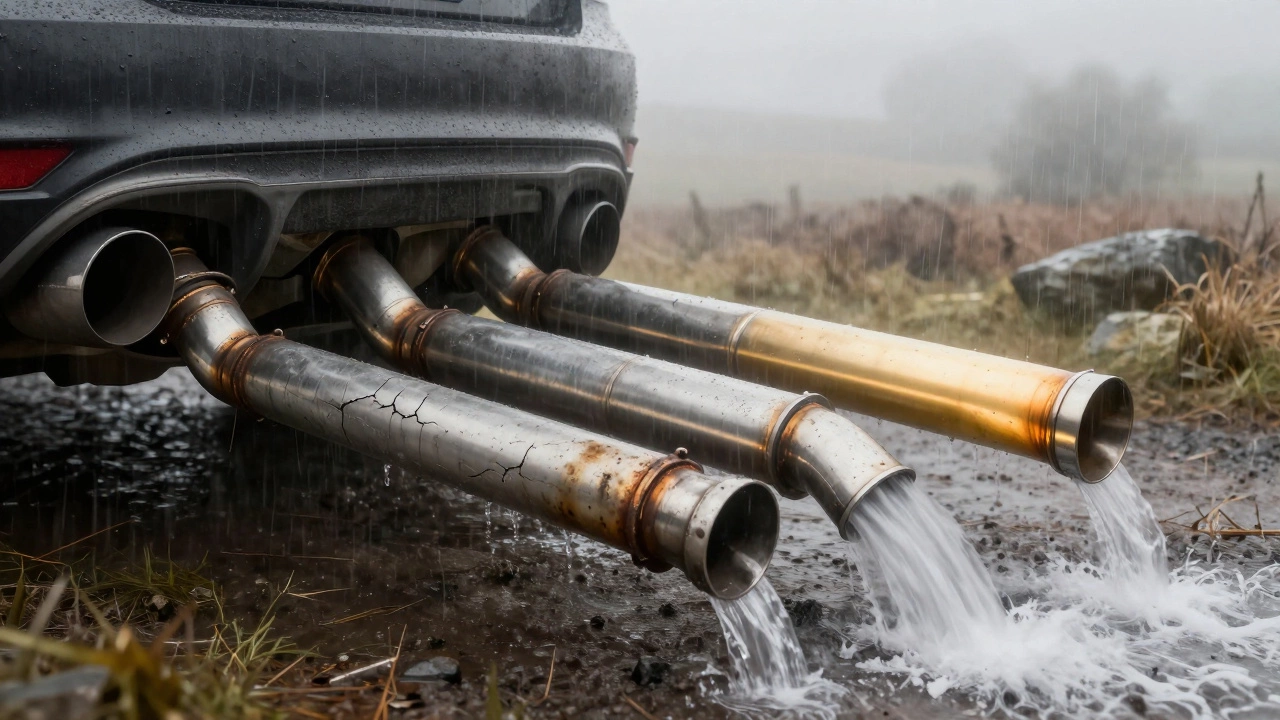
- Stainless steel (304) - Highest quality. Won’t rust even in Manchester’s damp climate. More expensive, but lasts 15+ years. Worth it if you plan to keep the car.
Don’t be fooled by chrome-plated tips. That’s just decoration. The real durability comes from what’s inside the pipes. If you’re spending over £500 on an exhaust, insist on 304 stainless. You’ll thank yourself in five years when your neighbour’s exhaust is rusting through and yours still looks new.
Sound: How Loud Is Too Loud?
Everyone wants a deeper growl. But in the UK, you can’t ignore noise regulations. The MOT test checks for excessive noise - and if your exhaust is louder than the original system, it will fail. There’s no official decibel limit, but testers use their judgment. A system that sounds like a sports car on idle? Likely to fail.
Look for systems labelled as “MOT-compliant” or “road legal”. Brands like Remus, Akrapovič, and Milltek offer models that are tuned for tone, not volume. A good cat-back system will give you a rich, throaty sound under acceleration, but stay quiet at cruising speeds. That’s the trick.
Test drives matter. If you can, find someone with the same system on a similar car. Drive behind them. Listen. Would you want that noise in your driveway at 7 a.m.?
Power Gains: Are They Real?
Yes, but don’t expect miracles. A cat-back system on a standard 2.0-litre petrol engine might give you 5-10 bhp - if the engine was already restricted by the factory exhaust. That’s barely noticeable unless you’re pushing hard. On a turbocharged car, gains can be higher, especially if you’ve already tuned the ECU.
Here’s the truth: most power gains come from better flow, not louder noise. A less restrictive exhaust lets the engine breathe easier, which reduces pumping losses. That means better throttle response and slightly better fuel economy - especially on motorway runs.
If you’re after real power, pairing your exhaust with a remap or air intake makes more difference than either alone. But if you’re just looking to upgrade one thing, go for the exhaust. It’s the easiest win.
Installation: Can You Do It Yourself?
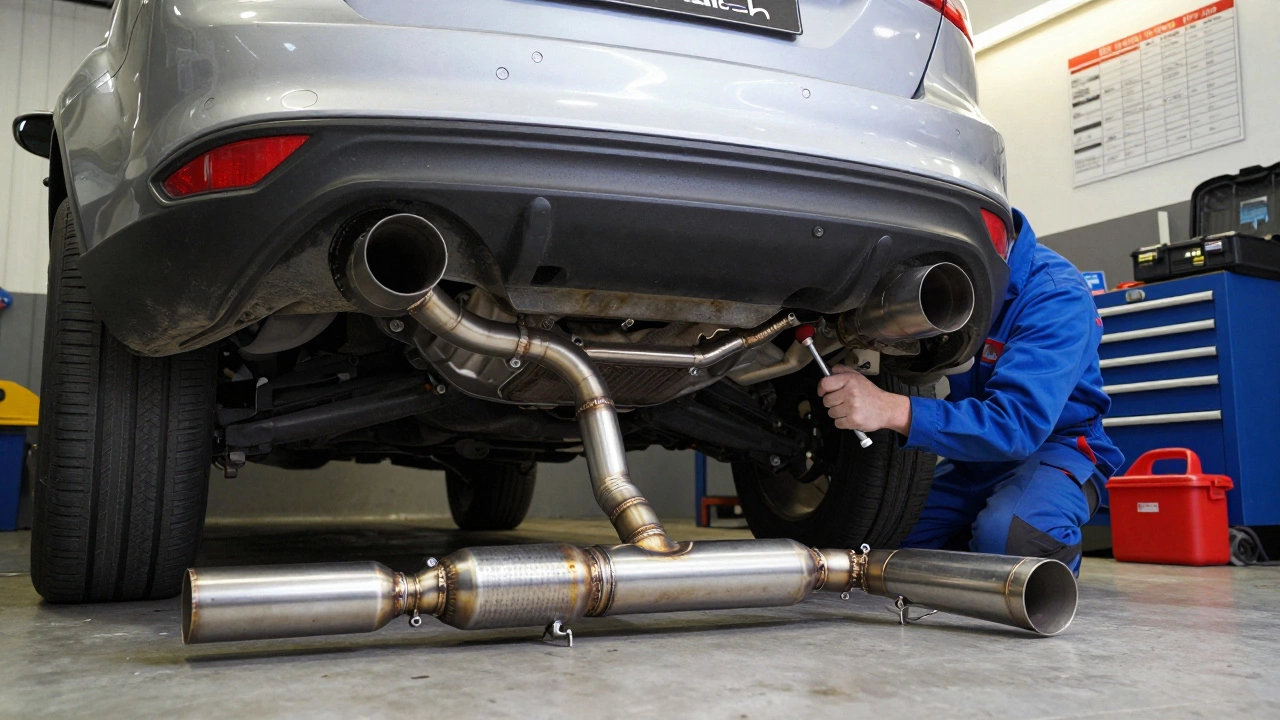
Replacing a cat-back system is doable for someone with basic tools and a jack. You’ll need socket wrenches, penetrating oil, safety gloves, and patience. Rusty bolts are the biggest enemy. Spend an hour spraying them with WD-40 the night before.
Full systems? Leave those to professionals. You’re dealing with the downpipe, oxygen sensors, and sometimes the catalytic converter. Mess that up, and you’ll trigger a check engine light or fail emissions.
Labour costs in Manchester range from £120-£250 depending on complexity. If you’re buying a £600 system, don’t risk botching the install. A professional will also check for leaks and ensure the hangers are correctly fitted. A loose exhaust can rattle, damage your fuel tank, or even catch fire.
What to Avoid
There are three big mistakes people make:
- Buying the cheapest system - You get what you pay for. Cheap exhausts rattle, rust, and sound tinny. They’re not worth the money.
- Going too loud - You’ll regret it. Not just because of the MOT. You’ll annoy your family, your neighbours, and yourself on long drives.
- Ignoring compatibility - Not every exhaust fits every car. Check the exact model year, engine type, and trim. A system made for a 2020 Ford Focus ST won’t fit a 2022 model with different mounting points.
Always check the manufacturer’s fitment guide. If they don’t list your exact car, walk away.
Top Picks for UK Drivers in 2026
Based on real-world feedback from UK owners and performance data:
| System | Type | Material | Sound Level | Price Range | Best For |
|---|---|---|---|---|---|
| Milltek Sport | Cat-back | 304 Stainless | Moderate | £600-£900 | Performance, durability, quiet cruising |
| Remus | Cat-back | 409 Stainless | Medium | £500-£750 | Value, good tone, MOT-compliant |
| Scorpion | Axle-back | 304 Stainless | Light | £350-£550 | Aesthetics, budget upgrade |
| Fast Lane (Budget) | Cat-back | Aluminised Steel | Loud | £250-£400 | Short-term use, temporary fix |
Milltek is the gold standard for UK drivers. It’s expensive, but it lasts, sounds great, and passes MOT every time. Remus is the best value. Scorpion is perfect if you just want a nicer look without a full system. Avoid Fast Lane unless you’re selling the car next year.
What If You Just Need a Repair?
Maybe you don’t want an upgrade. Maybe your exhaust is just rusted through. In that case, don’t overpay. A local exhaust specialist can cut out the bad section and weld in a replacement pipe. It’s often cheaper than replacing the whole system - and just as effective.
Ask for a quote for a section repair before agreeing to a full replacement. Many garages push full systems to make more profit. You don’t always need one.
Final Advice
Don’t buy an exhaust because it looks cool on YouTube. Buy it because it fits your driving habits, your budget, and your climate. If you commute in rain and salt, go for 304 stainless. If you want a deep sound without the drone, pick a well-tuned cat-back. If you’re on a tight budget, fix what’s broken - don’t upgrade until you’re ready.
The best exhaust system is the one you don’t notice. It works quietly, lasts years, and doesn’t get you fined. That’s the real win.
Will a new exhaust improve my fuel economy?
Yes, slightly - if your old exhaust was clogged or restrictive. A free-flowing system reduces engine backpressure, which means the engine doesn’t have to work as hard to push exhaust gases out. That can improve fuel efficiency by 2-5%, especially on long motorway trips. But don’t expect big savings on a standard car with just a cat-back system. The biggest gains come when you combine the exhaust with other mods like a remap or cold air intake.
Can I pass an MOT with an aftermarket exhaust?
Yes, but only if it’s designed to be road legal. The MOT inspector checks for excessive noise, visible damage, and whether the catalytic converter is still present and functioning. If your aftermarket system removes the catalytic converter or is louder than the original, you’ll fail. Stick to systems labelled as MOT-compliant. Brands like Milltek and Remus test their products to meet UK standards. Avoid cheap no-name systems - they often cut corners on emissions control.
What’s the difference between 409 and 304 stainless steel?
409 stainless is cheaper and resists rust reasonably well, but it can still corrode over time, especially in damp, salty environments like the UK. 304 stainless is higher grade, contains more nickel and chromium, and is nearly immune to rust. It’s what professional race teams and high-end manufacturers use. For a daily driver in Manchester, 304 is the only choice if you want your exhaust to last more than five years without looking like a rust bucket.
Do I need to remap my ECU after installing a new exhaust?
Not always. A cat-back system usually doesn’t require a remap because it doesn’t change the engine’s air-fuel ratio or timing. The ECU can adapt to minor changes in exhaust flow. But if you’ve installed a full system, especially with a high-flow catalytic converter or de-cat pipe, then yes - a remap is strongly recommended. Otherwise, your car might run lean, trigger error codes, or lose power. Always check with the exhaust manufacturer’s recommendations.
How long does an exhaust system last?
Factory exhausts last about 8-10 years under normal conditions. Aftermarket systems vary. Aluminised steel lasts 3-5 years. 409 stainless lasts 8-12 years. 304 stainless can last 15+ years. Your driving habits matter too. Short trips in damp weather cause more condensation and rust than long motorway runs. If you drive 15,000 miles a year on dry roads, your exhaust will outlive your car. If you’re mostly in the city with frequent short journeys, expect to replace it sooner.