Air Filter Value & Lifespan Estimator
Annual Projection
Estimated Annual Savings
$0.00
Before we get into the weeds, here is the short version: pleated air filters are almost always the superior choice for performance and longevity because they offer way more surface area. Flat filters are cheap and fine for very basic needs, but they clog quickly. If you want better protection and fewer replacements, go with the pleats.
The Basics of Air Filtration
To understand the fight between these two, we need to look at what a filter actually does. Whether it's in a car or a furnace, the goal is to stop particles while letting air pass. Air Filtration is the process of removing particulate matter from an air stream using a porous medium. The efficiency of this process depends on two main things: the quality of the material and the total surface area available to catch debris.
Imagine trying to push a crowd of people through a single door versus ten doors. The single door (the flat filter) creates a bottleneck. People (air) have to squeeze through, and the doorway gets blocked quickly by anyone standing still (dust). Ten doors (the pleated filter) allow the crowd to flow smoothly, and even if one door gets blocked, there are nine others to handle the load.
What are Flat Air Filters?
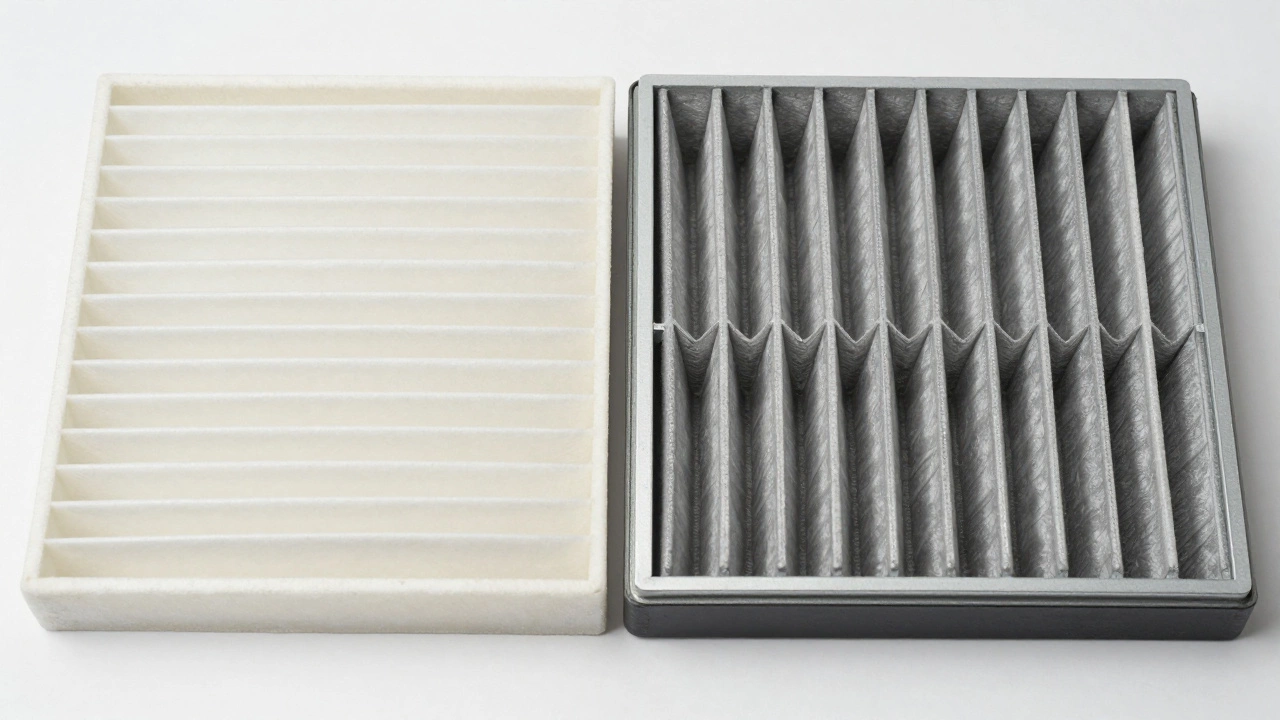
Flat Air Filters are filtration devices consisting of a single layer of filtering material, such as fiberglass or foam, stretched across a frame without any folds. These are the old-school, basic options. You'll often find them in very old machinery or as the cheapest possible option in home hardware stores.
The main appeal of a flat filter is cost. They are incredibly cheap to manufacture. However, because they have the minimum possible surface area, they suffer from high pressure drop. This means the air has to push harder to get through the material. In an engine, this can lead to a richer fuel mixture and lower efficiency. In a home, it puts extra strain on the blower motor, which can lead to a premature burnout.
Flat filters are also prone to "channeling." This happens when a specific spot in the filter becomes clogged, forcing all the air through the remaining open areas. This increases the velocity of the air in those open spots, which can actually push smaller dust particles right through the medium and into your expensive components.
The Engineering Behind Pleated Air Filters
Pleated Air Filters are filters where the filtration media is folded into a zig-zag or accordion pattern to maximize the surface area within a fixed frame size. By folding the material, manufacturers can fit several square feet of fabric into a space that would only hold a few square inches if it were flat.
This design solves the bottleneck problem. Because there is so much more material, the "dirt-holding capacity" is exponentially higher. A pleated filter can trap significantly more dust, pollen, and soot before it becomes restricted. This is why you can go months longer between changes compared to a flat version.
More surface area also means lower resistance. Your HVAC System or engine intake doesn't have to fight as hard to pull air. This results in better fuel economy for cars and lower electricity costs for home heating and cooling. In professional settings, this is measured as a lower "initial pressure drop," which is a fancy way of saying the air moves through it more easily.

Direct Comparison: Performance and Value
When deciding between the two, you have to weigh the upfront cost against the long-term operational cost. While a flat filter might save you a few dollars at the checkout, the hidden costs are in the energy efficiency and the frequency of replacements.
| Feature | Flat Air Filter | Pleated Air Filter |
|---|---|---|
| Surface Area | Low (Single layer) | High (Folded layers) |
| Dirt Capacity | Low - Clogs quickly | High - Lasts longer |
| Airflow Resistance | High (Higher pressure drop) | Low (Easier airflow) |
| Filtration Quality | Basic / Low Efficiency | Advanced / High Efficiency |
| Replacement Frequency | Very Frequent | Infrequent |
| Price | Very Cheap | Moderate |
When to Use Which?
It is rare that a flat filter is the "better" choice for performance, but there are specific scenarios where they make sense. If you are dealing with a temporary setup or a machine that is only used in a surgically clean environment, a flat filter is a cheap way to keep out large debris.
For almost everything else, pleats are the way to go. If you live in a dusty area or have pets that shed, a pleated filter is a necessity. Without those folds, the hair and dander would coat the surface of a flat filter in days, effectively sealing off your airflow and potentially causing your system to overheat.
In the automotive world, the move toward High-Flow Air Filters is essentially an evolution of the pleated design. By using specialized materials like cotton gauze or synthetic blends in a pleated configuration, performance cars can maximize air intake without sacrificing engine protection.
Common Pitfalls to Avoid
A big mistake people make with pleated filters is thinking that "more pleats always equals better." While more surface area is good, the density of the material matters too. If you buy a filter with a very high MERV Rating (Minimum Efficiency Reporting Value), the material is tighter. If the filter isn't pleated deeply enough, a high MERV rating can actually restrict airflow more than a cheap flat filter would. You need to balance the filtration level with the capacity of your blower motor.
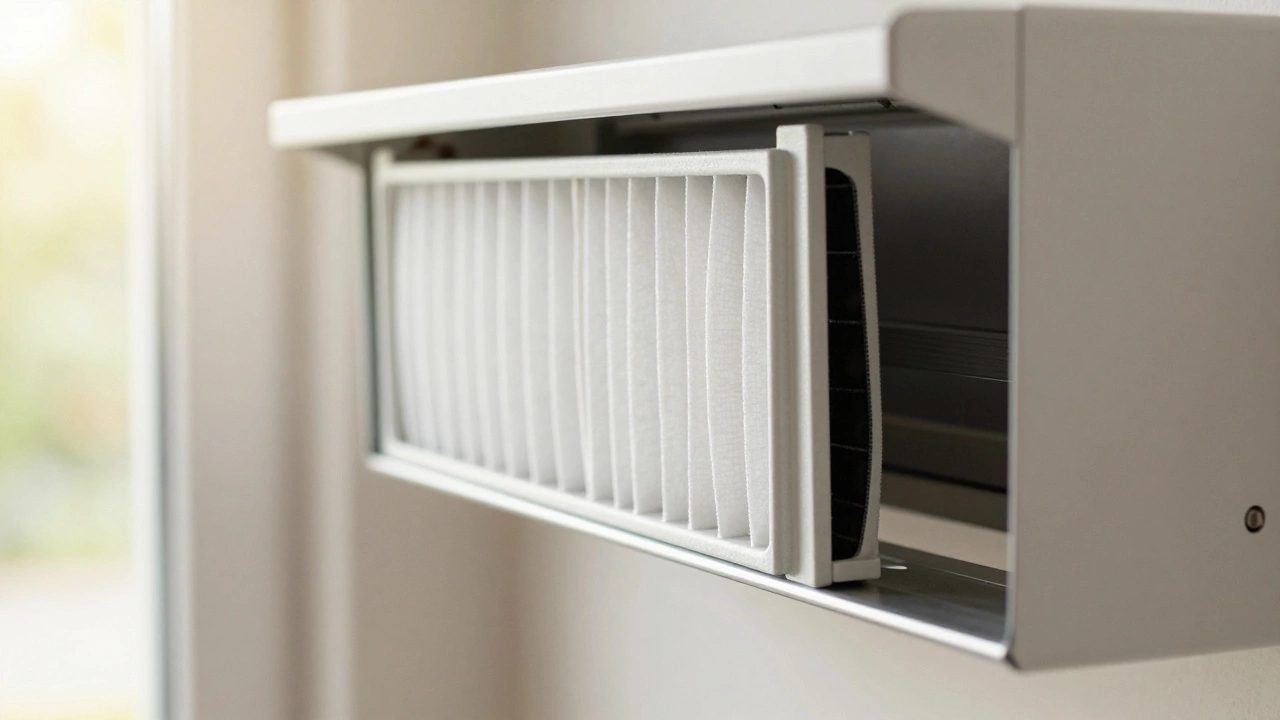
Another common error is failing to seal the edges. Because pleated filters are often more expensive and intended for higher performance, people sometimes try to "stretch" their use by not fitting them properly. If there is a gap around the frame, air will take the path of least resistance. It will bypass the pleats entirely and suck raw, dirty air straight into your system. This is called "bypass," and it makes the most expensive pleated filter as useless as no filter at all.
The Environmental and Cost Impact
If we look at the lifecycle of these filters, pleated versions are often the greener choice. Because they last longer, you throw fewer filters into the landfill over a decade. Furthermore, the reduction in strain on your Blower Motor means less electricity is consumed and the motor itself lasts longer. Replacing a motor every five years because it was overworked by restrictive flat filters is a far more expensive prospect than spending an extra ten dollars on a quality pleated filter every few months.
Do pleated filters restrict airflow more than flat ones?
Actually, it's the opposite. Because pleated filters have a much larger surface area, they allow air to pass through more easily. A flat filter becomes a wall of debris much faster, which increases resistance and forces your system to work harder to pull air through.
How often should I replace a pleated filter versus a flat one?
Flat filters often need replacing every few weeks in dusty environments because they saturate quickly. Pleated filters typically last 1 to 3 months depending on the MERV rating and the environment. Always check the filter visually; if it looks grey or brown, it's time for a change regardless of the schedule.
Can I use a flat filter in a system designed for pleated ones?
Yes, as long as the dimensions fit the frame. However, you will likely notice a drop in airflow and a faster buildup of dust. You'll be trading long-term efficiency for a lower upfront cost, and you'll have to change the filter much more frequently to avoid damaging your equipment.
What is a MERV rating and why does it matter for pleated filters?
MERV stands for Minimum Efficiency Reporting Value. It measures how well a filter traps small particles. A MERV 8 filter is great for dust and lint, while a MERV 13 can trap bacteria and smoke. Pleated designs are essential for high MERV ratings because the dense material would be too restrictive if it were just a flat sheet.
Are pleated filters better for allergies?
Absolutely. Because they use more sophisticated materials and have more surface area to capture particles without clogging, they are far more effective at removing pollen, pet dander, and mold spores from the air than basic flat filters.
Next Steps for Maintenance
If you are currently using flat filters, the best move is to switch to a pleated version during your next maintenance cycle. Check your equipment manual to see the maximum pressure drop your system can handle so you don't pick a MERV rating that is too high. If you notice your system is making a whistling sound or the air coming out of the vents feels weak, check your filter immediately; you might have a clogged filter that is starving your system of air.