Spark Plug Maintenance & Cost Estimator
1. Maintenance Schedule
2. Fuel Waste Estimator
Worn plugs can reduce fuel economy by 10-15%.
Key Takeaways for Your Engine's Health
- Worn plugs cause engine misfires, leading to rough idling and power loss.
- Ignoring replacements kills your fuel economy and increases emissions.
- Old plugs can permanently damage your ignition coils and catalytic converter.
- Modern iridium plugs last longer but still require checking based on manufacturer specs.
The Slow Slide into Engine Misfires
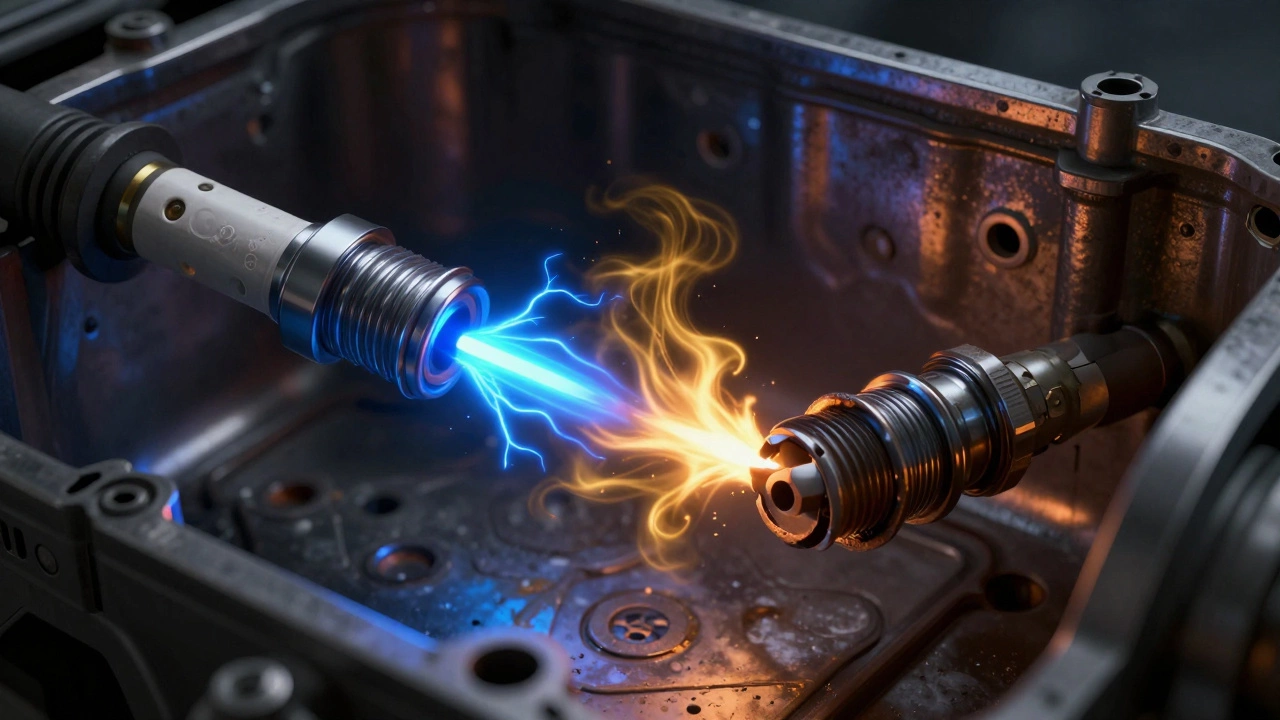
When you first install a new set of plugs, the gap between the center and side electrode is precise. This gap allows a clean, hot spark to jump across and ignite the fuel. Over thousands of miles, this gap grows. Carbon deposits build up, and the metal actually erodes.
Eventually, the spark becomes weak or disappears entirely. This leads to a misfire, where the fuel in that specific cylinder doesn't burn. You'll feel this as a shudder or a "stumble" during acceleration. If you're unlucky, you'll see the Check Engine light pop up on your dashboard. The real danger is that a misfire doesn't just make the ride uncomfortable; it sends raw, unburnt fuel straight through your exhaust system.
Why Your Wallet Suffers at the Pump
Ever notice your fuel gauge dropping faster than usual? Worn plugs are a common culprit. When the spark is inconsistent, the engine cannot burn the fuel efficiently. Instead of a clean explosion that pushes the piston down, you get a partial burn.
To compensate for the lack of power, you naturally press the pedal harder. This forces the Engine Control Unit (ECU) to dump more fuel into the cylinders to keep the car moving. You're essentially throwing petrol out the tailpipe. In a real-world scenario, an engine with fouled plugs can see a drop in fuel efficiency of 10% to 15%, which adds up to hundreds of pounds over a year of commuting.
The Domino Effect: How Cheap Neglect Becomes Expensive Repair
The spark plug is the cheapest part of your ignition system, but it can kill the most expensive ones. Let's look at the Ignition Coil. This component is responsible for stepping up the battery's low voltage to the thousands of volts needed for a spark. If the spark plug is worn and the gap is too wide, the coil has to work much harder to jump that gap. This extra strain generates heat and can eventually burn out the coil's internal windings. Replacing a set of plugs costs a fraction of what a full set of coils costs.
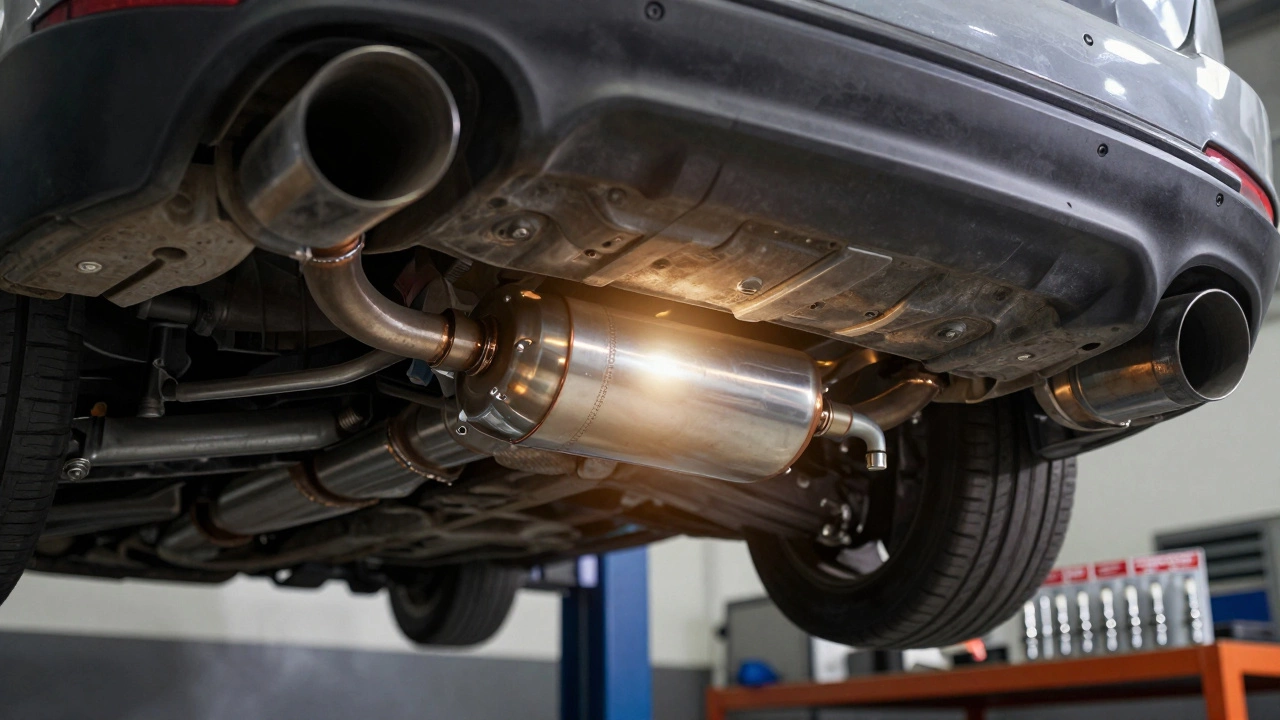
Even worse is the impact on the Catalytic Converter. Remember that unburnt fuel we mentioned? It travels down the exhaust and hits the catalyst, which is designed to handle exhaust gases, not liquid fuel. The fuel ignites inside the converter, causing the internal ceramic honeycomb to melt. At that point, you're looking at a repair bill that could easily hit four figures.
| Material | Average Lifespan | Durability | Best For... |
|---|---|---|---|
| Copper | 15,000 - 30,000 miles | Low | High-performance racing |
| Platinum | 40,000 - 60,000 miles | Medium | Standard daily drivers |
| Iridium | 60,000 - 100,000 miles | High | Long-term reliability |
Warning Signs You Can't Ignore
Your car will usually tell you the plugs are dying long before it leaves you stranded. The first sign is often a rough idle. While sitting at a red light, if the steering wheel vibrates or the engine feels like it's about to stall, your plugs are likely fouled.
Another telltale sign is "hard starting." If you have to crank the engine longer than usual on a cold morning, it's often because the plugs aren't sparking efficiently enough to ignite the cold fuel mixture. You might also notice a smell of raw petrol around the car after a short trip, which indicates incomplete combustion.
The Difference Between Fouling and Wearing
Not all spark plug failure is caused by age. Some plugs suffer from Fouling. This happens when deposits build up on the tip, blocking the spark.
- Carbon Fouling: Caused by rich fuel mixtures or short trips where the engine never reaches operating temperature. It looks like a dry, black sooty layer.
- Oil Fouling: Happens when oil leaks past the piston rings and coats the plug. This looks like a wet, glossy black coating.
- Ash Fouling: Caused by low-quality fuel or oil additives. It leaves a crusty, grayish-white deposit.
If you're changing your plugs and find they are fouled before their mileage limit, don't just put in new ones. Fouling is a symptom of a bigger problem, like a leaking valve seal or a faulty fuel injector. If you ignore the root cause, your new plugs will be ruined in a few hundred miles.
How to Properly Handle Your Replacement
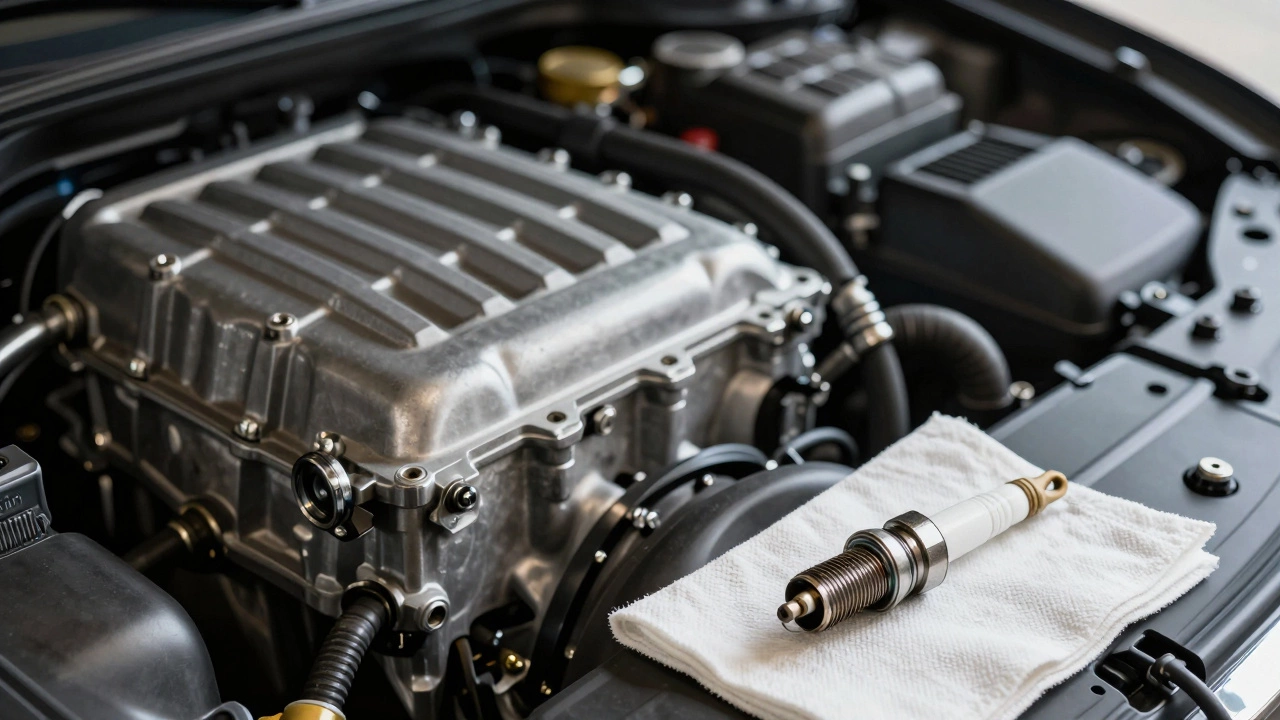
If you're doing this yourself, don't just screw the new plugs in as hard as you can. Many modern engines use aluminum heads, and over-tightening can strip the threads, which is a nightmare to fix. Use a torque wrench and follow the manufacturer's specific foot-pound (ft-lb) or Newton-meter (Nm) rating.
Also, check the Spark Plug Wires or boots. If the rubber is cracked or brittle, the electricity might leak out before it even reaches the plug. Replacing the plugs without checking the wires is like putting a new lightbulb in a lamp with a frayed cord; it might work, but it's not reliable.
Can I just replace one spark plug if only one cylinder is misfiring?
It is strongly recommended to replace them in sets. Spark plugs wear at roughly the same rate. If one has failed, the others are likely close behind. Mixing a brand-new plug with old ones can cause the engine to run unevenly, which might affect your fuel trim and emissions.
Will new spark plugs give my car more horsepower?
Not exactly. New plugs won't add horsepower beyond what the engine was designed for, but they will restore the power you've lost due to wear. If your current plugs are fouled, you'll certainly feel a significant jump in acceleration and responsiveness.
What is the danger of using the wrong spark plug?
Using a plug with the wrong heat range can be catastrophic. A plug that's too hot can cause pre-ignition (knocking), which can melt a hole right through your piston. A plug that's too cold will foul quickly because it can't burn off deposits, leading to frequent misfires.
How often should I actually change them?
Check your owner's manual. While old copper plugs needed changing every 30k miles, modern iridium plugs can often go 100k miles. However, if you do a lot of city driving or short trips, you should inspect them more frequently as carbon buildup happens faster in those conditions.
Does a spark plug gap really matter?
Yes, absolutely. If the gap is too small, the spark is too weak to ignite the fuel properly. If it's too large, the spark may not jump the gap at all, especially under high load. Most modern plugs come pre-gapped, but it's always smart to double-check with a feeler gauge before installation.
Next Steps for Car Owners
If you're unsure about your current plugs, start by checking your service history. If you've hit the mileage limit and haven't seen a mechanic, get a diagnostic check. For those who prefer DIY, invest in a quality socket set and a gap tool.
If you've already noticed a misfire, don't wait. A quick plug change today can save you from a total engine overhaul or a ruined exhaust system tomorrow. Keep an eye on your fuel consumption-if it suddenly spikes, the plugs should be your first point of investigation.