Fuel Pump Failure Risk Calculator
Assess Your Fuel Pump Risk
Enter your driving habits to calculate your risk of fuel pump failure based on the article's guidance
Your Fuel Pump Risk Assessment
What this means
Recommended actions:
- ✔ Keep fuel tank above 1/4 full
- ✔ Use reputable fuel stations
- ✔ Replace fuel filter every 30,000 miles
- ✔ Use fuel system cleaner every 10,000 miles
- ✔ Address engine sputtering immediately
When your car sputters on the highway or refuses to start after sitting overnight, the problem might not be the battery or the spark plugs-it could be the fuel pump. Most drivers never think about it until it fails. But understanding what a fuel pump does can save you time, money, and a lot of frustration.
Why the fuel pump matters
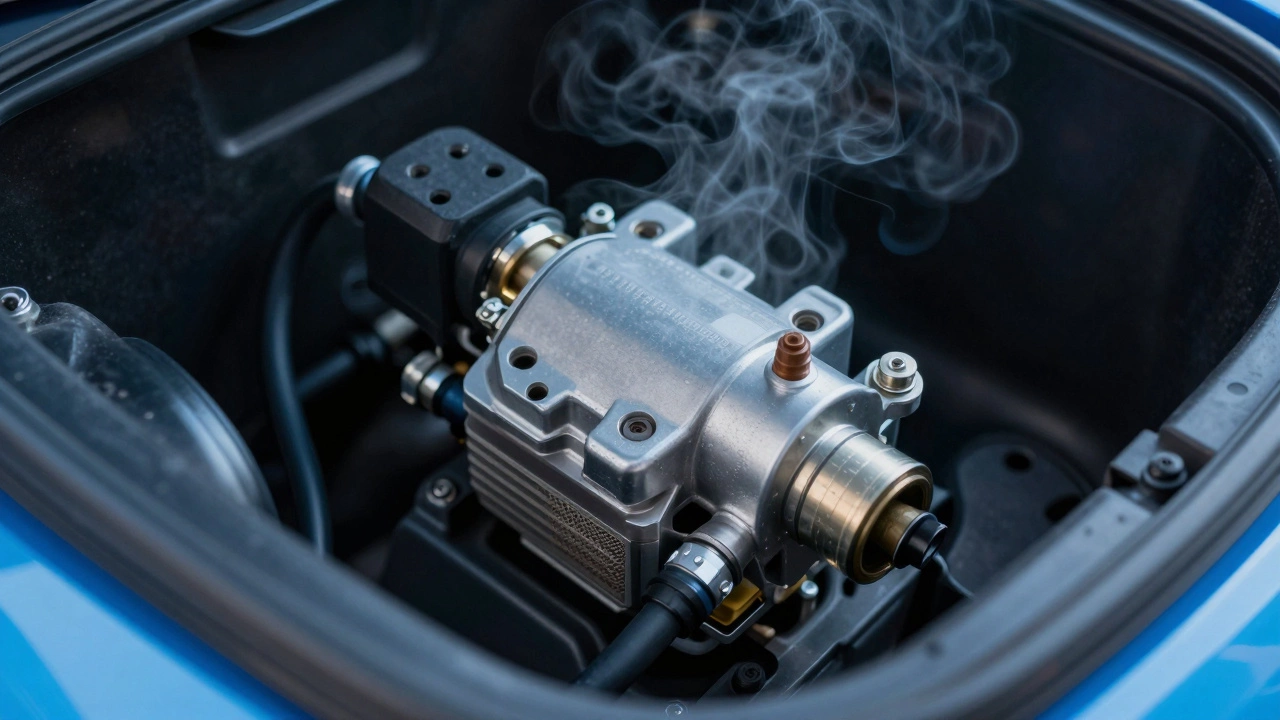
The fuel pump is the heart of your car’s fuel system. Without it, gasoline can’t move from the tank to the engine. It’s not just a simple device that pushes fuel-it’s a precision component that maintains the right pressure and flow for your engine to run smoothly. Modern fuel pumps work at pressures between 30 and 60 psi, depending on the vehicle. That’s enough to push fuel through narrow injectors and keep the engine fed even during hard acceleration or uphill climbs.
Older cars used mechanical fuel pumps, driven by the engine’s camshaft. These were simple and reliable but limited in pressure and flow. Today, nearly all cars use electric fuel pumps located inside the fuel tank. This design keeps the pump cool, reduces vapor lock, and allows for better control over fuel delivery.
How a fuel pump works
When you turn the key, the fuel pump doesn’t wait for the engine to start-it kicks in right away. A small electrical signal from the car’s computer activates the pump. It draws fuel from the tank through a filter, then pushes it up through lines to the engine bay. From there, the fuel reaches the injectors, which spray it into the combustion chamber in precise bursts.
The pump doesn’t just push fuel-it regulates pressure. Too little pressure, and the engine runs lean, causing misfires and poor performance. Too much pressure, and the engine floods, wasting fuel and risking damage. The fuel pressure regulator, usually near the fuel rail, keeps everything balanced. If the pump can’t maintain pressure, the engine won’t run properly.
Signs your fuel pump is failing
Fuel pumps don’t usually fail with a loud bang. They fade slowly. Here’s what to watch for:
- Engine sputtering at high speeds-especially on the motorway. This happens when the pump can’t keep up with demand.
- Difficulty starting-if you have to turn the key multiple times before the engine catches, the pump may be losing pressure.
- Loss of power under load-climbing hills or accelerating hard feels sluggish, even with a full tank.
- Whining noise from the fuel tank-a loud, high-pitched hum when the car is running is often a sign the pump’s bearings are wearing out.
- Engine stalling-especially after the car has warmed up. A failing pump may work fine when cold but collapse under heat stress.
These symptoms can mimic other problems-bad injectors, a clogged filter, or a faulty sensor. But if you’ve ruled those out, the fuel pump is the next likely culprit.
What happens if the fuel pump dies completely
If the fuel pump stops working, your car won’t start. No fuel means no combustion. You might hear the engine turn over, but it won’t catch. There’s no warning light on the dashboard specifically for a failing fuel pump, so drivers often assume it’s the battery or starter motor.
Some cars have a fuel pump relay that can fail first. That’s cheaper and easier to replace than the pump itself. If your car won’t start and you hear no hum from the rear when you turn the key, the relay is a good first check. Swap it with another relay (like the horn or AC relay) to test it.
Fuel pump lifespan and maintenance
Most electric fuel pumps last between 100,000 and 150,000 miles. But that’s not a guarantee. Many fail earlier due to poor maintenance habits:
- Running the tank low-fuel cools the pump. When the tank is nearly empty, the pump runs hotter and wears out faster.
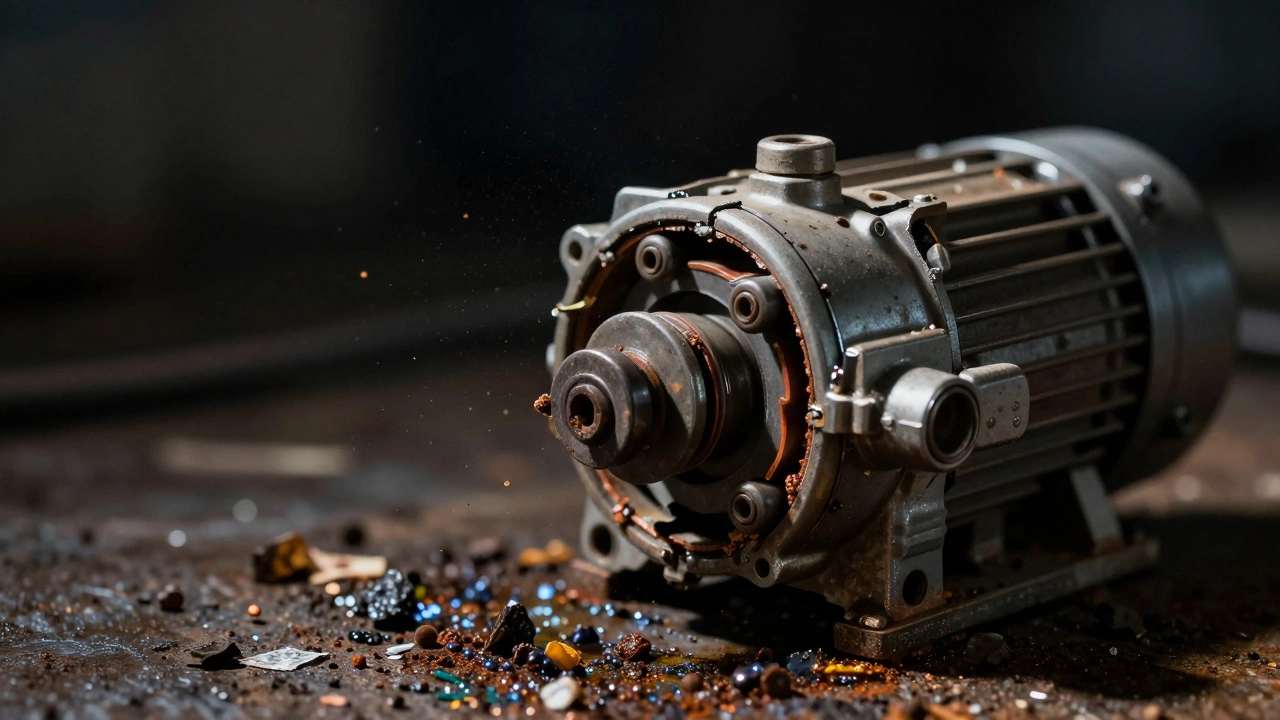
- Dirty fuel-contaminants like water, rust, or debris clog the pump’s intake screen and force it to work harder.
- Low-quality fuel-fuel with too many additives or poor detergents can leave deposits that stick to the pump’s internal parts.
There’s no scheduled replacement for fuel pumps. But if you’re replacing the fuel filter or working on the fuel system, it’s smart to inspect the pump’s condition. A quick pressure test with a gauge can tell you if it’s still delivering enough flow.
Replacement and cost
Replacing a fuel pump isn’t a weekend DIY job for most people. The pump is inside the fuel tank, so the tank often has to be dropped. That takes time, special tools, and safety precautions-fuel vapors are dangerous.
Parts alone cost between £150 and £400, depending on the car. Labor adds another £200 to £500. High-end vehicles or those with complex tank designs (like some SUVs) can cost over £800 total. If your car is older and the pump is failing, it’s worth asking if the tank needs cleaning or if the fuel lines are corroded. Replacing the pump without fixing the root cause means you’ll likely need another one soon.
Always buy a pump from a reputable brand-Bosch, Denso, or Delphi. Cheap aftermarket pumps often fail within months. They may look identical, but the motor windings, impeller quality, and seal materials aren’t built to last.
What to do if you suspect a bad fuel pump
Don’t guess. Test it. A mechanic can connect a fuel pressure gauge to the fuel rail and check if pressure drops under load. If it does, the pump is likely the issue. Some modern cars have diagnostic trouble codes (DTCs) like P0190 or P0087 that point to fuel pressure problems. But these codes can also be triggered by a clogged filter or faulty sensor, so don’t assume the pump is bad just because a code appeared.
If you’re driving and the engine suddenly dies, pull over safely. Let the car cool for 10 minutes, then try restarting. Sometimes a failing pump will work again after cooling down. That’s a classic sign it’s on its way out.
Preventing fuel pump failure
You can’t make a fuel pump last forever, but you can give it the best chance:
- Never let your tank drop below a quarter full. Keep it topped up, especially on long trips.
- Use fuel from reputable stations. Avoid the cheapest brands-they often have more contaminants.
- Replace the fuel filter every 30,000 to 50,000 miles, even if the manual says longer. A clean filter reduces strain on the pump.
- Use a fuel system cleaner every 10,000 miles. Products with PEA (polyether amine) help dissolve deposits without harming the pump.
- Don’t ignore warning signs. A faint whine or hard start isn’t normal. Get it checked before you’re stranded.
A good fuel pump doesn’t make noise. It doesn’t draw attention. It just works. That’s why most people don’t think about it-until it stops.