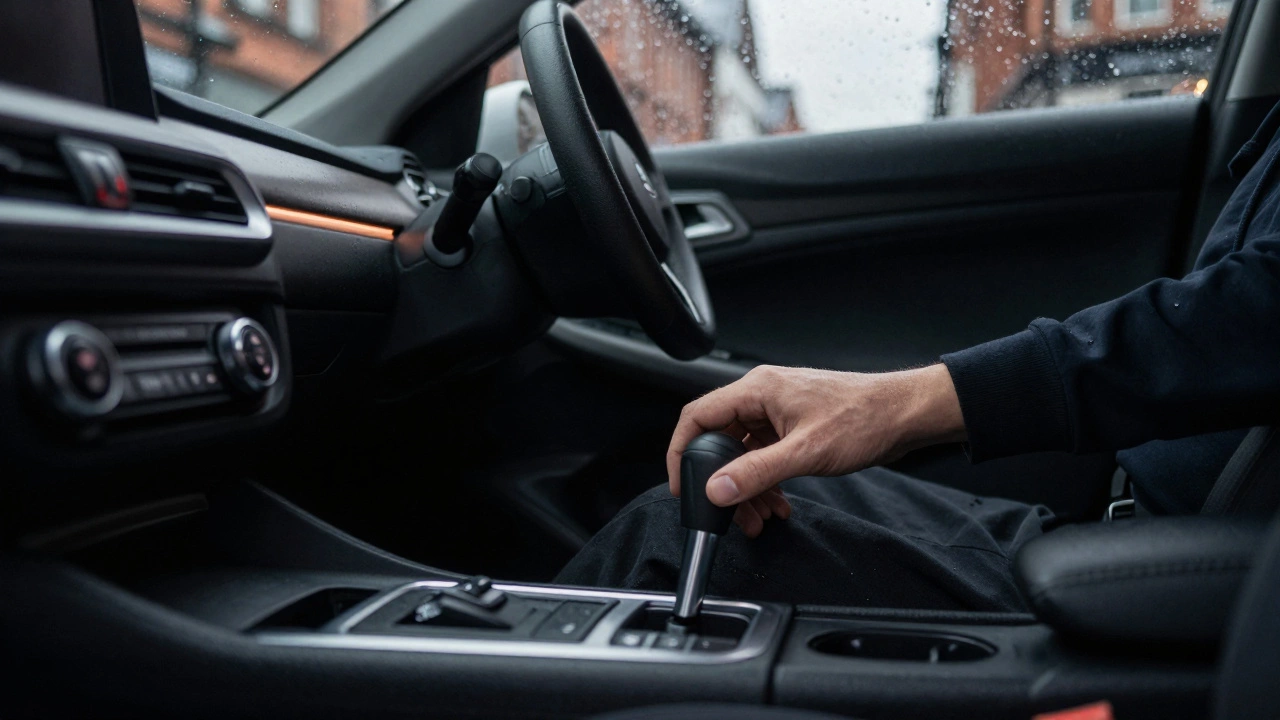
Clutch Health Diagnostic Tool
What symptoms are you experiencing?
Select all that apply
Engine Revs Rise Without Speed
RPMs climb but acceleration is weak or non-existent.
Spongy Pedal Feel
Pedal goes to floor with little resistance or feedback.
Stiff or Sticking Pedal
Hard to press down or doesn't return up quickly.
Noise When Pressing
Whining, squealing, or grinding when pedal is depressed.
Difficulty Shifting Gears
Grinding gears or lever feels resistant/clunky.
Burning Smell
Acrid odor like burnt toast or hot brakes.
Vibration/Shuddering
Shudder when pulling away from a standstill.
Tell us more about the situation
Diagnostic Assessment
Your car feels different. Maybe it’s a subtle shudder when you pull away from traffic lights, or perhaps the engine revs are climbing higher than usual without the speedometer keeping up. These aren’t just quirks of an aging vehicle; they are often the first whispers of a failing transmission clutch, which is the mechanical component that engages and disengages the engine from the gearbox to allow gear changes. Ignoring these signs can turn a manageable repair into a catastrophic breakdown on the side of the M60.
Diagnosing clutch trouble doesn't require a degree in automotive engineering, but it does require paying attention to how your car behaves under specific conditions. Whether you drive a manual Ford Focus in Manchester or a vintage Land Rover in the countryside, recognizing the early warning signs saves money and prevents being stranded. Let’s break down exactly what to look for, hear, and feel.
The Slipping Sensation: When Power Disconnects
The most common symptom of a worn clutch is slipping. Imagine you’re driving up a steep hill in third gear. You press the accelerator, expecting the car to surge forward. Instead, the engine noise rises sharply-the RPMs climb-but the car barely accelerates. This is the classic "slip."
This happens because the friction material on the clutch disc has worn down. The disc can no longer grip the flywheel tightly enough to transfer all the engine's power to the wheels. It’s like trying to hold a wet bar of soap; your fingers slide over it instead of gripping it firmly. If this happens only at high speeds or under heavy load, the clutch might have some life left. If it slips even during normal city driving, the clutch disc is likely severely worn and requires immediate replacement.
To test this yourself, try shifting into a higher gear (like fourth) at a low speed (around 20-30 mph). Gently release the clutch pedal while pressing the accelerator. If the car jerks violently or stalls immediately, the clutch is healthy. If the engine just revs freely without moving the car much, you have a slip.
The Spongy or Sticking Pedal Feel
Pay close attention to the footwork. The clutch pedal should have a consistent, firm resistance. If it feels spongy, soft, or goes all the way to the floor with little feedback, there could be air in the hydraulic system or a leak in the master or slave cylinder.
Conversely, if the pedal feels stiff, sticky, or doesn’t return to its original position quickly after you lift your foot, the problem might be mechanical. A broken return spring or a misaligned linkage can cause the clutch to drag. Dragging means the clutch isn’t fully disengaging, making it hard to shift gears and causing premature wear. In my experience working with various manual vehicles, a pedal that sticks halfway down is often a sign that the throw-out bearing is seizing.
Unusual Noises: Grinding, Squealing, and Chirping
A healthy clutch is quiet. Any new noise coming from the area behind the pedals is a red flag. Listen carefully to when the noise occurs:
- Noise when the pedal is pressed: If you hear a whining, squealing, or grinding sound only when you push the clutch pedal down, the culprit is usually the release bearing (also known as the throw-out bearing). This bearing spins constantly when the pedal is depressed. When it wears out, it makes a distinct chirping or grinding noise.
- Noise when the pedal is released: If the noise happens when you let go of the pedal, it could be the pilot bearing in the crankshaft or the dual-mass flywheel springs rattling. This is less common but indicates significant internal wear.
- Grinding in neutral: If you hear grinding while the car is in neutral and the engine is running, check your wheel bearings first. However, if the noise changes pitch when you press the clutch, it’s definitely transmission-related.
Difficulty Shifting Gears
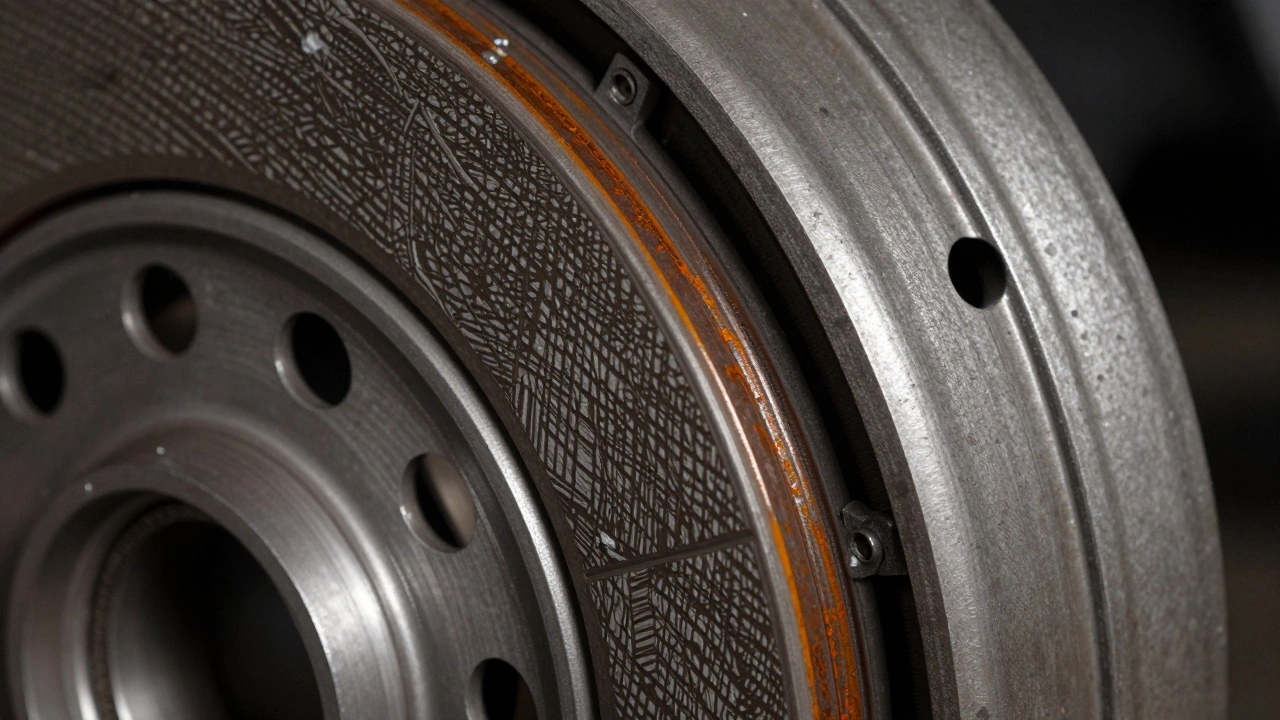
If you find yourself double-clutching to get into second gear, or if the gear lever grinds loudly when you try to shift, your clutch may not be disengaging fully. This is often called "gear clash."
This issue can stem from a few places. Sometimes it’s simply low fluid in the hydraulic reservoir. Other times, the clutch fork is bent, or the pressure plate is warped. If you’ve recently had work done on the suspension or exhaust, ensure no parts are interfering with the clutch cable or hydraulic line. Persistent difficulty shifting, especially into reverse, is a strong indicator that the clutch assembly needs inspection.
Burning Smell: The Sign of Overheating
Have you ever smelled burning toast? Now imagine that smell coming from under your dashboard. That acrid, sulfurous odor is burnt clutch. It happens when the clutch slips excessively, generating intense heat. This usually occurs after aggressive driving, towing heavy loads, or riding the clutch (keeping your foot resting on the pedal while stopped).
If you detect this smell, stop driving immediately. Continuing to drive with a slipping clutch generates enough heat to warp the flywheel. A warped flywheel must be resurfaced or replaced, adding hundreds of pounds to your repair bill. In Manchester’s traffic, sitting still with your foot on the clutch for long periods is a quick way to burn out a weak clutch.
Vibration and Shuddering
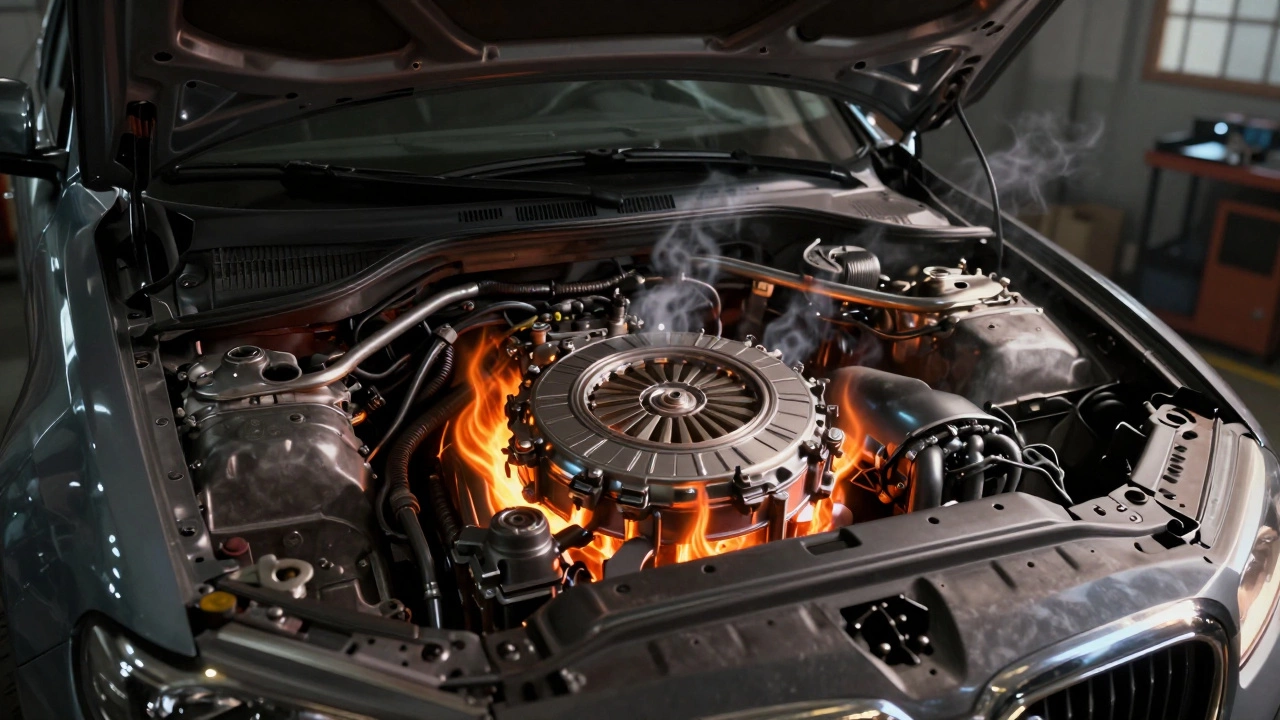
When you pull away from a standstill, the car should move smoothly. If you feel a violent shudder or vibration through the chassis, the clutch disc may be glazed, oily, or warped. This is often caused by overheating or oil leaks from the rear main seal contaminating the friction surface.
Another cause of shuddering is a worn dual-mass flywheel. Modern cars use these to dampen engine vibrations. When the internal springs fail, the flywheel vibrates excessively, especially at low speeds. Replacing the flywheel is essential when replacing the clutch, as a new clutch on a bad flywheel will fail quickly.
Comparison: Healthy vs. Failing Clutch
| Symptom | Healthy Clutch | Failing Clutch |
|---|---|---|
| Pedal Feel | Firm, consistent resistance | Spongy, stiff, or sticks to floor |
| Acceleration | Smooth power transfer | Engine revs rise without speed increase (slipping) |
| Noise | Silent operation | Whining, grinding, or squealing when pedal is pressed |
| Gear Shifting | Easy, smooth engagement | Grinding, difficulty engaging, or popping out of gear |
| Smell | No odor | Burning smell similar to hot brakes or toast |
What to Do Next: Repair or Replace?
If you notice one or more of these symptoms, don’t panic, but do act soon. Driving with a bad clutch can damage other expensive components like the gearbox input shaft or the engine crankshaft.
For most modern vehicles, the solution is a complete clutch kit. This typically includes the clutch disc, pressure plate, and release bearing. It’s rarely worth replacing just one part because labor costs are high-you’re already paying to remove the transmission. While you’re in there, inspect the flywheel. If it’s scored or warped, replace it too.
In Manchester, where winter roads can be slippery and traffic dense, a reliable clutch is crucial for safety. A slipping clutch can leave you powerless when you need to merge onto a busy road. Get a professional diagnosis early. A simple visual inspection and a road test can save you from a costly emergency tow later.
How long can I drive with a slipping clutch?
You should avoid driving with a slipping clutch as much as possible. Short trips to a mechanic are okay, but prolonged driving generates excessive heat that can warp the flywheel and damage the transmission. Every mile driven with a slip accelerates wear on the remaining friction material.
Is it cheaper to fix a clutch or buy a new car?
Almost always cheaper to fix. A standard clutch replacement ranges from £400 to £800 depending on the vehicle. Even high-performance cars rarely exceed £1,500 for parts and labor. Unless your car has other major failures, repairing the clutch extends the vehicle's life significantly for a fraction of the cost of a new purchase.
Can a bad clutch affect fuel economy?
Yes. When a clutch slips, the engine works harder to maintain speed, burning more fuel. You might notice your MPG dropping noticeably before other symptoms become severe. This inefficiency is a clear sign that power transfer is compromised.
Does changing the clutch fluid help?
Only if the issue is hydraulic. Old brake fluid absorbs moisture, which can corrode the master or slave cylinders, leading to a spongy pedal. Flushing the fluid might restore pedal feel temporarily, but it won’t fix a worn clutch disc or bearing. If the pedal is firm but the car still slips, fluid change won’t help.
How many miles does a clutch last?
Typically between 60,000 and 100,000 miles, but this varies wildly based on driving style. City drivers who frequently stop and start wear clutches faster than highway drivers. Aggressive launches, riding the clutch, and towing heavy loads can reduce lifespan to under 40,000 miles. Gentle, smooth engagement extends life significantly.