Suspension Health & Risk Assessment Tool
Select Observed Symptoms
Check all behaviors you notice while driving your vehicle.
Real-time Status
Select symptoms to see risk assessment
0%
Softness IndexDiagnosis
Results will appear here...
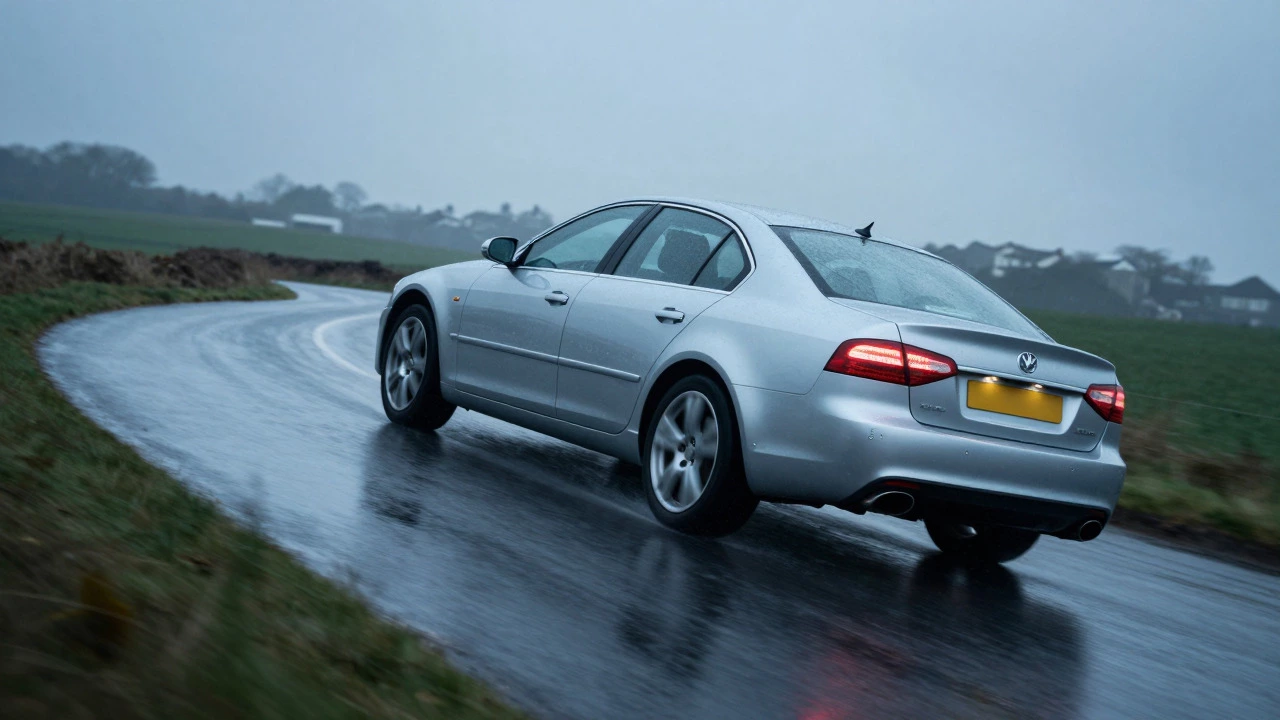
Ever driven a car that feels like it’s floating on a cloud, only to realize it’s actually fighting you every time you turn the wheel? That’s the classic symptom of a suspension that is too soft. While a plush ride sounds appealing in theory, excessive softness in your vehicle’s suspension system creates a cascade of problems that affect safety, tire life, and driving confidence.
When we talk about suspension being too soft, we are referring to a state where the springs and dampers lack the stiffness required to control the vehicle's body movements effectively. This isn't just about comfort; it is a mechanical imbalance that changes how your car interacts with the road surface.
The Immediate Impact on Handling and Stability
The most noticeable change when your suspension is too soft is the loss of precise handling. Think of your car as a box sitting on rubber bands. If those bands are too loose, the box slides around inside its own frame whenever you move. In automotive terms, this is called excessive body roll.
When you take a corner at speed, a properly tuned suspension keeps the chassis relatively flat, allowing the tires to maintain maximum contact with the asphalt. With a soft setup, the weight of the car shifts dramatically to the outside wheels. This lifts the inside tires slightly, reducing their grip. You will feel the steering become vague and unresponsive. The car doesn't go exactly where you point it; instead, it leans into the turn before slowly following your input.
This delay in response is dangerous during emergency maneuvers. If you need to swerve suddenly to avoid an obstacle, a soft suspension causes the vehicle to wallow. The center of gravity moves too high and too far to one side, increasing the risk of losing traction or even rolling over in extreme cases. For daily drivers, this means you have to drive slower and more cautiously than the car’s engine power might suggest is safe.
Tire Wear: The Hidden Cost of Soft Springs
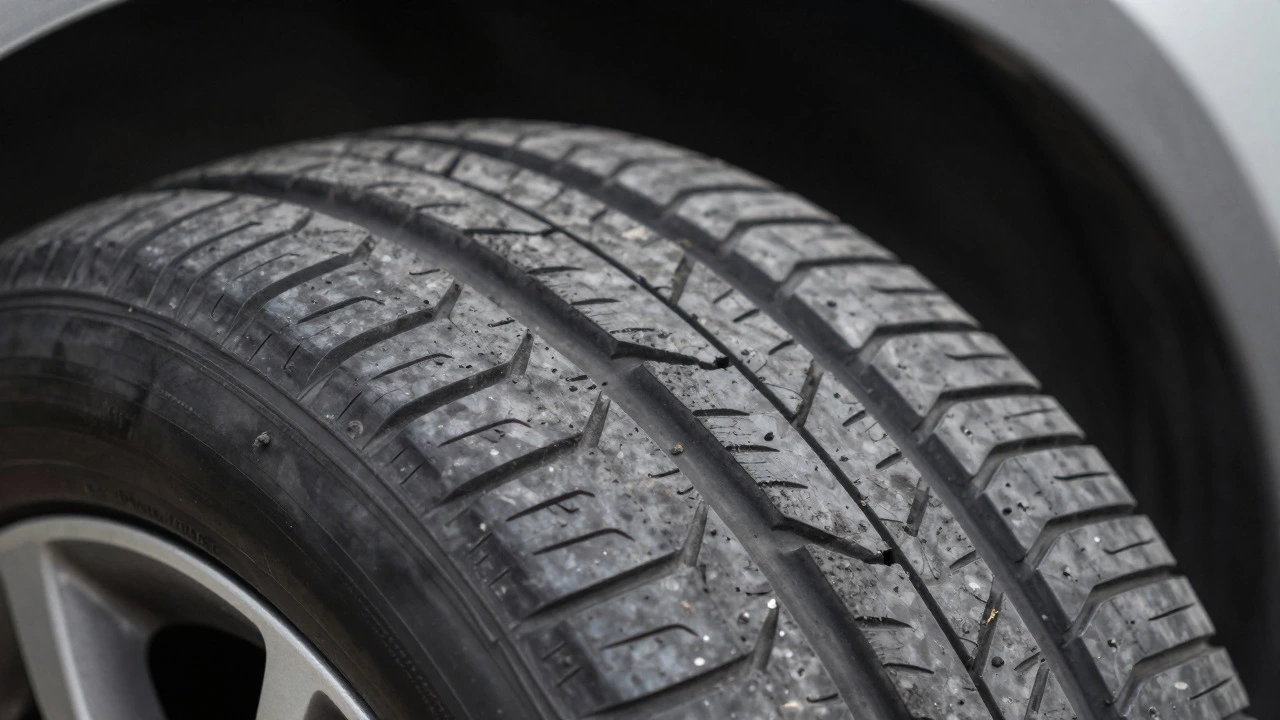
One of the least obvious but most expensive consequences of a soft suspension is accelerated tire wear. Tires are designed to work within specific load parameters. When the suspension allows the body to pitch and roll excessively, the tires experience uneven loading.
In braking scenarios, a soft suspension causes severe "nose dive." The front end slams down, putting disproportionate weight on the front tires while lightening the rear ones. This leads to cupping or scalloping on the front tires-irregular patches worn away by the bouncing motion. Similarly, during acceleration, the rear squats, causing the rear tires to scrub against the road surface unnecessarily.
Over time, this results in tires wearing out months or even years before their tread depth should dictate replacement. You aren't just paying for new shocks; you are burning through sets of premium tires because the suspension isn't holding them steady against the road.
Ride Quality vs. Control: Finding the Balance
There is a common misconception that softer always equals more comfortable. In reality, a suspension that is too soft often becomes less comfortable over long distances. Why? Because it lacks damping control.
Shock absorbers are components that control the rebound and compression of the springs. If the springs are weak (soft) but the shocks are also worn or poorly matched, the car will oscillate. After hitting a single pothole, the vehicle may bounce up and down three or four times before settling. This constant vertical movement induces motion sickness in passengers and fatigue in the driver, who must constantly make micro-corrections to keep the car straight.
A well-tuned firm suspension absorbs energy quickly and returns to neutral. A soft, under-damped suspension lets that energy slosh around the cabin. It’s the difference between a boat riding a wave smoothly versus bobbing uncontrollably on the crest.
Braking Performance and Safety Margins
Braking distance is directly influenced by weight transfer. Under hard braking, weight shifts forward. A stiff suspension manages this transfer predictably. A soft suspension exaggerates it. The front tires dig in, potentially locking up if the ABS has to work overtime, while the rear tires lose grip.
This instability makes the car harder to stop in a straight line. You might find yourself steering to compensate for the pull caused by uneven brake force distribution due to body movement. In wet or icy conditions, this unpredictability is magnified. The margin for error shrinks significantly when your suspension cannot stabilize the chassis during deceleration.
Signs Your Suspension Might Be Too Soft
How do you know if your current setup is problematic? Look for these specific indicators:
- Excessive Body Roll: The car leans noticeably more than usual in gentle turns.
- Nose Dive: The front bumper drops sharply when you tap the brakes.
- Rear Squat: The back end sinks visibly when accelerating from a stop.
- Oscillation: The car continues to bounce after going over a bump.
- Vague Steering: The steering wheel feels light and disconnected from the road feedback.
If you check your tires and see irregular wear patterns despite regular rotation, the culprit is likely your suspension geometry being compromised by soft components.
Comparison: Soft vs. Firm Suspension Characteristics
| Feature | Too Soft Suspension | Properly Tuned/Firm Suspension |
|---|---|---|
| Cornering Grip | Low (high body roll) | High (flat stance) |
| Tire Wear Pattern | Irregular/Cupped | Even |
| Braking Stability | Poor (excessive nose dive) | Stable (controlled weight transfer) |
| Ride Comfort (Small Bumps) | Good initially | Moderate |
| Ride Comfort (Large Impacts) | Poor (bouncing/oscillation) | Controlled |
| Driver Confidence | Low | High |
Solutions: How to Fix a Soft Suspension
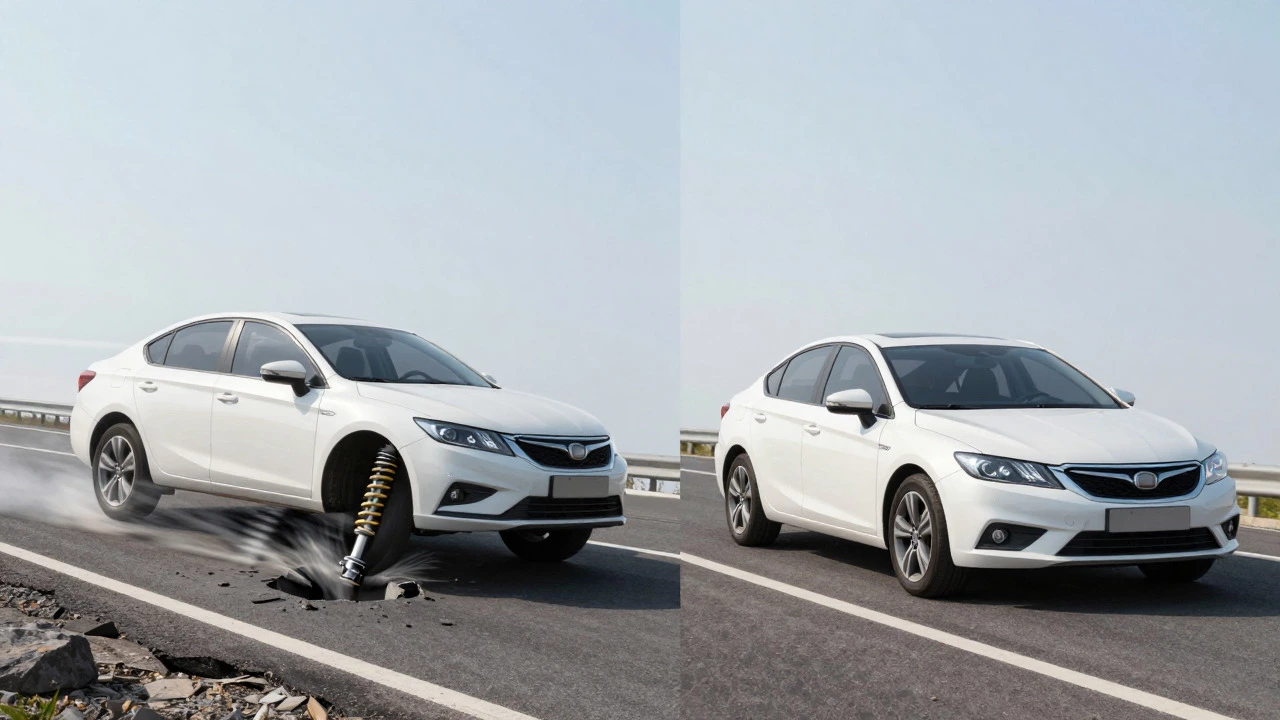
If your car exhibits these symptoms, there are several paths to correction. First, inspect your existing components. Old struts are structural suspension parts that combine the shock absorber and spring. Over time, the hydraulic fluid leaks out, and the gas charge dissipates, making them act softer than intended. Replacing worn shocks or struts with OEM-spec units can restore much of the lost firmness without changing the springs.
If the springs themselves are too weak for your driving style or load requirements, consider upgrading to stiffer aftermarket springs. Lowering springs, for example, not only reduce ride height but typically increase spring rate, reducing body roll. Another option is adding sway bars (anti-roll bars). These connect the left and right sides of the suspension, resisting roll forces without necessarily making the ride harsh over bumps.
For those seeking a balance, adjustable coilovers offer the ability to tweak both spring rate and damping hardness. This allows you to soften the ride for daily commuting and firm it up for weekend drives. However, proper installation and alignment are critical. Changing suspension geometry requires a professional wheel alignment to ensure camber, toe, and caster angles are correct, preventing further tire wear.
Impact on Vehicle Electronics and Sensors
Modern vehicles rely heavily on sensors mounted to the chassis. A suspension that moves excessively can confuse these systems. Electronic Stability Control (ESC) and Anti-lock Braking Systems (ABS) depend on stable references to determine slip and traction. If the chassis is pitching and rolling wildly, the sensors may send erratic data, causing the stability control to intervene unnecessarily or fail to activate when needed.
Adaptive suspension systems, found in many luxury cars, use sensors to adjust damping in real-time. If the base springs are degraded or too soft, these electronic aids have limited ability to compensate. The software can only do so much if the mechanical foundation is compromised.
Long-Term Structural Stress
While it seems counterintuitive, a suspension that is too soft can put more stress on other vehicle components. Excessive movement puts strain on bushings, mounts, and even the subframe. Constant flexing can lead to premature failure of these rubber isolators, resulting in clunks and rattles. In severe cases, repeated impact loads transmitted through a poorly damped suspension can damage mounting points on the chassis itself.
Maintaining the correct suspension stiffness is not just about driving dynamics; it is about preserving the structural integrity of your vehicle. Regular inspections of bushings and mounts are essential if you suspect your suspension is sagging or overly compliant.
Does a soft suspension cause more fuel consumption?
Indirectly, yes. Excessive body movement increases aerodynamic drag as the car pitches and rolls. Additionally, uneven tire wear leads to higher rolling resistance. While the effect is small compared to driving habits, a stable suspension helps maintain optimal efficiency.
Can I fix a soft suspension by just adding air pressure to tires?
Increasing tire pressure can slightly improve handling and reduce sidewall flex, offering a minor temporary improvement. However, it does not address the root cause of spring weakness or shock absorber failure. Over-inflating tires reduces contact patch and ride comfort, creating new issues.
Is it safe to drive with a soft suspension?
It depends on the severity. Mild softness may only affect comfort. Severe softness compromises braking, cornering, and stability, increasing accident risk. If the car bounces excessively or pulls severely during braking, it should be inspected immediately.
How often should suspension components be replaced?
There is no fixed mileage rule. Shocks and struts typically last between 50,000 to 100,000 miles depending on road conditions and usage. Inspect them annually. Replace if you notice oil leaks, reduced performance, or increased stopping distances.
Do lowering springs make the ride too hard?
Not necessarily. Many modern lowering springs are designed to retain comfort while improving handling. However, cheap aftermarket springs can be harsh. Pairing them with quality shock absorbers ensures a balanced ride that is firmer but still compliant.