Car Handling: What It Is and How Suspension, Brakes, and Clutches Affect It
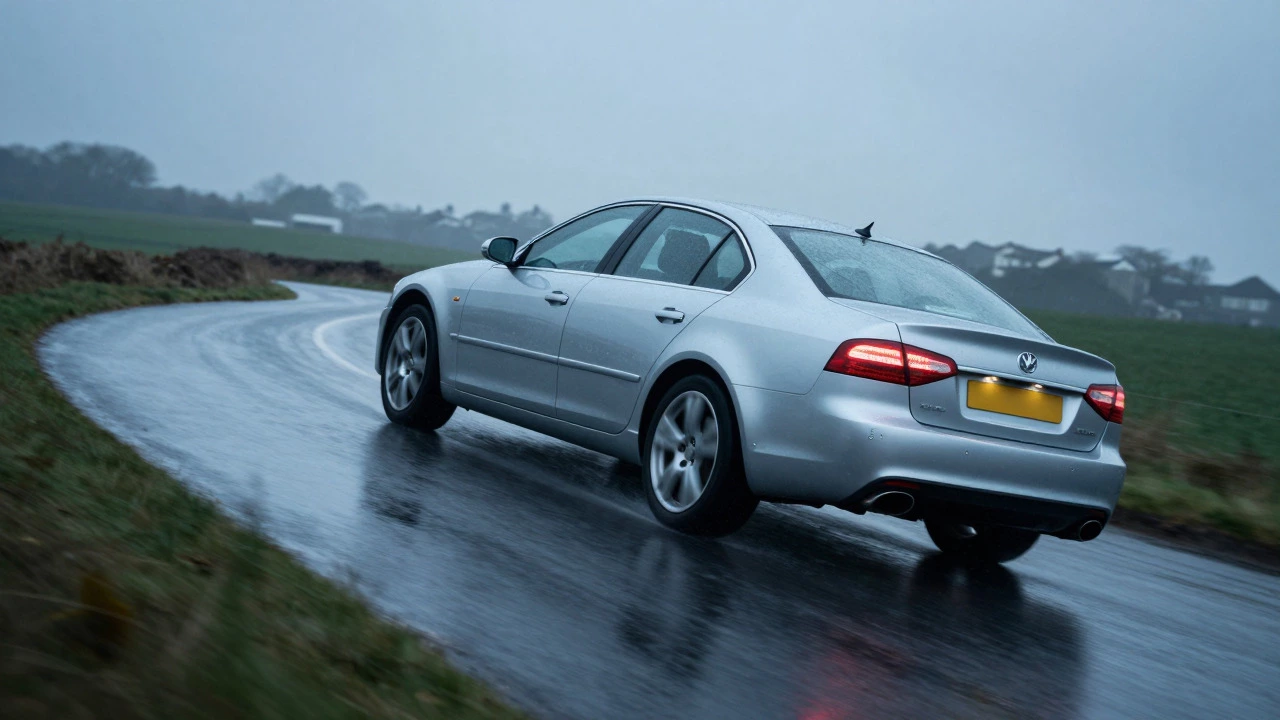
When we talk about car handling, how a vehicle responds to driver input through steering, braking, and acceleration on the road. It's not just about how fast you can go—it's about how confidently and safely you can turn, stop, and control the car in real-world conditions. Good car handling means your tires stick to the road when you need them to, your brakes respond without locking up, and your suspension keeps the body steady through corners. Poor handling? That’s when your car feels floaty, pulls to one side, or makes you second-guess every turn.
Behind every smooth turn or crisp stop is a network of parts working together. Your suspension system, the set of springs, struts, and control arms that connect the wheels to the chassis is the backbone. If your struts are worn, your car bounces too much, tires wear unevenly, and braking distance increases—exactly what you don’t want when avoiding an obstacle. Then there’s the brake pads, the friction material that clamps down on rotors to slow the car. Worn pads don’t just squeal—they reduce stopping power and can damage rotors, making handling unpredictable. And don’t forget the clutch system, the link between engine and wheels that transfers power smoothly. A worn or mismatched clutch can cause jerky acceleration, especially when pulling away or shifting under load, throwing off your control.
These systems don’t work in isolation. A bent suspension affects tire alignment, which increases brake wear. A failing clutch puts extra stress on the drivetrain, which can shake the whole chassis. And if your air filter is clogged, your engine struggles to deliver consistent power, making throttle response sluggish—another hidden hand in car handling. The posts below cover exactly these connections: how to spot worn struts, when brake pads need replacing, what a stage 1 clutch really does for daily driving, and how suspension damage shows up in unexpected ways. You’ll find real-world checks, cost-saving tips, and signs you’ve ignored too long. No theory. No fluff. Just what you need to know to drive safer, longer, and with more confidence.