Alloy Wheel Fuel Savings Calculator
How Much Can You Save?
Alloy wheels reduce rotational mass, improving fuel efficiency by 1-3% according to UK Department for Transport data.
Your Estimated Savings
Potential Annual Savings
0.00 £
Based on 1-3% fuel efficiency improvement
How It Works
Lighter alloy wheels reduce engine strain, improving fuel efficiency by 1-3% as measured in UK Department for Transport studies. This translates to:
- 1% improvement = 0.00 £ saved annually
- 2% improvement = 0.00 £ saved annually
- 3% improvement = 0.00 £ saved annually
Most people don’t buy alloy wheels because they’re told to. They buy them because they see their friend’s car roll past, gleaming under the streetlights, and suddenly their own steel wheels feel dull, heavy, and outdated. It’s not just about looks - though that’s part of it. There’s something deeper going on when someone spends a few hundred extra pounds on a set of rims.
They look better - no debate
Let’s start with the obvious. Alloy wheels look sharper. They come in designs that steel wheels simply can’t match: multi-spoke patterns, machined faces, polished finishes, even custom colour coatings. A basic steel wheel with a plastic hubcap looks like it came from a 2005 economy model. An alloy wheel looks like it belongs on a car that costs twice as much.
It’s not just vanity. Studies from the UK’s Society of Motor Manufacturers and Traders show that cars with alloy wheels retain up to 12% more resale value than identical models with steel wheels. Buyers notice. Even if they don’t say it out loud, they do the math: alloy wheels signal care, attention to detail, and a willingness to invest.
They’re lighter - and that changes how the car drives
Alloy wheels are made from aluminium or magnesium alloys, which are significantly lighter than steel. A typical 17-inch steel wheel weighs around 22 pounds. A comparable alloy wheel? About 15 pounds. That’s 7 pounds less per wheel - 28 pounds total across the car.
That weight reduction matters. Less unsprung mass means better suspension response. The wheels react faster to bumps, road imperfections, and cornering forces. The result? A smoother ride, sharper handling, and improved grip. It’s not magic - it’s physics. A lighter wheel means the suspension doesn’t have to work as hard to keep the tyre planted on the road.
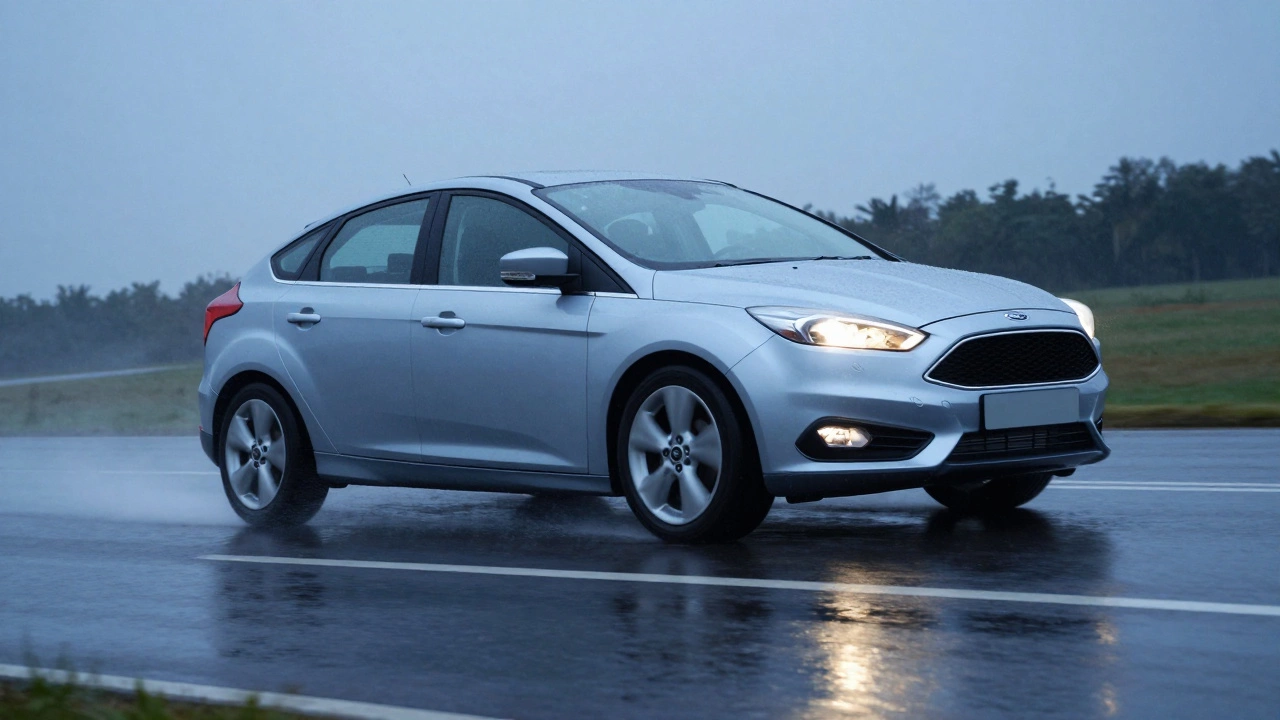
Drivers who’ve switched from steel to alloy often say the same thing: “My car feels more connected to the road.” It’s not a placebo. Real-world tests by What Car? magazine showed a 5-7% improvement in cornering stability on wet roads after upgrading to lightweight alloys on a Ford Focus.
They improve fuel efficiency - quietly
Lighter wheels mean less rotational mass. That means the engine doesn’t have to work as hard to get the car moving. Over time, that adds up.
According to data from the UK’s Department for Transport, replacing steel wheels with lightweight alloys can improve fuel economy by 1-3%. That might not sound like much, but on a 1,500-mile monthly commute, that’s an extra 15-45 miles per tank. Over a year, that’s £50-£120 saved on fuel, depending on your car and fuel prices in 2025.
And it’s not just about the fuel. Less strain on the engine means less wear on components like the transmission and drivetrain. It’s a small win, but it adds up over the life of the car.
They help with braking performance
Brakes don’t just stop the car - they stop the wheels. Heavier wheels create more rotational inertia. That means more energy for the brake pads to absorb. Steel wheels, being heavier, make the brakes work harder. Over time, that leads to faster pad wear and more heat buildup.
Alloy wheels reduce that load. Lighter wheels mean less stress on the brake system. Brake pads last longer. Rotors stay cooler. In high-performance driving - or even just heavy city traffic - that’s a real advantage. One mechanic in Manchester told me he’s seen brake jobs drop from every 18,000 miles to every 28,000 miles after clients switched to alloys.
They’re easier to clean and maintain
Steel wheels with hubcaps are a nightmare. Dirt builds up behind the cap. Rust creeps in. The cap rattles. Cleaning them means taking the hubcap off, scrubbing the wheel, then reattaching it - all while praying it doesn’t snap.
Alloy wheels? Clean them like any other surface. A quick wash, a bit of wheel cleaner, and they’re done. No hidden rust zones. No flimsy plastic parts. Even if they get scratched, many alloys can be refurbished for under £100 per wheel. Steel wheels? Once they rust, they’re done.
And let’s be honest - alloy wheels look good even when they’re dirty. A steel wheel with a cracked hubcap looks broken. An alloy wheel with a bit of brake dust? It still looks intentional.
They’re part of identity - not just parts
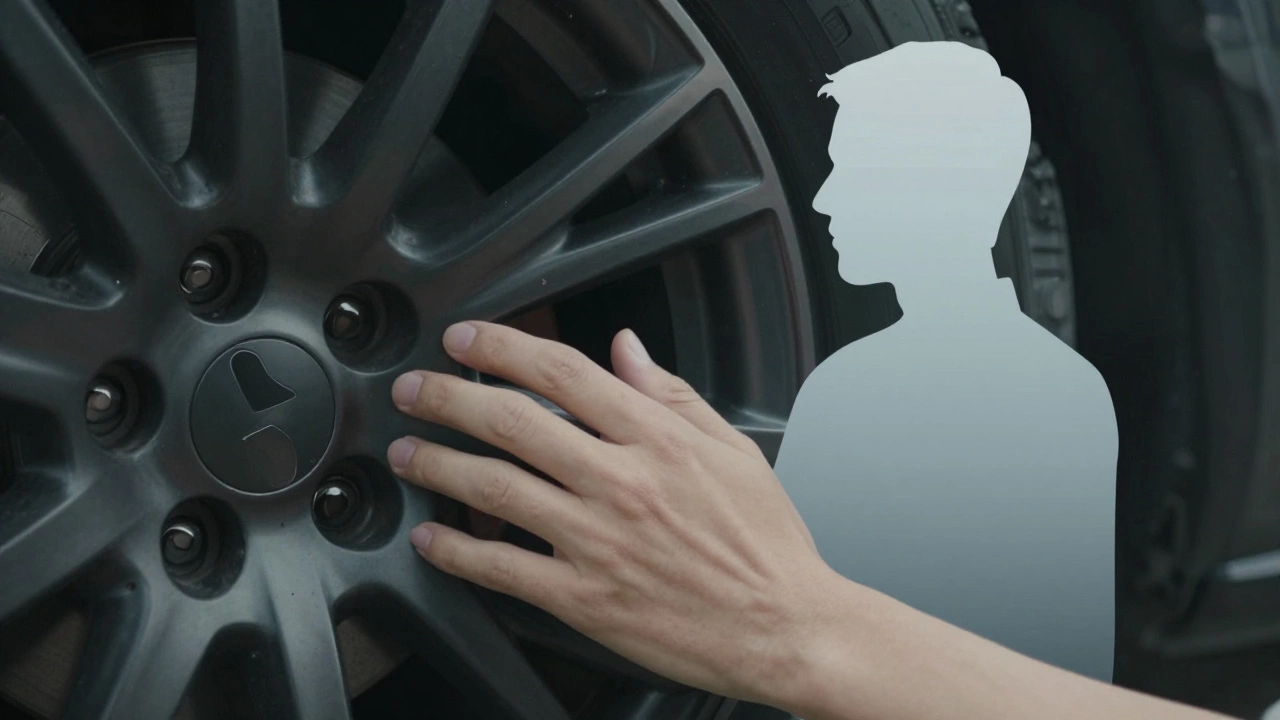
People don’t just buy alloy wheels. They buy the version of themselves that drives with them.
It’s the same reason someone buys a leather steering wheel, a premium sound system, or a custom exhaust note. It’s about expression. A set of dark gunmetal alloys on a Subaru WRX says something different than polished 18-inchers on a Volkswagen Golf. The wheels become part of the car’s personality.
Car culture in the UK has always been about personalisation. From classic Minis with whitewalls to modern Audis with diamond-cut finishes, wheels have always been the most visible upgrade. And unlike a body kit or spoiler, alloys don’t scream “I modified my car.” They whisper, “I care.”
They’re not perfect - here’s what to watch out for
Alloy wheels aren’t magic. They’re more fragile than steel. A sharp pothole or curb hit can crack or bend them. Repairing a bent alloy costs more than fixing a steel wheel - and sometimes, it’s not worth it.
Also, they’re more expensive upfront. A decent set of aftermarket alloys can cost £600-£1,500, depending on size and finish. That’s a lot for someone on a tight budget.
But here’s the thing: most people who regret buying alloys didn’t buy them for the wrong reasons. They bought them without thinking about their driving habits. If you live in a city with bad roads, drive on gravel, or park carelessly, steel might still be the smarter choice.
But if you drive mostly on smooth tarmac, care about how your car feels, and want something that lasts - alloys win.
What’s the real reason people buy them?
It’s not one thing. It’s the combination.
They look better. They drive better. They save money over time. They’re easier to keep clean. They make the car feel more premium. And in a world where cars are increasingly anonymous, alloy wheels let you say something without saying a word.
People don’t buy alloy wheels because they’re told to. They buy them because they’ve tried it - or seen someone else do it - and realised their car could be more than just transportation. It could be something they’re proud of.
Are alloy wheels worth the extra cost?
Yes, if you drive regularly and care about performance, appearance, or long-term value. The fuel savings, reduced brake wear, and higher resale value often pay back the initial cost within 2-3 years. For casual drivers or those on rough roads, steel wheels might still be the more practical choice.
Do alloy wheels improve ride comfort?
They can. Lighter wheels reduce unsprung weight, allowing the suspension to respond faster to bumps. This leads to a smoother, more controlled ride - especially on uneven surfaces. But ride comfort also depends on tyre choice and suspension setup. Alloys alone won’t fix a worn-out shock absorber.
Can alloy wheels be repaired if damaged?
Yes, most minor bends and scratches can be repaired by specialists. Cracks are trickier - if the wheel is structurally compromised, it should be replaced. A good repair shop can straighten, weld, and refinish an alloy wheel for £50-£120 per wheel, which is far cheaper than buying new.
Do alloy wheels affect insurance?
Sometimes. If you install aftermarket alloys, you must tell your insurer. Some companies charge a small premium for non-standard wheels, especially if they’re larger than factory size. Others don’t care as long as they’re road legal and properly fitted. Always check before buying.
Are alloy wheels better in winter?
Not necessarily. Steel wheels are tougher against salt and potholes, which is why many UK drivers switch to cheaper steel rims in winter. But if you use winter tyres on alloys, they still perform well. Just be careful about curb damage - salt and grime can accelerate corrosion on alloys if not cleaned regularly.