How to Tell if Your Car AC is Low on Freon
Wondering why your car AC is blowing warm air? Learn the telltale signs of low Freon, how to spot leaks, and the best way to fix your car's cooling system.
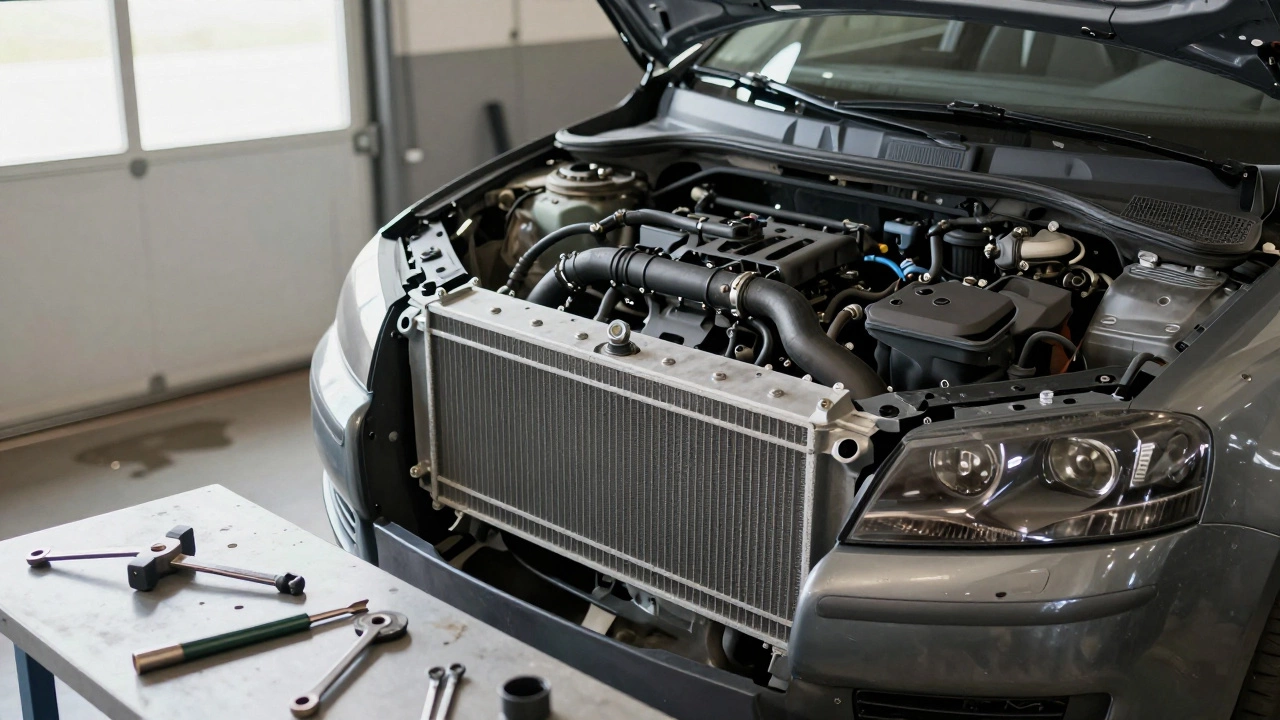
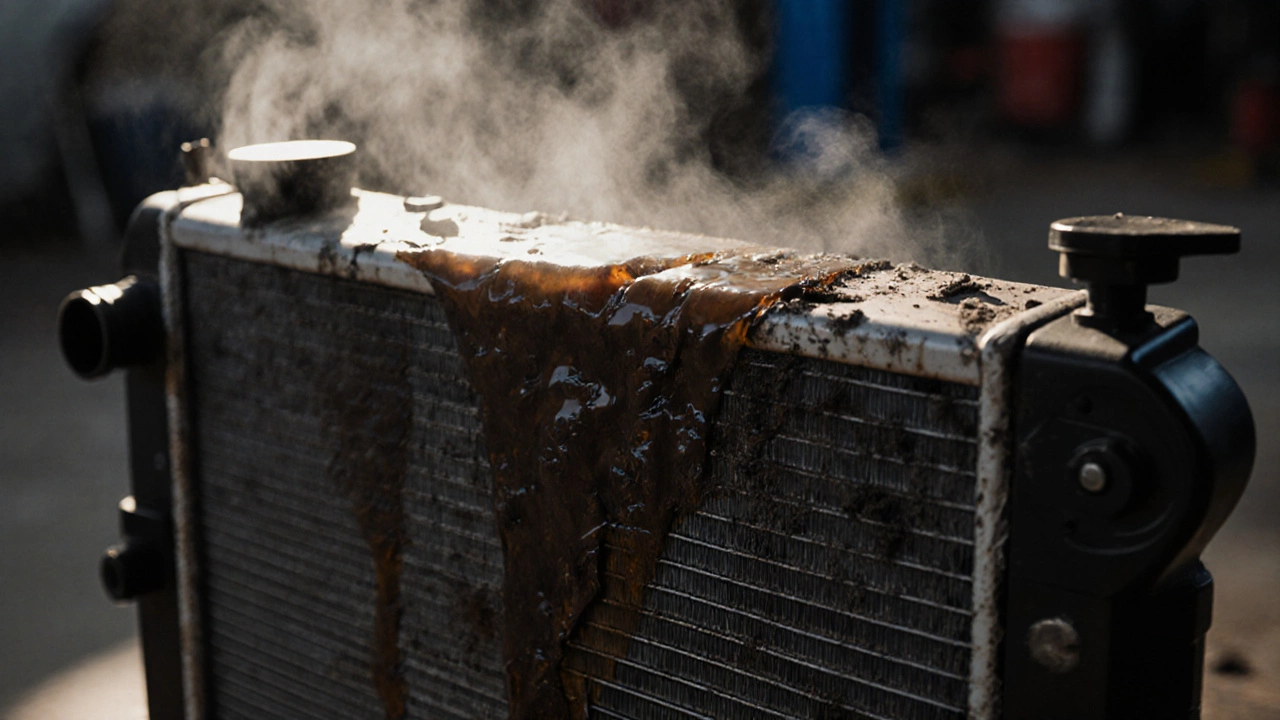
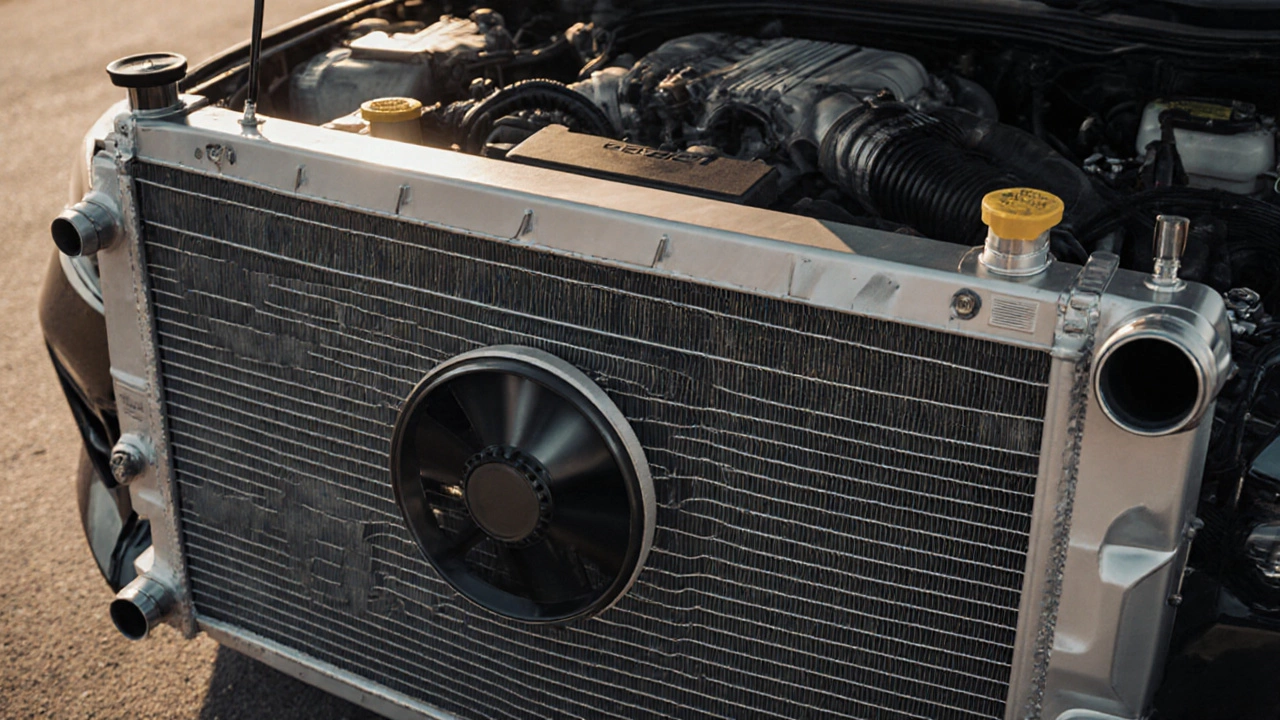
When your engine runs hot, the radiator, a key part of your car’s cooling system that transfers heat from coolant to the air. Also known as a cooling radiator, it’s not just a metal box under the hood—it’s the reason your engine doesn’t turn into scrap metal. Without it, your car won’t last more than a few minutes. And while most people think of radiators as simple parts, they’re actually the link between your engine’s health and everyday reliability.
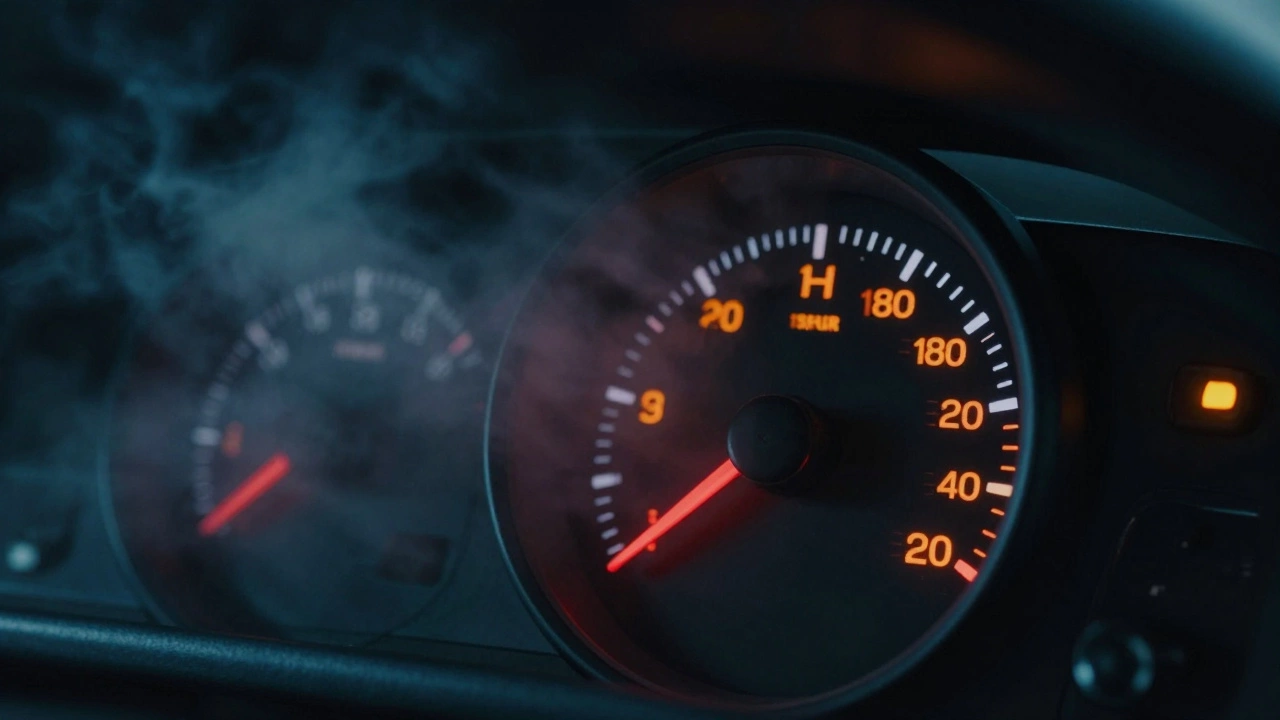
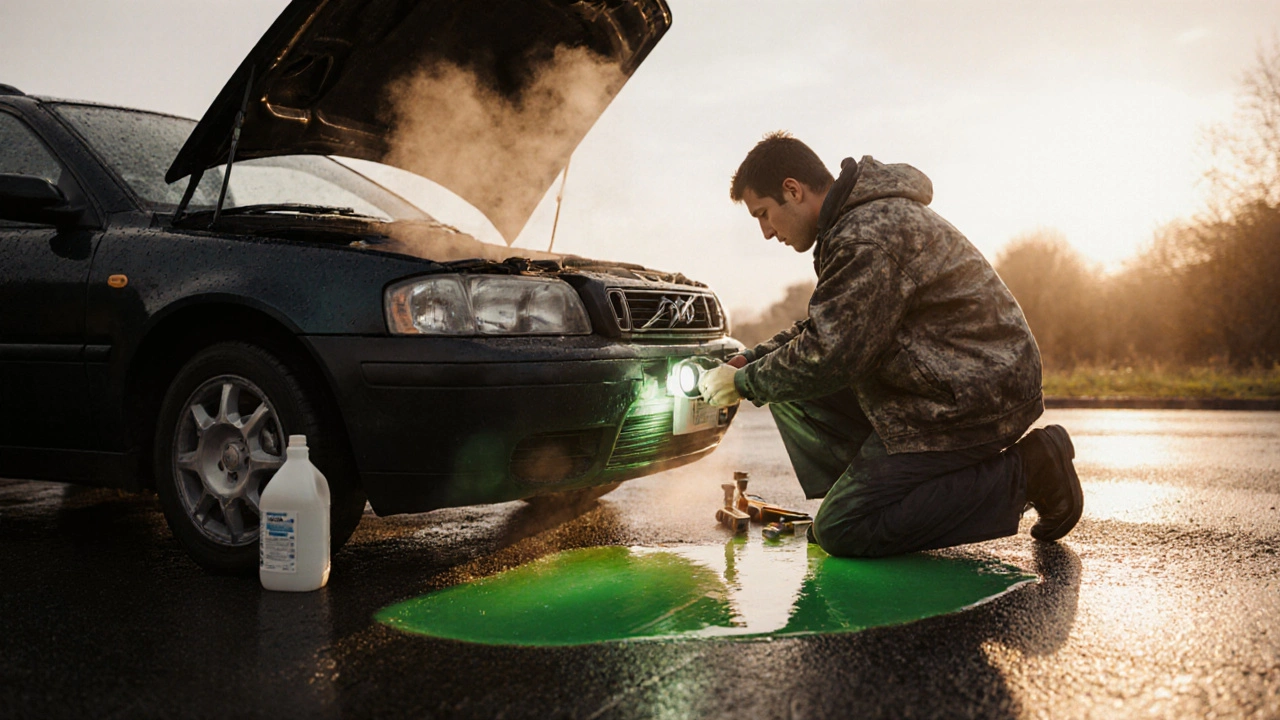
A bad radiator doesn’t just make your car overheat—it can wreck your head gasket, fry your water pump, or even crack your engine block. The coolant, the liquid that flows through the radiator to absorb and carry away engine heat is the lifeblood here. If it leaks, gets dirty, or runs low, the radiator can’t do its job. And that’s where most problems start. Corrosion from old coolant, tiny cracks from thermal stress, or clogs from debris are the top killers. You won’t always see a puddle under your car. Sometimes, the first sign is your temperature gauge creeping up on a quiet drive.
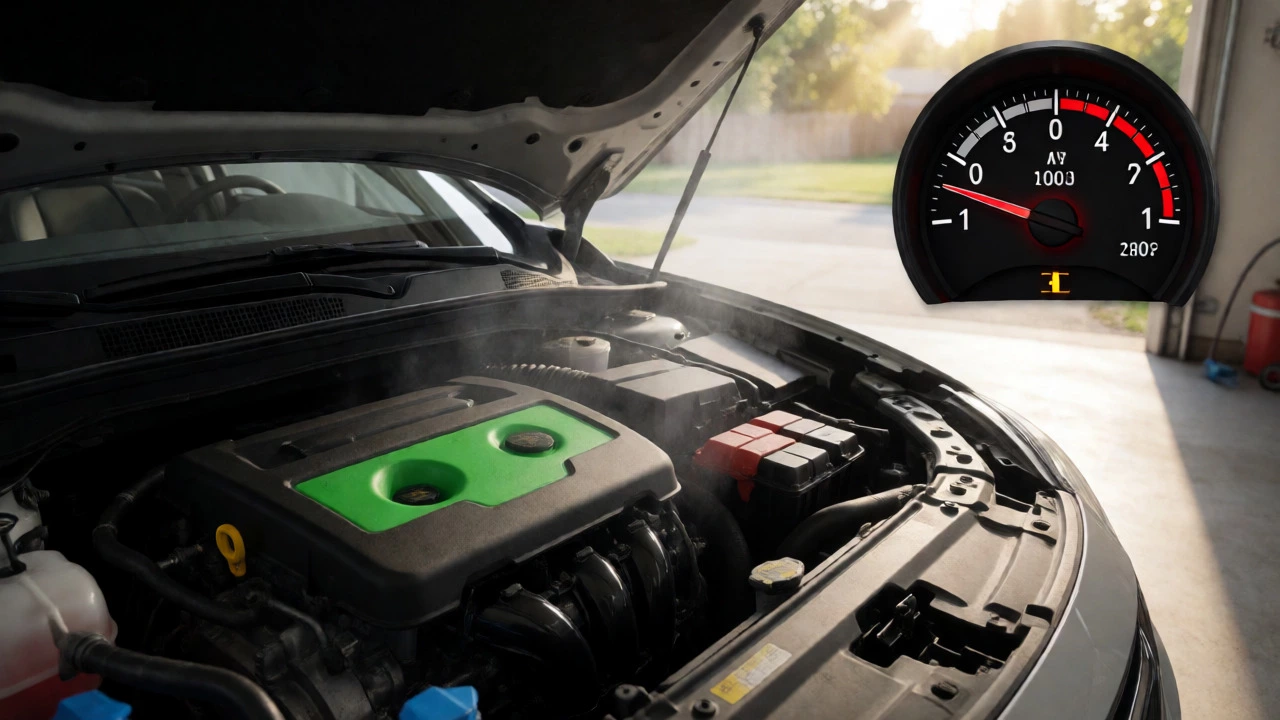
The engine overheating, a dangerous condition caused by insufficient cooling, often due to radiator failure isn’t just inconvenient—it’s expensive. A blown head gasket from a failed radiator can cost more than your car is worth. That’s why knowing the early signs matters: strange smells, coolant loss without visible leaks, or your AC blowing warm air when the engine’s hot are all red flags. And yes, your radiator affects your air conditioning. They share the same cooling system. A clogged radiator means less airflow, which means your AC compressor works harder and fails sooner.
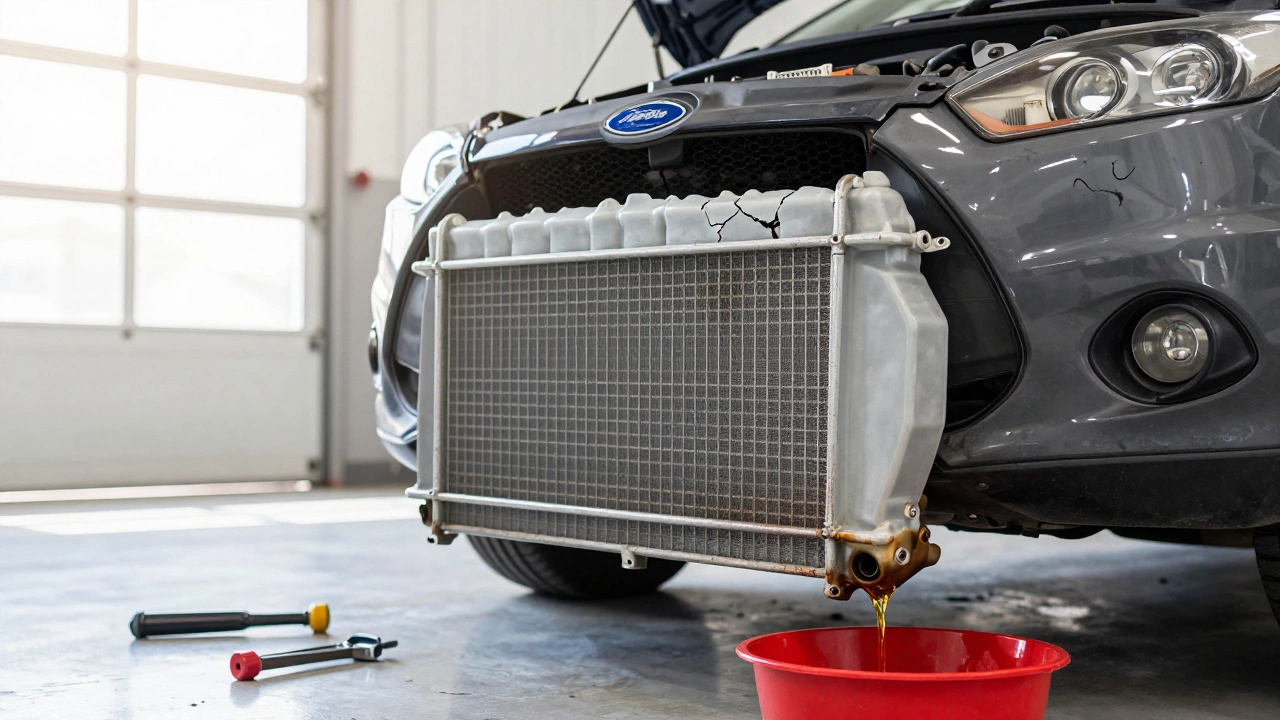
Fixing a radiator isn’t always about swapping it out. Sometimes, a cracked tank can be patched. Sometimes, flushing the system clears out years of gunk. But too many people try cheap fixes that only delay the inevitable. And driving with a bad radiator? That’s like running a marathon with a broken ankle—you might make it, but you’ll pay for it later.
Below, you’ll find real guides from people who’ve been there. How to check your radiator before it leaves you stranded. Whether to repair or replace. What actually works on a cracked tank. And why changing a radiator can be a mess—but doesn’t have to be. These aren’t theory pieces. They’re the kind of advice you use when your car’s overheating and you’re miles from a shop.
Wondering why your car AC is blowing warm air? Learn the telltale signs of low Freon, how to spot leaks, and the best way to fix your car's cooling system.
Car radiators aren't automatically expensive - replacement costs vary from £150 to £500 depending on your car model, part type, and labour. Learn how to save money and avoid costly engine damage.
Replacing a car radiator in the UK typically costs between £250 and £800, depending on your car model and labour. Learn what's included in the price, how to save money, and why ignoring a leak can lead to expensive engine damage.
Can a car radiator last 20 years? Yes - but only with regular coolant changes, flushes, and careful maintenance. Learn the real habits that extend radiator life and avoid costly engine damage.
Is your car overheating? Learn the real signs your radiator needs replacing, how long they last, and why ignoring it could cost you thousands. Get the facts before you decide.
Most car radiators last 8-15 years, but neglect can shorten that dramatically. Learn the signs of failure, how to extend radiator life, and when to replace it before it destroys your engine.
Find out how a car radiator can impact your air conditioning, the symptoms to watch for, and a step‑by‑step maintenance checklist to keep both systems running cool.
Clear signs of a bad radiator, quick DIY checks, costs, and when to stop driving to save your engine. Practical, step-by-step guidance you can use today.
Find out how to check your radiators for performance, leaks, and common issues. Learn easy DIY inspection tips for a safe, efficient home or car cooling system.
Find out if a bad radiator can really cause a blown head gasket, learn the warning signs, and get must-know tips to protect your car from disaster.
Driving with a bad radiator is a risky move. Learn how a broken radiator affects your car, spot warning signs, understand the danger, and get useful tips to avoid engine disaster.
Swapping out a car radiator sounds simple, but is it messy? This article dives into what really happens when you change a radiator, including how much of a mess you might actually make. Get practical tips for clean-up, planning, and safety so you don’t end up with coolant everywhere. Discover how to keep things as tidy as possible, and pick up tricks to save time and effort. Perfect for first-timers and anyone dreading the job.