Radiator Risk Assessment Tool
Select your current situation below to determine if you can safely drive your vehicle or if you need immediate assistance.
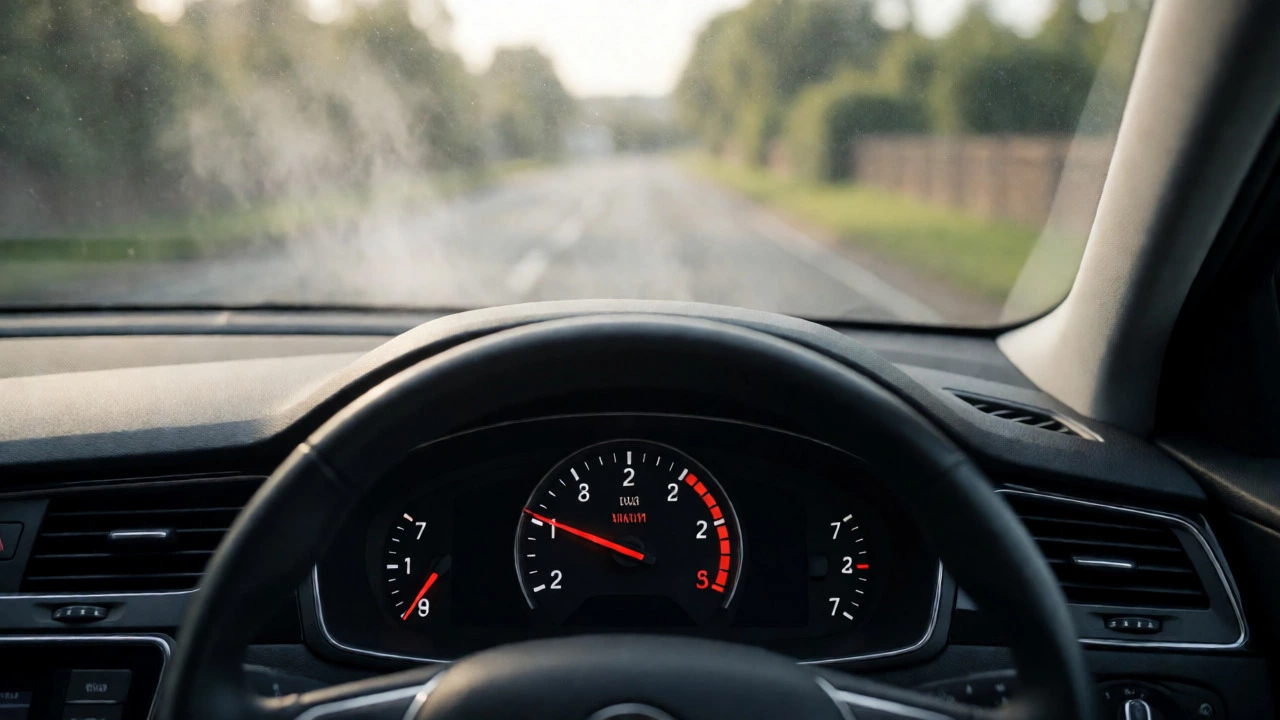
You’re halfway to work, the temperature gauge is creeping into the red zone, and your heater is blasting cold air despite the dial being set to hot. Your mind races: Can you drive a car with a bad radiator? The short answer is yes, but only for a very short distance, and it’s a gamble that could cost you thousands in engine repairs if you push your luck.
The radiator is the core component of your vehicle's cooling system, designed to dissipate heat from the engine coolant into the atmosphere. When it fails, the engine doesn't just get warm; it can warp its metal components within minutes. This guide breaks down exactly when you can limp home, when you need a tow truck, and how to spot the difference between a minor leak and a catastrophic failure.
The Critical Role of the Radiator in Engine Health
To understand the risk, you have to know what the part actually does. Your internal combustion engine generates immense heat through controlled explosions of fuel and air. Without management, this heat would melt pistons and seize moving parts. The cooling system uses a mixture of water and antifreeze (coolant) to absorb this heat.
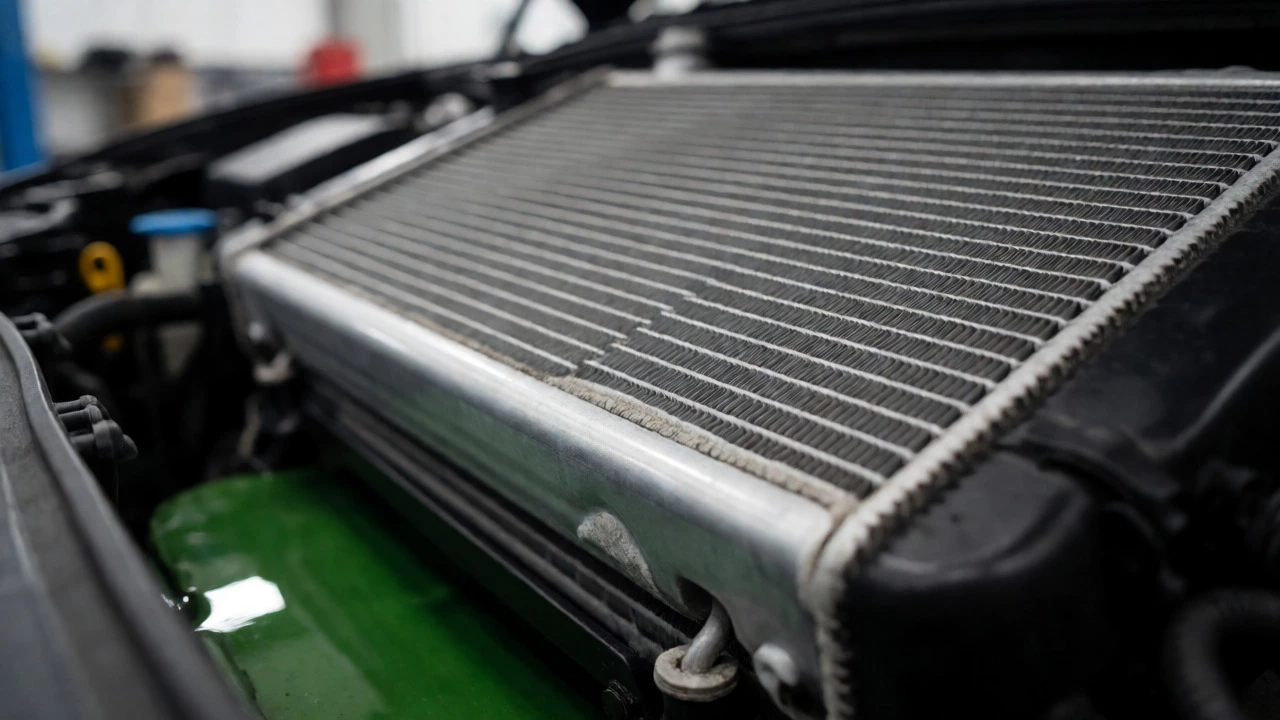
The coolant circulates through the engine block, picks up heat, and travels to the radiator. Here, thin metal fins and tubes expose the hot liquid to outside air. As you drive, airflow passes through these fins, cooling the liquid before it returns to the engine. If the radiator is cracked, clogged, or leaking, this cycle breaks. The coolant stays hot, the engine temperature spikes, and thermal expansion causes metal parts to grind against each other.
Signs Your Radiator Is Failing Right Now
Before you decide whether to keep driving, check for these specific symptoms. They tell you the severity of the problem:
- Temperature Gauge in the Red: If the needle is past halfway and climbing, stop immediately. Most cars overheat around 105-110°C (221-230°F).
- Cold Air from Heater: This sounds counterintuitive, but if your heater blows cold while the engine is hot, it means there isn’t enough coolant circulating to reach the heater core. It’s a classic sign of low coolant levels due to a leak.
- Puddles Under the Car: Look for bright green, orange, or pink fluid. Coolant has a sweet smell. If you see this after parking, you have a leak.
- Discolored Coolant: Open the reservoir (when cool). If the fluid looks like chocolate milk, oil is mixing with coolant. This usually indicates a blown head gasket, which often accompanies radiator issues, but is far more expensive to fix.
- Visible Steam: If steam is rising from under the hood, the pressure has exceeded the cap’s limit. Do not open the cap.
When Can You Safely Drive with a Bad Radiator?
You can drive a short distance if the damage is minor. Think "limp mode," not "road trip."
Scenario A: Small Pinhole Leak
If you notice a slow drip and the temperature gauge remains stable below the midpoint, you might be able to drive to the nearest mechanic. Keep the heater on full blast. This acts as an emergency heat sink, pulling excess heat away from the engine. Monitor the gauge constantly. If it rises, pull over.
Scenario B: Clogged Radiator
If the radiator is partially blocked, flow is restricted. You might handle city driving at low speeds where airflow is minimal, but highway driving increases engine load and heat generation. In this case, driving is risky because the restriction worsens as the engine works harder.
Scenario C: Broken Fan Motor
Sometimes the radiator itself is fine, but the electric fan behind it fails. You can drive at speeds above 30 mph because natural airflow cools the radiator. However, in traffic jams or idling, the engine will overheat quickly. This is manageable if you are on an open road, but dangerous in the city.
When You Must Stop Driving Immediately
There are three situations where continuing to drive guarantees expensive damage:
- The Temperature Gauge Hits the Red Zone: Once the needle enters the red, the engine is already suffering thermal stress. Every minute spent driving adds risk. Pull over safely, turn off the engine, and call for help.
- Massive Coolant Loss: If you see a large puddle or hear hissing from under the hood, the coolant level is critically low. Without liquid, the engine has no way to shed heat. Driving even a mile can warp the cylinder head.
- Steam or Boiling Noise: This indicates the coolant is boiling inside the system. Pressure is building rapidly. Continuing to drive risks blowing a hose or cracking the radiator tank entirely, leaving you stranded instantly.
The Hidden Dangers of Ignoring a Bad Radiator
Many drivers think, "I'll just get it fixed next week." That delay can turn a £150 radiator replacement into a £2,000 engine rebuild. Here is why:
Warped Cylinder Heads: Engines are precision-built. When they overheat, the aluminum cylinder head expands unevenly. It can warp, breaking the seal between the head and the engine block. This leads to compression loss and coolant leaks into the cylinders.
Blown Head Gasket: The head gasket seals the combustion chambers. Extreme heat causes it to fail. Symptoms include white smoke from the exhaust and loss of power. Replacing a head gasket requires removing the entire top half of the engine-labor costs skyrocket.
Seized Engine: In the worst-case scenario, lack of lubrication due to heat causes metal-on-metal contact. The pistons lock in place. The engine is dead. For many older cars, the repair cost exceeds the vehicle's value.
Radiator Repair vs. Replacement: Making the Right Call
If you catch the issue early, you have options. Not every bad radiator needs replacing.
| Damage Type | Severity | Recommended Action | Estimated Cost (UK) |
|---|---|---|---|
| Minor Leak (Pinhole) | Low | Radiator sealant or professional patch | £20 - £100 |
| Cracked Plastic Tank | Medium | Replace Radiator | £150 - £400 |
| Internal Blockage | High | Flush System or Replace Radiator | £80 - £400 |
| Bent Fins | Low | Straighten Fins (DIY) | £0 - £20 |
Repair Options: For small external leaks, high-quality radiator sealants can work as a temporary fix. However, they can clog narrow passages if used excessively. Always follow up with a proper flush or replacement.
Replacement: Modern radiators are relatively affordable. Labor is the biggest cost. If you are handy, you can replace one yourself in 2-3 hours. If not, a local garage will typically charge between £150 and £300 for labor, plus the part.
How to Check Your Radiator Before Buying a Car
If you are looking at a used car, a bad radiator is a major red flag. Here is a quick inspection checklist:
- Visual Inspection: Look at the front grille. Are the fins straight? Bent fins reduce efficiency. Look for corrosion or white/green crusty deposits around the seams, indicating old leaks.
- Coolant Color: Ask to see the coolant reservoir. It should be clear and brightly colored. Rusty brown coolant suggests internal corrosion or a neglected system.
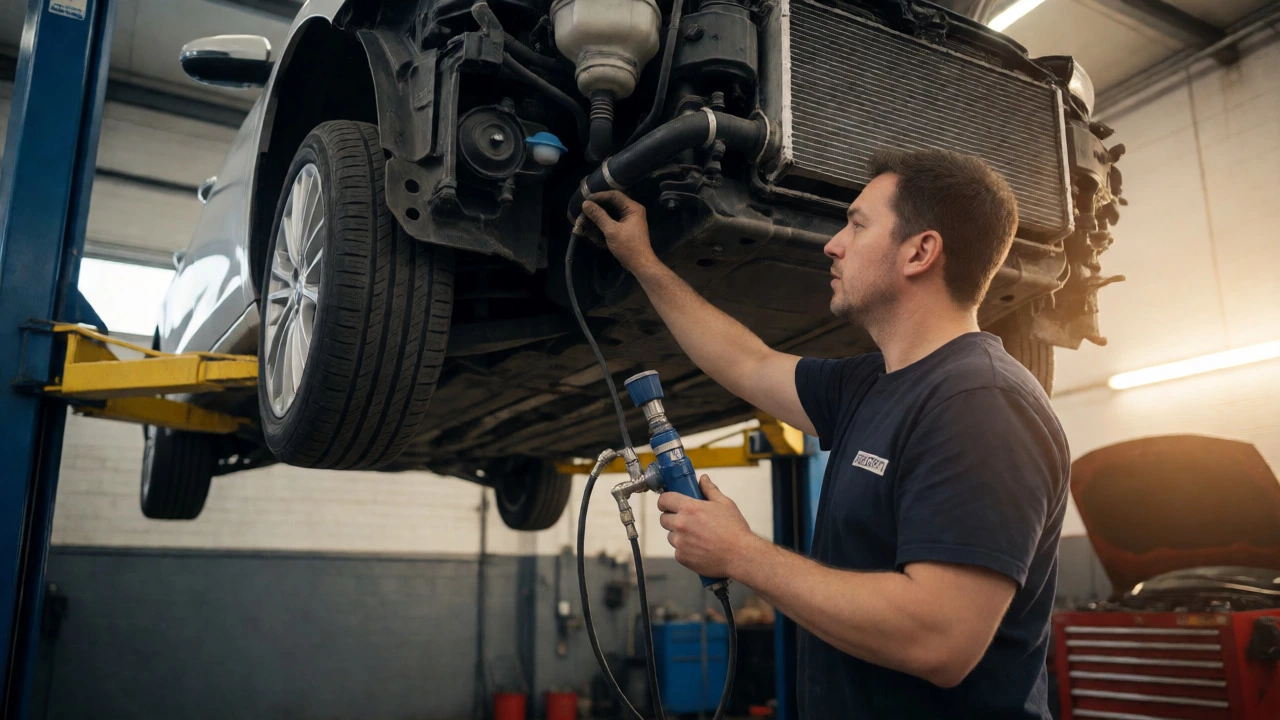
- Pressure Test: A mechanic can pressure-test the system. If the pressure drops, you have a leak. Don't buy a car with a known leak unless the price reflects the repair cost.
- Test Drive: Idle the car for 10 minutes. Does the temperature stay steady? Then drive it. Watch the gauge closely. Any fluctuation is suspicious.
Pro Tips for Extending Radiator Life
Prevention is cheaper than cure. Follow these rules to keep your cooling system healthy:
- Use Correct Coolant: Never use plain tap water long-term. Tap water contains minerals that cause scale buildup inside the radiator tubes. Use the manufacturer-recommended ethylene glycol or propylene glycol mix.
- Change Coolant Regularly: Coolant degrades over time, losing its anti-corrosion properties. Most manufacturers recommend changing it every 2-5 years or 30,000-60,000 miles. Check your owner's manual.
- Keep the Front Clean: Bugs, dirt, and leaves accumulate on the radiator fins. Gently clean them with a soft brush or compressed air (from the back forward) during car washes. Blocked fins mean poor heat transfer.
- Check Hoses and Clamps: Squeeze the upper and lower radiator hoses when the engine is cool. They should feel firm, not spongy. Cracked hoses can burst suddenly, emptying your coolant in seconds.
Frequently Asked Questions
How far can I drive with a leaking radiator?
If the leak is slow and the temperature gauge remains normal, you can likely drive 5-10 miles to the nearest shop. Keep the heater on max to help cool the engine. If the gauge rises, stop immediately. Driving further risks warping the engine head.
Can I drive without a radiator?
Technically, yes, for a few minutes. Some race cars run without radiators using ice tanks or evaporative cooling. For a standard street car, driving without a radiator will cause overheating within 5-10 minutes of operation. It is not recommended except for extreme emergencies to move the car out of traffic.
Is it cheaper to repair or replace a radiator?
For modern plastic-tank radiators, replacement is almost always better. Repairs are often temporary and prone to re-failure. Aluminum radiators can sometimes be welded, but the labor cost may exceed the price of a new aftermarket unit. Replacement ensures reliability and prevents future breakdowns.
What happens if I ignore a bad radiator?
Ignoring a bad radiator leads to engine overheating. This can warp the cylinder head, blow the head gasket, or crack the engine block. These repairs cost significantly more than a radiator replacement. In severe cases, the engine may seize, requiring a complete replacement.
Can I use water instead of coolant in an emergency?
Yes, distilled water is acceptable for short distances in an emergency. Tap water should be avoided if possible due to mineral content, but in a pinch, it is better than running dry. Replace the water with proper coolant mix as soon as possible to prevent corrosion and freezing issues.