Clutch Technique Impact Calculator
Driving Scenario
Enter how long you typically wait in traffic using a specific technique.
Comparison Results
Riding Clutch
Holding Bite PointClutch Kicking
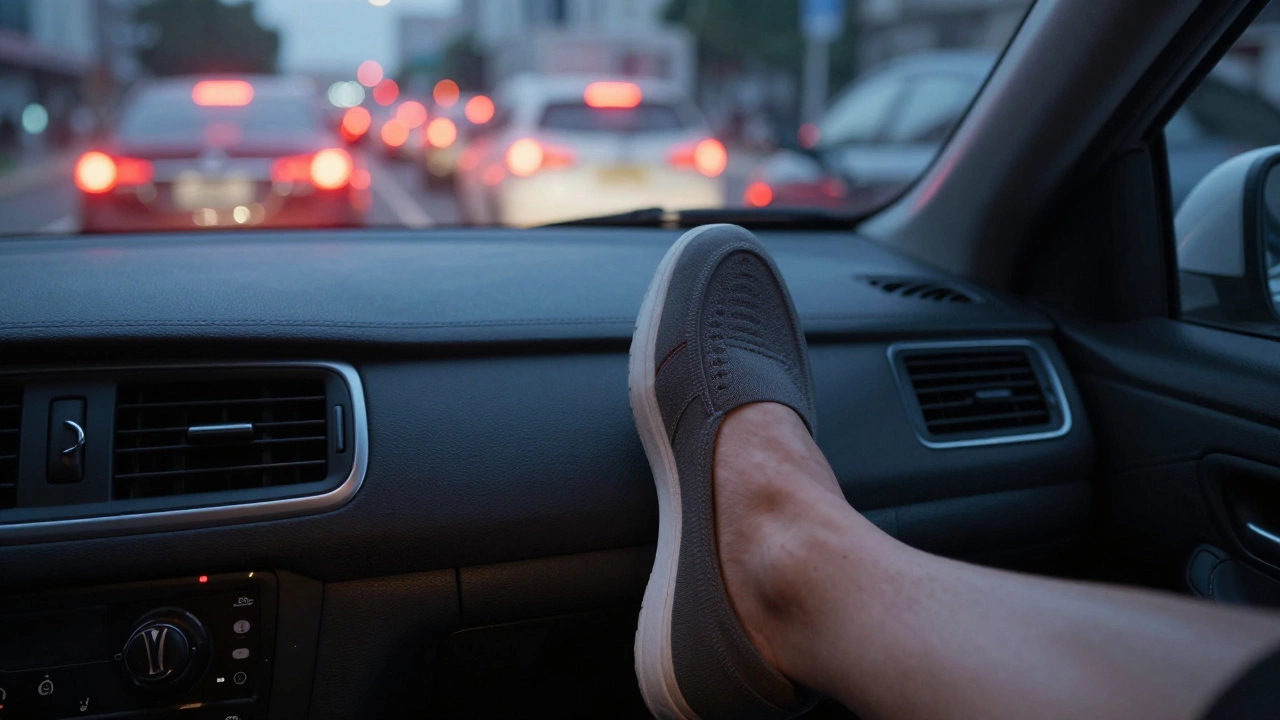
Full DisengageYou’re sitting in traffic. The light is red. You’ve been inching forward for ten minutes, your foot hovering over the pedal, trying to keep the engine from dying without creeping too fast. It’s annoying, it’s tiring, and you’re wondering if this constant balancing act is destroying your car. Then someone tells you to stop worrying and just clutch kick-lift off the gas, slam the clutch in, let the revs drop, and re-engage when you need to move again. But does this quick fix actually save your transmission, or are you secretly grinding away at your clutch life?
The short answer is no, clutch kicking doesn’t ruin your clutch in the way that riding the clutch does. In fact, done correctly, it can be gentler on the friction material than constantly slipping the plate. However, it introduces other stresses into your drivetrain that many drivers ignore. To understand whether you should adopt this technique or stick to the manual, we need to look at how a clutch actually works, what forces are at play during a stall, and where the real damage happens.
How a Clutch Actually Works
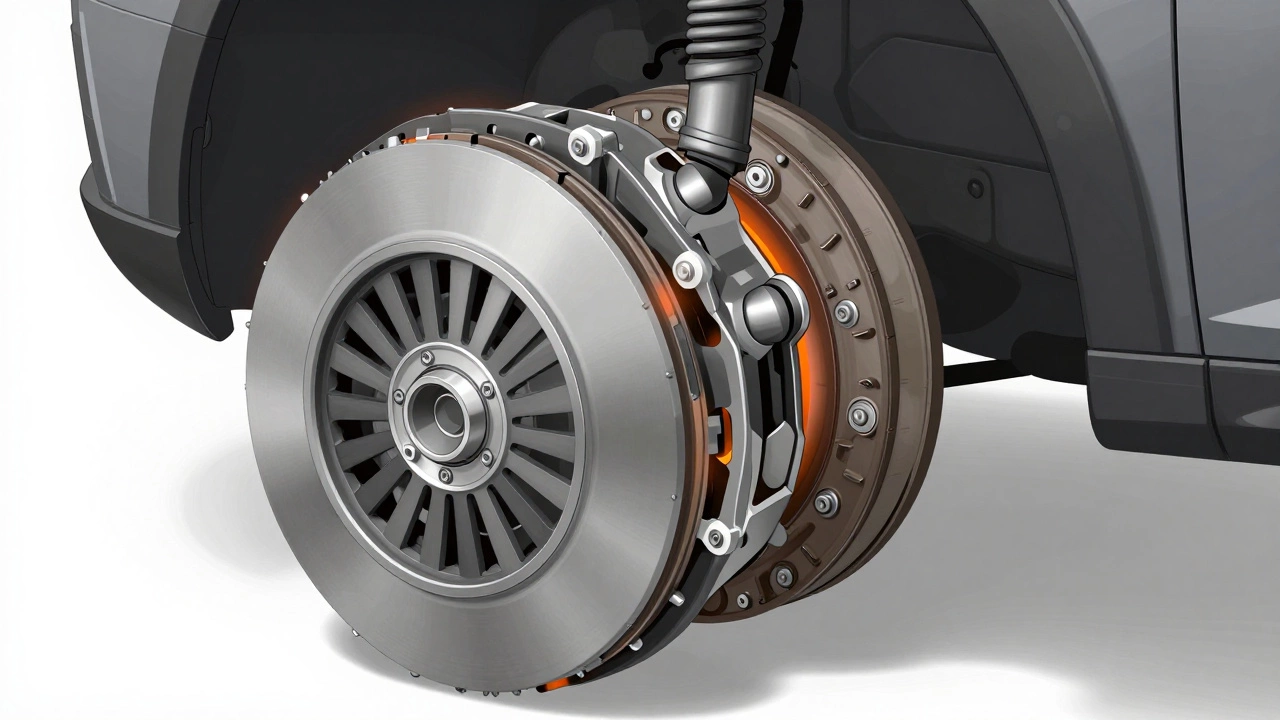
To figure out if an action damages a part, you first have to know what that part does. A clutch is a mechanical device that engages and disengages power transmission, especially between the engine and the driven shaft. In a standard manual car, it consists of three main components: the flywheel, the pressure plate, and the clutch disc.
When you press the pedal, you separate the clutch disc from the flywheel. This cuts the power flow from the engine to the wheels. When you release the pedal, the pressure plate clamps the disc against the flywheel, allowing torque to transfer. The magic-and the wear-happens at the interface between these spinning parts. Friction is what moves your car, but friction also generates heat and wears down material over time.
The clutch disc is lined with friction material, similar to brake pads but designed for different temperatures and pressures. Every time you slip the clutch (partially engaging it), you are rubbing these surfaces together. This is necessary for smooth starts and gear changes, but excessive slipping generates intense heat. Heat is the enemy of clutch longevity. If the disc gets too hot, the friction material glazes or cracks, leading to slippage and eventual failure.
What Is Clutch Kicking Exactly?
Clutch kicking is a driving technique used to prevent engine stalling by fully disengaging the clutch and letting the engine idle instead of maintaining partial engagement. Here is the step-by-step process:
- You are moving slowly or stopped in gear.
- Instead of holding the clutch at the "bite point" (where the car wants to move), you lift your foot completely off the accelerator.
- You quickly press the clutch pedal all the way to the floor.
- The engine RPM drops to idle because it is disconnected from the heavy load of the wheels.
- When you need to move again, you release the clutch smoothly and apply gas.
This technique is popular among taxi drivers, delivery van operators, and city commuters who spend hours in stop-start traffic. The logic is simple: keeping the clutch partially engaged for long periods causes significant wear. By fully disengaging it, you stop the friction entirely. The engine idles freely, and the clutch sits still, untouched.
The Argument for Clutch Kicking: Saving Friction Material
If you ride the clutch-keeping your foot resting lightly on the pedal while driving, or holding the bite point for seconds at a time-you are creating continuous friction. This is known as "slipping." Slipping the clutch heats up the disc rapidly. Over months of city driving, this heat degrades the organic or ceramic materials in the disc, thinning them out until they can no longer grip the flywheel effectively.
Clutch kicking eliminates this specific type of wear. When the pedal is fully depressed, the release bearing pushes against the diaphragm spring, separating the disc from the flywheel. There is zero contact. Zero friction. Therefore, zero wear on the friction surface itself. For drivers who frequently stall their cars by misjudging the bite point, switching to clutch kicking can significantly extend the life of the clutch disc. You are trading the precision of the bite point for the safety of full disengagement.
Additionally, it reduces driver fatigue. Holding a muscle tense to maintain precise pressure on the clutch pedal is exhausting. Releasing the pedal entirely allows your leg to rest. This mental and physical break can lead to better focus when you do need to engage the clutch for movement.
The Hidden Costs: Stress on Other Components
While clutch kicking saves the friction disc, it shifts the stress to other parts of the drivetrain. Understanding these trade-offs is crucial for deciding if the technique is right for your vehicle.
1. Shock Loads on the Transmission
When you re-engage the clutch after a kick, you are connecting a stationary or slow-moving wheel assembly to an engine that may be idling or revving slightly higher. If you release the clutch too quickly, you create a shock load. This sudden jolt travels through the input shaft of the gearbox, stressing the synchronizers and bearings. While modern transmissions are robust, repeated hard engagements can accelerate wear on these internal components. The key is to re-engage smoothly, not to dump the clutch.
2. Release Bearing Wear
The release bearing (or throw-out bearing) only works when the clutch pedal is pressed. Its job is to push against the pressure plate fingers to disengage the clutch. When you clutch kick, you are pressing the pedal fully and often holding it there for several seconds or even minutes while waiting for traffic. This keeps the release bearing under constant pressure and rotation. Bearings are designed for intermittent use, not prolonged static loads. Excessive clutch kicking can cause the release bearing to overheat and fail prematurely, leading to a noisy, grinding clutch pedal.
3. Engine Mounts and Driveline Bushings
Every time you disconnect and reconnect power, the engine twists slightly within its mounts. Frequent clutch kicking means frequent twisting motions. Over time, this can stretch or crack rubber engine mounts and driveline bushings. You might notice increased vibration or clunking noises when shifting gears if these components degrade. This is less about immediate failure and more about long-term structural fatigue.
Clutch Kicking vs. Riding the Clutch: Which Is Worse?
Let’s compare the two common bad habits side by side. Most drivers fall into one of these categories when stuck in traffic.
| Factor | Riding the Clutch (Holding Bite Point) | Clutch Kicking (Full Disengage) |
|---|---|---|
| Friction Disc Wear | High (Continuous Slipping) | None (No Contact) |
| Release Bearing Stress | Low (Pedal Released) | High (Pedal Depressed) |
| Transmission Shock | Low (Smooth Engagement) | Moderate (Sudden Re-engagement) |
| Driver Fatigue | High (Constant Muscle Tension) | Low (Leg Rest) |
| Engine Stalling Risk | High (If Misjudged) | Zero (Engine Idles Safely) |
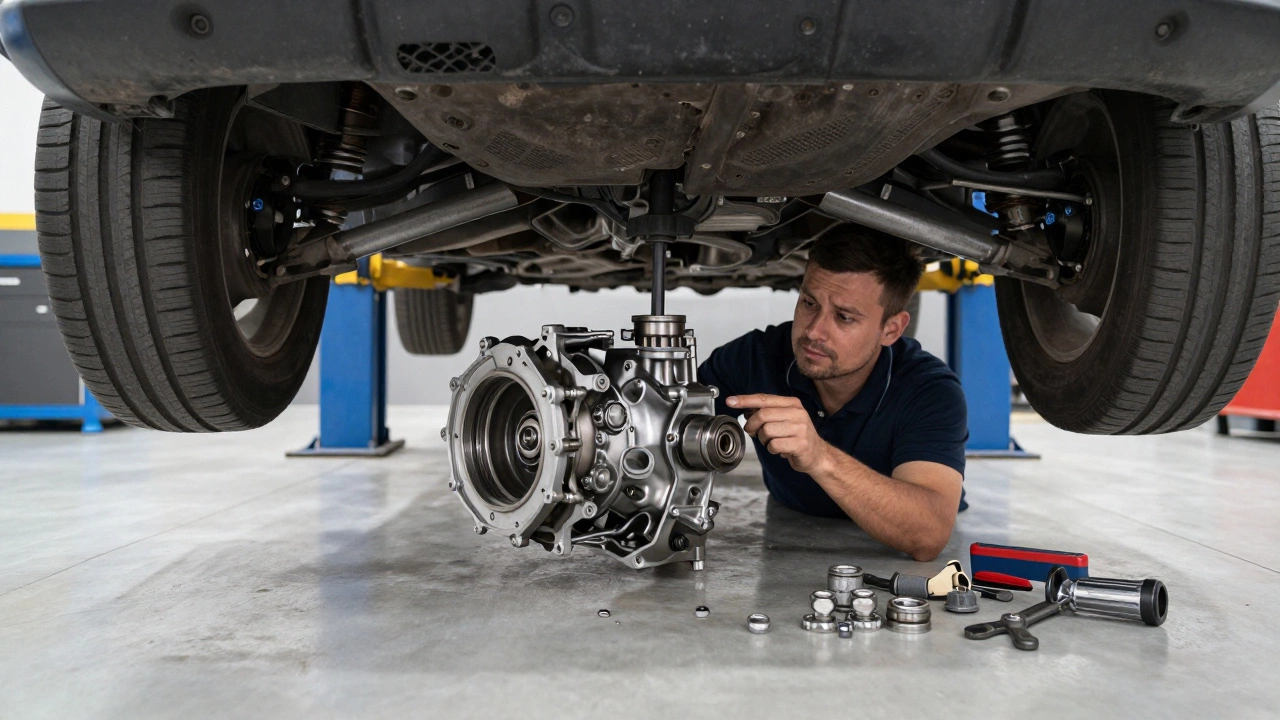
As you can see, neither method is perfect. Riding the clutch destroys the expensive clutch disc. Clutch kicking wears out the cheaper release bearing and stresses the transmission inputs. However, replacing a release bearing is generally much less labor-intensive and costly than replacing a full clutch kit. You don’t have to remove the transmission to change a bearing, whereas a clutch replacement requires dropping the gearbox. From a pure cost-of-repair perspective, clutch kicking is often the lesser evil.
Best Practices for City Driving
If you live in Manchester or any other congested city, you will face traffic daily. Here is how to minimize wear regardless of your technique:
- Use Neutral When Stopped: If you expect to be stationary for more than 10 seconds, shift into neutral and release the clutch pedal entirely. This rests both the friction disc and the release bearing. It is the gold standard for traffic jams.
- Avoid Resting Your Foot: Never rest your foot on the clutch pedal while driving. Even slight pressure can cause the release bearing to rub against the pressure plate, leading to premature wear.
- Smooth Re-engagement: If you do clutch kick, take your time releasing the pedal. Find the bite point gently rather than dumping the clutch. This protects the synchronizers and driveshafts.
- Listen to Your Car: If you hear a whining noise when the clutch pedal is pressed, your release bearing may be failing. If the car slips under acceleration, your disc is worn. Address these issues early.
When to Replace Your Clutch Kit
Knowing when to replace your clutch kit is a set of parts including the clutch disc, pressure plate, and release bearing used to restore clutch function depends on symptoms, not mileage. A well-maintained clutch can last 50,000 to 100,000 miles, but city driving with frequent clutch kicking or riding can shorten this to 30,000 miles or less.
Signs you need a new kit include:
- The clutch pedal feels spongy or sinks to the floor.
- The engine revs rise without a corresponding increase in speed (slippage).
- Gears grind when shifting, especially into reverse.
- A burning smell reminiscent of overheated brakes.
When replacing the clutch, always install a complete kit. Mixing old and new parts can lead to uneven wear and early failure. Ensure the flywheel is resurfaced or replaced, as a warped flywheel will destroy a new clutch disc quickly.
Final Thoughts on Clutch Longevity
Does clutch kicking ruin your clutch? Not directly. It spares the friction disc but taxes the release bearing and transmission inputs. Compared to the alternative-riding the clutch and burning out the disc-it is often a smarter choice for heavy traffic. However, the best practice remains shifting into neutral when stopped. Use clutch kicking as a temporary measure for short pauses, but avoid making it your primary driving style for extended periods. Treat your car’s drivetrain with respect, and it will reward you with years of reliable service.
Is it bad to hold the clutch pedal down for a long time?
Yes, holding the clutch pedal down for extended periods puts constant pressure on the release bearing. This can cause the bearing to overheat and fail prematurely. It is better to shift into neutral if you are stopped for more than a few seconds.
Does clutch kicking save money on repairs?
In most cases, yes. Replacing a release bearing is significantly cheaper and less labor-intensive than replacing a full clutch kit. Since riding the clutch destroys the expensive friction disc, clutch kicking is often the more economical choice in heavy traffic.
What is the difference between clutch kicking and riding the clutch?
Riding the clutch involves keeping the pedal partially pressed to maintain the bite point, causing continuous friction and heat. Clutch kicking involves fully depressing the pedal to disengage the clutch completely, eliminating friction but stressing the release bearing.
How long does a typical clutch last?
A typical clutch lasts between 50,000 and 100,000 miles. However, aggressive driving, frequent towing, or extensive city driving with poor clutch technique can reduce this lifespan to 30,000 miles or less.
Should I use neutral or clutch kicking in traffic?
Using neutral is the best option for long stops as it rests all clutch components. Clutch kicking is acceptable for short pauses but should not replace shifting into neutral for extended waits to avoid unnecessary wear on the release bearing.