Spark Plug Lifespan Estimator
Enter your vehicle details to estimate when you should replace your spark plugs. This tool adjusts manufacturer baselines based on real-world stress factors like city driving and turbocharging.
Estimated Lifespan Analysis
Base Lifespan
-- km
Adjusted Target
-- km
You’re cruising down the M60, the radio is on, and everything feels smooth. Then, a slight shudder at idle or a hesitation when you press the accelerator reminds you that your car isn’t just a box of metal-it’s a collection of parts with expiry dates. One of the most critical, yet often ignored, components is the spark plug. These small devices are responsible for igniting the fuel-air mixture in your engine cylinders. If they fail, your engine misfires, loses power, and drinks more fuel. But how long do they actually last? Is it 30,000 kilometers? 100,000? The answer depends entirely on what they’re made of.
Most drivers think of spark plugs as "set and forget" items, but that mindset can cost you. A worn-out plug doesn’t just stop working; it degrades performance gradually until you notice it too late. Understanding the lifespan of spark plugs in kilometers (km) helps you plan maintenance better, avoid breakdowns, and keep your engine running efficiently. Let’s break down exactly what determines their life expectancy and how to spot the signs before disaster strikes.
The Material Matters: Copper, Platinum, and Iridium
If you want a single number for spark plug lifespan, you won’t find one. It’s not like a tire tread depth gauge where wear is linear and obvious. The primary factor dictating how many kilometers a spark plug survives is the material used in its electrode-the part that creates the spark. Think of it like choosing between a paper cup and a steel tumbler. Both hold liquid, but one lasts way longer under heat and pressure.
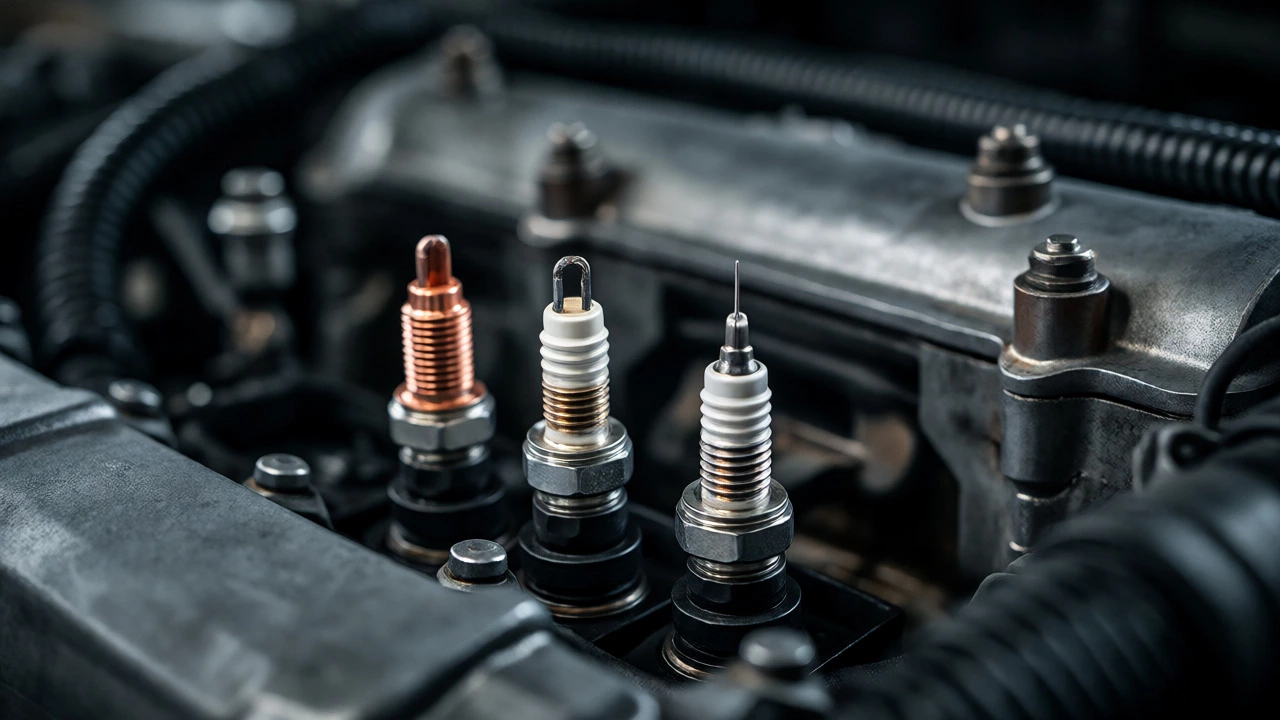
Copper core spark plugs are the budget option. They have a copper center electrode surrounded by a nickel alloy outer electrode. Copper conducts electricity well, but it erodes quickly under the intense heat of combustion. Typically, these last between 30,000 to 50,000 km. If you drive an older car or a high-performance vehicle with frequent short trips, expect them to hit the lower end of that range. They’re cheap, which is why some manufacturers still use them, but you’ll be replacing them more often.
Then there are platinum spark plugs. These feature a platinum pad on the center electrode. Platinum is much harder and more resistant to corrosion than nickel. This durability extends the lifespan significantly, usually reaching 80,000 to 100,000 km. You’ll often find these in mid-range modern cars from brands like Ford or Toyota. They offer a good balance between cost and longevity, making them a popular choice for daily drivers who don’t want to visit the garage every year.
Finally, we have iridium spark plugs. These are the premium tier. Iridium is six times harder and eight times stronger than platinum. Because it’s so durable, manufacturers can make the electrode tip extremely thin-sometimes as small as 0.4mm. A thinner tip requires less voltage to jump the gap, leading to a cleaner burn and better efficiency. Their lifespan typically ranges from 100,000 to 120,000 km, and some double-iridium models claim up to 150,000 km. Most new European cars, including BMWs, Audis, and Volkswagens, leave the factory with these installed.
| Plug Type | Estimated Lifespan (KM) | Relative Cost | Best For |
|---|---|---|---|
| Copper Core | 30,000 - 50,000 | Low | Older engines, high-performance modifications |
| Platinum | 80,000 - 100,000 | Medium | Daily drivers, standard modern vehicles |
| Iridium | 100,000 - 120,000+ | High | Luxury cars, turbocharged engines, long-term ownership |
Driving Habits: Why Your City Commute Kills Plugs Faster
Here’s a controversial truth: your driving style matters more than the brand of spark plug you buy. You could install top-tier iridium plugs in a car driven exclusively for school runs in Manchester traffic, and they might fail sooner than cheaper copper plugs in a car doing highway miles. Why? Combustion conditions.
When you drive in stop-and-go traffic, your engine spends a lot of time idling or running rich (using more fuel than necessary). This creates carbon deposits on the spark plug electrodes. Over time, this layer of grime insulates the electrode, making it harder for the spark to jump the gap. The ignition coil has to work harder, generating higher voltages that stress both the coil and the plug. In contrast, highway driving generates enough heat to burn off these deposits naturally-a process mechanics call "self-cleaning."
If you frequently take short trips (under 15 minutes), your engine never reaches optimal operating temperature. Moisture and unburnt fuel accumulate, accelerating corrosion and fouling. For city drivers, subtract 20% from the manufacturer’s stated lifespan. So, if your manual says 100,000 km, aim for 80,000 km. Conversely, if you mostly do long-distance motorway runs, you might stretch those intervals slightly, though sticking to the schedule is safer.

Turbochargers and Direct Injection: The Modern Stress Test
Modern engines are marvels of engineering, but they are also harsh environments for spark plugs. Two trends have shortened effective lifespans despite better materials: turbocharging and direct injection.
Turbocharged engines run at higher cylinder pressures and temperatures. The spark plug must ignite a denser mixture under greater compression. This increased thermal load accelerates electrode erosion. A spark plug rated for 100,000 km in a naturally aspirated engine might only last 70,000 km in a hot-running turbo unit. Always check if your vehicle’s service schedule specifies shorter intervals for turbo variants.
Direct injection (GDI) systems spray fuel directly into the combustion chamber rather than into the intake port. While this improves power and economy, it leads to carbon buildup on the intake valves and can affect spark plug cleanliness. More importantly, GDI engines often operate at leaner air-fuel ratios, creating hotter combustion events. This heat is the enemy of any spark plug. If you own a car with a GDI engine-like a Volkswagen TSI or Ford EcoBoost-inspect your plugs around the 60,000 km mark, even if they look fine on paper.
Signs Your Spark Plugs Are Dying Before the Mileage Limit
Mileage is a guideline, not a law. Your car will tell you when the plugs are failing through symptoms. Ignoring these signs can lead to catalytic converter damage, which costs thousands to replace. Here’s what to watch for:
- Rough Idling: If your car shakes or vibrates while stopped at a red light, one or more cylinders may be misfiring due to weak sparks.
- Sluggish Acceleration: Pressing the gas pedal feels delayed or unresponsive. The engine struggles to build RPMs smoothly.
- Poor Fuel Economy: A drop of 10-15% in miles per gallon (or liters per 100km) without other changes often points to incomplete combustion caused by worn plugs.
- Engine Misfires: You feel a sudden jerk or stumble during acceleration. On dashboard-equipped cars, this might trigger the Check Engine Light with codes like P0300 (random misfire).
- Hard Starting: If the engine cranks for a long time before catching, especially in cold weather, the plugs may not be generating a strong enough spark to ignite the cold fuel.
Don’t wait for the Check Engine Light to stay on permanently. Intermittent lights are early warnings. Addressing spark plug issues early prevents damage to the ignition coils, which are expensive and difficult to access on many modern engines.
How to Extend Spark Plug Life
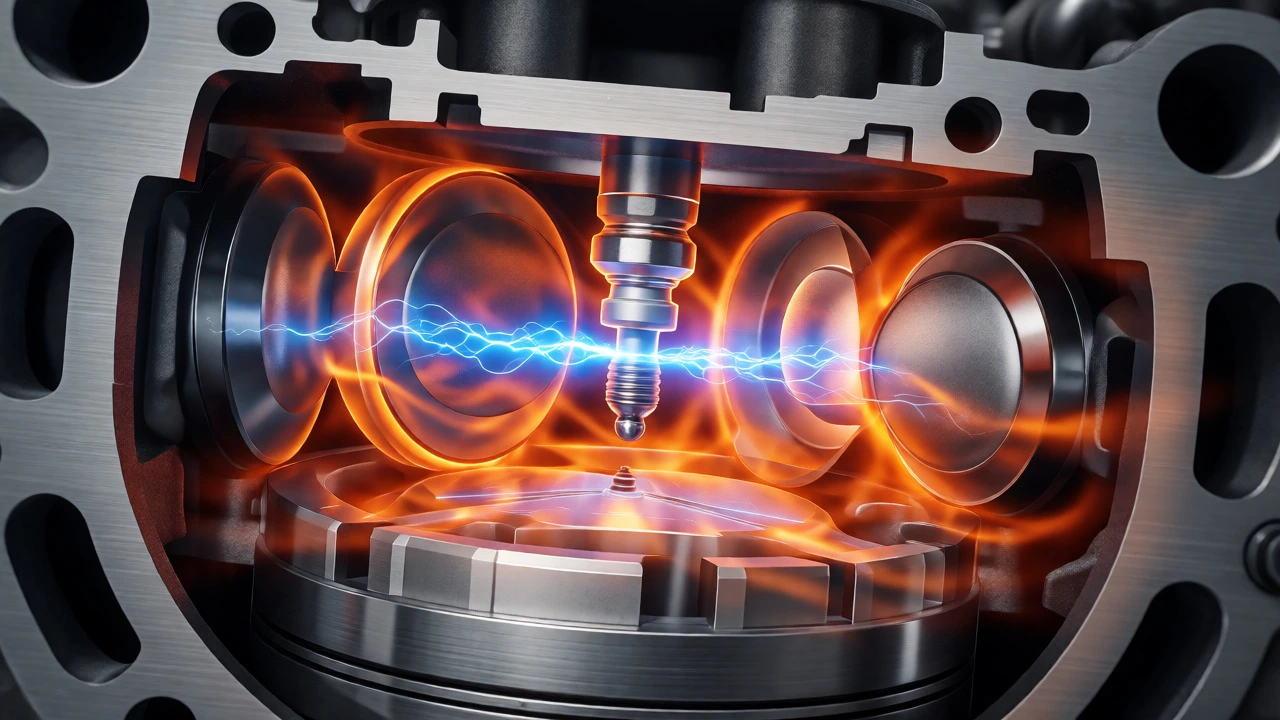
You can’t change physics, but you can reduce the stress on your ignition system. First, use the correct grade of engine oil. Some oils contain additives that can foul spark plugs if they leak past the piston rings. Stick to the manufacturer’s recommended viscosity and specification (e.g., VW 504 00 for many German cars).
Second, ensure your air filter is clean. A clogged air filter forces the engine to draw in more air through alternative paths or run richer mixtures, increasing carbon buildup on plugs. Replacing a £10 air filter can save you hundreds in premature spark plug replacements.
Third, address vacuum leaks promptly. Hissing noises or erratic idling suggest unmetered air entering the engine, causing lean conditions that overheat the plugs. Fixing a cracked hose is cheap; replacing four iridium plugs and two ignition coils is not.
Frequently Asked Questions
Can I drive with bad spark plugs?
You can drive for a short distance, but it’s risky. A severely worn plug can cause the ignition coil to overheat and fail. Additionally, unburnt fuel from a misfiring cylinder can wash oil off the cylinder walls, causing internal engine wear, or enter the exhaust system, destroying the catalytic converter. It’s best to replace them as soon as possible.
Do all spark plugs need to be replaced at the same time?
Yes. Even if only one plug looks worn, replace the entire set. New plugs have different resistance and gap characteristics than old ones. Mixing them can cause uneven firing, rough idle, and put extra strain on the ignition coils. It’s also labor-efficient since accessing the plugs usually requires removing multiple components.
What happens if I exceed the recommended mileage?
Exceeding the limit increases the risk of the electrode wearing down completely or the plug breaking off inside the cylinder head. If a piece of the plug falls into the engine, it can cause catastrophic damage. Furthermore, the wider gap requires higher voltage, which can burn out your ignition coils, doubling the repair cost.
Are iridium plugs worth the extra cost?
For most modern cars, yes. While they cost 2-3 times more than copper plugs, they last 3-4 times longer. When you factor in labor costs (which are often higher than the parts themselves for complex engine layouts), iridium plugs are cheaper in the long run. They also provide more consistent performance and better fuel efficiency.
How do I know which spark plug my car needs?
Check your owner’s manual for the specific OEM part number. Alternatively, remove one existing plug and match its physical characteristics (thread size, reach, hex size) and heat range. Using online configurators from brands like NGK or Bosch with your vehicle’s registration plate is also a reliable method to ensure compatibility.