Air Filter Cost Calculator
Calculate Your Savings
Compare standard disposable filters versus premium reusable filters based on your planned mileage
Results
Break-even point: Your premium filter becomes cheaper after 0 miles
Most drivers swap out their air filter every 12,000 to 15,000 miles without thinking twice. But what if you’re staring at a premium air filter that costs three times as much as the standard one? Is it just marketing hype, or does it actually make your car run better, last longer, or save you money down the line?
What even is a premium air filter?
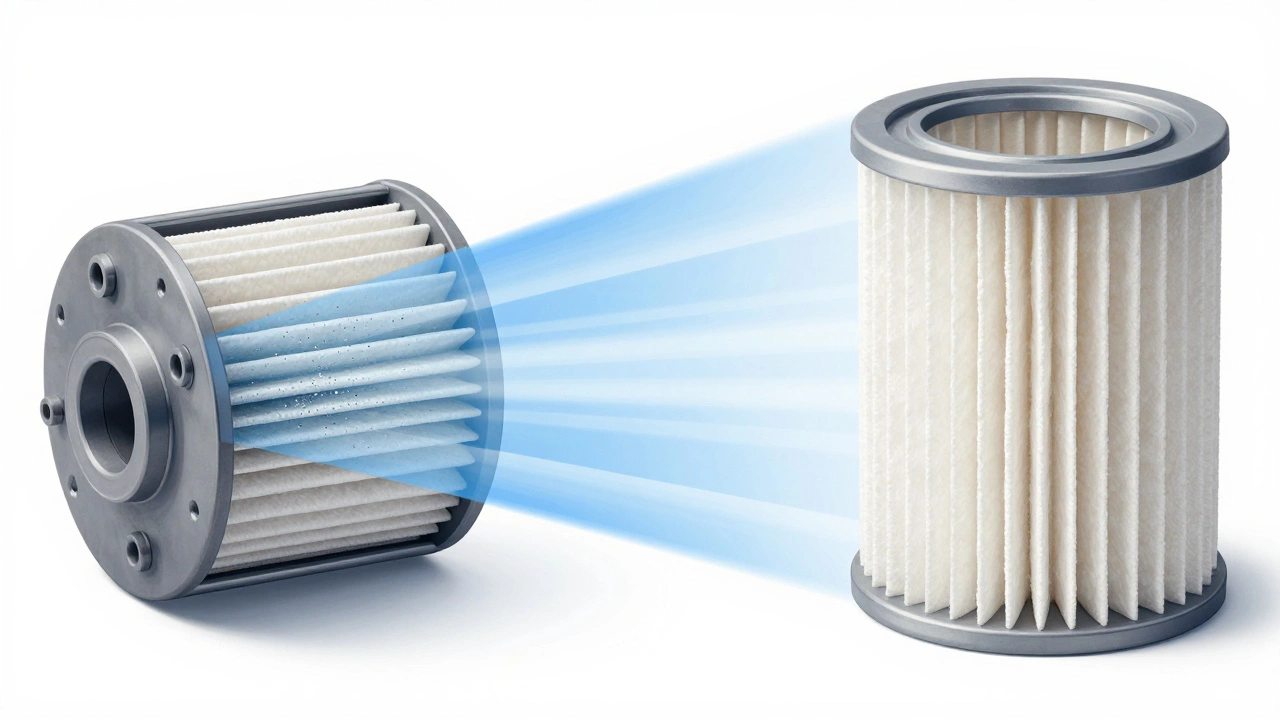
A premium air filter isn’t just a fancier version of the same thing. It’s built differently. Standard paper filters are made from pleated cellulose - cheap, effective at trapping dust, and designed to be replaced often. Premium filters, like those from K&N, BMC, or AEM, are usually made from cotton gauze soaked in oil, wrapped around a metal frame, and designed to be cleaned and reused. They’re marketed as offering better airflow, longer life, and improved engine performance.
But here’s the thing: your engine doesn’t care if the filter is reusable or disposable. It only cares about one thing - how much clean air it gets. And that’s where the real difference starts to show.
Does a premium air filter improve horsepower?
Yes - but barely.
Independent tests from automotive magazines like Car and Driver and MotorTrend show that premium filters typically add between 1 and 3 horsepower on average. That’s less than the power you lose when you turn on the air conditioning. On a 150-horsepower engine, that’s a 2% gain. On a turbocharged engine, you might see slightly more - up to 5 horsepower - because the turbo is more sensitive to airflow restrictions.
But here’s the catch: that gain only shows up under full throttle. In normal driving - stop-and-go traffic, motorway cruising, gentle acceleration - you won’t feel a thing. The engine management system adjusts fuel delivery automatically. You won’t notice better throttle response, smoother acceleration, or louder intake noise unless you’re actively listening for it.
What about fuel economy?
Don’t expect savings.
Some manufacturers claim premium filters improve fuel economy by reducing air resistance. In theory, yes. In practice, no. A 2018 study by the Society of Automotive Engineers (SAE) tested over 20 vehicle models with both OEM and performance filters. The average fuel economy difference was 0.1% - statistically meaningless. One car gained 0.2 mpg. Another lost 0.1 mpg. The rest were dead even.
If you’re hoping a premium filter will cut your fuel bill, you’re better off driving slower, keeping your tires properly inflated, or removing roof racks. Those changes have real, measurable impact.
Longevity and cost over time
This is where premium filters start to make sense - if you’re patient.
A standard paper filter costs £10-£18 and needs replacing every 12,000-15,000 miles. Over 100,000 miles, that’s about £70-£100 in replacements.
A premium reusable filter costs £50-£120 upfront. But it lasts the life of the car. You clean it every 30,000-50,000 miles with a £10 cleaning kit. Over 100,000 miles, you might spend £70 total - £60 for the filter, £10 for cleaning fluid.
So if you keep your car for more than 5 years or drive over 60,000 miles, the premium filter breaks even. After that, you’re saving money. But you have to be willing to do the work. Cleaning a filter isn’t hard - it takes 30 minutes, involves soaking, rinsing, and re-oiling - but most people forget. If you skip cleaning, the filter clogs up and loses its advantage.
What about protection?
This is the most important part.
Engine damage from dirt is real. A clogged or damaged filter lets dust into the cylinders. That grit scrapes piston rings, wears valves, and turns your engine into a costly repair job.
Standard paper filters are rated to capture 98-99% of particles down to 5 microns. Premium cotton filters capture 97-98%. That’s a tiny difference. But here’s the twist: premium filters are less dense. That means they can let through slightly more fine dust - especially in dusty environments like construction zones, gravel roads, or dry climates.
In the UK, where roads are mostly paved and dust levels are low, this isn’t a big concern. But if you live near a farm, drive off-road, or often travel on unpaved roads, the paper filter’s tighter weave gives you better protection. Premium filters aren’t dangerous - they’re still far better than no filter - but they’re not superior in every way.
Who actually benefits?
Three types of drivers get real value from premium air filters:
- Car enthusiasts who maintain their own vehicles. If you enjoy working on your car and don’t mind cleaning a filter every few years, the long-term savings and satisfaction make sense.
- People who keep their cars for 10+ years. If you plan to drive your car past 100,000 miles, the upfront cost pays off. You’re not just saving money - you’re avoiding the hassle of buying replacements.
- Drivers with modified engines. If you’ve added a performance exhaust, remapped the ECU, or upgraded the turbo, your engine needs more airflow. A premium filter can help it breathe better - especially when paired with other mods.
For everyone else - the average commuter, the family car driver, the short-term lease holder - the premium filter is overkill. You’re paying extra for a feature you won’t notice, and you’re not saving money unless you hold onto the car for a decade.
The hidden downside
There’s one thing nobody talks about: warranty risk.
Some manufacturers - especially premium car brands like BMW, Audi, and Mercedes - explicitly state that using non-OEM filters can void your powertrain warranty. Not because the filter is bad, but because they can’t guarantee how it affects long-term engine wear.
If you’re still under warranty, stick with the OEM filter. It’s cheap, it’s proven, and it keeps your coverage intact. Once the warranty expires? Then you can upgrade if you want.
Real-world example: A 2018 Ford Focus
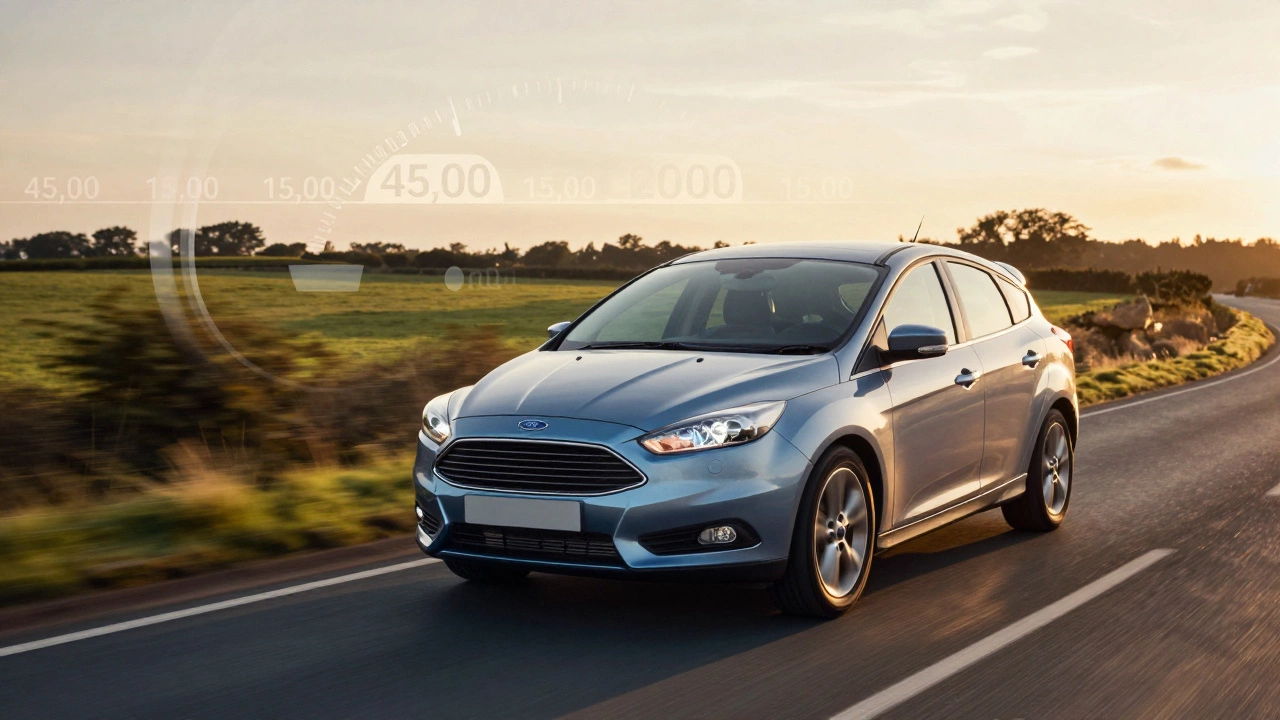
Let’s say you drive a 2018 Ford Focus with 45,000 miles. You plan to keep it until 120,000 miles. You’ve already replaced the air filter once - at 45,000 miles - for £14.
If you stick with paper filters, you’ll need two more replacements: £14 each. Total: £42.
If you switch to a K&N filter now - £65 - you’ll need one cleaning kit (£12) at 90,000 miles. Total: £77.
At first glance, the premium filter costs more. But if you wait until 90,000 miles to switch, you’ll have spent £28 on two paper filters already. Switching then means £65 + £12 = £77, same as before. But now you’ve got 30,000 miles of free filtering left. That’s £42 saved.
Timing matters. Buy the premium filter early, and you pay more upfront. Buy it late, and you’ve already wasted money on paper filters.
Final verdict: Should you buy one?
Here’s the simple rule:
- Buy a premium air filter if: You plan to keep your car for 8+ years, you’re comfortable cleaning it yourself, you drive in clean conditions, and you’ve already modified your engine.
- Stick with a standard filter if: You trade cars every 3-5 years, you don’t do your own maintenance, you’re still under warranty, or you just want to drive without thinking about it.
The premium air filter isn’t a magic upgrade. It doesn’t make your car faster, more fuel-efficient, or more reliable in everyday use. But if you’re the kind of person who likes to do things right and keep things running for the long haul, it’s a smart, practical choice.
For everyone else? Save your money. Your car won’t miss it.