AC Filter Maintenance Decision Tool
Not sure if you should wash that dusty rectangle or throw it away? Select your filter type below to get a personalized recommendation.
Fiberglass
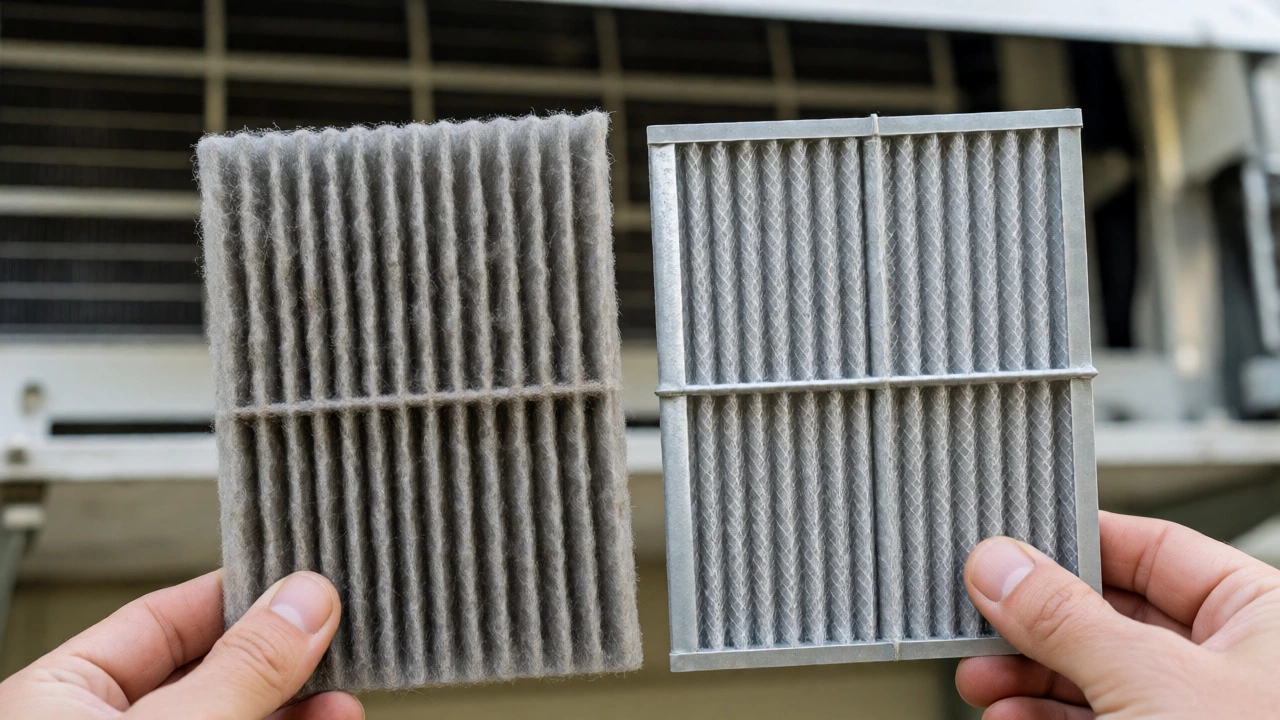
White, fluffy, cardboard frame. Looks like a cloud.
Single-UsePleated Paper
Accordion-folded paper in a cardboard/plastic frame.
Usually ReplaceElectrostatic Mesh
Plastic or metal mesh. Stiff, metallic sheen.
ReusableHow to Clean Properly:
- • Turn off power & remove gently.
- • Vacuum loose debris first.
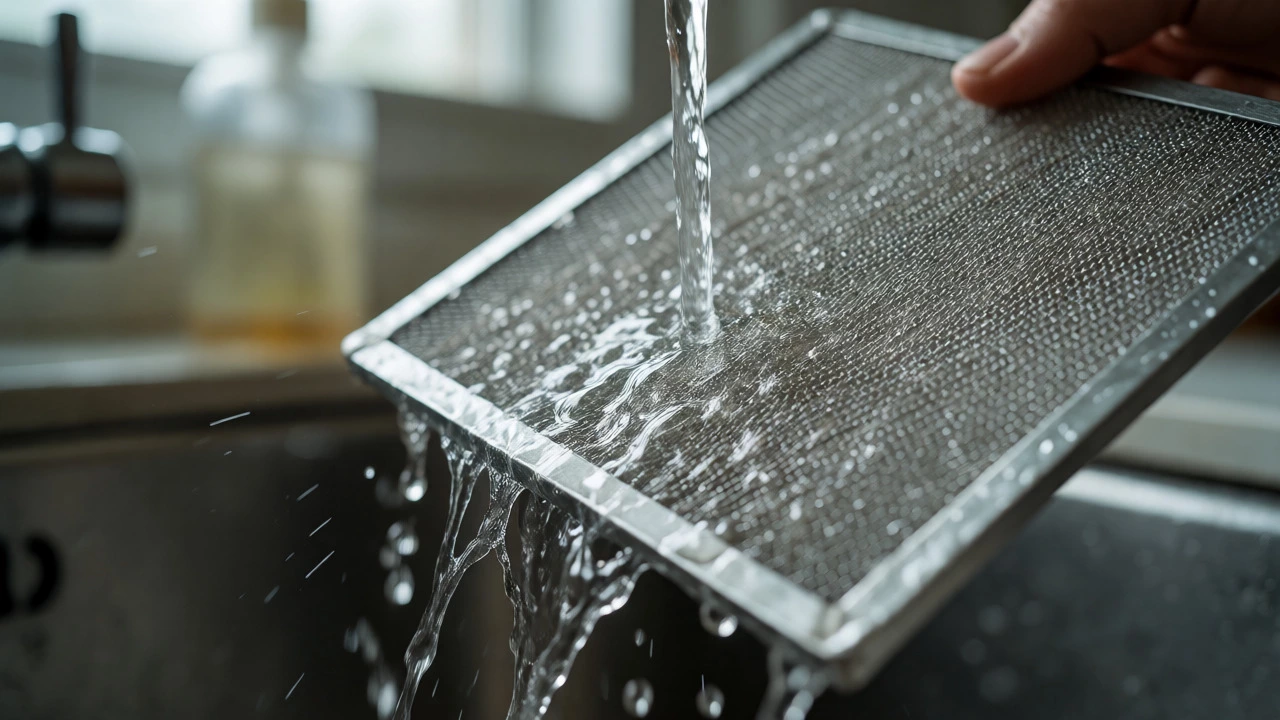
- • Rinse with lukewarm water (no hot water).
- • Use mild soap if greasy; rinse thoroughly.
- • Air dry completely for 24+ hours before reinstalling.
Why Replace?
You’re standing in front of your open AC unit, holding a grey, fuzzy rectangle that looks like it’s seen better days. The manual says "replace," but the price tag on new filters makes you wince. Can’t you just wash it off and put it back? It’s the million-dollar question for anyone trying to keep their home cool without breaking the bank. The short answer is: it depends entirely on what kind of filter you have. But the long answer involves understanding how these things work, why some are trashable while others are treasure, and when cleaning actually hurts more than it helps.
Can I clean my AC filter instead of replacing it?
Yes, but only if you have a reusable filter. Disposable fiberglass or pleated paper filters cannot be effectively cleaned; they must be replaced. Reusable electrostatic or mesh filters can be washed with water and mild detergent, dried completely, and reinstalled.
Know Your Filter Type Before You Grab the Hose
Not all AC filters are created equal. Treating them as identical components is the biggest mistake homeowners make. If you try to wash a paper-based filter, you’ll turn it into pulp. If you throw away a high-quality metal mesh, you’re wasting money. Here’s how to tell them apart at a glance.
Fiberglass Filters are the cheap, white, fluffy ones often found in basic window units or older central air systems. They look like a cloud trapped in cardboard. These are strictly single-use. Once dust clogs those fibers, washing them destroys the structure. You can’t get the deep-seated grime out, and the frame warps when wet. Toss them.
Pleated Paper Filters are the most common type in modern homes. They look like accordion-folded paper inside a cardboard frame. While they catch more particles than fiberglass, they are also generally disposable. Some manufacturers claim certain heavy-duty pleated filters can be vacuumed, but washing them usually ruins the adhesive holding the pleats together. When in doubt, replace.
Reusable Electrostatic Filters are made of plastic or metal mesh. They might feel stiff or have a metallic sheen. These are designed to be washed. They use static electricity to trap dirt, and this charge remains effective after proper cleaning. If your filter feels like plastic or aluminum rather than paper, you likely have a reusable one.
| Filter Type | Material | Cleanable? | Lifespan | Best For |
|---|---|---|---|---|
| Fiberglass | Glass wool & cardboard | No | 1 month | Budget protection |
| Pleated Paper | Cotton/paper blend | Rarely (Vacuum only) | 3 months | Allergen control |
| Electrostatic Mesh | Plastic/Metal | Yes | 5+ years | Eco-friendly homes |
The Risks of Washing Disposable Filters
You might think, "It’s just dirt, surely water removes it." With disposable filters, water does remove surface dirt, but it creates three new problems. First, moisture gets trapped deep within the dense paper matrix. Even if the outside looks dry, the inside stays damp. Put that back in your AC, and you’ve created a perfect breeding ground for mold and bacteria. Next time the fan kicks on, you’re blowing spores directly into your living room.
Second, the structural integrity fails. Cardboard frames swell and lose shape. Pleats stick together, reducing airflow capacity by up to 50%. Your AC unit has to work harder to pull air through, increasing energy bills and straining the blower motor. Third, you lose filtration efficiency. The fine fibers that catch pollen and pet dander mat down when wet. A "cleaned" paper filter often catches less dust than a brand-new one because the gaps between fibers have collapsed.
How to Properly Clean Reusable Filters
If you have confirmed you own a reusable mesh or electrostatic filter, cleaning is straightforward. Don’t overcomplicate it. You don’t need specialized chemicals. In fact, harsh detergents can strip the static charge from electrostatic models. Stick to simple tools and gentle techniques.
- Turn off the power. Never touch an AC filter while the unit is running. Safety first.
- Remove gently. Slide the filter out carefully. Shake it over a trash bin to dislodge loose debris before getting it wet.
- Vacuum first. Use a brush attachment on your vacuum cleaner to remove large dust bunnies. This prevents mud from forming during the wash.
- Wash with lukewarm water. Rinse the filter under a gentle stream of tap water. Do not use hot water, which can warp plastic frames. Avoid high-pressure hoses, which can tear fine mesh.
- Use mild soap if needed. For greasy buildup (common in kitchens), add a drop of dish soap. Gently rub with your hands. Rinse thoroughly until no suds remain.
- Dry completely. This is critical. Let the filter air dry in a shaded area for at least 24 hours. Sunlight can degrade plastic over time. If you reinstall a damp filter, you risk mold growth immediately.
When Cleaning Isn't Enough: Signs You Need Replacement
Even reusable filters have limits. If you notice any of these signs, skip the sink and head to the store:
- Tears or holes: Any breach in the mesh lets unfiltered air bypass the system, depositing dust on your evaporator coils.
- Permanent odors: If the filter smells musty even after washing and drying, bacteria may have colonized the material. Time for a swap.
- Warped frames: If the filter doesn’t sit snugly in its slot, air leaks around the edges. A warped reusable filter is useless.
- Visible degradation: Brittle plastic or corroded metal indicates the end of the lifespan.
Impact on Energy Bills and Air Quality
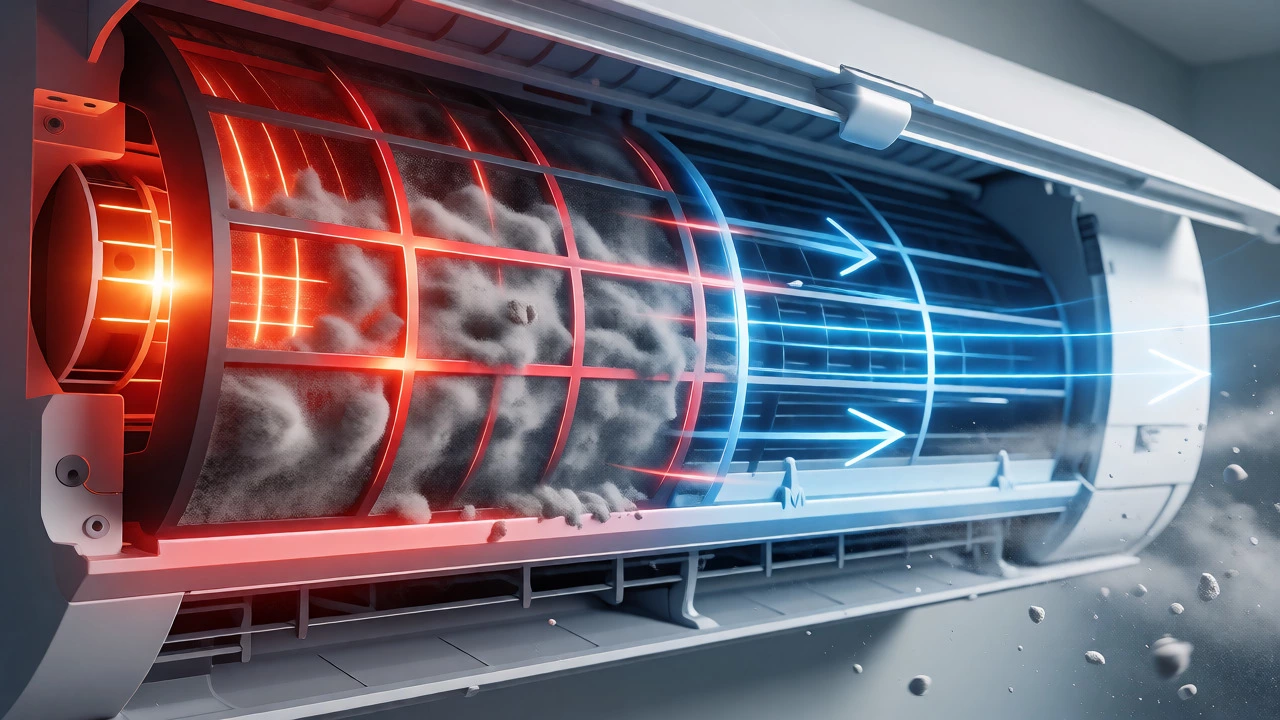
A dirty filter restricts airflow. According to the U.S. Department of Energy, a clogged filter can increase energy consumption by 15% to 20%. Think about that next time you see your summer electric bill. Your compressor runs longer cycles to reach the set temperature, wearing out faster.
For people with allergies or asthma, the stakes are higher. A saturated filter releases trapped allergens back into the air. If you find yourself sneezing more indoors during peak cooling season, check your filter status. A clean filter captures 90% of airborne particles above 10 microns. A neglected one might capture less than 50%, depending on the load.
Pro Tips for Longer Filter Life
You can extend the time between replacements or cleanings with a few habits. Vacuum your vents monthly to reduce the dust load entering the system. Keep pets groomed; shedding hair clogs filters twice as fast. Consider installing a pre-filter-a coarse foam sheet that catches big particles-so your main filter stays cleaner longer. Also, change your thermostat fan setting to "On" instead of "Auto" during dusty periods. Running the fan continuously keeps air moving through the filter, preventing settling and clumping.
How often should I check my AC filter?
Check every month during heavy usage seasons (summer). Inspect visually; if it looks grey or clogged, clean or replace it immediately. Homes with pets or smokers require more frequent checks.
Can I use vinegar to clean my AC filter?
Yes, diluted white vinegar can help disinfect reusable filters and remove mineral deposits. Mix one part vinegar with three parts water, soak for 30 minutes, then rinse thoroughly. Ensure the smell dissipates completely before reinstalling.
What happens if I run the AC without a filter?
Never run your AC without a filter. Dust accumulates on the evaporator coil, reducing heat exchange efficiency and potentially causing the coil to freeze. It also spreads allergens throughout your home and can damage the blower motor.
Are expensive HEPA filters worth cleaning?
Most true HEPA filters are disposable. While some electronic air cleaners use washable plates, standard high-efficiency particulate air filters lose effectiveness if washed. Check the manufacturer's label; if it says "HEPA," assume it needs replacement unless specified otherwise.
Does cleaning the filter improve cooling speed?
Yes. A clean filter allows optimal airflow, enabling the system to cool rooms faster. Restricted airflow causes cold air to blow weakly, making the room feel warmer despite the unit running.