Can You Drive With Bad Brake Pads? Risks, Signs & Safety Guide
Driving with bad brake pads risks severe accidents and expensive repairs. Learn the warning signs, stopping distance dangers, and cost-effective maintenance tips to stay safe.
When it comes to your car, car maintenance, the routine checks and repairs that keep your vehicle running safely and efficiently. Also known as vehicle upkeep, it’s not about fancy upgrades—it’s about catching small problems before they turn into expensive repairs. In the UK, with our wet roads, stop-start traffic, and aging vehicles, skipping basic care can cost you hundreds—or even thousands—down the line. You don’t need to be a mechanic to do this. Most of it takes five minutes, a flashlight, and a little attention.
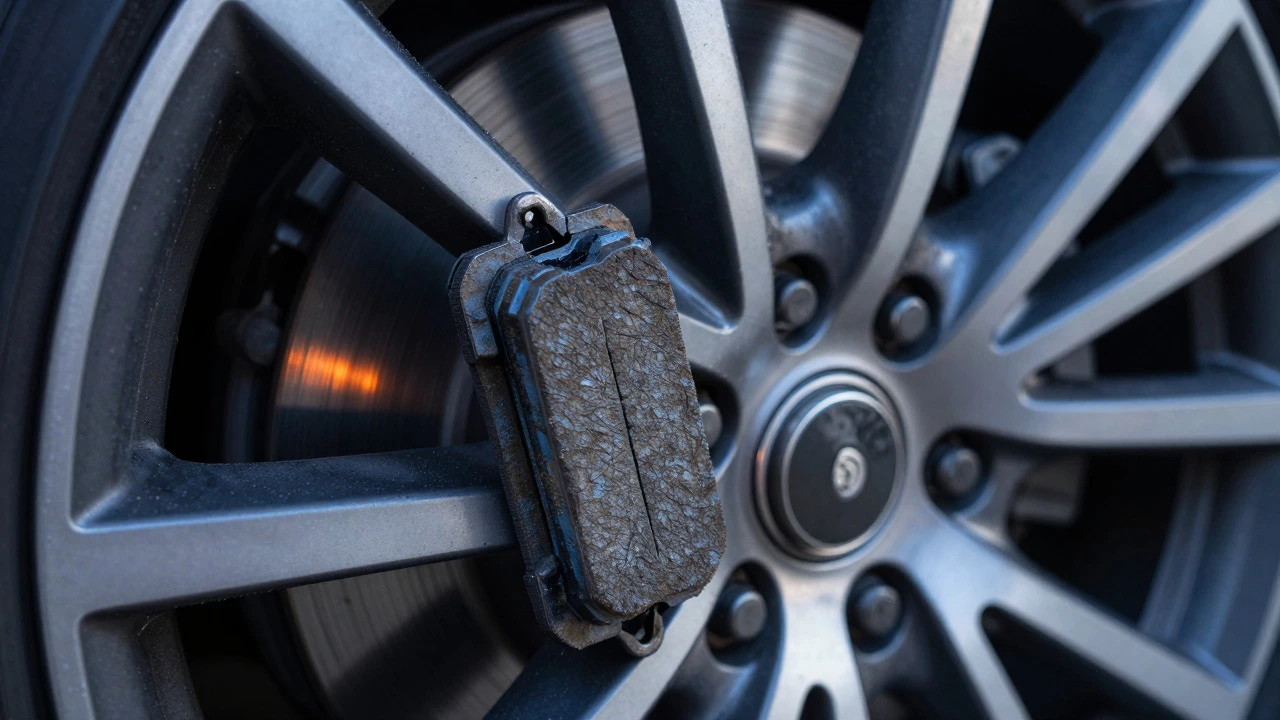
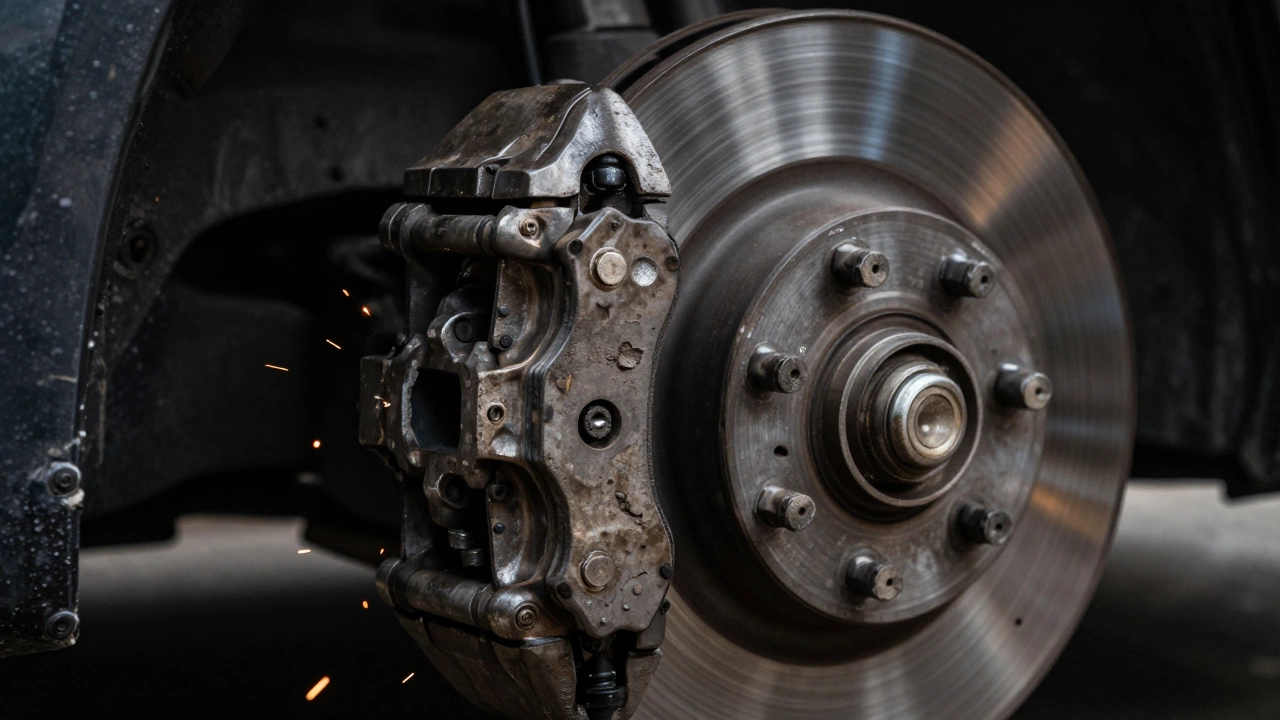
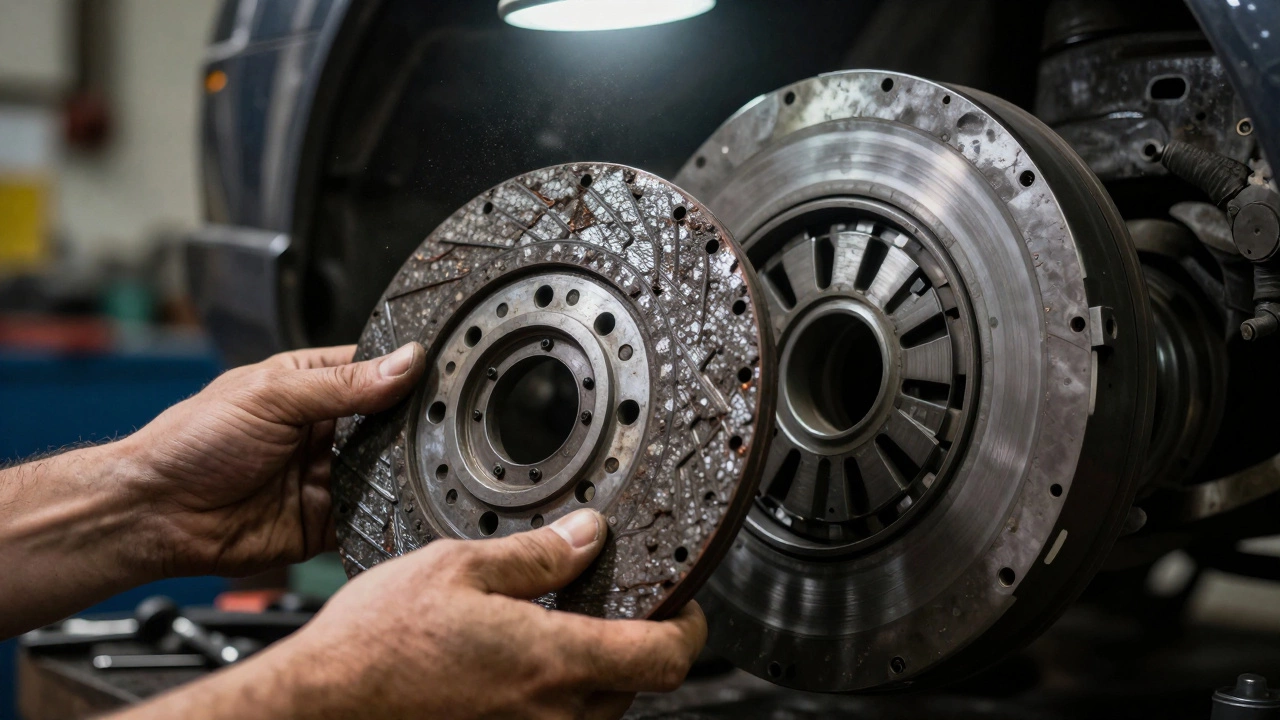
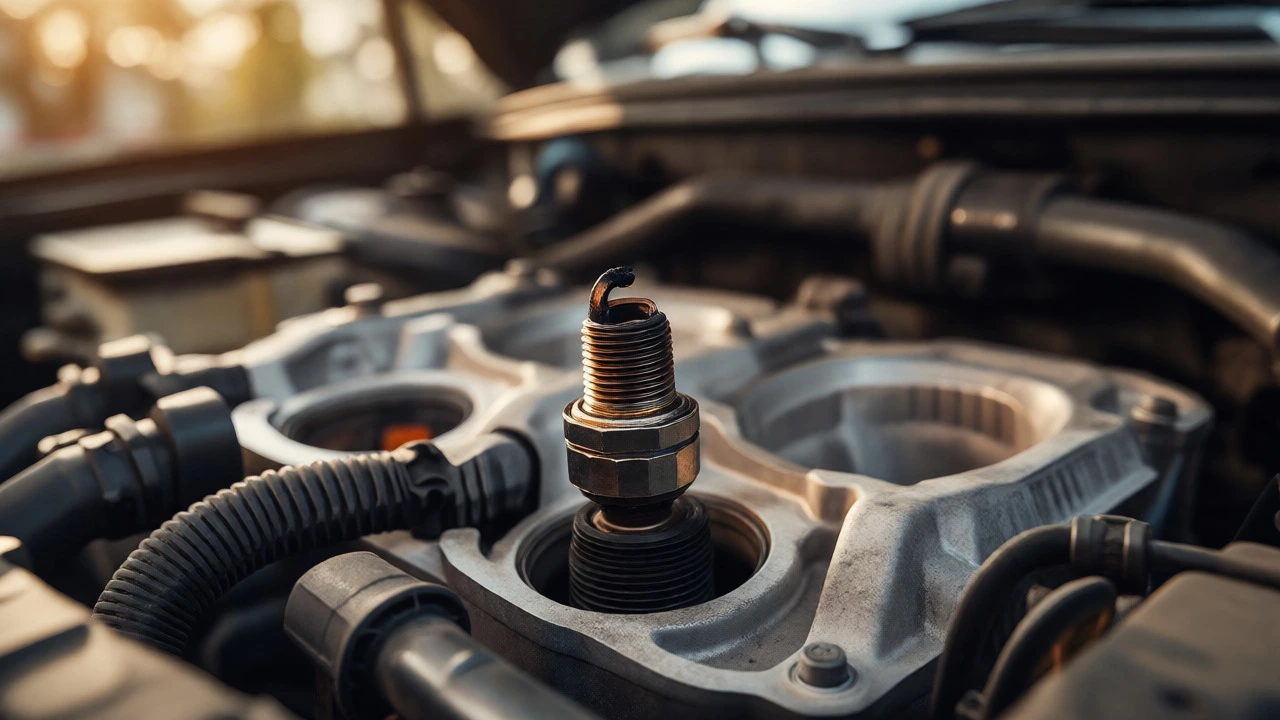
Take brake pads, the friction material that slows your car when you press the pedal. If they’re worn thin, your brakes won’t stop you fast enough, and you might damage the rotors. Most UK drivers need new pads by 30,000 miles, not the 60,000 some manufacturers claim. You can check them yourself: look through the wheel spokes for thin metal, listen for squealing, or feel if the pedal feels spongy. Then there’s the spark plugs, tiny but critical parts that ignite fuel in your engine. If they’re old or fouled, your car will misfire, waste fuel, and struggle to start. Replacing them every 60,000 miles is often the cheapest performance upgrade you’ll ever make.
Your radiator, the system that keeps your engine from overheating. doesn’t last forever. Most last 8 to 15 years, but if coolant leaks or gets dirty, it can fail suddenly and wreck your engine. Check for puddles under the car, odd smells, or rising temperature gauges. And don’t forget the suspension, the parts that smooth out bumps and keep your tires on the road. Worn struts or shocks make your car bounce, wear tires unevenly, and stretch your stopping distance. If your car feels loose over bumps or dives hard when braking, it’s time to look.
These aren’t optional. They’re the foundation of safe, reliable driving. And the good news? You don’t need to spend a fortune. Many of these checks can be done at home with basic tools. Some fixes, like swapping brake pads or spark plugs, save you hundreds compared to a garage. Others, like checking your radiator fluid, cost nothing but a few minutes. The posts below give you step-by-step guides for each of these tasks—no jargon, no fluff. You’ll learn how to spot trouble early, fix it yourself, or know when to call a pro. Whether you’re driving a 10-year-old hatchback or a tuned sports car, this is the real-world advice that keeps cars on the road longer and your wallet full.
Driving with bad brake pads risks severe accidents and expensive repairs. Learn the warning signs, stopping distance dangers, and cost-effective maintenance tips to stay safe.
Discover if clutch kicking damages your car. We explain the mechanics of clutch wear, compare techniques, and offer tips to extend your clutch kit's life in city traffic.
Find out if you need a new flywheel when replacing your clutch. Learn about Dual Mass vs. Single Mass flywheels, signs of failure, and why skipping this step can cost you more in the long run.
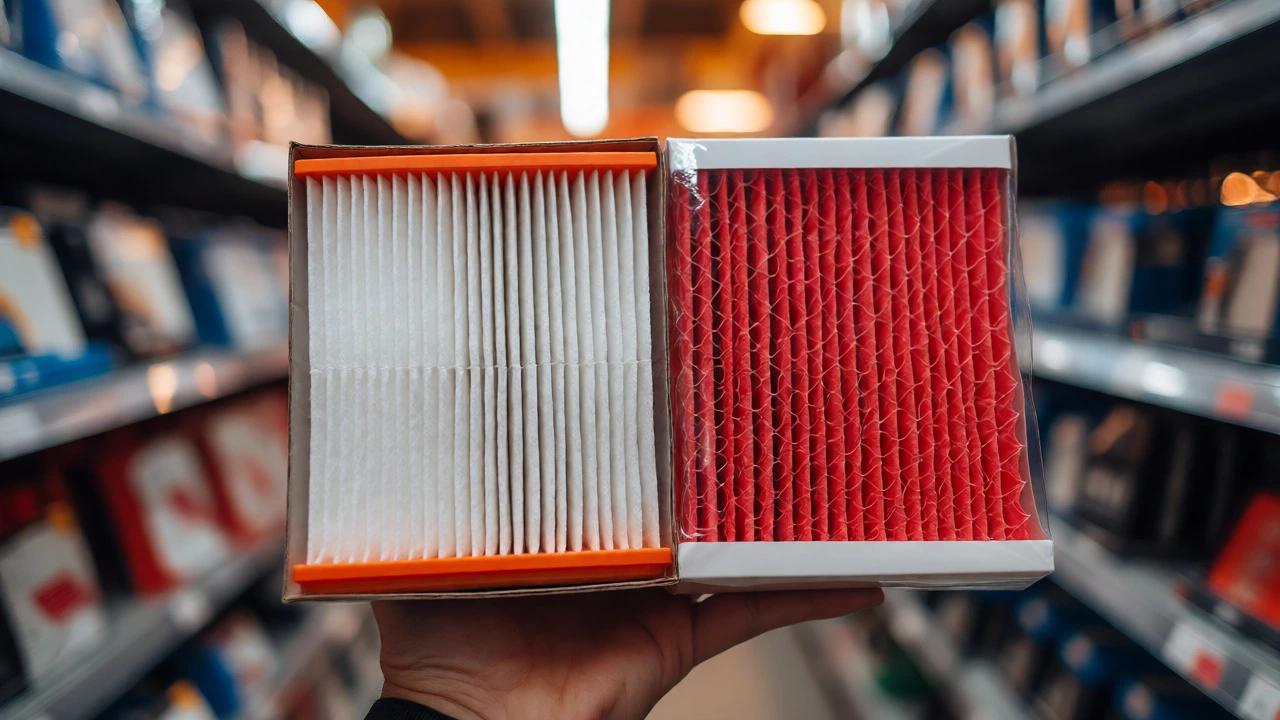
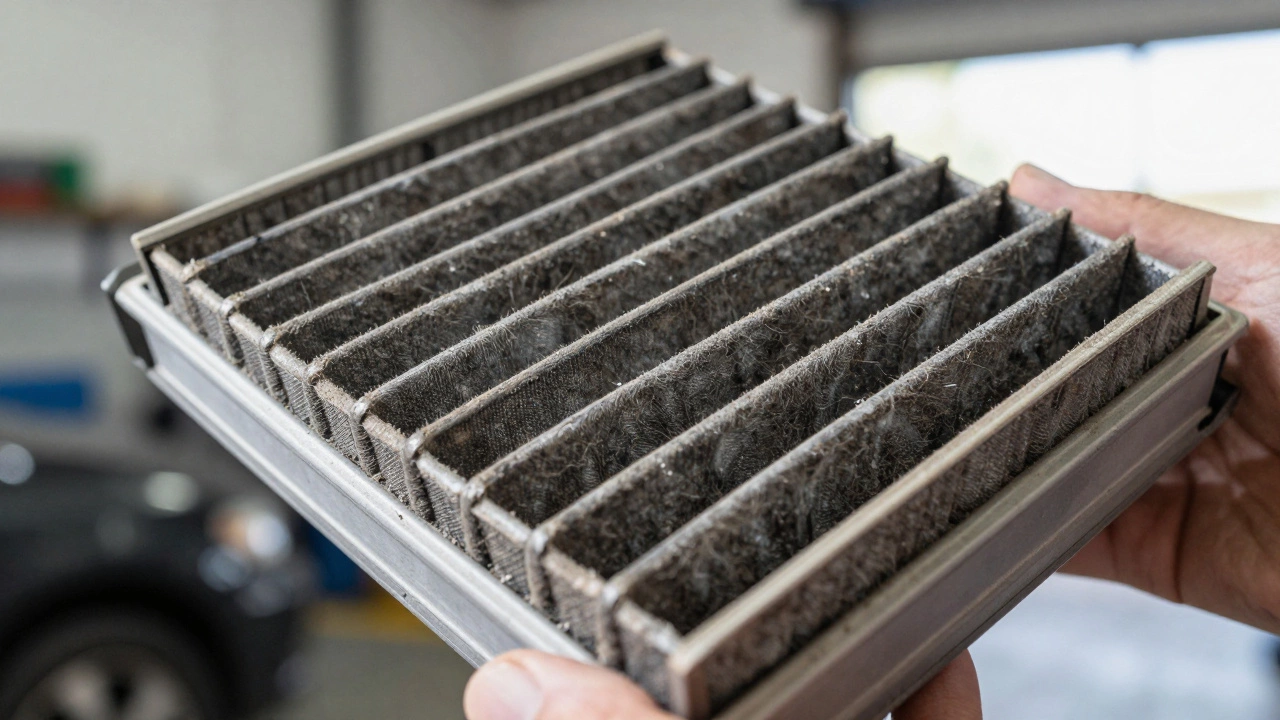
Learn how to test your air filter using simple visual and performance checks. Discover signs of a clogged filter and when to replace it for your car or home.
Tyres and tires are both correct - it just depends where you are. UK uses tyres, US uses tires. Learn when to use each and why it matters for car maintenance and online content.
Most cars can go 7,500 to 10,000 miles between oil changes, but driving habits matter. Waiting too long risks engine damage. Here’s what really happens-and how to know when it’s time.
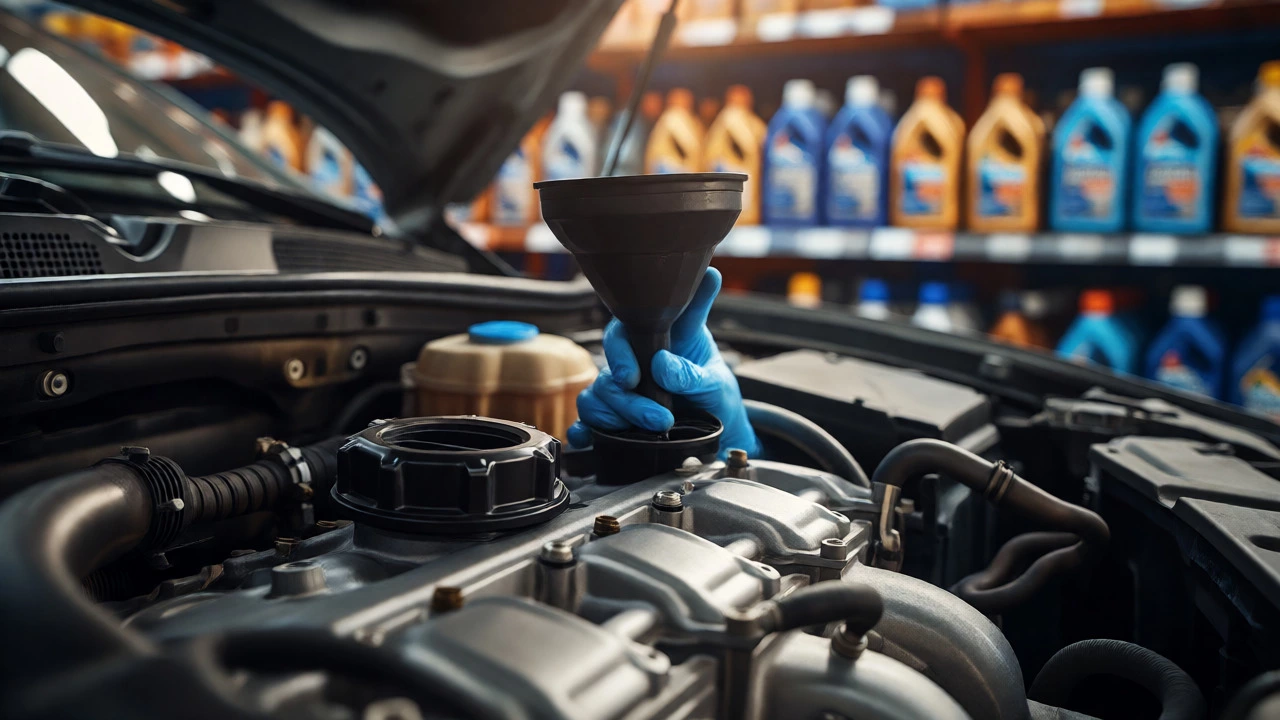
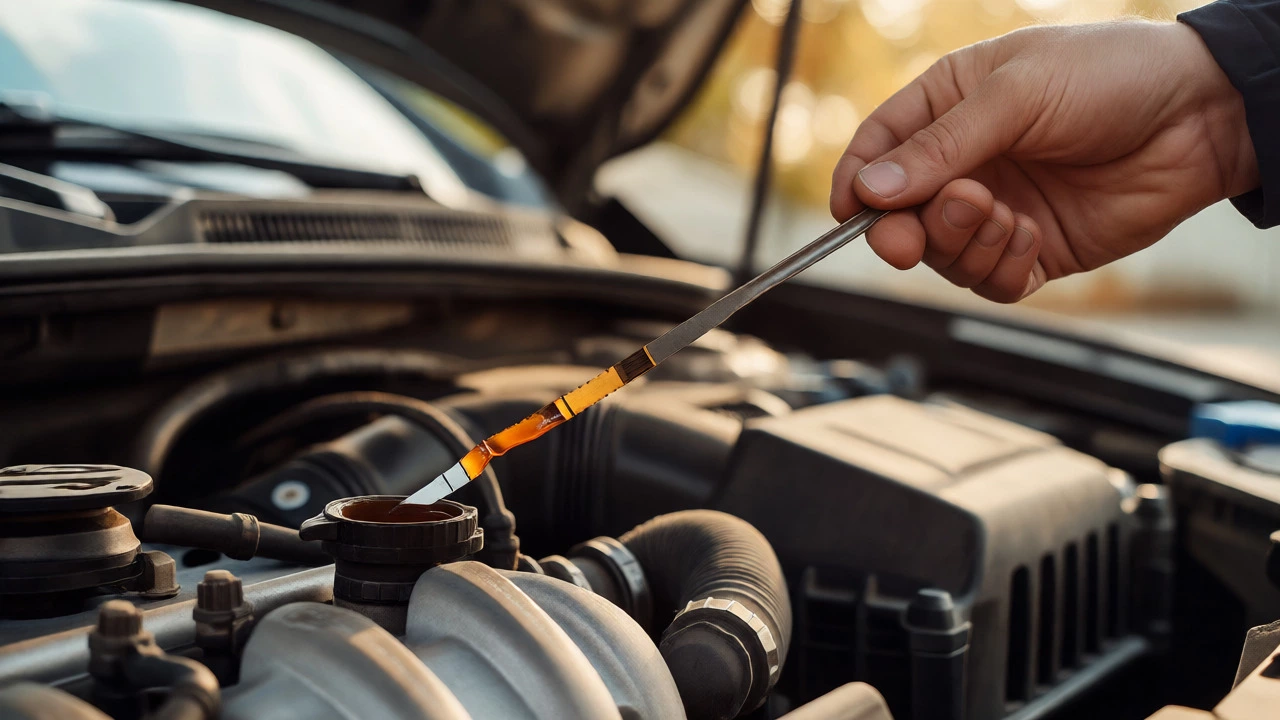
Learn how often to top up engine oil, why some cars use more than others, and how to avoid costly engine damage. Simple checks save money and extend engine life.
Skipping oil changes thins the oil, builds grime, and can cause engine knocking, overheating, and costly repairs. Learn the symptoms, long‑term damage, and how to keep your engine healthy.
Wondering if you can use a 15 inch wiper blade instead of 14? This article dives deep into compatibility, real-life effects, and what every driver needs to know.
Discover what really happens after changing spark plugs, signs you’ll notice, tips for best results, and why this simple upgrade matters for your engine.
Curious if Autozone or Walmart has the cheapest windshield wipers? This guide compares prices, quality, and perks to help you save money and make the right choice.
Worn tires can seriously affect your safety and your car's handling. This article shows you straightforward ways to check your tires, from tread depth tricks to spotting cracks and bulges. Find out how often you should inspect your tires and what warning signs you shouldn’t ignore. We’ll even tackle some myths about tire age and keep things honest so you don’t waste money or drive on risky rubber. You’ll leave with clear, step-by-step tips that you can use without any special tools.