Is it Cheaper to Buy Brake Pads Yourself? Cost Comparison & Guide
Discover if buying your own brake pads saves money. Compare DIY costs vs. professional shops and learn how to choose the right materials for your car.
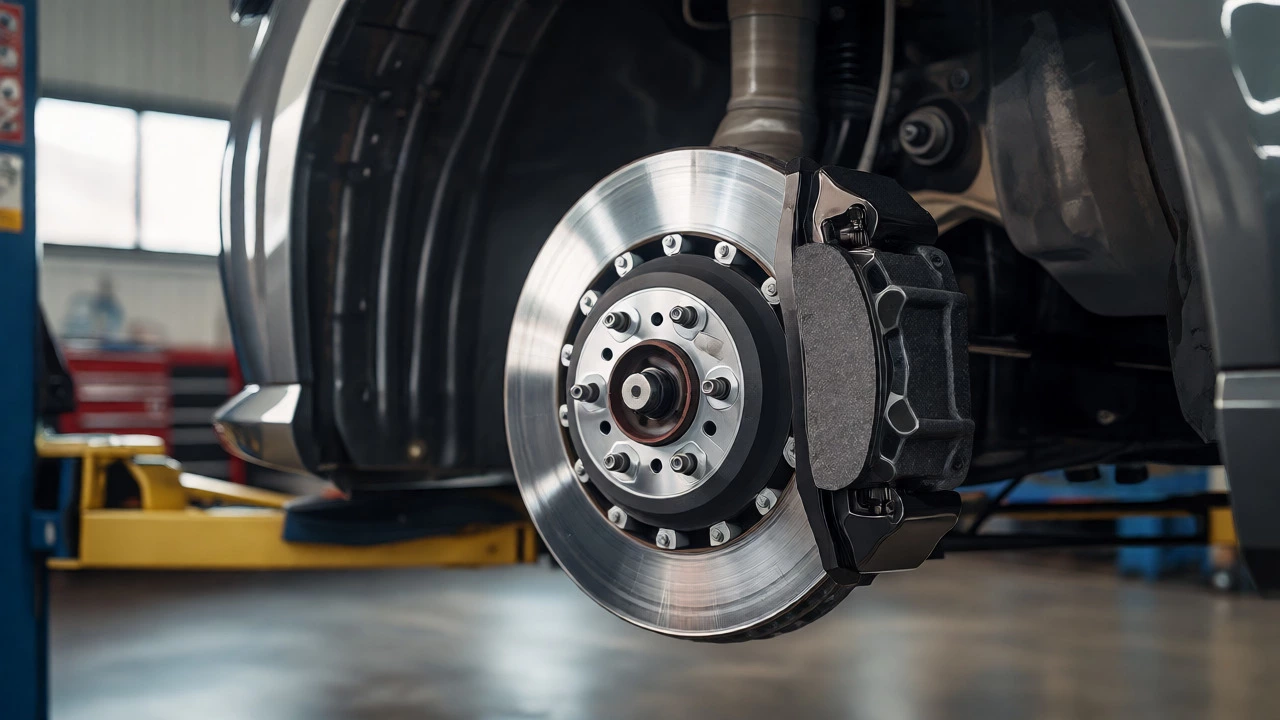
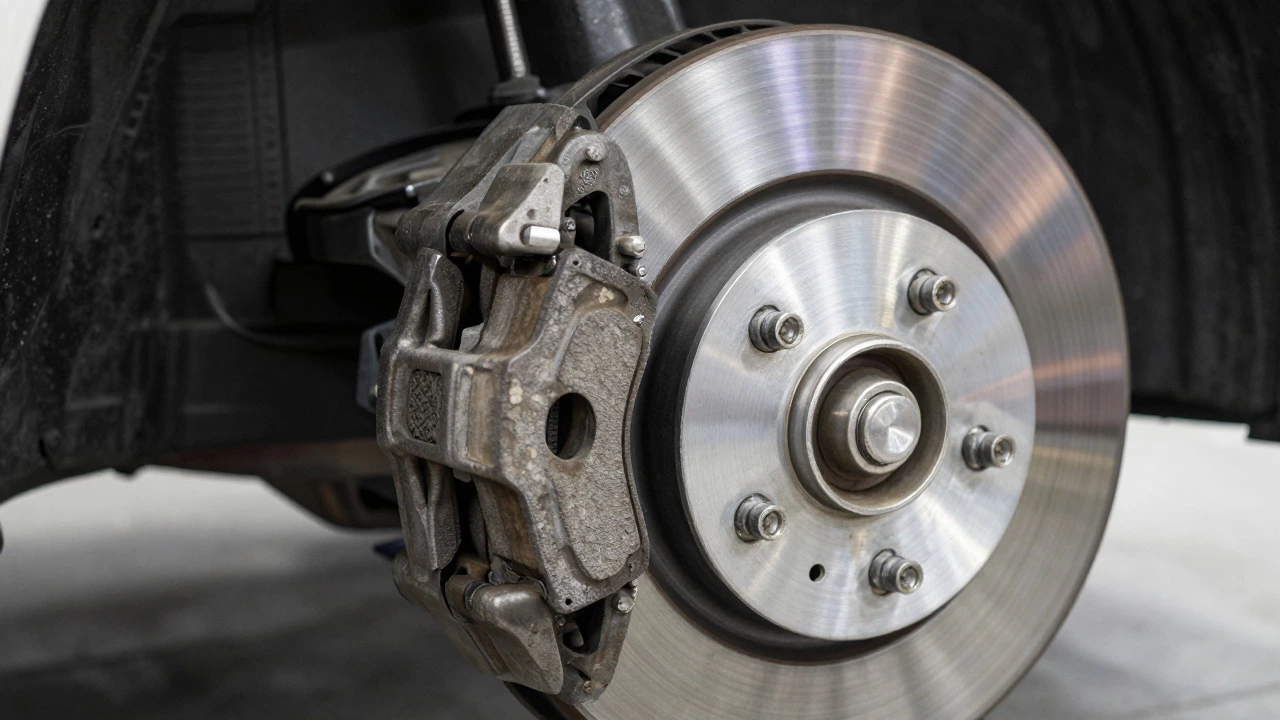
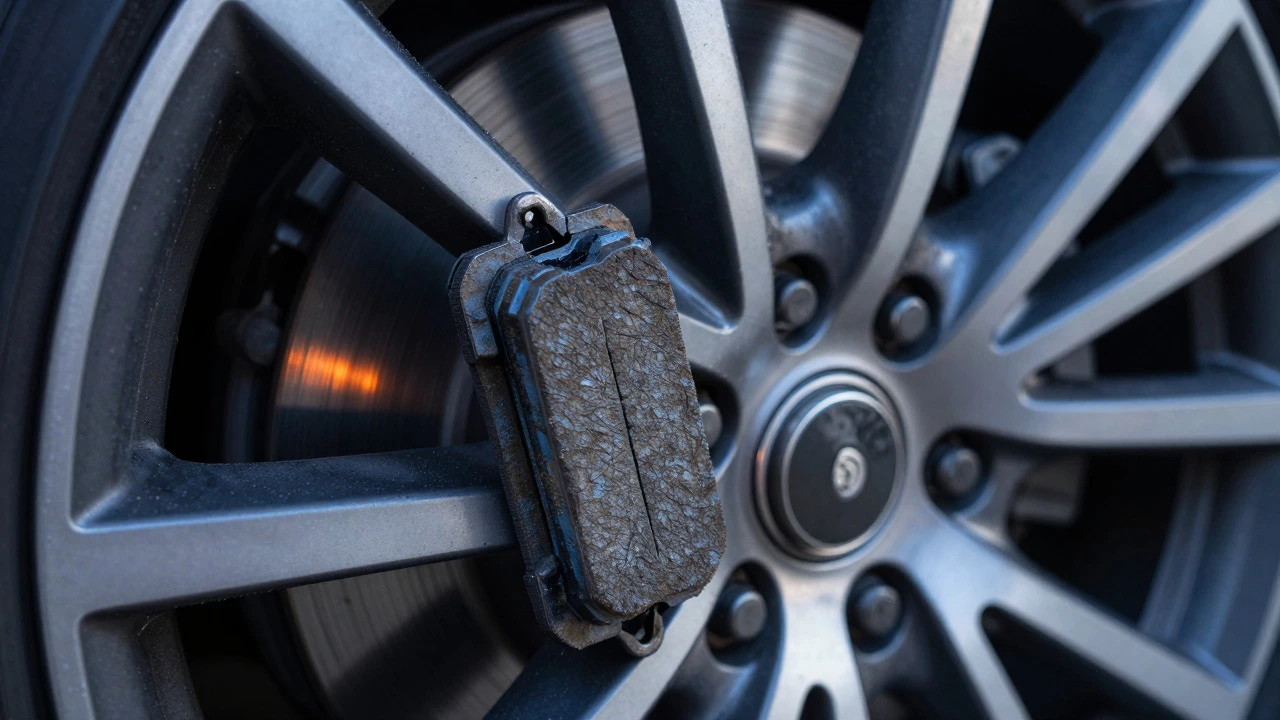
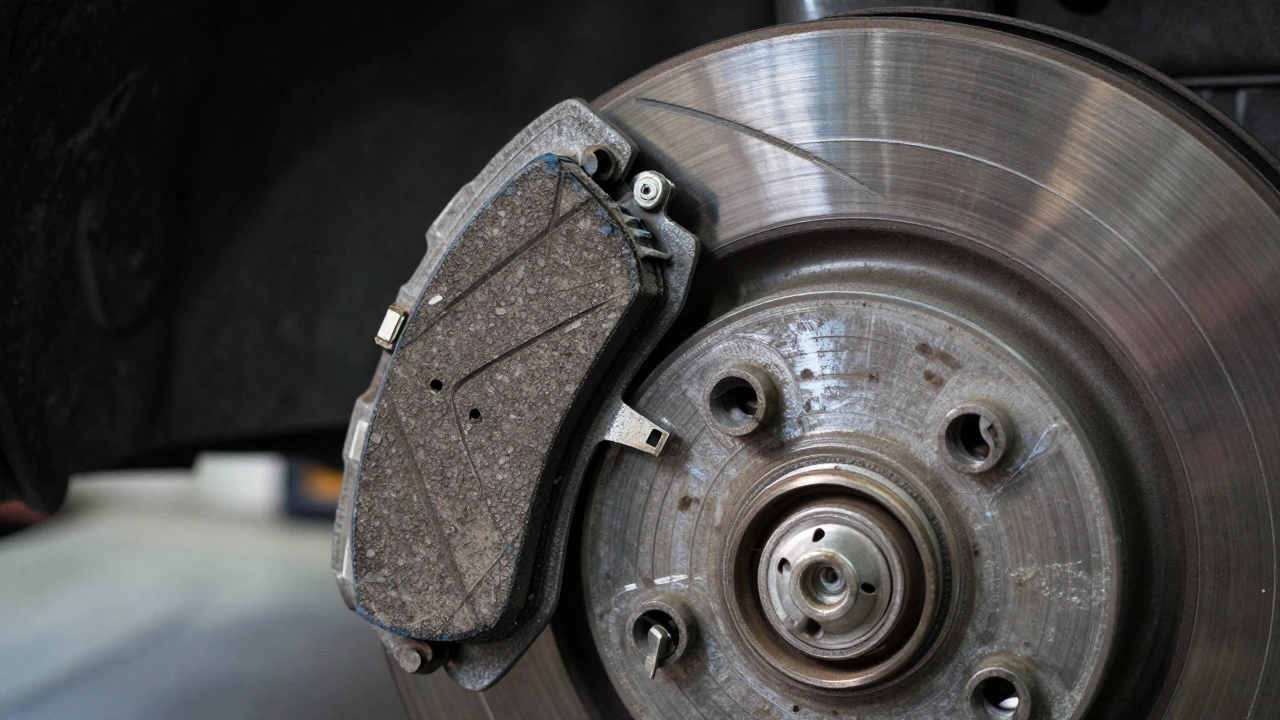
When you step on the brake pedal, brake pads, thin friction materials that clamp down on the brake discs to slow your car. Also known as brake shoes, they’re one of the most critical safety parts in your vehicle. Without them, your brakes won’t stop the car properly—and that’s not something you can afford to ignore.
Brake pads don’t last forever. In the UK, most drivers need to replace them between 25,000 and 60,000 miles, but heavy city driving, frequent stops, and wet weather can cut that down to under 30,000 miles. The brake discs, the metal rotors that the pads press against often last longer, but if they’re warped, scored, or too thin, replacing just the pads won’t fix the problem. And yes, your car has either four or eight brake pads total—two per wheel, front and back. Front pads usually wear out faster because they handle most of the stopping force.
Ignoring worn brake pads isn’t just risky—it’s expensive. If you wait too long, the metal backing plate grinds into the disc, and suddenly you’re looking at a £300+ repair instead of a £100 pad swap. You’ll know they’re worn if you hear a high-pitched squeal, feel vibration in the pedal, or notice your car pulling to one side when braking. Some cars even have warning lights, but most don’t. That’s why checking them yourself—by looking through the wheel spokes or listening for changes in noise—is one of the smartest things you can do as a driver.
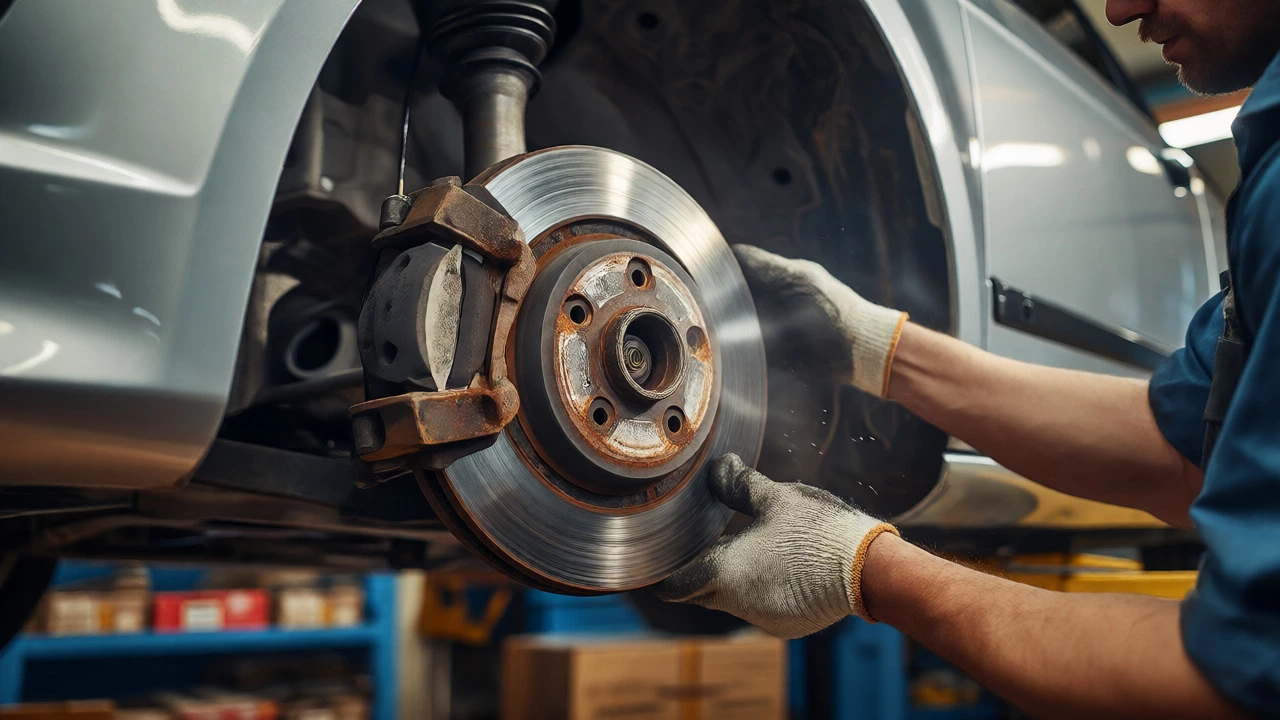
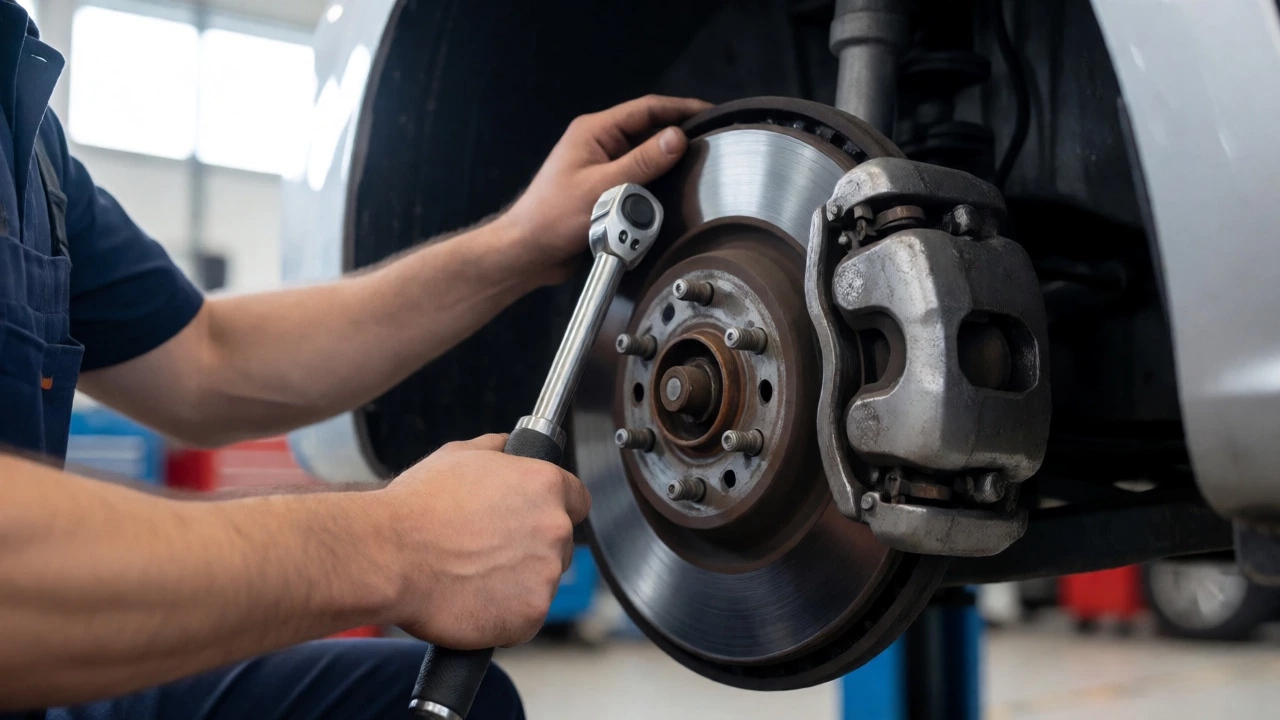
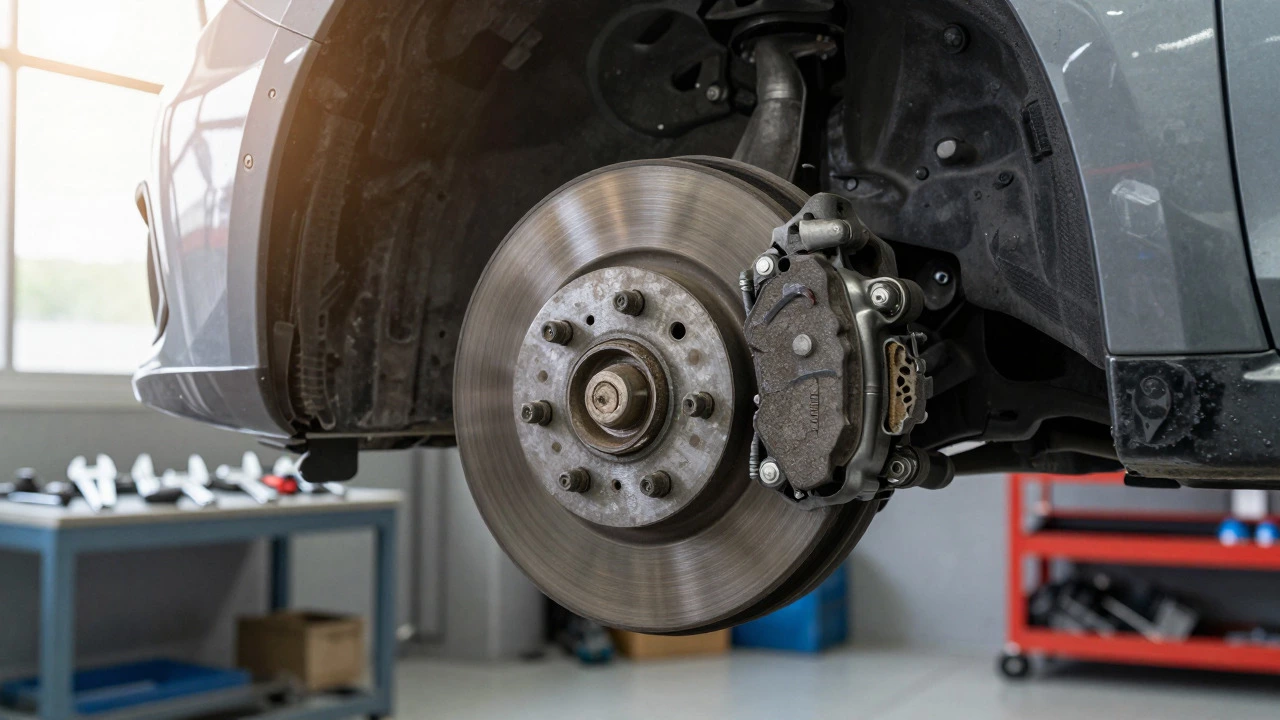
And before you think about doing it yourself, ask: is replacing brake pads really cheaper than a mechanic? The tools aren’t expensive, and the steps are simple if you’ve got a jack and some patience. But if you’re not sure about the process, or if your discs need checking too, it’s better to get help. Many UK drivers save money by buying parts online and paying just for labor—but only if they know what they’re getting.
There’s a lot of confusion out there. Can you replace just the pads? Should you replace all four at once? Do premium pads last longer? These aren’t theoretical questions—they affect your safety and your wallet. That’s why the posts below cover everything from how to spot early wear, to whether you can drive with bad pads, to the real cost of DIY replacement. You’ll find clear answers, real-life examples, and no marketing fluff. Whether you’re a weekend driver or someone who fixes their own car, this collection gives you the facts you need to make smart, safe choices.
Discover if buying your own brake pads saves money. Compare DIY costs vs. professional shops and learn how to choose the right materials for your car.
Wondering if you can just replace brake pads without changing rotors? Learn when it's safe, the risks of old rotors, and how to save money on brake maintenance.
Wondering if your brakes are failing? Learn the key signs of worn brake rotors, from steering wheel shakes to grinding noises, and when to replace them.
Should you replace all four brake pads at once? The answer isn't just about cost - it's about safety, balance, and long-term value. Here's what really matters for UK drivers.
Find out how much a set of 4 brake pads costs in the UK in 2026, including DIY vs garage prices, pad types, lifespan, and what to watch for when replacing them.
Learn the 7 clear signs your brake pads are worn out - from squealing noises to longer stopping distances. Know when to replace them before it’s too late.
Brake pads don't last a fixed number of miles-your driving style, car type, and conditions matter most. Learn real-world expectations, warning signs, and how to check them yourself.
Learn how to check if your brake pads are worn with simple visual, auditory, and feel-based methods. Avoid costly damage and stay safe on the road by spotting wear early.
Brake pads typically last 25,000 to 60,000 miles, but UK driving conditions often mean replacement by 30,000 miles. Learn the signs of wear, how to check thickness, and how to extend pad life safely.
Find out if swapping brake pads yourself really saves money, how much it costs, tools needed, step‑by‑step instructions, and safety tips.
Knowing whether your front or back brake pads are wearing out is essential for safe driving. This article covers simple ways to figure out which pads need attention without fancy tools. You'll learn to spot telltale signs, understand how braking feels when specific pads are worn, and get some real-world tips for checking your own car. By the end, you'll feel a lot more confident about brake pad basics and can save yourself from unnecessary costs or unsafe driving.
Wondering when your brake pads need to be replaced? This article breaks down the clear signs to watch for, from noisy brakes to uneven stopping. You'll find safety tips, common myths busted, and practical advice to save money and avoid bigger problems later on. Perfect for regular drivers who want to keep their ride safe and smooth without overpaying at the garage. Everything you need to know, written in plain English.