Brake Safety & Cost Estimator
Enter details to see how much further you will travel before stopping.
You hear that high-pitched squeal every time you press the pedal. It’s annoying, sure, but your car still moves. So, can you drive with bad brake pads? The short answer is yes, technically you can. Your wheels will keep turning, and the engine will keep running. But here is the part that matters: you are gambling with your life and the lives of everyone around you. Driving on worn-out brakes isn’t just a maintenance issue; it’s a ticking time bomb.
Most drivers ignore the warning signs until they become emergencies. I’ve seen too many people treat brake noise as background static rather than a critical alert. By the time you realize your brakes aren’t working properly, it might already be too late to stop for a child chasing a ball into the street or a truck braking suddenly in front of you. Let’s break down exactly what happens when you push past the point of no return, how to spot the danger early, and why replacing them sooner saves more than just money-it saves lives.
The Hidden Dangers of Driving on Worn Brake Pads
When you think about brake pads being friction material blocks that clamp onto rotors to slow your vehicle, imagine them as the only thing standing between you and a crash. As they wear down, several dangerous things happen simultaneously. First, your stopping distance increases dramatically. On a dry road, this might add a few meters. In wet conditions, which we get plenty of here in Manchester, those meters turn into yards. That extra distance is often the difference between a near-miss and a total loss.
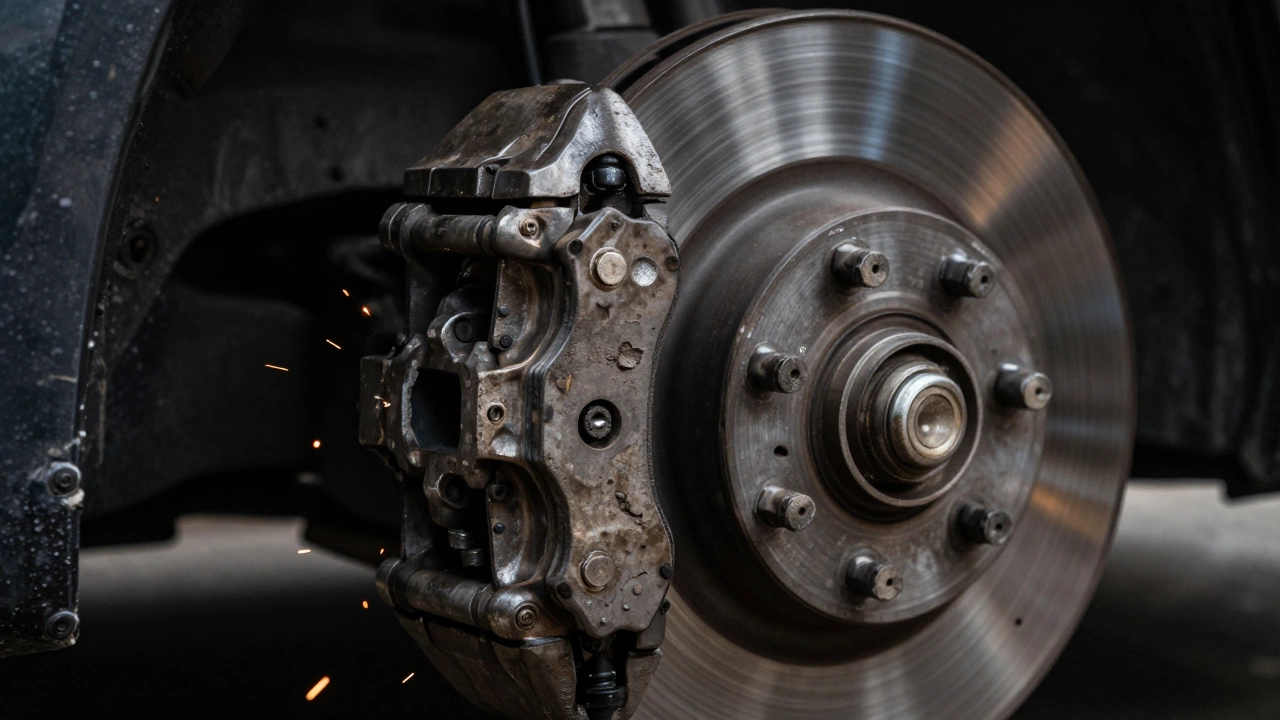
But it gets worse than just longer stops. When brake pads wear completely through, the metal backing plate grinds directly against the rotor (also known as a brake disc). This creates immense heat and friction that can warp the rotor. A warped rotor doesn’t just mean a noisy ride; it means your brakes become uneven and unreliable. You might pull to one side when braking, making it hard to control the car during an emergency stop. In extreme cases, the heat generated can cause brake fade, where the fluid boils and the pedal goes soft, leaving you with zero stopping power.
There is also the risk of complete brake failure. While rare, if the caliper piston extends too far due to lack of pad material, it can leak brake fluid. Without hydraulic pressure, your brakes simply stop working. You won’t have a second chance to react. This isn’t theoretical fear-mongering; mechanics see damaged rotors and seized calipers from neglected brakes all the time. The cost of fixing a warped rotor and leaking caliper is significantly higher than just replacing a set of pads.
How to Spot Bad Brake Pads Before They Fail
Your car tries to tell you when something is wrong. The problem is we often tune out these signals because we don’t want to spend the money or take the time to fix it. Here are the specific signs that your brake system needs immediate attention:
- Squealing or Screeching: Most modern brake pads have a small metal tab called a wear indicator. When the pad wears down to a certain thickness, this tab touches the rotor and makes a high-pitched noise. It’s designed to annoy you so you’ll go get them fixed. If you hear this, you have maybe 100-200 miles left before serious damage occurs.
- Grinding Noise: If the squeal turns into a harsh grinding sound, the friction material is gone. You are now grinding metal on metal. Stop driving immediately. Every mile you drive after this starts costs you hundreds in rotor replacement.
- Vibration in the Pedal: If you feel a pulsing or vibration in the brake pedal when you press it, your rotors are likely warped. This usually happens after prolonged driving on worn pads or aggressive braking.
- Pulling to One Side: If the car pulls left or right when you brake, one side’s pads may be more worn than the other, or a caliper is stuck. This imbalance makes steering unpredictable.
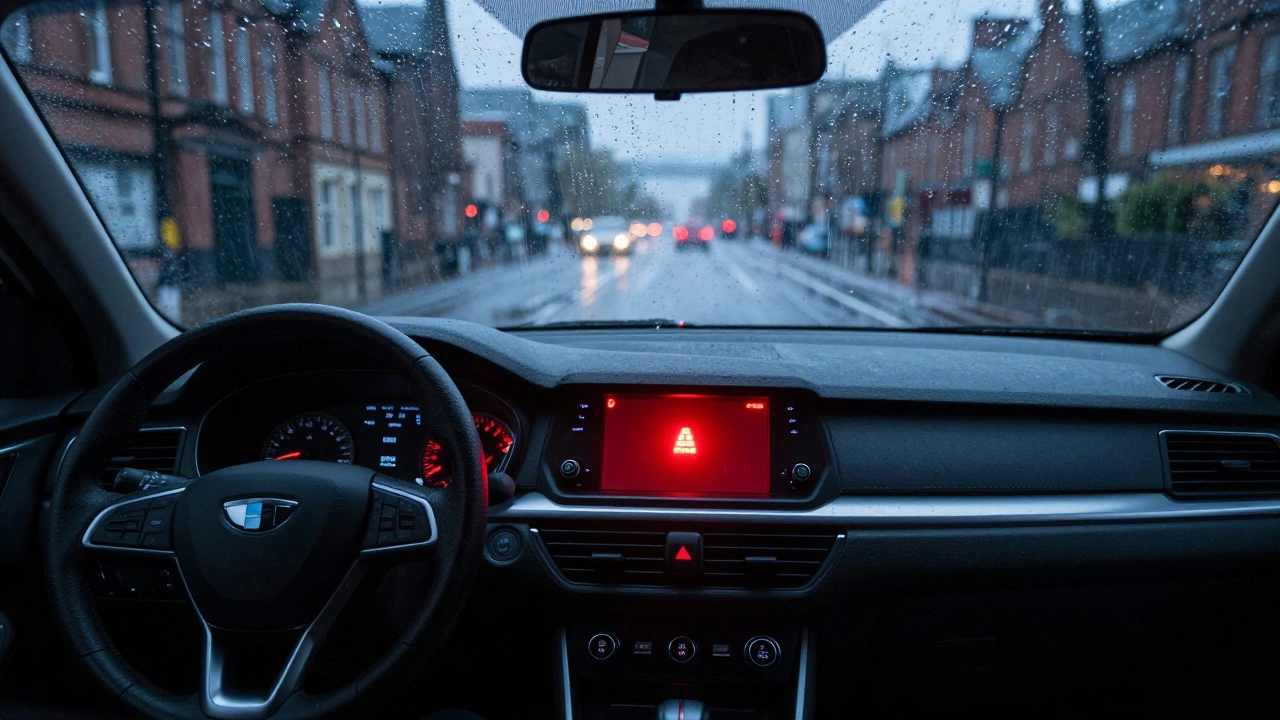
- Dashboard Warning Light: Many newer cars have sensors in the brake pads that trigger a warning light on the dashboard. If this light comes on, do not ignore it. It means the pads are critically low.
Don’t wait for multiple symptoms. The first squeal is your free warning. Ignoring it is like ignoring a smoke alarm because you don’t want to check the kitchen.
Stopping Distance: The Math Behind the Danger
Let’s talk numbers. According to data from the UK’s Department for Transport, reaction time alone adds about 23 meters to your stopping distance at 30 mph. But that’s assuming your brakes work perfectly. With worn brake pads, the coefficient of friction decreases. This means you need more distance to convert kinetic energy into heat and bring the car to a halt.
Imagine you’re driving at 40 mph in city traffic. Good brakes might stop you in 25 meters. Worn brakes could push that to 35 meters or more. In a dense urban environment, that extra 10 meters is the length of two parked cars. If someone cuts you off, those 10 meters are the difference between tapping their bumper and launching over their hood. Wet roads amplify this effect even further, as water reduces tire grip and worn brakes struggle to maintain consistent pressure.
This isn’t just about physics; it’s about human error. Tired drivers, distracted drivers, or sudden hazards require maximum braking performance. Relying on compromised brakes removes your safety margin. You might survive ten trips with bad brakes, but you only need one bad trip to change everything.
Cost Comparison: Prevention vs. Repair
One reason people delay brake repairs is cost. But let’s look at the real financial impact. Replacing a standard set of ceramic brake pads typically costs between £80 and £150 for parts, plus labor if you don’t do it yourself. Total job cost at a garage might be £150-£250.
| Scenario | Parts Cost | Labor Cost | Total Estimated Cost |
|---|---|---|---|
| Replace Pads Only (Timely) | £80 - £150 | £70 - £100 | £150 - £250 |
| Replace Pads + Resurface Rotors | £150 - £250 | £100 - £150 | £250 - £400 |
| Replace Pads + New Rotors | £250 - £400 | £120 - £180 | £370 - £580 |
| Caliper Replacement (Due to Leak) | £150 - £300 | £100 - £150 | £250 - £450 |
As you can see, waiting until the rotors are destroyed can double or triple your repair bill. Plus, there’s the hidden cost of potential accidents. Insurance premiums can skyrocket after a claim, and some insurers may refuse coverage if they determine negligence played a role. Is saving £100 today worth risking thousands tomorrow?
What to Do If You Suspect Bad Brakes
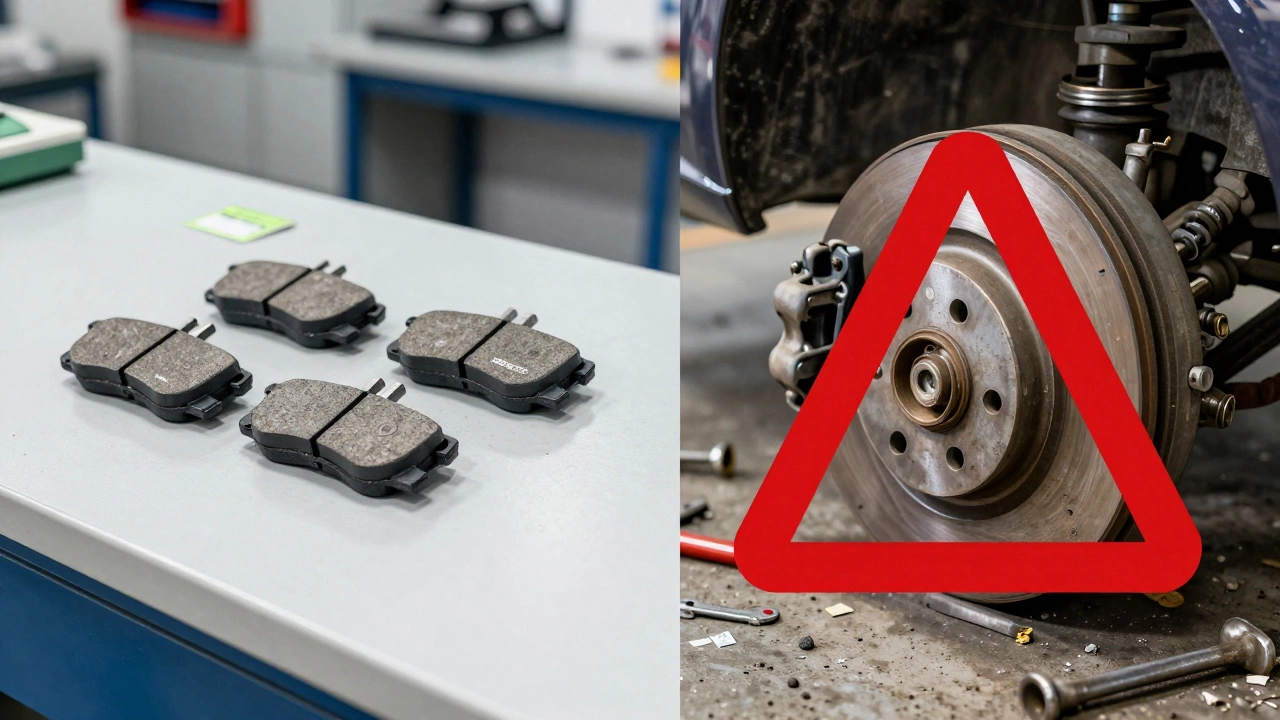
If you notice any of the warning signs mentioned earlier, here is your action plan:
- Reduce Speed Immediately: Drive slower than usual. Give yourself extra space between vehicles. Avoid highways if possible, as higher speeds require better braking performance.
- Avoid Aggressive Driving: No rapid acceleration or hard braking. Smooth inputs reduce stress on the remaining friction material.
- Plan Your Route: Choose routes with fewer stops and less traffic. Get home or to work safely without unnecessary braking events.
- Book an Appointment: Call a trusted mechanic or mobile brake specialist. Explain the symptoms clearly-squealing, grinding, or pulling. Ask for an inspection quote.
- Do Not Ignore Dashboard Lights: If the brake warning light is on, treat it as urgent. Some systems monitor pad thickness electronically.
If you must drive to the mechanic, stay alert. Check your mirrors frequently. Signal early. Assume other drivers won’t anticipate your reduced braking ability. And never attempt long-distance travel on suspect brakes.
Maintenance Tips to Extend Brake Life
Prevention is cheaper than cure. Here’s how to make your brake pads last longer and perform better:
- Drive Smoothly: Anticipate stops. Coasting to a stop uses engine braking and reduces wear on pads. Jerky, last-minute braking generates excessive heat and wears pads faster.
- Reduce Weight: Heavy loads increase stopping distance and strain brakes. Remove unnecessary items from your trunk.
- Check Brake Fluid Regularly: Old or contaminated brake fluid lowers boiling point and reduces efficiency. Flush it every two years or as recommended by your manufacturer.
- Use Quality Parts: Cheap brake pads may save money upfront but often contain less friction material and wear out quicker. Stick to reputable brands like Bosch, Brembo, or TRW.
- Inspect Annually: Even if you don’t hear noises, have a mechanic check pad thickness during routine service. Visual inspections catch problems early.
In cities like Manchester, where rain is frequent and traffic is heavy, brakes work harder. Adjust your maintenance schedule accordingly. Don’t wait for the worst-case scenario.
How long can I drive with bad brake pads?
You should not drive with bad brake pads at all. If you hear squealing, you have approximately 100-200 miles left before significant damage occurs. Grinding noise means you are already damaging the rotors and should stop driving immediately. There is no safe duration for driving on worn brakes.
Will bad brake pads affect my MOT test?
Yes. In the UK, brake pads must have sufficient friction material remaining to pass an MOT. If pads are worn below the minimum thickness or show uneven wear, you will fail the test. Additionally, any warning lights related to brakes will result in an automatic failure.
Can I replace brake pads myself?
Yes, replacing brake pads is a common DIY task for experienced hobbyists. However, it requires proper tools, knowledge of caliper retraction, and understanding of brake bedding procedures. If you are unsure, hire a professional. Incorrect installation can lead to brake failure.
Why do my brakes squeak only when cold?
Cold squeaks can occur due to moisture buildup on rotors overnight or slight variations in pad compound. If the noise disappears after a few stops, it may be normal. However, persistent squeaking indicates wear indicators contacting the rotor, signaling it’s time for replacement.
How often should brake pads be replaced?
Brake pad lifespan varies widely based on driving habits and conditions. City drivers with frequent stopping may need replacements every 20,000-30,000 miles. Highway drivers might go 50,000+ miles. Always rely on visual inspection and noise cues rather than mileage alone.