Brake Repair Cost & Risk Estimator
Current Condition Assessment
Select the options that best describe your vehicle's current state.
Analysis Result
Enter your brake details and click calculate to see estimated costs and safety risks.
| Repair Scope: | Pad Replacement Only |
| Low Estimate: | £0 |
| High Estimate: | £0 |
| Potential Savings if Fixed Now: | £0 |
Mechanic's Note: ...
Imagine you’re merging onto the M60 in Manchester during a typical drizzle. The car ahead taps its brakes. You press yours. Instead of that firm, reassuring stop, the pedal feels spongy, and the car slides further than it should before halting. That split-second delay is exactly what happens when your brake pads are worn down. It’s a scenario many drivers face, often rationalizing that they can “just make it to the garage.” But is that gamble worth taking?
The short answer is: technically, yes, you can still drive. Your wheels will turn, and the engine will run. However, from a safety and mechanical standpoint, it is one of the riskiest things you can do behind the wheel. Driving on worn brake pads isn’t just about stopping power; it’s about protecting expensive components of your vehicle and, more importantly, keeping yourself and others safe on the road.
Understanding How Brake Pads Work
To understand why wearing them out is dangerous, we need to look at how they function. When you press the brake pedal, hydraulic pressure pushes pistons in the caliper against the brake pads. These pads clamp down on the rotors (also known as discs), creating friction that slows the car down. This process generates immense heat and causes the pad material to wear away gradually over time.
New brake pads typically have a thickness of around 12mm. As you drive, this friction material erodes. Most manufacturers consider a pad critically worn when it reaches 3mm or less. At this stage, there is very little material left to absorb heat and create effective friction. The metal backing plate of the pad begins to get dangerously close to the rotor surface. If you ignore this point, you aren't just losing braking efficiency; you are setting up a chain reaction of damage that costs far more to fix than a simple pad replacement.
The Immediate Dangers of Driving on Worn Pads
Why does a few millimeters of missing rubber matter so much? Let’s break down the specific risks involved in pushing your luck with thin pads.
- Increased Stopping Distances: This is the most obvious danger. With less friction material, your car takes longer to stop. In dry conditions, this might add a meter or two. In wet or icy conditions-common here in the UK-that extra distance can be the difference between a near-miss and a collision.
- Brake Fade: Worn pads have less mass to absorb heat. During heavy braking, such as descending a steep hill or emergency stopping, the remaining material can overheat quickly. When brake components get too hot, they lose their ability to grip, leading to “brake fade,” where the pedal goes soft and the car barely slows down despite your foot being hard on the floor.
- Caliper Damage: The caliper is designed to move slightly to accommodate the thickness of the pads. When pads are excessively thin, the caliper piston can extend too far, potentially damaging the seals or causing the caliper to seize. Replacing a seized caliper is significantly more expensive than replacing pads.
- Rotor Scoring and Warping: Once the friction material is gone, the metal backing plate grinds directly against the rotor. This creates deep grooves (scoring) and uneven surfaces. In severe cases, the intense localized heat can warp the rotors, causing vibrations in the steering wheel or brake pedal every time you stop.
Signs Your Brake Pads Are Critically Worn
Your car usually tries to warn you before total failure occurs. Paying attention to these signals can save you money and keep you safe. Here is what to look for:
- Squealing or Squeaking Noises: Most modern brake pads come with a small metal wear indicator tab. When the pad wears down to a critical level, this tab scrapes against the rotor, producing a high-pitched squeal. This is your car’s way of saying, “Replace me now.”
- Grinding or Growling Sounds: If you hear a harsh grinding noise, the wear indicator has likely already been ignored, and the metal backing plate is now grinding against the rotor. This is an emergency situation requiring immediate attention.
- Vibration in the Brake Pedal: If the pedal pulses or vibrates when you brake, your rotors may be warped due to overheating from worn pads. This indicates significant damage has already occurred.
- Pulling to One Side: If your car pulls left or right when braking, it could mean one set of pads is more worn than the other, or a caliper is sticking. This imbalance reduces control and increases stopping time.
- Dashboard Warning Light: Many newer vehicles have sensors embedded in the brake pads. When the pad reaches a certain thickness, the sensor completes a circuit, triggering a warning light on your dashboard. Don’t ignore this light.
How Long Can You Safely Drive?
If you notice a slight squeak but no grinding, you might have a few hundred miles left in your pads. However, “a few hundred miles” is not a safety margin; it’s a countdown. If you hear grinding, your safety margin is effectively zero. You should drive only as far as absolutely necessary to reach a mechanic, and even then, drive cautiously.
Consider this scenario: You’re stuck in traffic on the A57. You’re creeping forward, tapping the brakes repeatedly. This “stop-and-go” action generates consistent heat without giving the brakes time to cool. On worn pads, this rapid heating accelerates wear and increases the risk of brake fade dramatically. In contrast, steady highway driving puts less strain on the system, though it doesn’t eliminate the risk of sudden stops.
Cost Comparison: Pad Replacement vs. Rotor Repair
One of the biggest reasons people delay brake maintenance is cost. They think, “I’ll wait until they’re completely gone.” Ironically, this habit ends up costing much more. Let’s look at the financial reality.
| Repair Type | Description | Estimated Cost (£) |
|---|---|---|
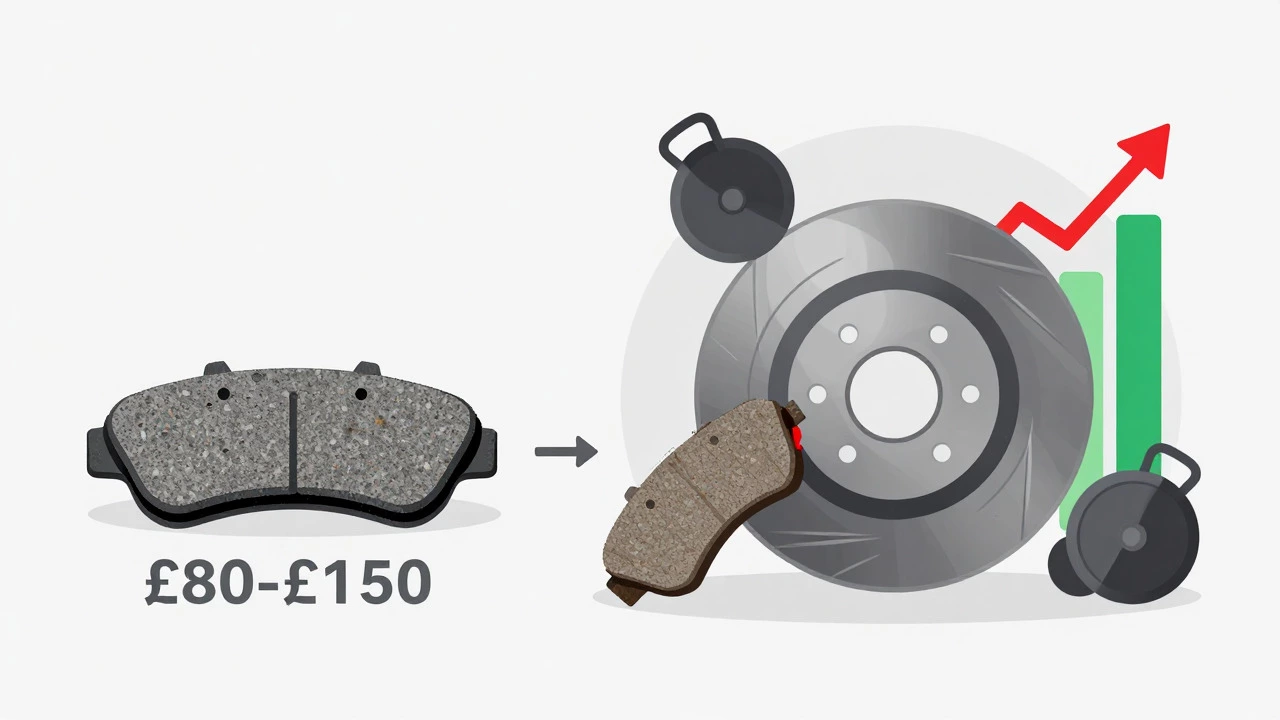
| Standard Pad Replacement | Replacing front or rear pads only | £80 - £150 per axle |
| Pad and Rotor Replacement | Replacing pads and resurfacing or replacing rotors | £200 - £400 per axle |
| Caliper Replacement | Fixing a seized or damaged caliper | £150 - £300 per unit |
| Complete Brake System Overhaul | Pads, rotors, calipers, and fluid flush | £600+ |
As you can see, ignoring the initial squeak can double or triple your repair bill. Replacing rotors is necessary because once they are scored by metal-on-metal contact, they cannot be safely resurfaced. The uneven surface will cause new pads to wear unevenly and quickly, leading to premature failure again.
When to Seek Professional Help
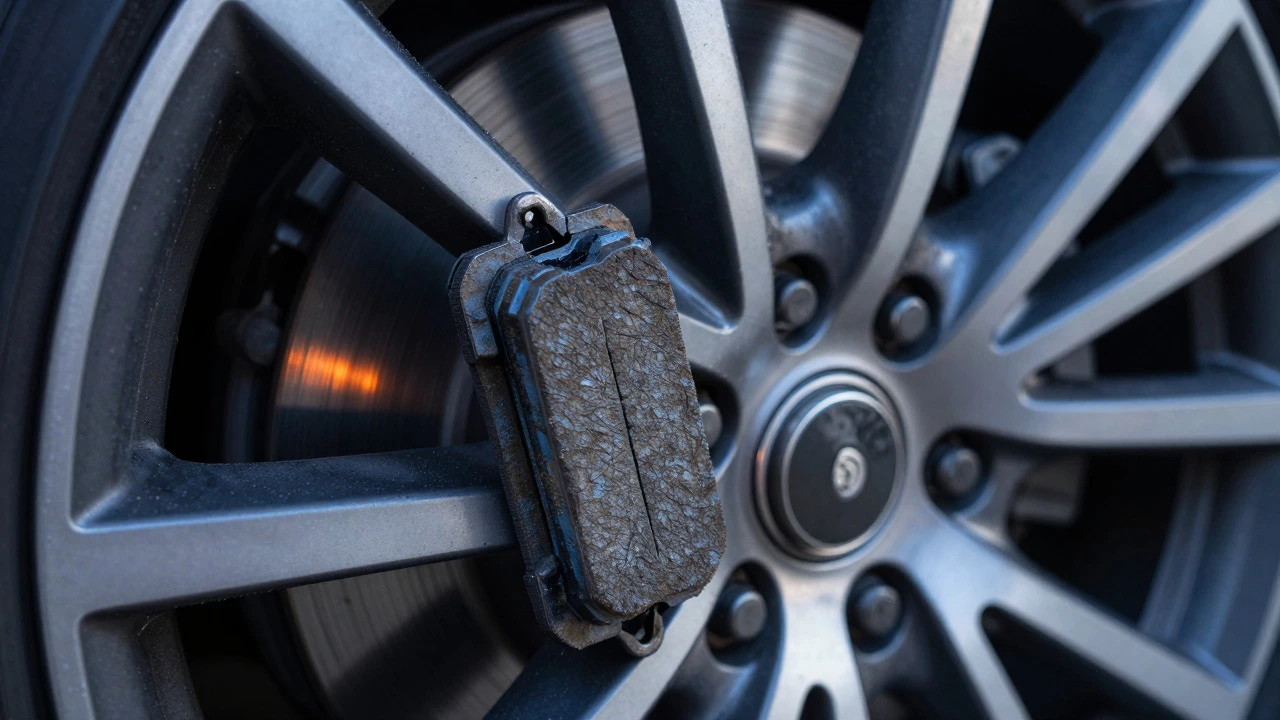
You don’t need to be a mechanic to check your brake pads. Most cars allow you to visually inspect the pads through the spokes of the wheel. Look for the brake pad sandwiched around the rotor. If the friction material looks thinner than a pencil eraser (about 3-4mm), it’s time to book an appointment.
If you are unsure, visit a trusted garage. Mechanics in Manchester and across the UK are well-equipped to perform a quick visual inspection. Ask them to measure the pad thickness with a micrometer for an accurate reading. Also, request a check of the brake fluid levels and condition, as old or contaminated fluid can reduce braking performance independently of pad wear.
Maintaining Your Brakes for Longevity
Prevention is always cheaper than cure. Here are some practical tips to extend the life of your brake pads:
- Avoid Aggressive Driving: Hard acceleration followed by hard braking wears pads quickly. Anticipate traffic flow and ease off the accelerator early to coast to a stop.
- Use Engine Braking: When descending hills, shift to a lower gear. This uses the engine’s compression to slow the car, reducing reliance on the brake pads and preventing overheating.
- Regular Inspections: Include brake checks in your regular maintenance routine. Every time you rotate your tires or change your oil, ask the technician to inspect your brakes.
- Quality Parts Matter: Cheap aftermarket pads may wear faster or produce more dust and noise. Invest in reputable brands like Bosch, Brembo, or TRW, which offer better durability and performance.
- Keep Wheels Clean: Mud and debris can trap moisture against the rotors, leading to rust. Rusty rotors can cause uneven pad wear and reduced braking efficiency.
Frequently Asked Questions
How long can I drive with worn brake pads before they fail?
There is no fixed mileage. It depends on driving habits, road conditions, and pad quality. However, once pads reach 3mm thickness, failure can happen suddenly, especially under heavy braking. If you hear grinding, assume you have less than 50 miles of safe driving left, if any.
Is it safe to drive in the rain with worn brake pads?
No. Wet roads reduce tire traction, increasing stopping distances. Worn brake pads further increase stopping distances. Combining both factors significantly raises the risk of skidding or colliding with the vehicle ahead. Avoid unnecessary driving in wet conditions if your brakes are suspect.
Do I need to replace all four brake pads at once?
It is recommended to replace pads in axles (both front or both rear) to ensure balanced braking. Front pads typically wear faster than rear pads due to weight transfer during braking. Replace whichever axle shows significant wear, but always match left and right sides.
What causes brake pads to wear out faster?
City driving with frequent stops, carrying heavy loads, towing trailers, and aggressive driving styles accelerate pad wear. Additionally, sticking calipers or dirty brake lines can cause uneven and rapid wear.
Can I replace brake pads myself?
Yes, it is a manageable DIY task for those with basic mechanical skills. You will need a jack, wheel brace, C-clamp or caliper tool, and new pads. However, proper bedding-in of new pads and checking for rotor damage require expertise. If unsure, professional installation ensures safety and warranty coverage.