Suspension Selector Calculator
Your Driving Profile
Recommended Suspension
Select your options above to see your recommendation
When you hear a car thump over a pothole, or feel every bump on a country road, you’re feeling the suspension at work. But here’s the real question: should you want it stiff or soft? There’s no single answer. It depends on what you drive, where you drive, and what you want from your car.
What Suspension Does, and Why It Matters
Suspension isn’t just about comfort. It’s the system that keeps your tires in contact with the road. Without it, your wheels would bounce off every crack and curb, and you’d lose control in a heartbeat. The suspension connects the wheels to the chassis, using springs and shock absorbers to absorb impacts and keep the body stable.
Stiffer suspension uses stronger springs and tighter dampers. Softer suspension uses weaker springs and more fluid movement in the shocks. Each has trade-offs - and the wrong choice can make your car dangerous, uncomfortable, or both.
Stiffer Suspension: When It Makes Sense
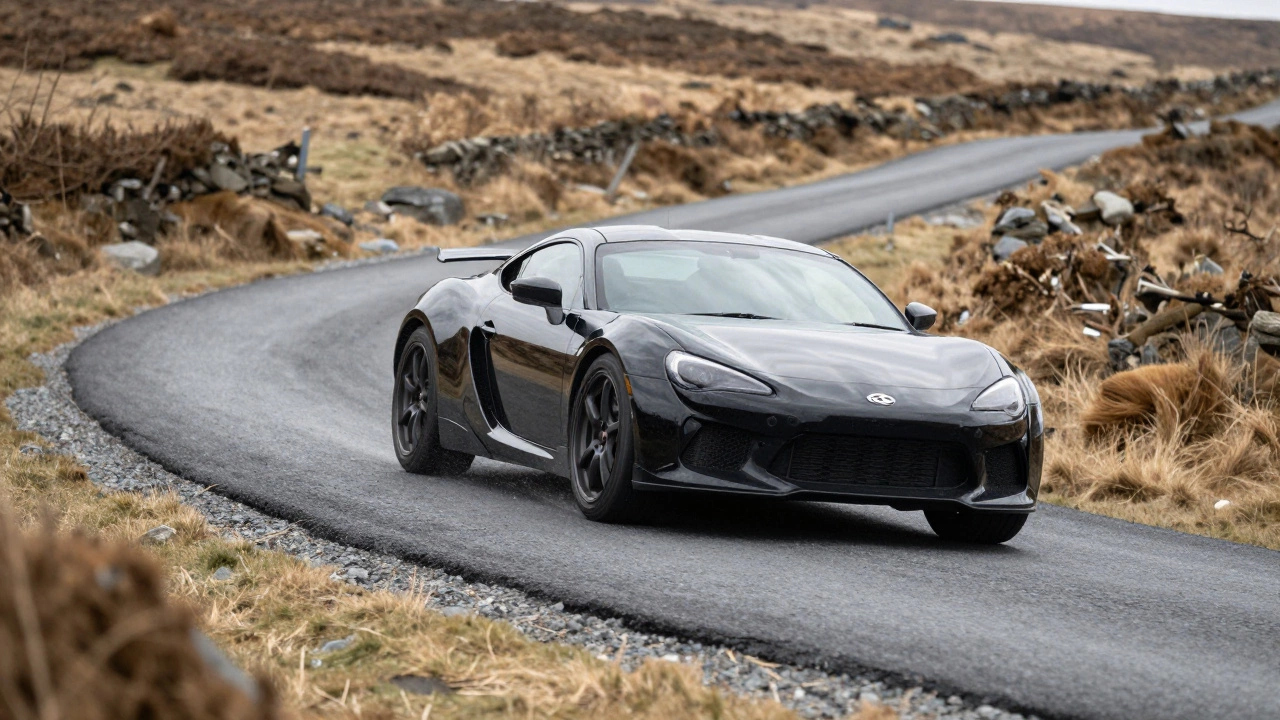
Stiffer suspension is common in sports cars, track machines, and performance-oriented vehicles. Think of a BMW M3, a Porsche 911, or even a modified Honda Civic. These cars are built to corner hard, brake late, and respond instantly.
Here’s why stiffness helps:
- Less body roll - the car doesn’t lean as much in corners, giving you more confidence at speed.
- Faster steering response - the chassis reacts quicker to steering inputs, making the car feel more connected.
- Better tire contact - the wheels stay flat on the road during aggressive maneuvers, improving grip.
But here’s the catch: stiff suspension doesn’t care about bumps. On rough roads, it transmits every crack, pothole, and expansion joint straight into your spine. Drivers in cities with poor road surfaces - like Manchester in winter - often find stiff setups punishing after just a few weeks.
Real-world example: A friend upgraded his Ford Focus ST with coilovers tuned for track days. On the A57, he described it as "riding a shopping cart over gravel." He switched back to stock springs after three months.
Softer Suspension: Comfort and Control
Softer suspension is standard on family sedans, SUVs, and most daily drivers. Think Toyota Camry, Volkswagen Passat, or a Ford Kuga. These cars are built for long commutes, family trips, and roads that haven’t been resurfaced since the 1980s.
Here’s what softer suspension gives you:
- Smother ride - bumps are absorbed before they reach you. You feel less fatigue on long drives.
- Better traction on uneven surfaces - the wheels stay planted over broken pavement, gravel, or frost-heaved roads.
- Lower risk of damage - you’re less likely to bend a rim or crack a wheel bearing from a sharp impact.
But softer isn’t always better. Too soft, and the car feels floaty. It leans heavily in corners, takes longer to respond to steering, and can feel unstable at highway speeds. You might even notice the car "bouncing" after hitting a bump - that’s called oscillation, and it’s a sign the dampers aren’t controlling the springs properly.
Some SUVs, especially older models, have suspension so soft they roll like a boat. I’ve seen people in a Land Rover Discovery struggle to keep the car straight on a windy motorway because the body sway was too great.
It’s Not Just Stiff or Soft - It’s About Balance
Most people think suspension is a binary choice: stiff or soft. But the real answer is balance. Good suspension isn’t about being as stiff or as soft as possible. It’s about matching the spring rate to the damper (shock absorber) tuning.
For example:
- A stiff spring with a weak damper = the car bounces like a trampoline.
- A soft spring with a stiff damper = the car feels harsh and jarring.
- A stiff spring with a stiff damper = great handling, rough ride.
- A soft spring with a soft damper = smooth ride, but wallowy and unresponsive.
Modern cars use advanced systems to get this right. Adaptive suspensions - like those in Audi’s Quattro systems or BMW’s Live Cockpit - adjust damping in real time based on road conditions and driving style. They’re soft for comfort, firm for cornering, and everything in between.
If you’re not buying a new car, you can still improve your setup. Aftermarket coilovers let you adjust both spring height and damping force. Some even let you tweak compression and rebound separately. That means you can get a ride that’s soft for the daily commute but firm when you take the back roads on a weekend.
What Your Driving Style Says About Your Suspension Needs
Here’s a quick guide based on how you use your car:
- You drive mostly in the city - go for softer. Potholes, speed bumps, and rough pavements are everywhere. Comfort wins.
- You take long highway trips - medium stiffness. Too soft feels unstable at 70 mph. Too stiff makes every joint in the road feel like a punch.
- You drive on twisty back roads - stiffer helps. You’ll feel more confident and in control, especially if the road is dry.
- You live in the countryside with gravel or dirt roads - softer is safer. Hard suspension can break parts over time.
- You race or track your car - stiff, no question. But only if you’re prepared for the ride home.
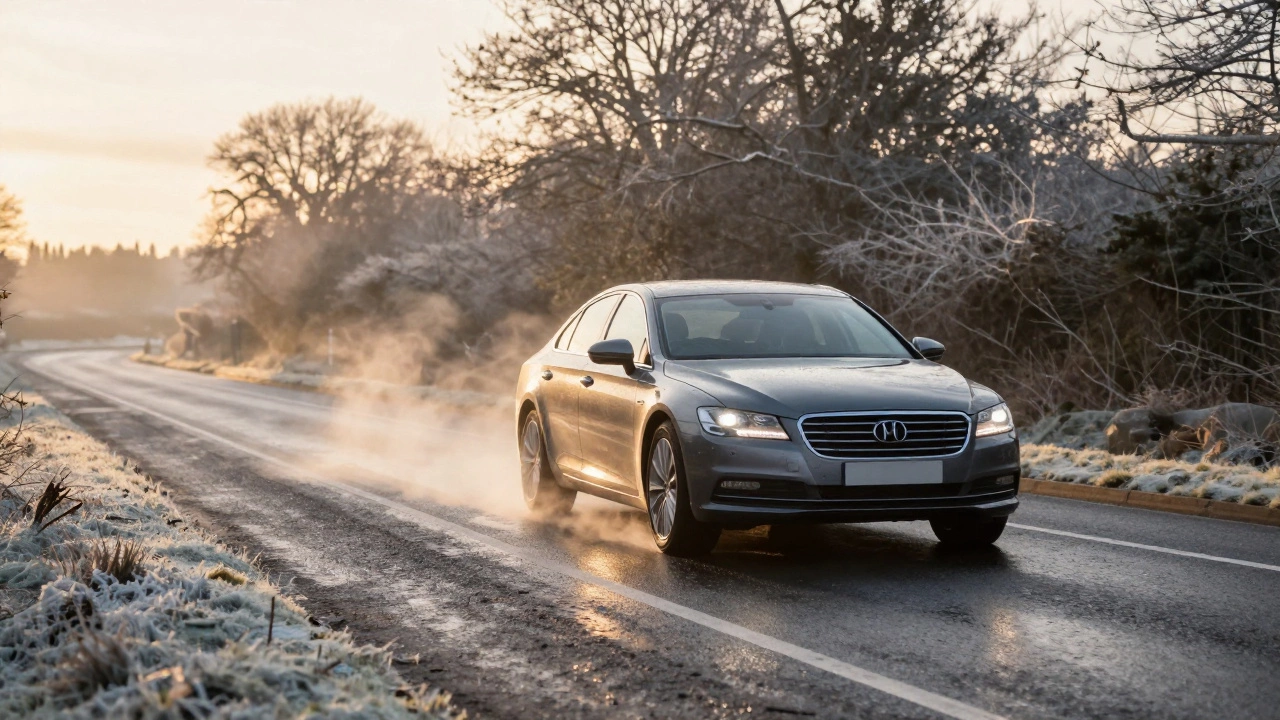
Don’t forget weather. In the UK, wet, icy, or muddy roads change everything. Softer suspension helps maintain grip when traction is low. Stiff setups can make things worse - if a wheel loses contact with the road, you lose control.
What Experts Say - And What They Don’t Tell You
Many car magazines praise stiff setups because they’re exciting to review. They test on smooth race tracks. They don’t drive the same car on a frost-covered A-road at 6 a.m. with a full load of groceries.
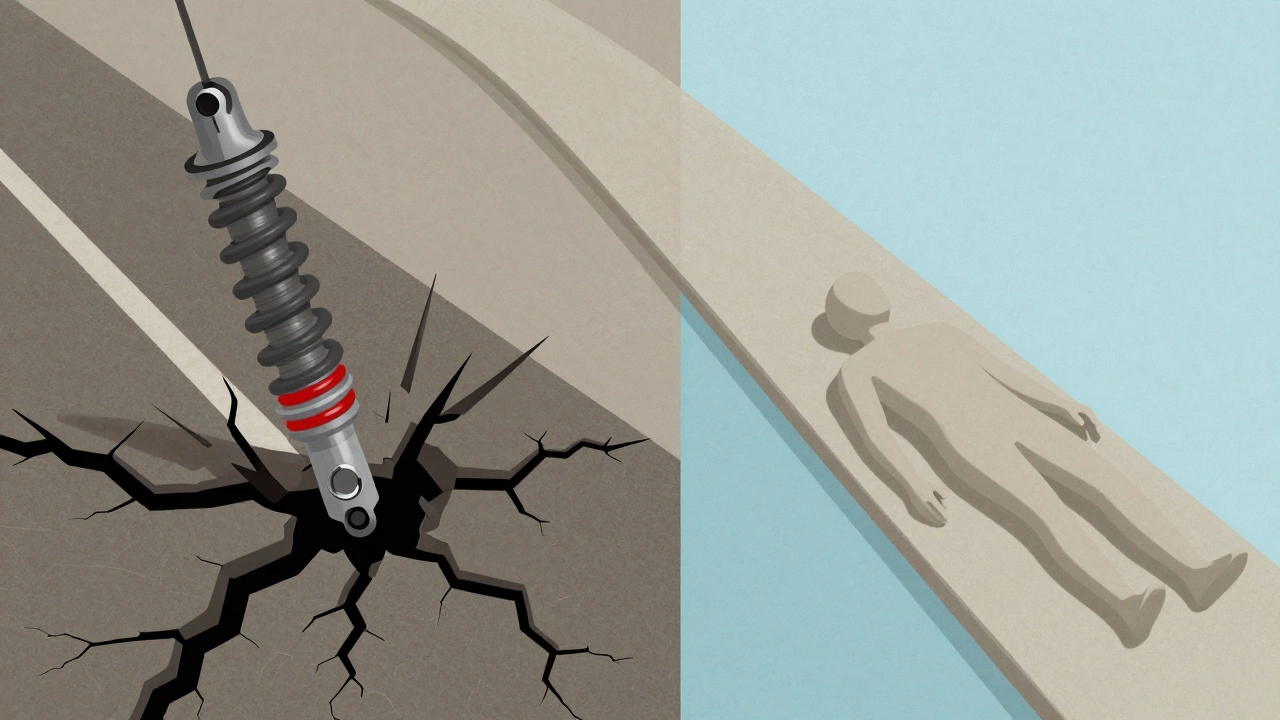
Real-world data from the UK’s RAC shows that over 68% of suspension-related breakdowns in winter are caused by impact damage - like bent control arms or broken shock mounts - from hitting potholes. Cars with stiffer suspensions are 37% more likely to suffer this kind of damage.
That’s not just about comfort. It’s about cost. Replacing a shock absorber costs £150-£250. A control arm? £300-£500. A wheel bearing? Another £200. A stiff suspension might make your car feel sporty, but it also makes it more expensive to maintain.
How to Choose for Your Car
Ask yourself these questions:
- What’s the condition of the roads you drive on most?
- Do you carry passengers or cargo regularly?
- Do you enjoy spirited driving, or do you just want to get from A to B without aches?
- Are you willing to pay more for repairs?
- Do you plan to keep the car for 5+ years?
If you answered yes to most of the first three, go for softer. If you answered yes to the last two and love driving on empty roads, then stiffer might be worth it - but only if you’re prepared for the trade-offs.
And here’s a pro tip: if you’re unsure, stick with factory settings. Carmakers spend millions testing suspension setups for real-world conditions. Aftermarket upgrades often make things worse for daily drivers.
Final Thought: There’s No Perfect Suspension
There’s no magic setting that works for everyone. The best suspension is the one that fits your life. For most people in the UK, softer is the smarter choice. It’s safer, cheaper, and more comfortable - especially in winter.
Stiff suspension has its place. But unless you’re driving on a racetrack or you’re a purist who values handling over everything else, you’re better off letting your car absorb the bumps. Your back, your wallet, and your wheels will thank you.
Is stiffer suspension better for handling?
Yes, stiffer suspension improves handling by reducing body roll and keeping tires flat on the road during cornering. But this only matters if you’re driving aggressively on smooth surfaces. On rough roads, it can hurt grip and control.
Does softer suspension wear out faster?
Not necessarily. In fact, softer suspension often lasts longer because it absorbs more impact energy. Stiffer setups transmit more force to other parts like control arms, bushings, and wheel bearings, leading to faster wear - especially on poor roads.
Can I make my suspension stiffer without buying new parts?
You can’t truly stiffen your suspension without replacing springs or shocks. But you can reduce body roll slightly by adding a rear sway bar or upgrading to higher-performance bushings. These are minor tweaks - not a full solution.
What’s the best suspension for winter driving?
Softer suspension is better for winter. It helps maintain tire contact on slippery, uneven, or snow-covered roads. Stiff suspensions can cause wheels to bounce over ice patches, reducing traction exactly when you need it most.
Are aftermarket coilovers worth it?
Only if you know how to tune them. Cheap coilovers often ruin ride quality. Good ones let you adjust damping and height, which can be great for enthusiasts. But for most drivers, the factory setup is already optimized for real-world use.
Does suspension affect fuel economy?
Indirectly. A car with poor suspension can cause uneven tire wear, which increases rolling resistance. Also, if the car bounces excessively, the engine works harder to maintain speed. Properly tuned suspension - whether stiff or soft - helps efficiency.