Car Wheel Material Identifier
Enter Your Wheel Details
Adjust the sliders and select options to determine if your rims are Steel, Cast Alloy, or Forged Alloy.
Walk into any garage or browse an online marketplace for used car parts, and you will see the terms "aluminum" and "alloy" thrown around interchangeably. Sellers claim their wheels are lightweight alloys, while others insist they are solid aluminum. But here is the twist that catches most people off guard: there is practically no difference between the two in the context of modern car wheels. If you are trying to distinguish between a genuine "aluminum" rim and an "alloy" rim because you think one is superior to the other, you might be wasting your time. However, if you are trying to figure out whether your wheels are made of metal (aluminum/alloy) or steel, that is a completely different story.
The confusion stems from marketing language rather than metallurgy. To truly understand what you have under your car, you need to look past the labels and examine the physical properties, manufacturing methods, and visual cues of the wheels themselves. This guide breaks down how to identify your wheel material with certainty, why the distinction matters for performance and safety, and what you should look for when buying replacements.
The Great Naming Confusion: Aluminum vs. Alloy
Let’s clear up the biggest misconception first. Alloy wheels are wheels made primarily from aluminum mixed with other elements like magnesium, silicon, or zinc to improve strength and durability. Pure aluminum is actually quite soft and malleable. It bends easily and lacks the structural integrity needed to withstand the forces of driving at speed, hitting potholes, or supporting the weight of a vehicle. Therefore, manufacturers never use pure aluminum for wheels. They always create an alloy.
When people say "aluminum wheels," they are almost always referring to these same aluminum-alloy wheels. The term "aluminum" is used as a shorthand because it is the primary constituent, usually making up over 90% of the mix. So, if you are holding a shiny, multi-spoke wheel and asking if it is aluminum or alloy, the answer is yes to both. It is an alloy made mostly of aluminum. The real comparison you need to make is between these aluminum-based wheels and Steel wheels, which are wheels made from stamped sheets of steel, often covered by plastic hubcaps to mimic the look of alloy designs.
Visual Identification: What to Look For
If you cannot check the paperwork or ask the manufacturer, your eyes and hands are your best tools. There are distinct visual differences between steel, cast aluminum, and forged aluminum wheels that can help you identify them quickly.
1. The Surface Finish
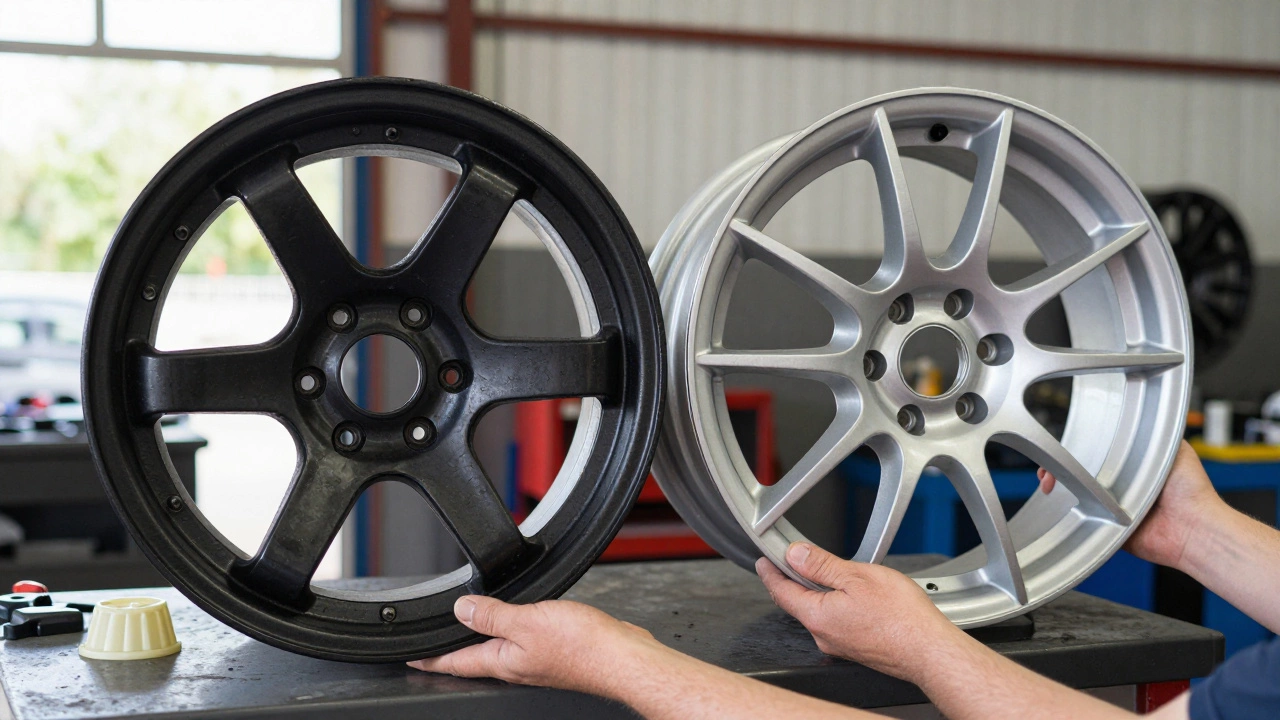
Steel wheels typically have a rougher texture unless they are painted. Even when painted, they often lack the sharp definition seen on alloy wheels. Many steel wheels come with a black powder-coated finish or are chrome-plated. If you see a plastic cover snapping onto the wheel, it is definitely steel underneath. These hubcaps are designed to hide the utilitarian look of the steel rim.
2. Spoke Design and Complexity
Aluminum alloys allow for much more intricate designs. Because the metal is lighter and can be cast or forged into complex shapes, you will often see thin spokes, deep dish profiles, and aerodynamic vents. Steel wheels, being heavier and less versatile in manufacturing, usually feature simple, thick spoke patterns-often just five or six heavy bars connecting the center to the outer edge. If the wheel looks delicate or has many thin spokes, it is likely an alloy.
3. Weight Check
This is the most reliable non-destructive test. Pick up the wheel. A steel wheel for a standard sedan weighs significantly more than its aluminum counterpart. A typical 16-inch steel wheel might weigh around 15-18 kg (33-40 lbs), whereas a similar sized alloy wheel could weigh between 10-13 kg (22-29 lbs). If the wheel feels surprisingly light for its size, it is aluminum alloy. If it feels dense and cumbersome, it is likely steel.
Manufacturing Methods: Cast vs. Forged
Once you have established that the wheel is aluminum-based (not steel), the next level of identification involves determining how it was made. Not all alloy wheels are created equal. There are three main manufacturing processes, each with distinct characteristics.
- Gravity Casting: Molten aluminum is poured into a mold and allowed to cool naturally. This is the most common and affordable method. The resulting wheels are durable but heavier than other types. You might find small imperfections or slight variations in the surface texture.
- Flow Forming (Rotary Forging): After casting, the barrel of the wheel is spun and stretched using rollers. This aligns the metal grains, making the wheel stronger and lighter without changing the face design dramatically. These are popular in mid-range vehicles.
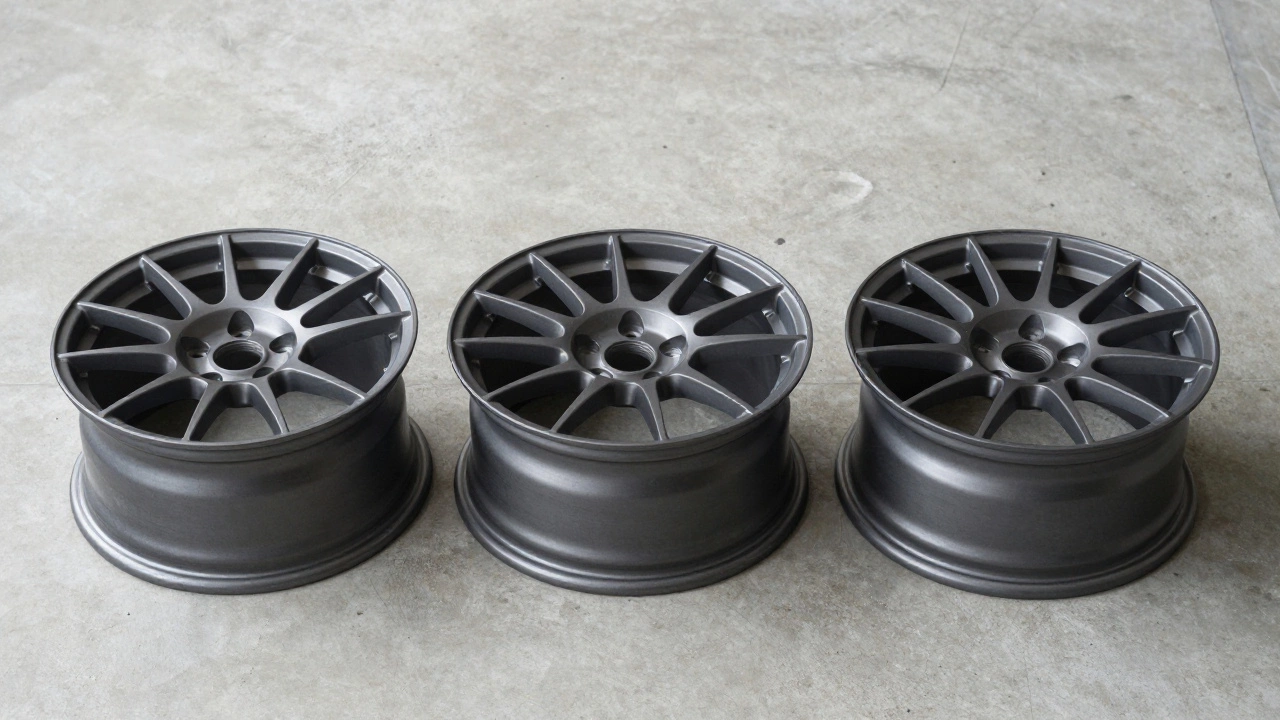
- Forging: A solid block of aluminum alloy is pressed under immense pressure (up to 6,000 tons) into shape. This creates a wheel with extremely tight grain structure, resulting in maximum strength and minimum weight. Forged wheels are expensive and usually found on high-performance sports cars or luxury vehicles. They often have a matte finish and very precise, sharp edges.
To identify a forged wheel, look for the word "Forged" stamped or engraved on the back of the rim. Additionally, forged wheels often have a unique, seamless appearance and are noticeably lighter than cast wheels of the same size.
Why Material Matters: Performance and Safety
Understanding whether your rims are aluminum alloy or steel isn't just about aesthetics; it impacts how your car drives. Unsprung weight-the weight of components not supported by the suspension, including wheels, tires, and brakes-is critical for handling.
Aluminum alloy wheels reduce unsprung weight compared to steel. This allows the suspension to react faster to road irregularities, improving grip and ride comfort. Lower rotational mass also means the engine doesn't have to work as hard to accelerate the wheels, leading to better fuel efficiency and quicker acceleration. In contrast, steel wheels are robust and cheap to replace, making them ideal for winter use where salt and corrosion are concerns, or for commercial vehicles where cost is paramount.
However, aluminum alloys are susceptible to corrosion if the protective coating is damaged. While they don't rust like steel, they can oxidize, leading to pitting and surface degradation. Steel wheels, on the other hand, will rust through if not properly maintained, compromising structural integrity.
| Feature | Steel Wheels | Cast Aluminum Alloy | Forged Aluminum Alloy |
|---|---|---|---|
| Weight | Heavy | Moderate | Lightest |
| Cost | Low | Moderate | High |
| Durability | High (bends rather than cracks) | Moderate (can crack on impact) | Very High |
| Aesthetics | Basic (often hidden by hubcaps) | Varied designs | Premium, sharp designs |
| Heat Dissipation | Poor | Good | Excellent |
Common Pitfalls When Buying Used Wheels
When purchasing second-hand wheels, sellers may misrepresent the material to justify a higher price. Here is how to avoid being misled.
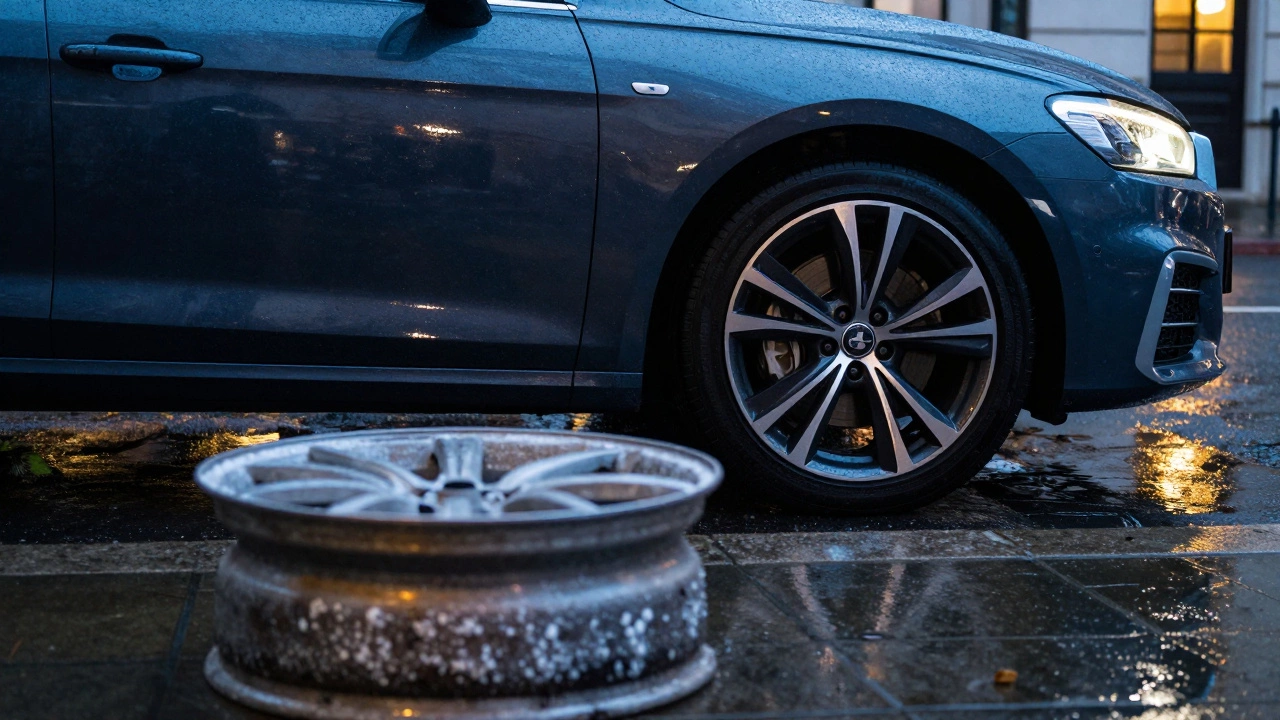
First, check for damage. Aluminum alloy wheels can crack, especially near the valve stem or the spoke roots. Steel wheels tend to bend. A cracked alloy wheel is unsafe and must be discarded or professionally repaired, though repair success varies. A bent steel wheel can often be straightened. If a seller claims a wheel is "solid aluminum" but shows signs of significant bending without cracking, they might be lying about it being alloy, or it is a very low-quality cast.
Second, inspect the lug nut holes. Alloy wheels often have tapered seats for cone-style lug nuts, while steel wheels frequently use spherical seats. Mismatched lug nuts can cause wheels to wobble or detach. Always verify the seat type matches your vehicle's requirements.
Finally, beware of "replica" wheels. These are cheaply cast aluminum wheels that mimic the design of expensive OEM or aftermarket alloys. They may lack the proper balance weights or structural reinforcement, leading to vibrations at high speeds. Look for certification marks such as JWL (Japan Wheel Light) or VIA (Vehicle Industry Association) stamps on the back of the wheel. These indicate the wheel has passed rigorous safety testing.
Maintenance Tips for Different Wheel Types
Caring for your wheels extends their life and maintains their appearance. For steel wheels, regular washing to remove road salt is essential to prevent rust. Applying a clear coat sealant can provide extra protection. For aluminum alloy wheels, use pH-neutral wheel cleaners. Avoid acidic brake cleaner on painted alloys as it can strip the clear coat. Polishing compounds can restore shine to oxidized aluminum surfaces, but excessive polishing can wear down the protective layer over time.
If you live in an area with harsh winters, consider keeping a set of steel wheels for winter tires. They are cheaper to damage from ice scrapers and potholes, and their simplicity makes them easier to mount and balance quickly. Save your premium alloy wheels for warmer months to preserve their finish.
Can I paint steel wheels to look like alloy?
Yes, you can powder coat or paint steel wheels to resemble alloy finishes. However, the underlying shape remains simple and heavy. Painting does not change the weight or performance characteristics. It is a cosmetic upgrade only.
Are forged wheels worth the extra cost?
For daily drivers, cast or flow-formed wheels offer excellent value. Forged wheels are worth the investment if you track your car, tow heavy loads, or prioritize maximum performance and minimal weight. They are stronger and lighter but come at a premium price.
How do I know if my alloy wheel is cracked?
Inspect the rim edge and spoke bases closely. Look for hairline fractures or uneven gaps. Tap the wheel with a rubber mallet; a dull thud instead of a ring may indicate internal damage. If you suspect a crack, have it inspected by a professional wheel repair specialist immediately.
Do aluminum wheels conduct heat better than steel?
Yes, aluminum is a better conductor of heat than steel. This helps dissipate heat from the brakes, reducing brake fade during heavy use. This is one reason why performance cars favor alloy wheels.
Can I mix steel and alloy wheels on the same car?
Technically, you can, but it is not recommended. Mixing materials leads to uneven weight distribution, affecting handling, braking, and tire wear. It can also confuse ABS and traction control systems. Always use matching sets of four wheels.