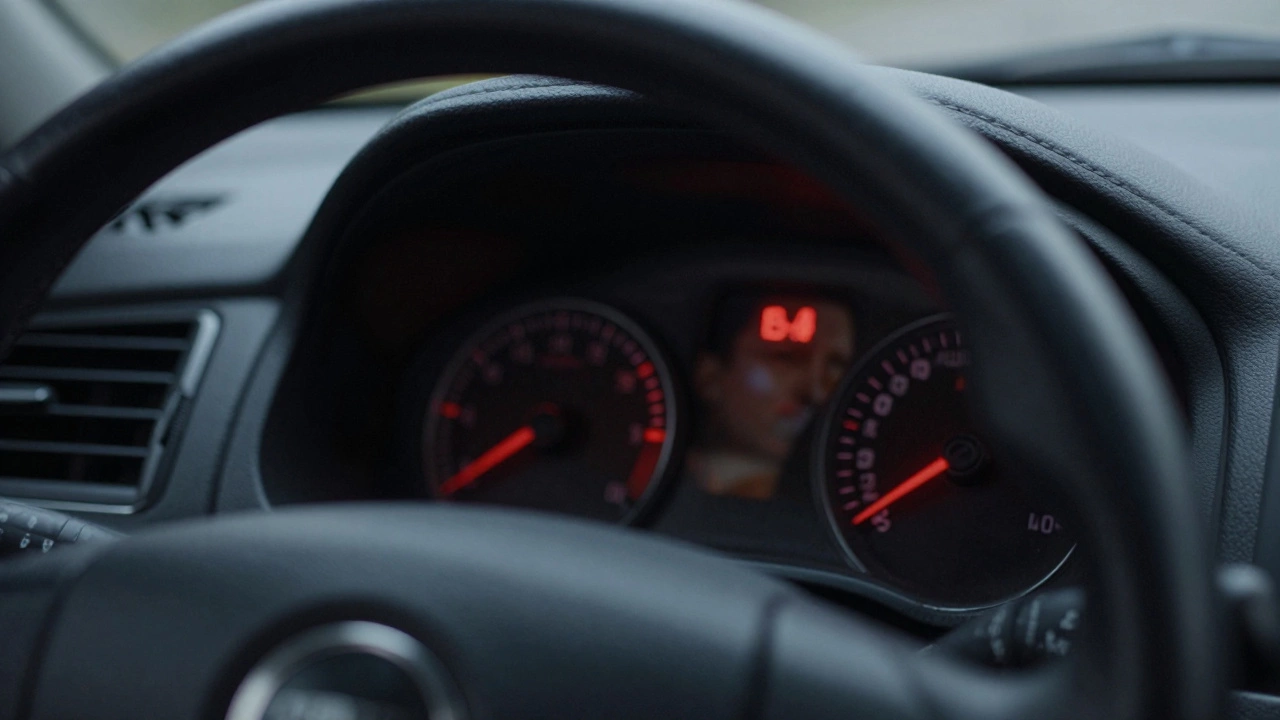
Most car owners know they should check their oil, but few actually know what happens when they don’t. If your engine runs low on oil, it doesn’t just stop working-it starts tearing itself apart from the inside. And by the time you hear the knocking or see smoke, it’s often too late. You don’t need a mechanic to tell you your car needs oil. You just need to know what to look for.
1. The Oil Warning Light Is On
This is the most obvious sign. If the oil can icon-usually a little oil can or a dripping faucet-lights up on your dashboard, don’t ignore it. It doesn’t mean your oil is dirty. It means your oil pressure has dropped below safe levels. That could be because you’re low on oil, the pump is failing, or the sensor is faulty. But the first thing you should do is pull over safely, turn off the engine, and check the dipstick. Many drivers wait too long to check, thinking it’s just a glitch. It’s not. A warning light means your engine is running without enough lubrication right now.
2. Your Engine Sounds Louder Than Usual
When oil levels drop, metal parts inside the engine start grinding against each other. You’ll hear it as a ticking, clattering, or knocking noise, especially when you start the car or accelerate. It’s not the exhaust. It’s not the belts. It’s the lifters, valves, or even the crankshaft bearings trying to spin without enough oil to cushion them. In older engines, this noise might creep in slowly. In newer ones, it can appear suddenly. Either way, if your engine sounds like a coffee grinder instead of a smooth hum, you’re running on borrowed time.
3. You Smell Oil Inside or Outside the Car
Oil doesn’t just vanish. If you’re smelling hot, burnt oil-like frying bacon or burnt toast-there’s a leak. It could be dripping onto the exhaust manifold, seeping from a worn gasket, or leaking from the valve cover. The smell might be strongest when you first start driving, or when you’re idling at traffic lights. Some people think it’s just an old car smell. It’s not. Burnt oil means oil is escaping where it shouldn’t be, and that usually means the level is dropping faster than you realize. Check under the car for dark, greasy puddles. If you see any, don’t drive it far.
4. The Oil Looks Dark, Thick, or Dirty on the Dipstick
Oil doesn’t have to be low to be bad. If you pull out the dipstick and the oil looks like motor tar-thick, black, and gritty-it’s time for a change. Fresh oil is amber and translucent. Used oil darkens over time, but it should still flow easily. If it’s clumpy, smells burnt, or leaves sludge on your fingers, it’s lost its ability to lubricate. Even if the level looks fine, oil that’s past its life is doing more harm than good. Most manufacturers say to change oil every 5,000 to 7,500 miles, but if you drive in stop-and-go traffic, haul heavy loads, or live in extreme heat or cold, you might need to change it sooner.
5. You Notice Blue Smoke Coming from the Exhaust
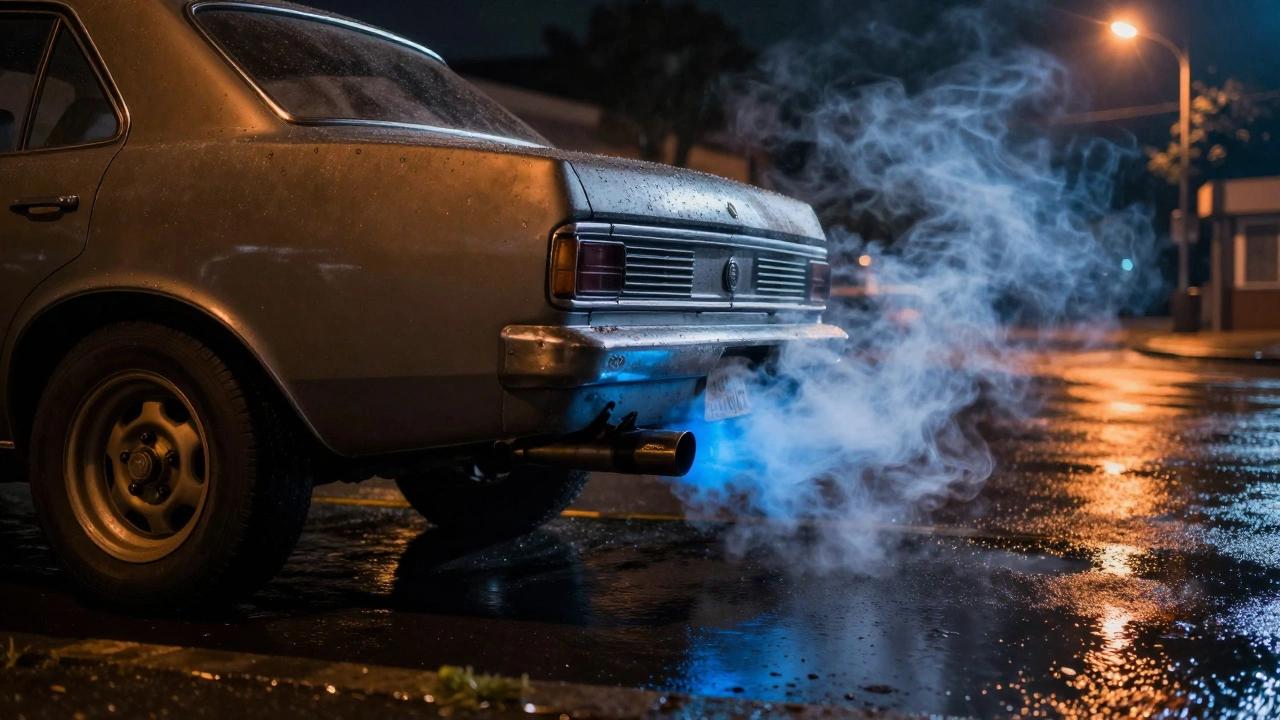
Blue smoke means your engine is burning oil. That’s not normal. It usually happens when oil leaks past worn piston rings or valve seals and gets burned in the combustion chamber. You’ll see it most clearly during acceleration or when you start the car after it’s been sitting. It’s not the same as white smoke (which is coolant) or black smoke (which is fuel). Blue smoke is oil being consumed. And if your engine is burning oil, it’s using up what little you have left. This is a sign your engine is wearing out-but it’s also a sign you need to top up or change the oil immediately, or you’ll risk a seized engine.

6. The Oil Level Is Below the Minimum Mark on the Dipstick
This is the most basic check, and yet so many people skip it. Always check your oil when the engine is cold or at least five minutes after turning it off. Pull out the dipstick, wipe it clean, put it back in, then pull it out again. You’ll see two marks: minimum and maximum. If the oil is below the minimum, you’re running low. Even if it’s just half a quart below, that’s enough to cause damage over time. Don’t wait for the warning light. Check it every time you fill up with fuel. It takes 30 seconds. And if you’re consistently low, you have a leak or your engine is burning oil.
7. Your Car’s Performance Feels Off
Low oil doesn’t just make noise-it makes your car sluggish. You might notice slower acceleration, reduced fuel efficiency, or the engine hesitating when you press the gas. That’s because without proper lubrication, internal parts create more friction. The engine has to work harder to turn over, which drains power and fuel. Some drivers blame bad fuel or a dirty air filter. But if you’ve ruled those out and your car suddenly feels heavier on the road, check the oil. It’s the easiest thing to fix-and the cheapest.
Checking your oil isn’t a chore. It’s insurance. A quart of oil costs less than a coffee. An engine rebuild costs thousands. You don’t need a fancy diagnostic tool to know your car needs oil. You just need to look, listen, and smell. Most car problems start small. Oil issues are no different. Catch them early, and you’ll save yourself a lot of stress, time, and money.
How often should I check my car’s oil?
Check your oil at least once a month, and always before a long trip. If you drive in tough conditions-like stop-and-go traffic, extreme heat, or dusty roads-check it every time you fill up. Modern cars have oil life monitors, but they’re not perfect. Physical checks with the dipstick are still the most reliable way to know for sure.
Can I just add oil without changing it?
Adding oil is fine if you’re low and need to get to a garage, but it’s not a fix. Old oil breaks down over time and collects dirt, metal shavings, and sludge. Adding fresh oil to dirty oil just dilutes the problem. You still need a full oil change to remove the contaminants and restore proper lubrication. Think of it like adding clean water to muddy water-it’s still muddy.
What happens if I drive with low oil?
Driving with low oil causes metal parts in your engine to grind together without lubrication. This creates heat, friction, and wear. Within minutes, you can damage bearings, pistons, or even the crankshaft. In worst-case scenarios, the engine seizes completely-meaning it stops turning and needs to be replaced. That’s not a repair. That’s a $5,000+ bill. Low oil doesn’t just reduce performance. It destroys engines.
Why does my car use oil between changes?
All engines burn a small amount of oil over time-it’s normal. But if you’re adding more than a quart every 1,000 miles, something’s wrong. Worn piston rings, leaking valve seals, or a cracked cylinder head can cause excessive oil consumption. If you’re topping up often, get it checked. It’s not just about oil levels-it’s about engine health.
Should I use synthetic or conventional oil?
Synthetic oil lasts longer, flows better in cold weather, and resists breakdown better than conventional oil. Most modern cars recommend synthetic. If your owner’s manual says synthetic, use it. If you drive in extreme conditions-like winter in Manchester or towing trailers-synthetic is worth the extra cost. Conventional oil works fine for older cars with low mileage, but it needs changing more often.
If you’re unsure about your oil level or type, check your owner’s manual. It will tell you the right viscosity (like 5W-30 or 10W-40) and whether to use synthetic. Keep a bottle of the correct oil in your trunk. If you notice any of these signs, don’t wait. Top up now, change it soon, and get leaks checked. Your engine won’t thank you tomorrow if you ignore it today.