Alloy Wheel Cost Calculator
Critical If your estimated costs exceed £500 annually, consider steel wheels for daily driving.
Caution Repair costs often exceed replacement costs for damaged alloy wheels.
Recommendation If you drive on rough roads, keep a spare steel wheel in your trunk for emergencies.
Alloy rims look sharp. They’re lighter, shinier, and make your car look like it belongs on a magazine cover. But if you’ve ever hit a pothole, scraped a curb, or noticed your wheels looking dull after winter, you know there’s a downside. Alloy rims aren’t just expensive to replace - they’re fragile, hard to fix, and can turn a small accident into a big bill.
They Crack and Bend Easier Than Steel
Alloy wheels are made from a mix of aluminum and other metals like magnesium. That makes them lighter, which helps fuel efficiency and handling. But that same lightness makes them less forgiving. Steel wheels bend. Alloy wheels crack. And once they crack, they’re done.
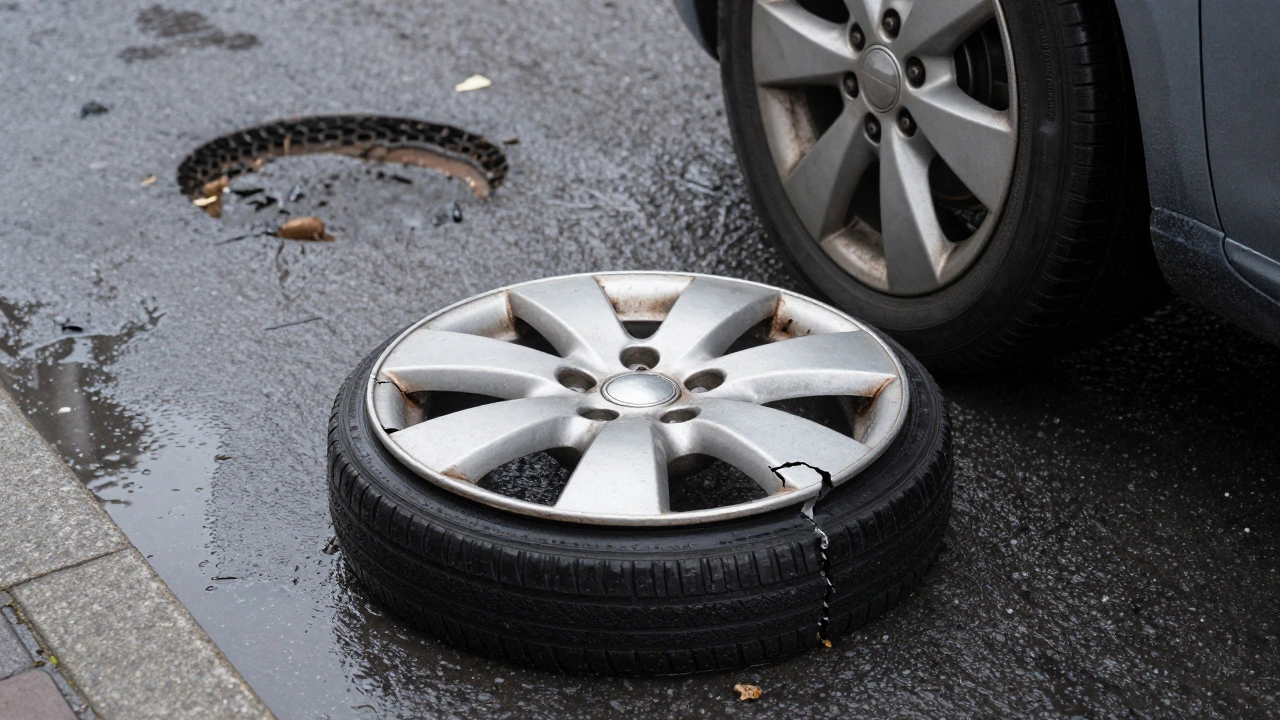
I’ve seen it a hundred times in Manchester. Winter roads are rough. Salt, grit, and potholes turn every commute into a minefield. A driver hits a curb just right - maybe a 6-inch drop at 15 mph - and instead of bending, the alloy wheel splits. No amount of hammering or heat fixes that. It’s not a dent. It’s a fracture. And once it fractures, the wheel is unsafe to drive on. You can’t weld it back together like steel. Even if you could, the structural integrity is gone.
Steel wheels? They’ll dent, warp, maybe even bulge. But they rarely break. You can often straighten them. You can drive on them for months with a bad bend. Alloy wheels? One bad hit, and you’re shopping for replacements.
Repair Costs Add Up Fast
Let’s say you get lucky. Your wheel doesn’t crack - it just gets a deep scratch or a small dent. You take it to a wheel repair shop. They’ll sand it down, fill the damage, repaint it, and balance it. Sounds reasonable, right?
Except it costs between £80 and £150 per wheel. And if you’ve got four wheels? That’s £320 to £600. Compare that to steel wheels, which cost £30 to £50 each to fix - if they even need fixing at all.
And here’s the kicker: if your alloy wheel is damaged in a way that affects the bead seat - the part that seals against the tire - you can’t even repair it. The tire won’t hold air. No matter how pretty the finish looks, it’s scrap. You have to replace it. A single aftermarket alloy wheel can run £150 to £400. OEM wheels? £300 to £800. That’s not a repair. That’s a financial hit.
Corrosion and Chemical Damage Are Inevitable
Alloy wheels are coated with a clear lacquer to keep them shiny. But that coating doesn’t last. Especially in places like Manchester, where rain is frequent and road salt is dumped like snow.
Over time, moisture and salt eat through the finish. You’ll see pitting - tiny holes - around the bolt holes and on the inner barrel. It starts as a dull spot. Then it turns into brown rust. Then it spreads. Once corrosion gets under the lacquer, it’s unstoppable. You can polish it, but you can’t stop it.
Some cheaper alloys use lower-grade aluminum. Those start corroding within a year. Even high-end brands like BBS or OZ aren’t immune. You’re not just fighting dirt - you’re fighting chemistry. And once the corrosion spreads to the structural part of the wheel, it weakens the whole thing. No one talks about this until your wheel fails at 70 mph.
They’re Hard to Match When You Need Replacements
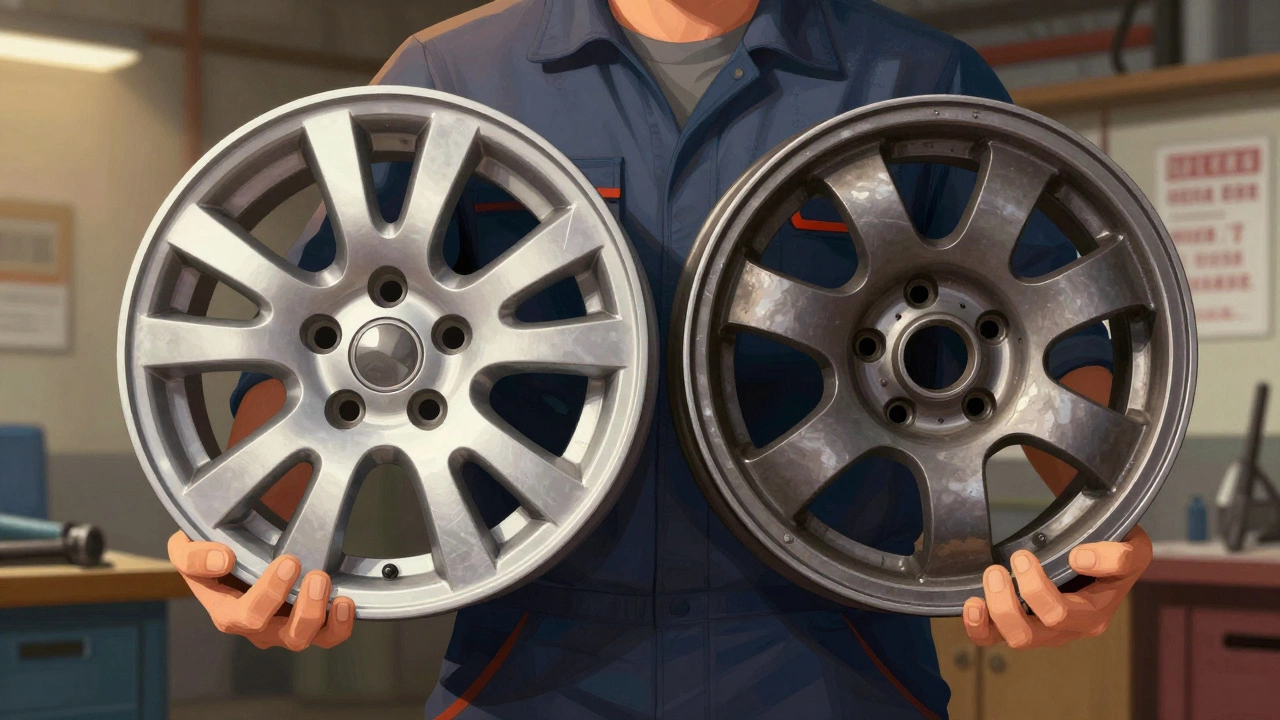
Ever tried to replace just one alloy wheel? It’s a nightmare. Even if you know the exact model, size, and offset, manufacturers stop making them. Colors fade. Designs get discontinued. Your perfect match might not exist anymore.
You end up with three wheels that look brand new and one that’s slightly different - maybe a shade darker, maybe with a different polish. It’s noticeable. People notice. And if you’re selling the car? Buyers notice too. They’ll assume you’re hiding damage or that the wheel was replaced after an accident.
Steel wheels? You can grab any matching set from a scrapyard. They’re cheap, common, and interchangeable. Alloy wheels? You’re locked into the brand, the year, the finish. One broken wheel can turn your whole set into a mismatched mess.
They Don’t Handle Rough Roads Well
Alloy wheels are great on smooth tarmac. They’re terrible on broken asphalt, gravel tracks, or pothole-strewn back roads. The lack of flexibility means they transfer every bump directly to the tire, the suspension, and even the hub.
That’s why you’ll often see alloy-wheel owners replacing tires more often. The wheel doesn’t absorb shock - the tire does. And if the wheel is rigid, the tire gets punished. You’ll get uneven wear, bulges, or even blowouts from repeated impacts.
One mechanic I spoke to in Old Trafford said he sees 30% more tire replacements on cars with alloy wheels compared to steel. He blames it on the lack of give. Steel wheels flex. They absorb. Alloys? They snap.
They’re Not Worth It for Daily Drivers
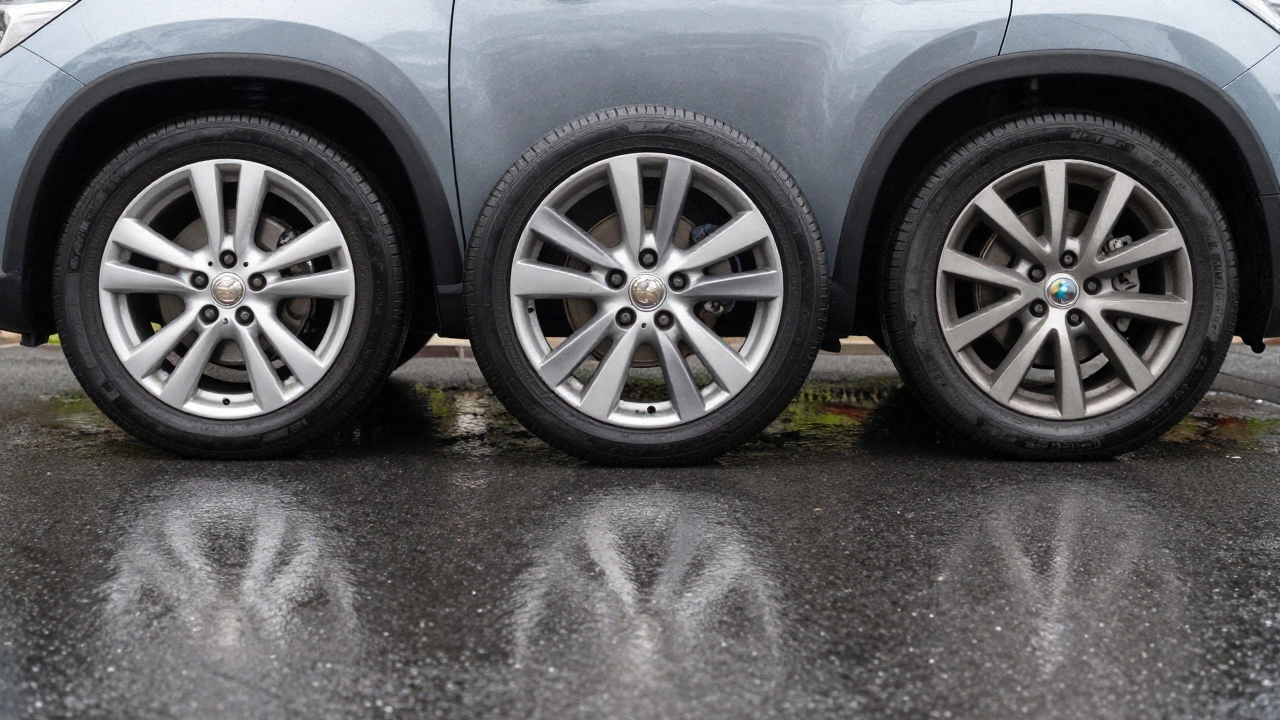
If you drive 10 miles to work, park on the street, and commute through winter grit, alloy rims are a liability. They look great - until they don’t. Then they cost you hundreds, sometimes thousands, in repairs and replacements.
For weekend cruisers, show cars, or track days? Sure. Go for it. But for everyday use? The trade-off isn’t worth it. You’re paying for aesthetics, not performance. And you’re paying for fragility.
Steel wheels are ugly. They’re heavy. But they’re tough. They last. They’re cheap. And they’ll get you home when the road gives you hell.
What Should You Do?
If you already have alloy wheels:
- Check them every season for cracks, pitting, or bent lips
- Wash them regularly - especially after winter
- Never drive through potholes at speed
- Keep a spare steel wheel in the trunk for emergencies
If you’re buying a new car:
- Ask if you can downgrade to steel wheels for winter
- Consider keeping the alloys for summer and swapping them out
- Don’t assume bigger rims = better performance. Often, they just mean more cost
Alloy rims aren’t evil. But they’re not magic. They’re a luxury with real, measurable downsides. And if you’re not prepared for those costs, you’re setting yourself up for a nasty surprise.
Are alloy rims more prone to damage than steel wheels?
Yes. Alloy wheels are more brittle than steel. While steel bends under impact, alloys crack or shatter. Once cracked, they can’t be safely repaired. This makes them far more vulnerable to potholes, curbs, and rough roads.
Can you repair a cracked alloy wheel?
Technically, yes - but it’s not recommended. Welding an alloy wheel may look good, but it doesn’t restore its original strength. The heat changes the metal’s structure, making it weaker. Most reputable shops won’t weld cracked alloys. Replacement is the only safe option.
Why do alloy wheels corrode so easily?
Alloy wheels have a clear lacquer finish that protects the metal. But road salt, moisture, and winter chemicals eat through that coating over time. Once corrosion starts, it spreads under the surface. Cheaper alloys use lower-grade aluminum, which corrodes faster. Even premium brands can’t stop it forever.
Do alloy wheels affect tire life?
Yes. Because alloy wheels are rigid, they don’t absorb road shock like steel wheels do. That means more impact gets transferred to the tire, leading to uneven wear, bulges, and premature failure. Mechanics report up to 30% more tire replacements on cars with alloy wheels.
Is it worth keeping alloy wheels for daily driving?
Only if you drive on smooth roads, live in a dry climate, and don’t mind spending £300-£800 per wheel if one gets damaged. For most daily drivers - especially in wet, gritty conditions - steel wheels are more practical, cheaper, and more durable. Alloys are a style choice, not a performance upgrade.