Alloy Wheel Fitment Calculator
Your Current Wheels
Must match your vehicle's factory specs
Must be equal to or larger than hub diameter
Positive = out, Negative = in
Must match tire size
Your Alloy Wheels
Must match your vehicle's bolt pattern exactly
Must be equal to or larger than hub diameter
Positive = out, Negative = in
Can be 0.5-1.5" larger than original
Max 1" wider than original
Enter your wheel specifications to check fitment
Most cars come with steel wheels from the factory. They’re cheap, durable, and easy to repair. But if you’ve ever seen a sleek car with shiny, lightweight wheels, you’ve probably wondered: can we change a normal wheel to alloy wheels? The short answer is yes - but it’s not as simple as just swapping them out. There are rules, risks, and real-world trade-offs you need to understand before making the switch.
What Are Alloy Wheels, Anyway?
Alloy wheels are made from a mix of aluminum and other metals, usually magnesium or nickel. They’re lighter than steel wheels, which means less unsprung weight on your car. That translates to better handling, quicker acceleration, and sometimes even improved fuel efficiency. They also look better - a lot better. The polished, machined, or painted finishes on alloy wheels make even an old car look modern.
But here’s the catch: not every alloy wheel fits every car. Just because they look cool doesn’t mean they’ll work on your vehicle. You need to match five key specs: bolt pattern, center bore, offset, diameter, and width.
The Five Things That Must Match
If any of these don’t line up, your new wheels won’t fit safely - or at all.
- Bolt pattern: This is the number of bolts and the distance between them. Common patterns are 4x100, 5x112, or 5x120. Your car’s manual or the back of your current wheel will tell you this.
- Center bore: The hole in the middle of the wheel must match the size of your hub. If it’s too big, the wheel wobbles. If it’s too small, it won’t fit. Some people use spigot rings to fix mismatched center bores, but that’s a temporary fix - not a safe long-term solution.
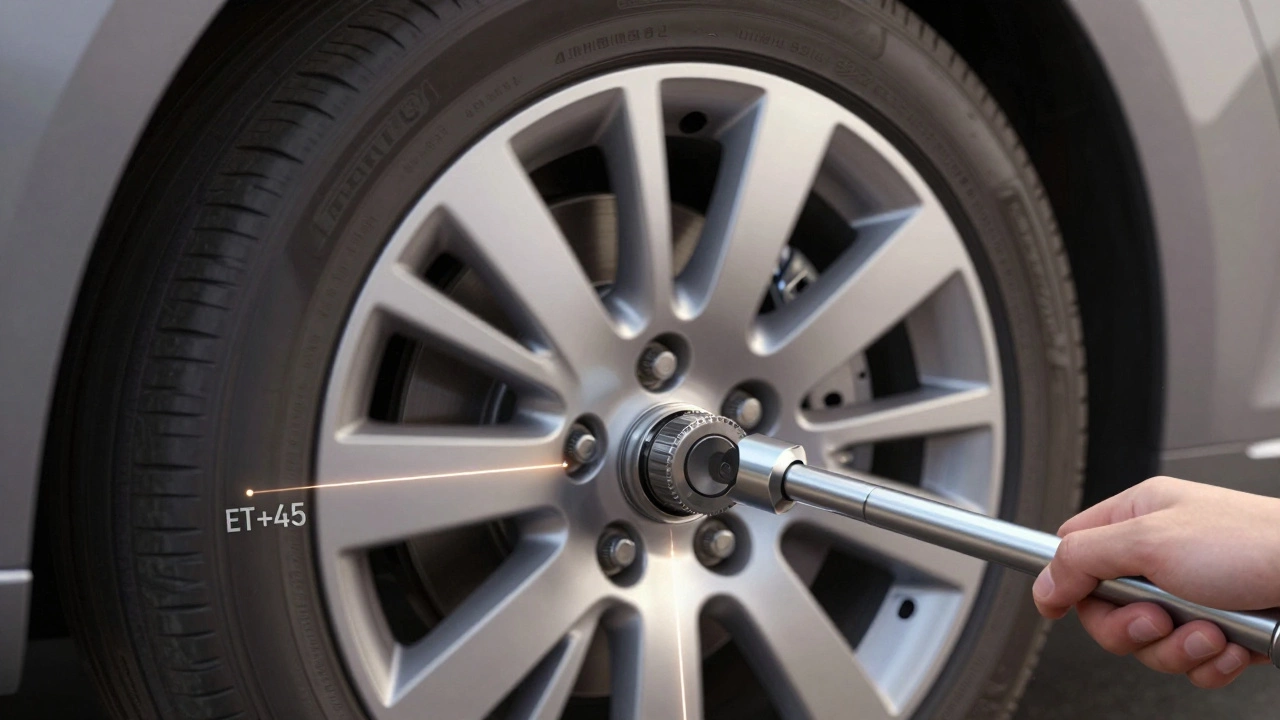
- Offset (ET): This measures how far the wheel sits in or out from the wheel well. Too little offset and the wheel rubs against the suspension. Too much and it sticks out past the fender, which can be illegal and dangerous.
- Diameter: Most cars use 15”, 16”, 17”, or 18” wheels. Going too much bigger than stock can hurt ride quality and require new tires. Going smaller might not fit over your brakes.
- Width: Wider wheels need wider tires. If you go too wide, you’ll rub on the fenders or suspension. Most cars can handle a 1-inch increase without issues, but anything more needs careful checking.
Here’s a real example: A 2020 Honda Civic LX has a 5x114.3 bolt pattern, 64.1mm center bore, +45 offset, and comes with 15” or 16” steel wheels. You can safely upgrade to 17” alloys with the same bolt pattern, a center bore of 64.1mm or larger (with a hub ring), and an offset between +35 and +48. Go outside that range, and you risk damage to your suspension, steering, or bodywork.
Will Alloy Wheels Fit Over Your Brakes?
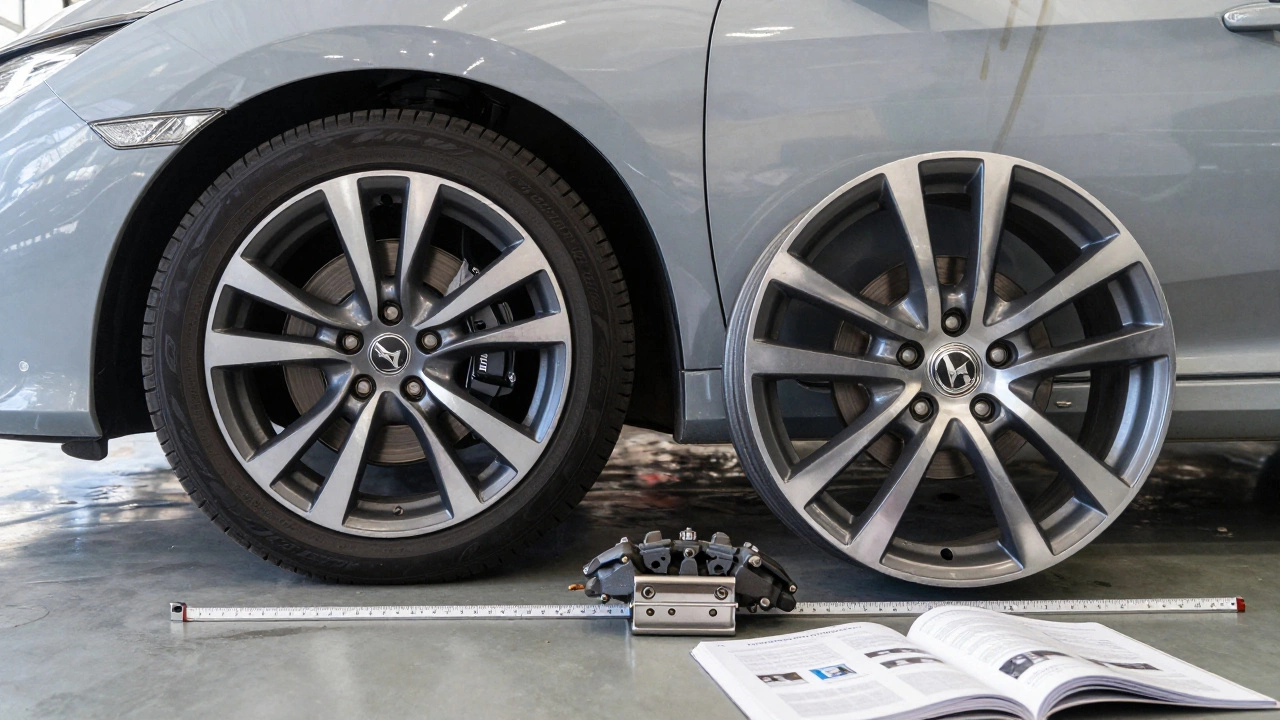
This is something most people forget. Big brake calipers - especially on sportier models or after brake upgrades - can stick out past the wheel well. If your new alloy wheel has a tight inner design, the caliper might hit the inside of the rim. That’s not just annoying - it can destroy your wheel in seconds.
Before buying, take a ruler and measure the space between your current wheel and the brake caliper. Then check the back of the alloy wheel you’re considering. If the inner barrel is too shallow, skip it. Some wheel retailers let you upload your car’s details and will flag incompatible models. Use that tool.
Cost and Value: Is It Worth It?
Steel wheels cost $50-$100 each. Basic alloy wheels start at $150 each. High-end ones? $500+. A full set of four can run $600 to $2,000 depending on brand and finish.
Do they improve performance? Yes - but only slightly. A lighter wheel reduces rotational mass, which helps your suspension respond faster. On a daily driver, you’ll notice better cornering and a slightly smoother ride. On a track car, the difference is huge.
Do they improve resale value? Sometimes. Buyers notice them. But if the alloys are damaged, cracked, or mismatched, they can hurt your car’s value. A set of cheap, scuffed alloys looks worse than clean steel wheels.
And here’s a hard truth: alloy wheels are more fragile. They crack easier than steel when hitting potholes or curbs. Steel bends. Alloy breaks. If you live somewhere with bad roads, think twice.
What About Tire Size?
You can’t just swap wheels and keep the same tires. Tire size must match the new wheel width and diameter. A 205/55R16 tire won’t fit a 17” wheel. You’ll need new tires - which adds another $400-$1,200 to the project.
Many people upgrade wheels and tires together. That’s smart. But don’t go too wide or too low-profile. A 225/40R18 tire might look aggressive, but it’ll give you a harsh ride and wear out faster. Stick within 10% of your original tire’s overall diameter to keep your speedometer accurate and avoid ABS or traction control errors.
Legal and Insurance Issues
In most places, changing wheel size is legal as long as the wheels don’t stick out past the fenders and don’t interfere with steering or suspension. But some states and countries have strict rules. Check your local DMV or transport authority.
Insurance companies don’t always care - unless you’ve modified the car significantly. But if you get into an accident and they find out you installed non-OEM wheels without telling them, they might deny a claim. Always notify your insurer if you make major changes.
Where to Buy and How to Install
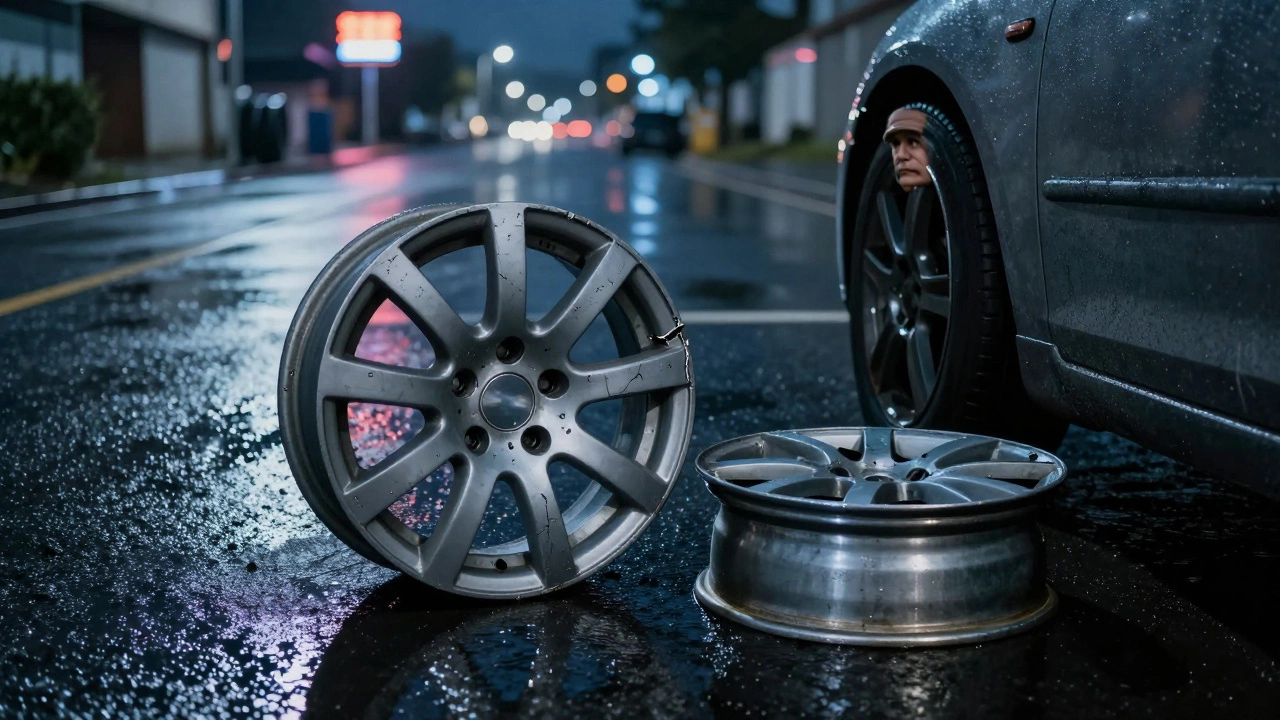
You can buy alloy wheels from dealerships, online retailers like Tire Rack or Wheel Warehouse, or used from salvage yards. Used wheels are cheaper, but inspect them closely. Look for cracks, bends, or repair welds. A bent wheel can cause vibrations, uneven tire wear, or even failure at high speed.
Installation? Don’t try it yourself unless you have a torque wrench and a jack stand. Improper torque can loosen bolts over time. Over-tightening can strip threads. Always torque to your car’s factory spec - usually between 80 and 100 lb-ft. Get a professional to install them. It’s $50-$100 for mounting and balancing, and it’s worth every penny.
When Not to Upgrade
There are times when alloy wheels are a bad idea:
- Your car is over 15 years old and you’re not planning to keep it long.
- You drive on rough roads or off-road regularly.
- You’re on a tight budget - the total cost (wheels + tires + installation) can exceed $2,000.
- Your car has small brakes and you’re considering large-diameter wheels - they won’t fit.
- You live in a snowy area - winter tires on steel wheels are cheaper and more durable.
If you’re just looking to make your car look better without spending much, consider wheel covers or hubcaps. They’re cheap, easy to install, and won’t cost you a fortune if they get damaged.
Final Verdict: Should You Do It?
Yes - if you’ve done your homework. If your car’s specs match the alloy wheels you want, you’re okay on rough roads, and you’re ready for the cost, then upgrading is a smart move. You’ll get better looks, better handling, and maybe even a small boost in efficiency.
No - if you’re doing it just because it looks cool. If you’re ignoring the fitment specs, skipping tire upgrades, or trying to save money by buying cheap, low-quality alloys, you’re asking for trouble. Bad wheels can cost you more in repairs than they’re worth.
Start by checking your owner’s manual. Then use a trusted online fitment tool. Talk to a local wheel shop. Get a second opinion. And don’t rush. The right set of alloy wheels can last 10 years. The wrong ones? They’ll break, wobble, or ruin your tires - and you’ll regret it.
Can I put any alloy wheels on my car?
No. Alloy wheels must match your car’s bolt pattern, center bore, offset, diameter, and width. Even a small mismatch can cause dangerous issues like wheel wobble, suspension damage, or brake interference. Always verify fitment before buying.
Do alloy wheels improve gas mileage?
Slightly. Lighter wheels reduce rotational mass, which helps the engine work less to accelerate. Real-world gains are usually 1-3% in fuel efficiency - not enough to justify the cost on its own, but it helps over time.
Are alloy wheels more prone to damage?
Yes. Steel wheels bend under impact, but alloy wheels crack or shatter. If you drive on rough roads or hit curbs often, steel wheels are more forgiving. Alloy wheels need careful driving and regular inspection.
Do I need new tires when switching to alloy wheels?
Yes. Tire size must match the wheel’s diameter and width. A 16” tire won’t fit a 17” wheel. You’ll need new tires, which adds to the cost. Always match the tire’s load rating and speed rating to your car’s original specs.
Can I use used alloy wheels?
Yes, but inspect them carefully. Look for cracks, especially around the bolt holes and spokes. Check for bends by rolling the wheel on a flat surface. Ask for proof they’ve been balanced and haven’t been repaired. Used wheels can save money, but damaged ones are dangerous.