Clutch Lifespan Estimator
Estimate Your Clutch Wear
Your Estimation
Select your options and click Calculate to see your estimated clutch lifespan.
You might think a clutch is like a lightbulb-it works until it doesn't, and then you replace it. But in reality, some drivers hit 200,000 miles without a single shudder, while others burn through a set in 10,000 miles. The real question isn't just about the maximum number on the odometer, but why some clutch kits survive for decades while others fail before the first oil change.
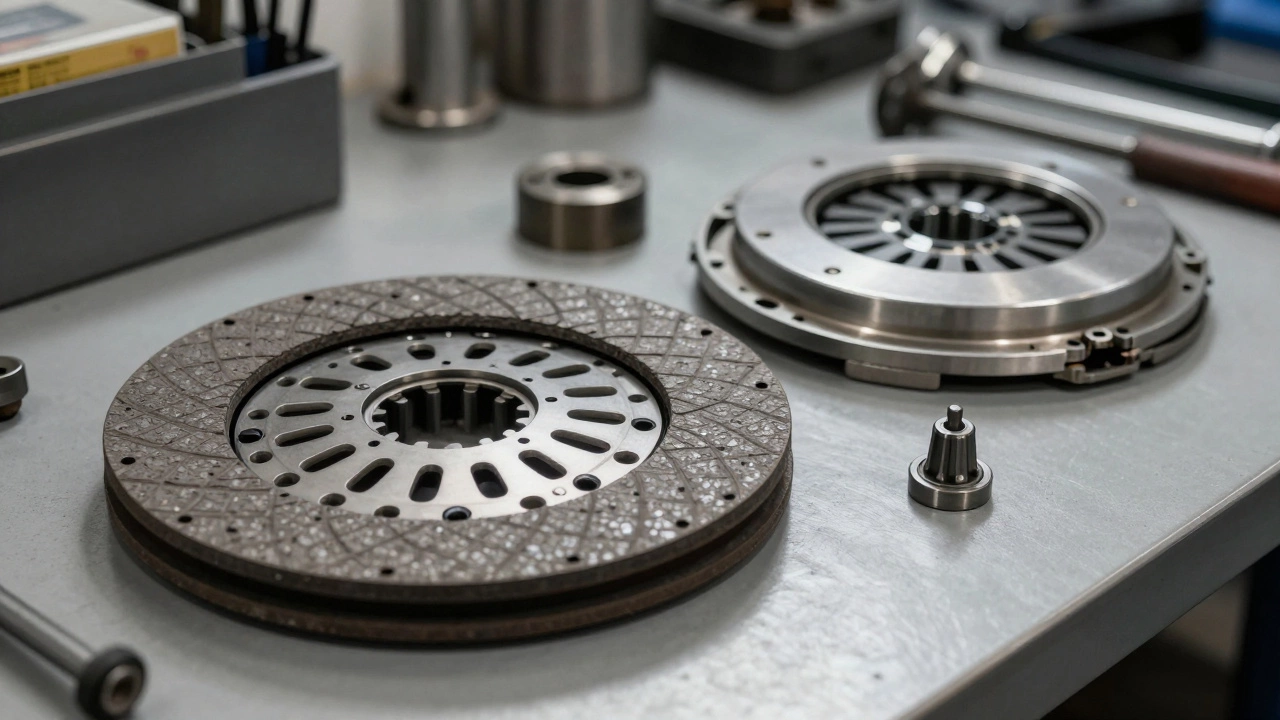
To get a handle on this, we first need to understand that a Clutch is a mechanical device that engages and disengages power transmission from a clutch plate to a flywheel. It is essentially a friction-based system. Because it relies on rubbing two surfaces together to move a car, it is designed to wear out. If it didn't wear, it wouldn't grip.
The Million-Mile Dream and Reality
Can a clutch last a million miles? Technically, yes, but only if the car almost never shifts gears after the initial start. In the real world, we see high-mileage anomalies. There are documented cases of original factory clutches in diesel trucks and older manuals reaching 300,000 to 500,000 miles. These usually happen with drivers who treat the pedal like it's made of glass and spend 90% of their time on flat motorways.
For the average driver, the "long life" benchmark is usually around 100,000 to 150,000 miles. If you're hitting that mark, you're doing great. But if you live in a city like Manchester or London, where you're constantly stopping and starting in heavy traffic, your clutch is working twice as hard as someone cruising through the countryside. Every time you slip the clutch to move forward an inch in a jam, you're shaving a tiny bit of material off the friction disc.
What Actually Makes a Clutch Die?
It's rarely one single event that kills a clutch; it's usually a slow erosion of the Friction Disc. Think of it like a brake pad. The more it slips, the more material disappears. Once the disc gets too thin, it can't grip the Flywheel-the heavy metal disc attached to the crankshaft-and you get "clutch slip." This is when your engine revs go up, but the car doesn't actually speed up.
Then there's the Pressure Plate. This is the heavy-duty spring that clamps the disc against the flywheel. Over time, the spring tension weakens. When the pressure plate loses its punch, the clutch slips even if the disc still has plenty of material left. It's like trying to hold a piece of paper against a wall with a weak grip; eventually, it just slides off.
| Driving Profile | Estimated Lifespan | Primary Wear Factor |
|---|---|---|
| Highway Cruiser | 150,000 - 300,000 miles | Low gear changes |
| City Commuter | 60,000 - 100,000 miles | Frequent stop-start traffic |
| Towing/Heavy Load | 30,000 - 70,000 miles | High torque stress |
| Aggressive/Track Driver | 5,000 - 20,000 miles | High-RPM launches |
The Silent Killers of Your Gearbox
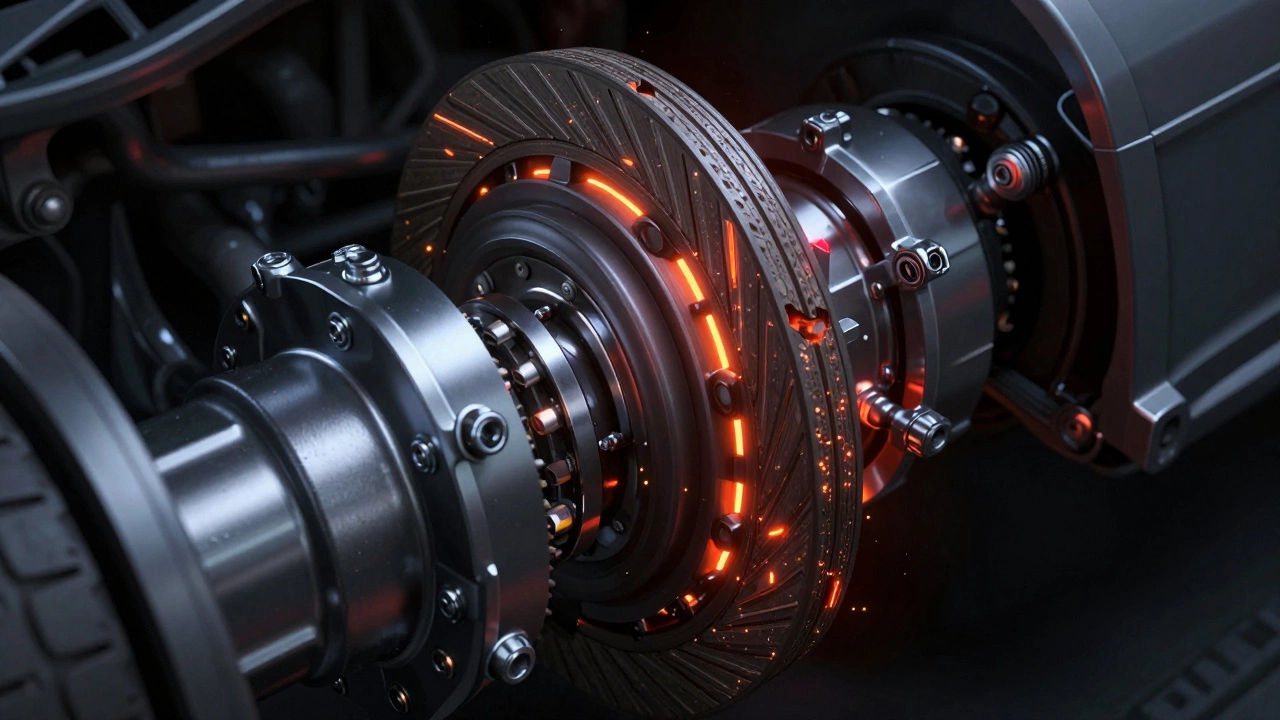
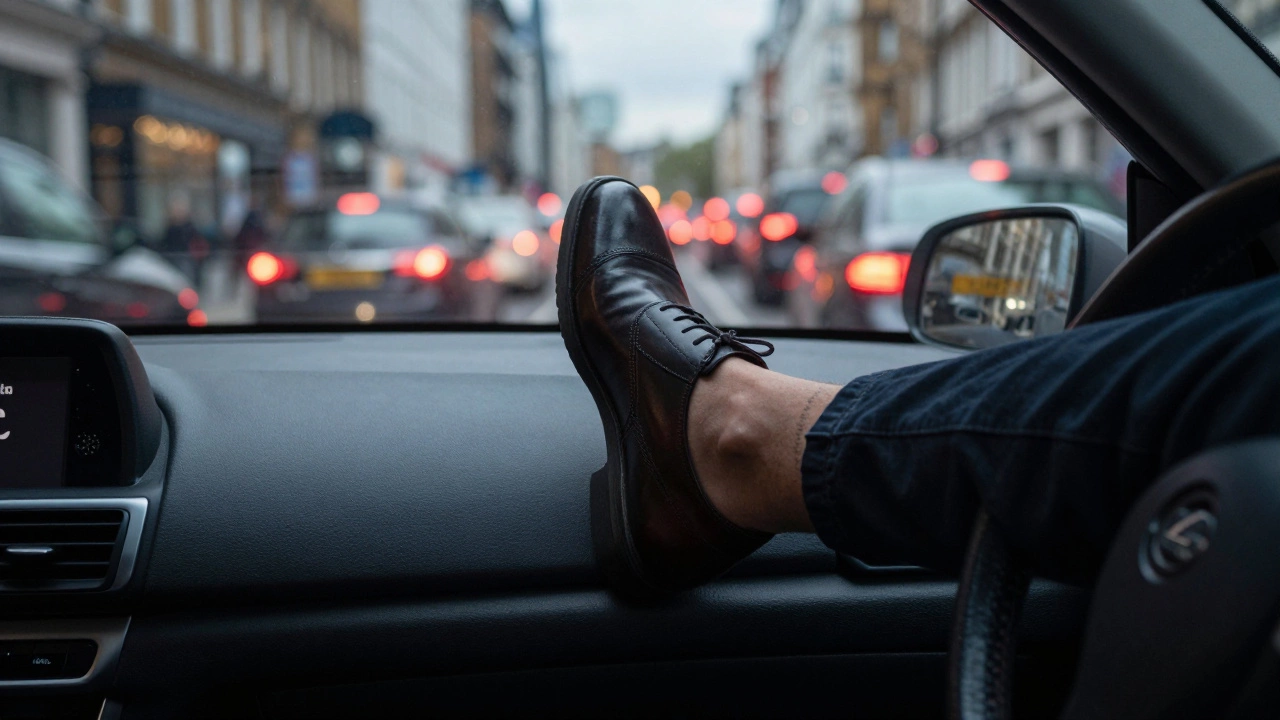
If you want your clutch to last as long as possible, you need to stop "riding the clutch." This is the habit of keeping your foot resting lightly on the pedal while driving. Even the slightest pressure can lift the disc just enough to create a tiny gap. That gap creates heat. Heat warps metal and burns away friction material. A driver who rides the clutch can cut the life of their kit in half without even noticing.
Another major culprit is the Release Bearing. This part pushes the pressure plate to disengage the engine. If it wears out or gets contaminated with oil, it can cause a loud squealing noise or make the pedal feel stiff. While the bearing isn't the friction part, if it fails, you're replacing the whole kit anyway because the labor to get to it is the most expensive part of the job.
We also have to talk about Dual Mass Flywheels (DMF). Found in most modern diesel and high-torque petrol cars, these are designed to absorb vibrations. Unlike a solid flywheel, a DMF has internal springs that eventually collapse. When a DMF fails, you'll feel a vibration through the chassis and hear a "clunk" when you turn the engine off. Because they are expensive, many people try to ignore them until the car becomes undrivable.
Warning Signs Your Time is Up
You'll usually know your clutch is failing before it completely quits. Watch out for the "bite point." If the pedal has to be released almost entirely before the car moves, your disc is likely worn thin. If the pedal feels "spongy" or doesn't return to the top quickly, you might have a leak in the Hydraulic Clutch System.
A classic test is the "fourth gear test." While driving at a low speed in a high gear (like 4th), floor the accelerator. If the engine RPMs jump quickly but the car doesn't accelerate proportionally, your clutch is slipping. It's a clear sign that you need to start shopping for new parts.

How to Make Your Next Kit Last Longer
When you finally do replace your clutch, don't just buy the cheapest option. High-quality ceramic or organic friction materials make a difference. Organic is better for daily driving because it's smoother; ceramic is for those who actually race their cars and need something that can handle extreme heat without melting.
- Shift decisively. Don't linger in the "gray area" between gears.
- Use the handbrake on hills instead of holding the car in place with the clutch and brake.
- Avoid "launching" from a standstill unless you're at a drag strip.
- Ensure your gear oil is fresh; a smooth Manual Transmission puts less stress on the clutch interface.
Can you drive with a slipping clutch?
You can for a short while, but it's a bad idea. A slipping clutch generates immense heat, which can warp your flywheel or even damage the crankshaft. Once it starts slipping, the wear accelerates exponentially. You'll eventually reach a point where the car won't move at all, leaving you stranded.
Why is my clutch pedal suddenly very hard to push?
This usually points to a failure in the pressure plate springs or a problem with the hydraulic actuator. If the fluid is old or contaminated, the system won't operate smoothly. It could also mean the release bearing has seized or worn down significantly.
Should I replace the flywheel every time I change the clutch?
If you have a solid flywheel, you can often just "resurface" it (grind it flat). However, if you have a Dual Mass Flywheel, it's almost always recommended to replace it. A new clutch disc on an old, worn-out DMF will likely fail much faster because the surface isn't perfectly flat and the internal dampening is gone.
Does a heavy foot always mean a shorter clutch life?
Not necessarily. Fast shifting is actually better for a clutch than slow, tentative shifting. The goal is to minimize the time the clutch is partially engaged. If you shift quickly and cleanly, you're actually saving the friction material.
What is the difference between a clutch kit and just a clutch disc?
A clutch disc is just the friction part. A full kit typically includes the disc, the pressure plate, and the release bearing. Replacing only the disc is a gamble; if the pressure plate is tired, your new disc won't perform correctly, and you'll end up paying for the labor all over again in a few months.