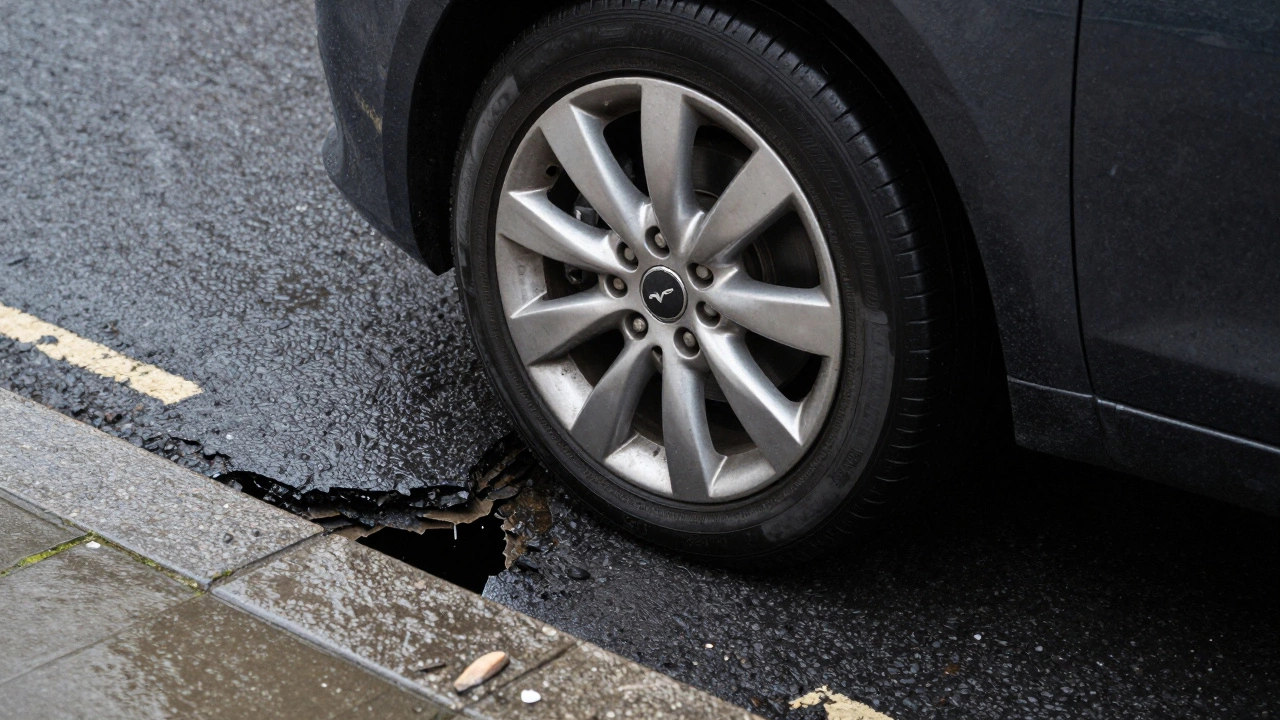
Suspension Damage Diagnostic Tool
Select the symptoms you are currently experiencing with your vehicle to identify the likely damaged component.
Analysis Result:
Quick Safety Check: Key Takeaways
- Driving with bent components causes rapid tire wear and unpredictable handling.
- A bent part can snap entirely, leading to a complete loss of steering control.
- Incorrect wheel alignment puts extreme stress on the transmission and chassis.
- Towing is always safer and cheaper than risking a high-speed failure.
Why a Bent Component is a Ticking Time Bomb
When a part bends, it shifts the wheel's angle. In the automotive world, we talk about camber, caster, and toe. If a Control Arm-the hinge that allows your wheel to move up and down-is bent even by a few millimeters, your tire is no longer hitting the road flat. Instead, it's digging into the asphalt at an angle.
This creates a massive amount of friction. Within just 50 miles of driving, you can scrub the tread off a brand-new tire. But the real danger is structural fatigue. Metal that has been bent is weakened. Every bump you hit while driving on a damaged suspension acts like a hammer, stressing the already compromised metal until it finally snaps. If a control arm snaps while you're on the motorway, the wheel can fold outward or inward, causing an immediate crash.
Spotting the Warning Signs
You don't always need to look under the car to know something is wrong. Your car will usually tell you through its behavior. If you notice your steering wheel is tilted to one side while driving straight, you've got an alignment problem. This is a classic sign of a bent Strut or tie rod.
Listen for unusual noises. A rhythmic thumping or a loud clunking sound when you turn the wheel often indicates that a joint is no longer seated correctly. You might also feel the car "pulling" toward one side. If you have to physically fight the steering wheel to keep the car in its lane, your suspension geometry is compromised. Check your tires too; if you see a concentrated patch of wear on the inside or outside edge of the tread, the wheel is leaning at an angle it was never designed for.
| Component | Primary Symptom | Risk Level | Impact on Driving |
|---|---|---|---|
| Control Arm | Severe pulling to one side | High | Loss of steering stability |
| Tie Rod | Loose steering wheel/Vibration | Critical | Total loss of wheel direction |
| Shock Absorber/Strut | Bouncing or "dipping" | Medium | Poor braking and cornering |
| Sway Bar | Excessive body roll in turns | Low/Medium | Increased risk of tipping/swaying |

The Domino Effect on Other Parts
A bent suspension doesn't just affect the wheel. It triggers a chain reaction of damage across the vehicle. For starters, your Tires are the first victims. Because they aren't making full contact with the road, they overheat and wear unevenly. You'll end up replacing a set of tires much sooner than expected.
Then there's the impact on the Wheel Bearing. These bearings are designed to handle loads in a very specific direction. When a suspension part is bent, it forces the bearing to operate at an odd angle. This leads to premature wear, characterized by a humming or growling sound that gets louder as you speed up. Eventually, a failed bearing can cause the wheel to seize or even detach.
Even your braking system takes a hit. If the wheel is misaligned, the car may brake unevenly. This can cause the vehicle to swerve during an emergency stop, making a bad situation much worse. The Brake Pads might even wear unevenly because the caliper is pressing against the rotor at a slight angle.
How to Handle the Situation
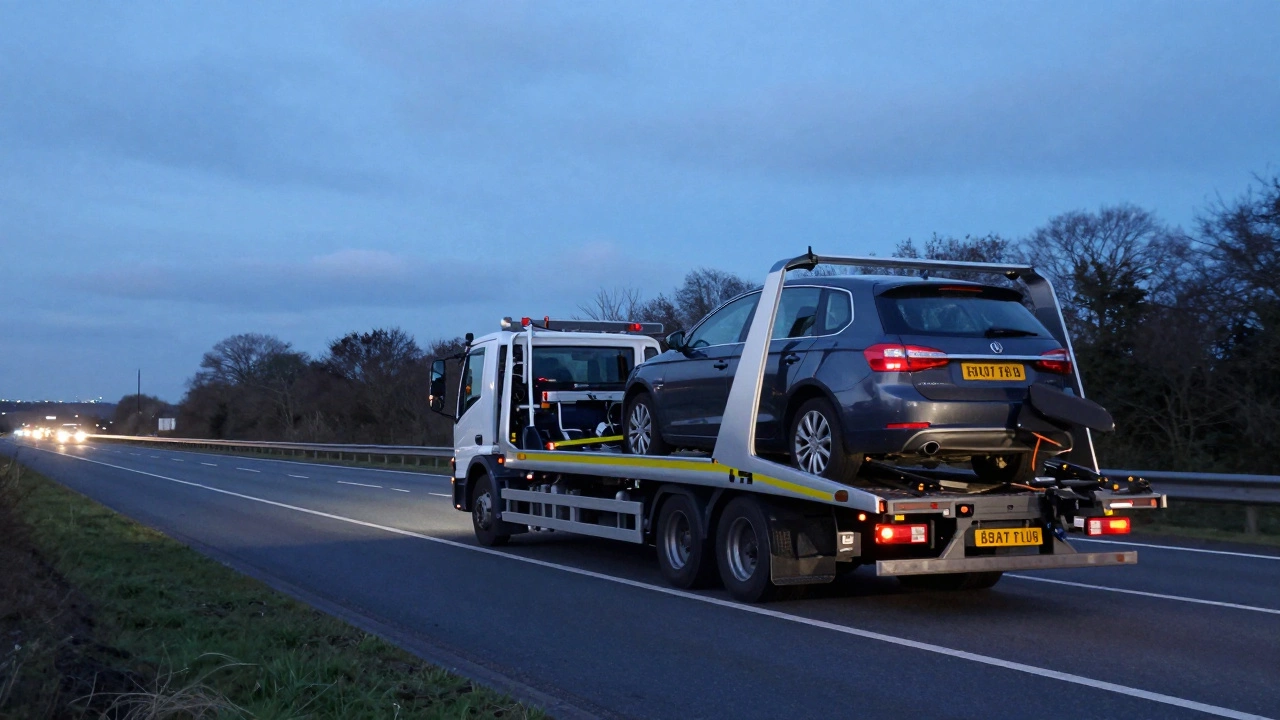
If you suspect your suspension is bent, the first thing to do is stop driving. If you're on the road, pull over to a safe spot and do a visual inspection. Look at the wheels from the front. Do they both point straight? Or is one tilted slightly inward or outward? Look for any leaking fluid around the struts, which suggests the impact was severe enough to blow a seal.
- Call a Tow Truck: This is the only 100% safe option. A flatbed tow ensures no further damage is done to the drivetrain.
- Professional Diagnosis: Take the car to a shop that has a professional Wheel Alignment machine. They can measure the exact degrees of deviation from the factory specs.
- Replace, Don't Straighten: Some people suggest "straightening" a bent arm with heat and a press. Do not do this. Once the molecular structure of the steel or aluminum is compromised by a bend, it will never be as strong as a new part.
- Check the Opposite Side: Impact damage often sends a shockwave through the chassis, which can loosen or damage parts on the other side of the car.
The Cost of Ignoring the Problem
Many drivers think they are saving money by avoiding the mechanic. In reality, they are spending more in the long run. A single replacement control arm might cost a few hundred dollars. However, if you drive for a month with a bent arm, you'll likely need to replace two tires, a wheel bearing, and potentially a strut. What started as a simple part replacement becomes a full suspension overhaul costing thousands.
Beyond the money, there's the legal and insurance aspect. If you are involved in an accident and an investigator finds that you were driving with a known mechanical failure like a bent suspension, your insurance company may deny the claim due to negligence. Your car is designed to be a safety cell; overriding that safety by ignoring structural damage is a risk no one should take.
Can I drive a short distance to the mechanic?
If the car is barely pulling and the steering feels stable, a very slow drive (under 20 mph) for a few blocks might be possible. However, if the wheel is visibly tilted or the steering is erratic, you must tow it. The risk of a part snapping or a tire blowing out is too high.
Will a wheel alignment fix a bent suspension part?
No. An alignment is a measurement and adjustment process. It can fix a loose bolt or a shifted setting, but it cannot "un-bend" metal. If the technician finds that a part is bent, they will tell you it must be replaced before an alignment can even be performed.
How do I know if my suspension is bent or just out of alignment?
Alignment issues often happen gradually over time due to wear. A bent suspension part usually happens suddenly after a specific event, like hitting a curb or a deep hole. If the problem appeared instantly after an impact, it's likely a bent part.
Does a bent suspension affect fuel economy?
Yes. When your wheels aren't pointing straight, they create more rolling resistance. Your engine has to work harder to push the car forward because the tires are essentially scrubbing against the road, which lowers your MPG.
Can a bent suspension cause the car to shake at high speeds?
Absolutely. Misalignment changes the dynamics of the wheel. This often leads to vibrations in the steering wheel or the chassis, especially as you reach motorway speeds, because the tire is not rotating on a true axis.
Next Steps for Different Scenarios
If you just hit a curb: Don't assume everything is fine just because the car still moves. Take it to a shop for a "suspension health check." Even if it isn't bent, the impact could have cracked a bushing or loosened a bolt.
If you bought a used car with alignment issues: Get a full alignment check immediately. You don't know the history of the vehicle; it may have been in a collision where a suspension part was poorly repaired or left slightly bent.
If you are on a budget: Prioritize the safety-critical parts. A bent tie rod must be fixed immediately. A slightly worn bushing can wait a few weeks, but any structural bend in a control arm or strut should be treated as an emergency.