Wiper Fitment & Terminology Checker
Select your region to see the correct search term for auto parts.
Identify your attachment style to avoid buying the wrong part.
Enter your vehicle's required blade lengths to check for potential installation errors.
You’re standing in an auto parts aisle or scrolling through an online shop. You type "wipers" into the search bar, but then you pause. Do you type windshield wipers or windscreen wipers? It feels like a trivial choice, but if you’ve ever bought the wrong part because of a naming mix-up, you know how frustrating it can be.
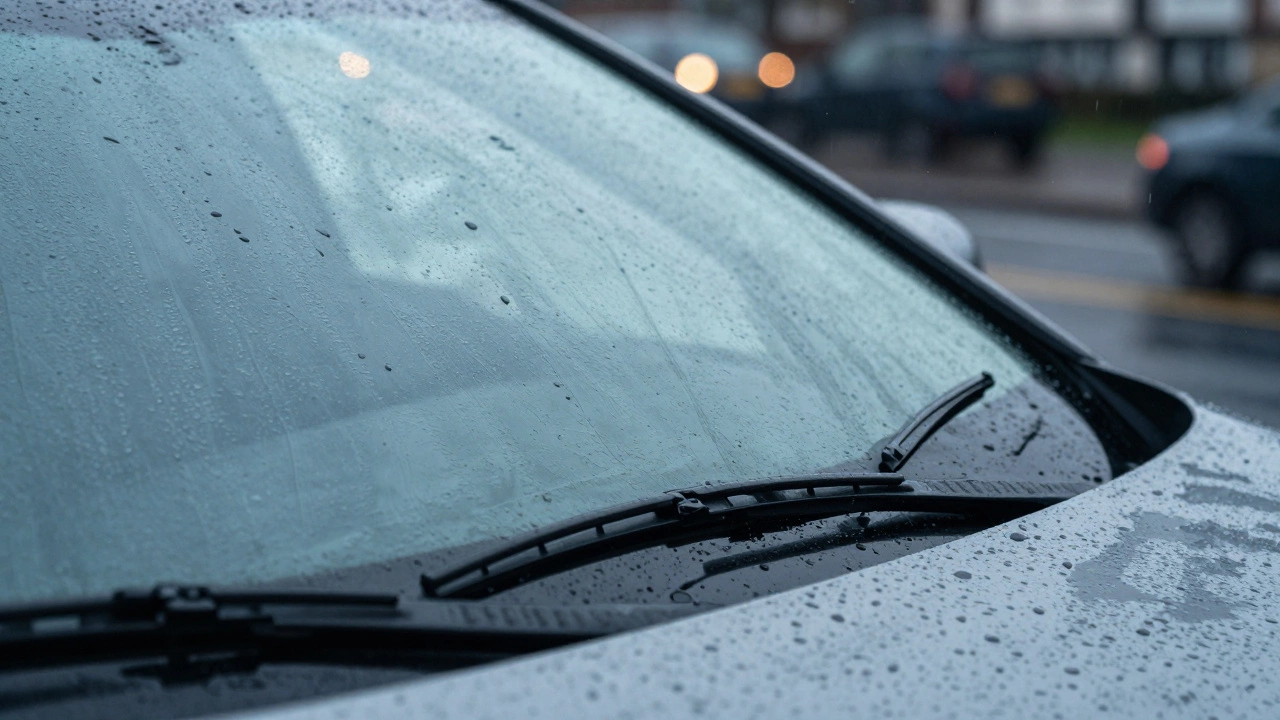
The short answer is simple: there is no difference in the product. The only difference is where you live. If you are in the United States, Canada, or Australia, you say "windshield." If you are in the United Kingdom, Ireland, New Zealand, or most of Europe, you say "windscreen." The rubber blade that clears your view is exactly the same piece of engineering regardless of what you call it.
However, understanding this distinction matters more than just vocabulary. It affects how you search for parts, which forums you read for advice, and even which sizing standards you might encounter when buying replacements. Let’s clear up the confusion so you never buy the wrong size again.
The Geography of Car Terminology
Language evolves based on culture and geography, and automotive terms are no exception. This isn’t just about wipers; it’s a broader pattern in how we describe cars across the Atlantic.
In the US, the term Windshield is the front window of a vehicle, typically made of laminated safety glass dominates. You’ll see it on every manual, dealership sign, and insurance form. In the UK, that same piece of glass is the Windscreen is the British English term for the front window of a car, derived from 'screen' as in protection from wind.
This split extends to other parts too. Americans talk about the "hood" while Brits discuss the "bonnet." The "trunk" becomes the "boot." The "gas pedal" is the "accelerator." When it comes to wipers, the logic holds firm. If you are sourcing parts from a UK-based supplier while living in Texas, searching for "windscreen wipers" will yield results, but searching for "windshield wipers" will likely give you more localized stock options.
| US Term | UK/Commonwealth Term | Part Function |
|---|---|---|
| Windshield Wipers | Windscreen Wipers | Clears rain/dirt from front glass |
| Hood | Bonnet | Covers the engine compartment |
| Trunk | Boot | Rear storage area |
| Fender | Wing | Panel surrounding the wheel |
| Tailpipe | Exhaust Pipe | Releases exhaust gases |
Why does this matter? Because global supply chains mean you might be buying a part manufactured in Germany, sold by a UK distributor, and installed on a car registered in Florida. Knowing the terminology helps you navigate these cross-border transactions without getting confused by listing titles.
How Wipers Actually Work
Whether you call them windshield or windscreen wipers, the mechanism is identical. They are one of the simplest yet most critical safety components on your car. Without them, visibility during rain, snow, or even dust storms drops to near zero within seconds.
A standard wiper system consists of three main parts:
- The Motor: Located under the cowl (the plastic panel at the base of the windshield), this electric motor provides the power. It uses a gear reduction system to convert high-speed rotation into the slow, sweeping motion you see.
- The Linkage: A series of metal arms that transfer the motor’s movement to the wiper blades. This ensures both wipers move in sync, usually in a figure-eight pattern to cover the entire glass surface.
- The Blades: These hold the rubber element that actually touches the glass. Modern blades use a spring-loaded frame or a beam design to ensure even pressure across the curved windshield.
The rubber itself is usually made from natural or synthetic rubber compounds designed to resist UV degradation and ozone. Over time, this rubber hardens and cracks, leading to streaking. That’s why replacement is necessary every 6 to 12 months, depending on climate and usage.
Choosing the Right Replacement
Here is where the terminology debate meets practical reality. When you go to replace your wipers, you don’t need to worry about whether to buy "windshield" or "windscreen" versions. You need to worry about fitment.
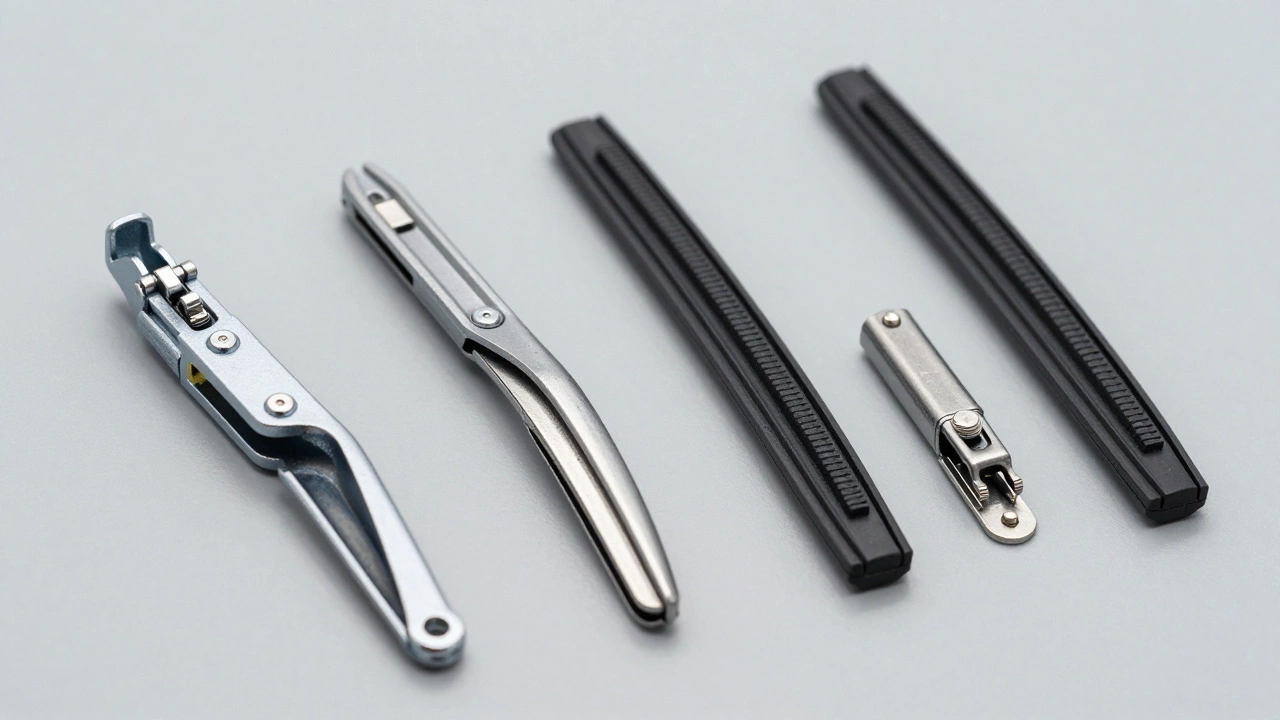
Car manufacturers do not use a universal standard for wiper attachment. There are dozens of different connector types. If you buy the wrong one, it simply won’t click into place. Here are the most common types you’ll encounter:
- Bayonet Style: Common on older European cars (VW, BMW). You push the blade onto the hook until it clicks.
- Hook Type: Very common on Asian and American vehicles. The arm has a J-shaped hook that the blade slides over.
- Side Pin: Often found on Ford and Mazda models. A pin on the side of the arm locks the blade in place.
- Beam Blade Direct Connect: Many modern cars use integrated beam blades that connect directly to the arm with a single clip.
To avoid mistakes, always check your vehicle’s owner manual or use an online fitment tool provided by major retailers. Enter your specific make, model, year, and engine variant. Don’t just guess based on the car’s age. A 2024 Toyota Camry might use a completely different connector than a 2018 Camry.

Common Mistakes When Buying Wipers
I’ve seen plenty of people struggle with this. The biggest error isn’t using the wrong word-it’s ignoring the size. Most cars have two different wiper sizes. The driver’s side is almost always longer than the passenger’s side. For example, many sedans use a 22-inch blade on the left and an 18-inch blade on the right.
If you swap them, you’ll get poor coverage. The shorter blade on the driver’s side leaves a blind spot in heavy rain. The longer blade on the passenger’s side might overlap with the driver’s blade, causing them to clash and potentially break the linkage.
Another mistake is buying cheap, unbranded blades. While they look similar, low-quality rubber degrades faster in extreme heat or cold. Brands like Bosch, Anco, and Michelin invest in rubber compounds that maintain flexibility across temperature ranges. In Manchester, where I live, we deal with constant rain and occasional freezing temps. Cheap blades chatter and skip here within weeks. Premium blades last much longer.
Maintenance Tips for Longer Life
You can extend the life of your wipers significantly with simple care. Rubber hates dirt, oil, and tree sap. These substances eat away at the blade edge, causing streaks.
Every few months, wipe the rubber blade with a damp cloth. Remove any debris trapped in the squeegee. Also, clean the glass itself. A layer of road grime on your windshield acts like sandpaper against the wiper rubber. Use a dedicated glass cleaner and a microfiber cloth to remove the film.
Never use your wipers to scrape off ice or snow. This bends the metal frame and tears the rubber. Always use a brush or scraper first. If your wipers are stuck down in winter, gently lift them before starting the car to prevent the motor from straining.
Are windshield wipers and windscreen wipers the same thing?
Yes, they are exactly the same product. "Windshield" is the American English term, while "windscreen" is the British English term. The physical part, function, and installation process are identical.
How often should I replace my wiper blades?
Most manufacturers recommend replacing wiper blades every 6 to 12 months. However, if you notice streaking, chattering, or skipping, you should replace them immediately regardless of age. Harsh climates with intense sun or frequent freezing temperatures may require more frequent changes.
Can I use the same size wiper blade on both sides?
Generally, no. Most vehicles require different lengths for the driver and passenger sides to ensure optimal coverage without overlapping. Using the wrong size can lead to blind spots or mechanical interference between the blades. Always check your vehicle’s manual for specific dimensions.
What is the best way to install new wiper blades?
First, lift the wiper arm away from the glass. Look for a small release tab or button on the connector where the blade meets the arm. Press or slide this mechanism while gently pulling the old blade off. To install the new one, align the connector and slide it on until you hear a distinct click. Always refer to your owner’s manual for the specific release mechanism for your car model.
Why do my wipers leave streaks on the glass?
Streaks are usually caused by worn-out rubber edges, dirty wiper blades, or dirty windshield glass. Oil residue, tree sap, or accumulated road grime can prevent the rubber from making full contact with the glass. Cleaning both the blades and the glass often resolves the issue. If cleaning doesn’t help, the blades are likely hardened and need replacement.