Exhaust Modification Sound & Legal Checker
Configure Your Setup
Analysis Results
Select your configuration and click analyze to see how it sounds and performs.
Why Your Car Sounds Flat and How to Fix It
You turn the key, the engine roars to life, but all you hear is a dull hum. You press the accelerator, expecting that deep, aggressive growl you saw in every automotive video online, but instead, your car sounds like it’s apologizing for existing. If you are reading this, you want more than just volume; you want character. You want that throaty exhaust sound that turns heads at traffic lights and makes driving feel visceral.
Getting that specific tone isn’t about buying the loudest pipe money can buy. In fact, most beginners make the mistake of equating noise with quality. A rattle or a tinny drone is not throaty; it’s annoying. A true throaty sound comes from low-frequency resonance, smooth airflow, and precise engineering. It requires understanding how gases move through your engine and exit into the atmosphere. Let’s break down exactly what changes you need to make, starting from the basics and moving toward advanced modifications, keeping in mind the realities of driving in the UK where noise regulations and MOT tests matter.
The Science Behind the Growl
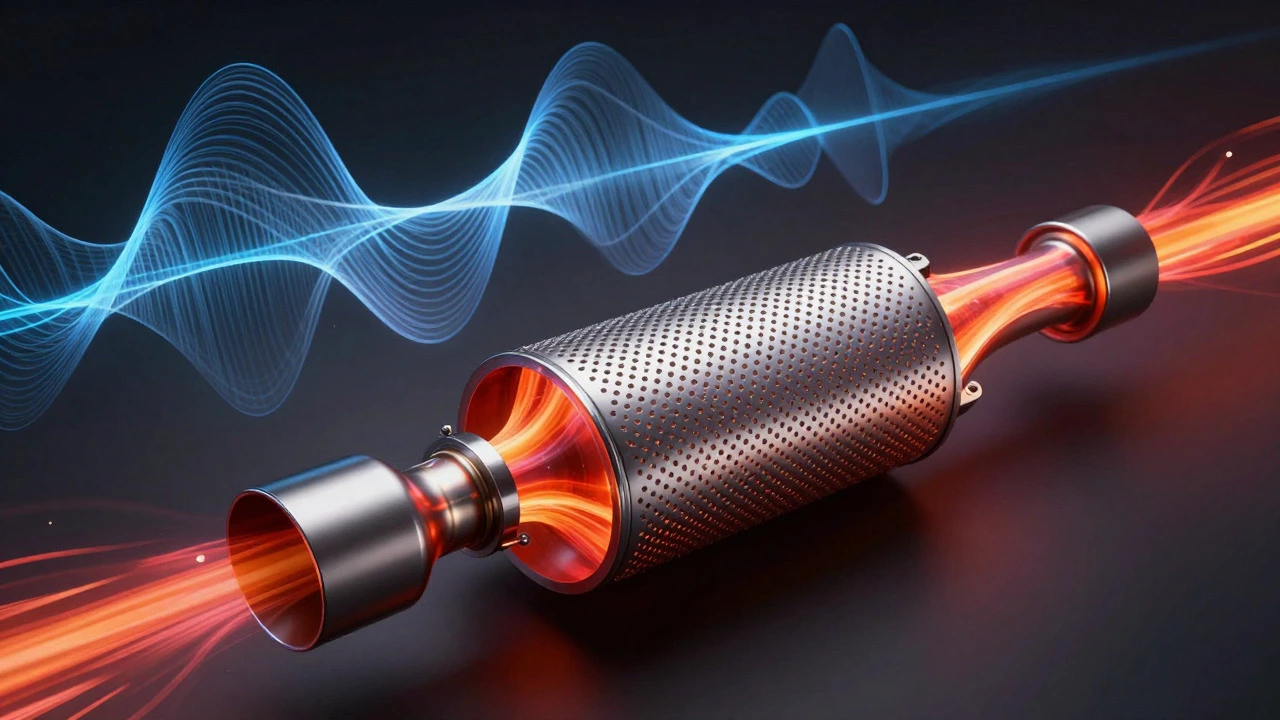
Before you spend a penny on parts, you need to understand why some cars sound better than others. The sound of an exhaust is essentially controlled turbulence. When your engine burns fuel, it creates high-pressure gas. This gas needs to escape. As it rushes through the exhaust system, it vibrates. The shape, length, and material of the pipes determine which frequencies are amplified and which are cancelled out.
A "throaty" sound is characterized by low-end bass notes without excessive high-pitched whine. This is often referred to as "bark" rather than "screech." To achieve this, you need to reduce backpressure while maintaining enough pulse reflection to keep the exhaust note rich. Think of it like a musical instrument. A flute is thin and high-pitched; a tuba is wide and deep. Your exhaust system is the body of the instrument. If the pipes are too narrow, the sound gets choked and high-pitched. If they are too wide without proper tuning, the sound becomes flat and hollow. The goal is to find the sweet spot where the exhaust pulses resonate at a frequency that feels powerful and aggressive.
What causes a throaty exhaust sound?
A throaty sound is caused by low-frequency resonance created by large-diameter piping, efficient muffler designs (like straight-through perforated tubes), and reduced backpressure that allows exhaust pulses to exit smoothly without being choked.
Step 1: Start with the Cat-Back System
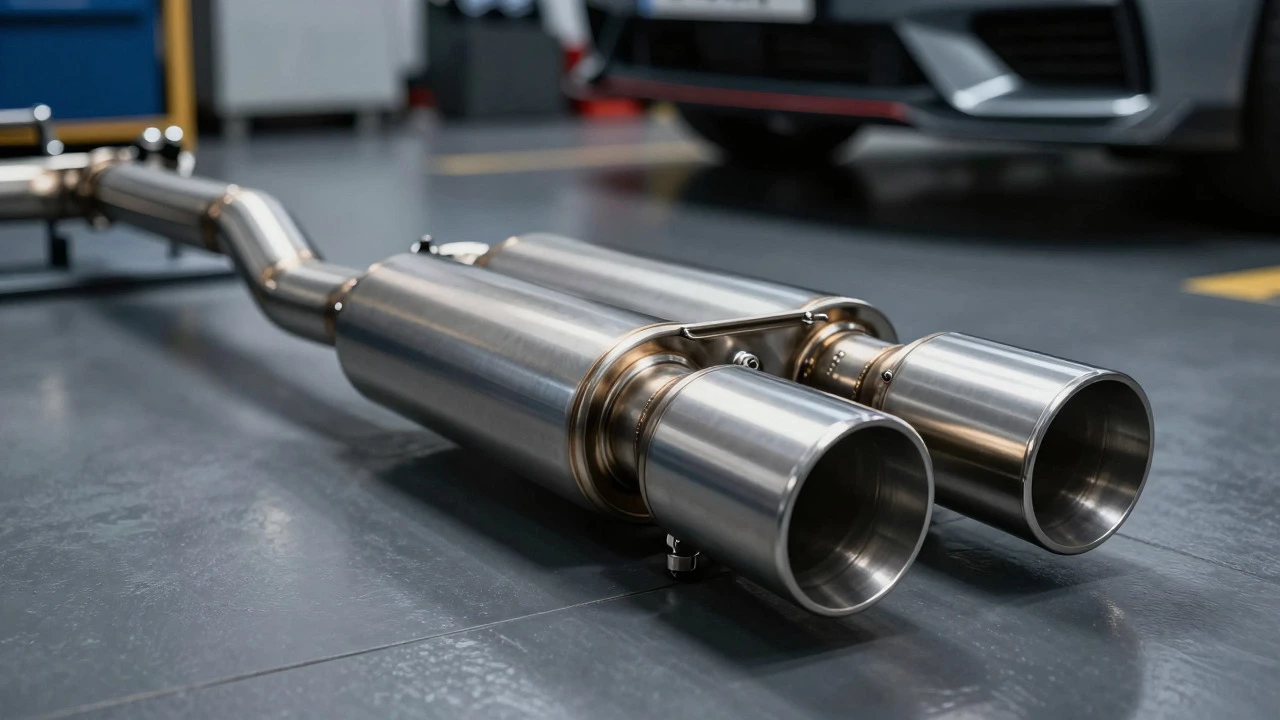
If you are new to exhaust modifications, start here. A cat-back exhaust replaces everything from the catalytic converter backward. This includes the rear muffler, the connecting pipes, and the exhaust tips. This is the safest bet for daily drivers because it keeps your emissions equipment intact, meaning you won’t fail your MOT or void your warranty unnecessarily.
Stock mufflers are designed to be quiet and neutral. They use baffles and chambers to cancel out sound waves. Performance cat-back systems replace these restrictive baffles with straight-through perforated tubes wrapped in packing material. This design allows gas to flow freely while still dampening harsh frequencies. The result is a deeper, fuller tone that adds aggression without turning your cabin into a rock concert.
When choosing a cat-back, look for brands that offer different tip sizes. Larger tips (3 inches or more) generally contribute to a deeper tone, but only if the rest of the system supports that diameter. A massive tip on a small-diameter pipe will do nothing but look silly. Ensure the system is made from stainless steel. Aluminized steel corrodes quickly in our wet Manchester weather, leading to leaks that ruin the sound over time.
Step 2: Upgrade the Downpipe
Once you have a cat-back, the next biggest change comes from the downpipe. This is the section of the exhaust directly connected to the turbocharger or the exhaust manifold. On modern turbocharged cars, the stock downpipe is often packed with a dense catalytic converter to meet strict emissions standards. This creates significant backpressure, choking the engine and killing the sound.
Replacing the stock downpipe with a high-flow version makes a dramatic difference. High-flow downpipes typically feature 40-cell catalysts instead of the stock 200-cell units, or they may be completely deleted (though deletion has legal implications). The wider diameter (usually 3 inches) allows exhaust gases to exit the turbo much faster. This reduces turbo lag, increases horsepower, and, crucially, opens up the exhaust note. The sound becomes louder and more aggressive, especially under acceleration.
Be aware that changing the downpipe affects your engine management system. You may see a check engine light due to oxygen sensor readings changing. A simple tune or remap can clear this code and optimize fuel delivery for the new hardware. This step transforms the sound from a mild improvement to a noticeable, throaty roar.
| Modification Level | Sound Character | MOT Legal? | Performance Gain |
|---|---|---|---|
| Cat-Back Only | Deeper, fuller tone | Yes (if not excessively loud) | Minimal |
| High-Flow Downpipe | Louder, aggressive bark | Risky (depends on catalyst) | Moderate |
| Full System + Tune | Deep, throaty, resonant | No (without reversion) | Significant |
Step 3: Choose the Right Muffler Type
Not all performance mufflers sound the same. The type of internal design dictates the tone. Here are the three main types you will encounter:
- Straight-Through Perforated Tube: This is the gold standard for a throaty sound. A tube with holes runs straight through the muffler, surrounded by sound-deadening packing. It offers minimal restriction and produces a deep, rumbling tone. Brands like Borla and Flowmaster specialize in this.
- Chambered/Baffle: These use multiple chambers to bounce sound waves around, cancelling them out. They are quieter and produce a more refined, sporty tone rather than a raw, throaty one. Good for daily drivers who want subtle improvement.
- Resonator Delete: Some systems allow you to remove the resonator, a component designed specifically to cancel low-frequency drones. Deleting it adds volume and low-end grunt but can introduce unwanted drone at cruising speeds. Use with caution.
For a truly throaty sound, prioritize straight-through designs. Avoid "glasspack" style mufflers if you want a modern, aggressive tone, as they tend to sound hollow and tinny.
Step 4: Consider Active Valve Technology
Modern enthusiasts love active exhaust valves. These systems use electronic butterflies inside the exhaust pipe to control the flow. At idle and low speeds, the valves stay closed, routing gas through the full muffler length for a quiet, compliant sound. When you hit a certain RPM or press a button, the valves open, bypassing the muffler entirely.
This gives you the best of both worlds. You can drive to work quietly, avoiding angry neighbors and police attention, then unleash the throaty roar when you’re on a B-road or track day. Brands like Akrapovič and Milltek offer valve-controlled systems for many popular models. The added benefit is that you can switch tones electronically, allowing you to fine-tune the sound to your preference.

Common Mistakes to Avoid
Many people ruin their exhaust sound by making poor choices. Here is what to avoid:
- Over-sizing the Pipes: If your engine is small (e.g., a 1.6L turbo), putting a 4-inch exhaust system on it will kill velocity. The gas moves too slowly, resulting in a flat, weak sound. Match the pipe size to your engine’s displacement and power output.
- Ignoring Fitment: Leaks are the enemy of good sound. A poorly fitted exhaust will hiss and rattle, destroying the clean throaty tone. Invest in professional installation or ensure you have the right tools for a DIY job.
- Choosing Cheap Materials: Stainless steel costs more, but it lasts longer and maintains its sound integrity. Cheap aluminized steel rusts, creating holes that change the acoustics unpredictably.
- Forgetting the Cabin: What sounds great outside might sound terrible inside. Drone is a real issue. Always listen to reviews from owners of your specific car model before buying. A throaty sound should enhance the driving experience, not fatigue your ears.
Legal Considerations in the UK
Living in the UK means dealing with strict noise regulations. The Highway Code states that vehicles must not make unnecessary noise. While there is no specific decibel limit written in stone for road use, police can issue a fixed penalty notice if your exhaust is deemed "abnormally noisy." An abnormally noisy exhaust is one that is significantly louder than the manufacturer’s specification or has a distinctive, unusual tone.
Furthermore, the MOT test checks for excessive noise. If your exhaust is leaking or modified to be excessively loud, you will fail. To stay safe, aim for a system that is louder than stock but not obnoxious. Cat-back systems are usually safe. Downpipes with high-flow catalysts are borderline. Full deletes are risky. Always carry the original exhaust components if you plan to revert for MOT testing, though this is cumbersome. The best approach is to choose reputable brands that market their products as "MOT friendly" or "street legal," knowing that "legal" can be subjective in practice.
Finding the Perfect Balance
Getting a throaty exhaust sound is a journey of refinement. Start with a quality cat-back system to deepen the tone. If you crave more aggression and performance, move to a high-flow downpipe. Consider active valves for versatility. Throughout the process, listen to your car. Pay attention to how the sound changes at idle, under acceleration, and at cruising speed. Adjustments may be needed. Maybe you need a different tip angle, or perhaps a smaller diameter pipe to increase velocity.
Remember, the goal is not just to be loud. It is to create a sound that reflects the personality of your car and enhances your connection to the machine. A well-tuned, throaty exhaust makes every drive feel special. It turns a commute into an event. Take your time, research thoroughly, and invest in quality. Your ears-and your neighbors-will thank you.
Will a new exhaust improve my car's performance?
Yes, reducing backpressure with a high-flow downpipe or cat-back system can improve engine efficiency, potentially increasing horsepower and torque, especially in turbocharged engines.
Is a cat-back exhaust MOT legal in the UK?
Generally yes, provided it is not excessively loud or defective. However, if the tone is distinctly different or abnormally noisy, an examiner may flag it. Reputable brands often design systems to pass MOT.
What is the difference between a cat-back and a header-back exhaust?
A cat-back starts after the catalytic converter, while a header-back (or axle-back plus headers) replaces the entire system from the engine manifold. Header-back systems offer more performance gains but are more complex and expensive to install.
Can I get a throaty sound without modifying the exhaust?
Limited options exist, such as software tunes that adjust active valve settings if your car has them. Otherwise, physical modification of the exhaust system is required to change the fundamental tone.
How much does a throaty exhaust system cost?
Prices vary widely. A budget cat-back might cost £300-£500, while premium brands like Akrapovič or Milltek can range from £800 to £2,000+. Installation costs add another £100-£300 depending on complexity.