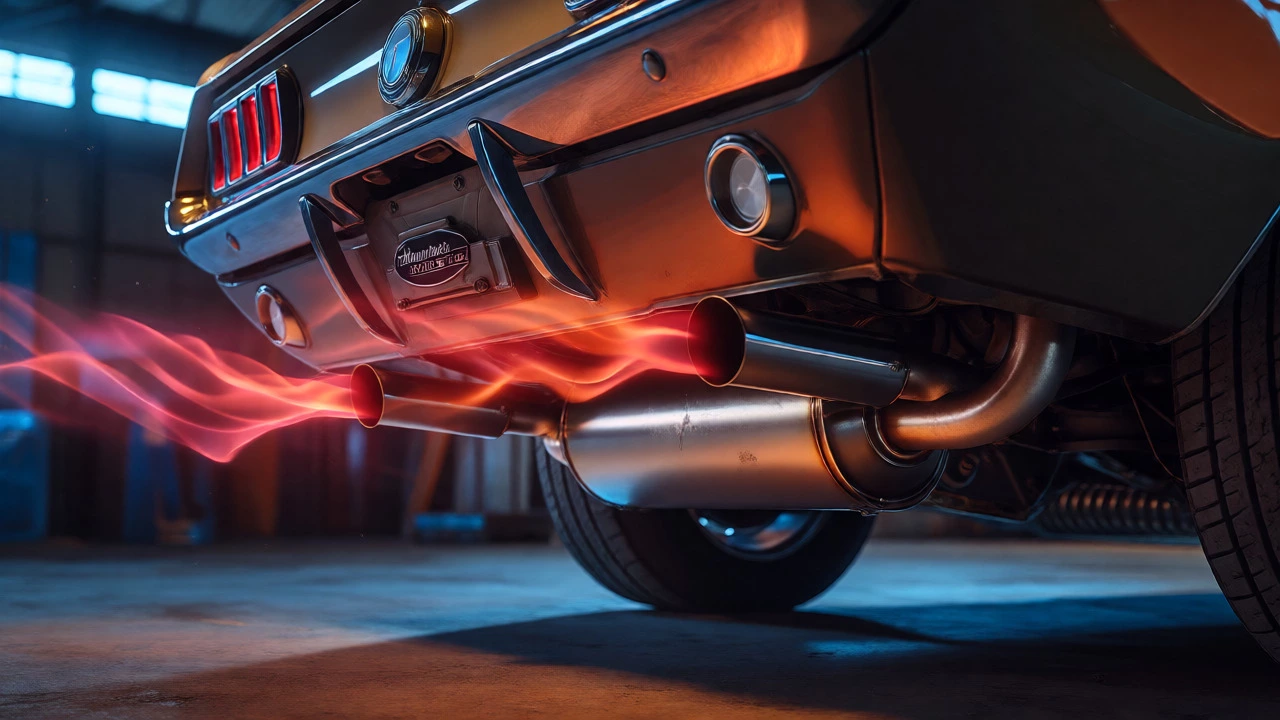
Flowmaster Sound Matchmaker
Find the perfect Flowmaster for your vehicle. Answer two simple questions to get a tailored recommendation.
Best For:
You want that rumble. Not the high-pitched whine of a stock muffler, and not the raspy drone that makes your teeth ache on the highway. You want deep, chest-thumping bass that announces your presence without screaming for attention. If you are looking at Flowmaster, you have likely seen their colorful lineup of mufflers and wondered which one actually delivers the deepest tone.
Here is the truth most salespeople gloss over: there is no single "deepest" Flowmaster for every car. The sound depends heavily on your engine size, your exhaust diameter, and whether you prefer a smooth idle or an aggressive growl under acceleration. However, specific series within the Flowmaster catalog consistently rank higher for low-frequency resonance. Let’s break down exactly which models deliver that coveted deep tone and why they work better than others.
The Science of Deep Tone vs. Loud Volume
Before we pick a model, you need to understand what creates "depth." In acoustic terms, depth refers to low-frequency sound waves. These are long wavelengths that travel further and vibrate in your chest cavity. High frequencies, by contrast, are short waves that hit your eardrums directly and often feel piercing.
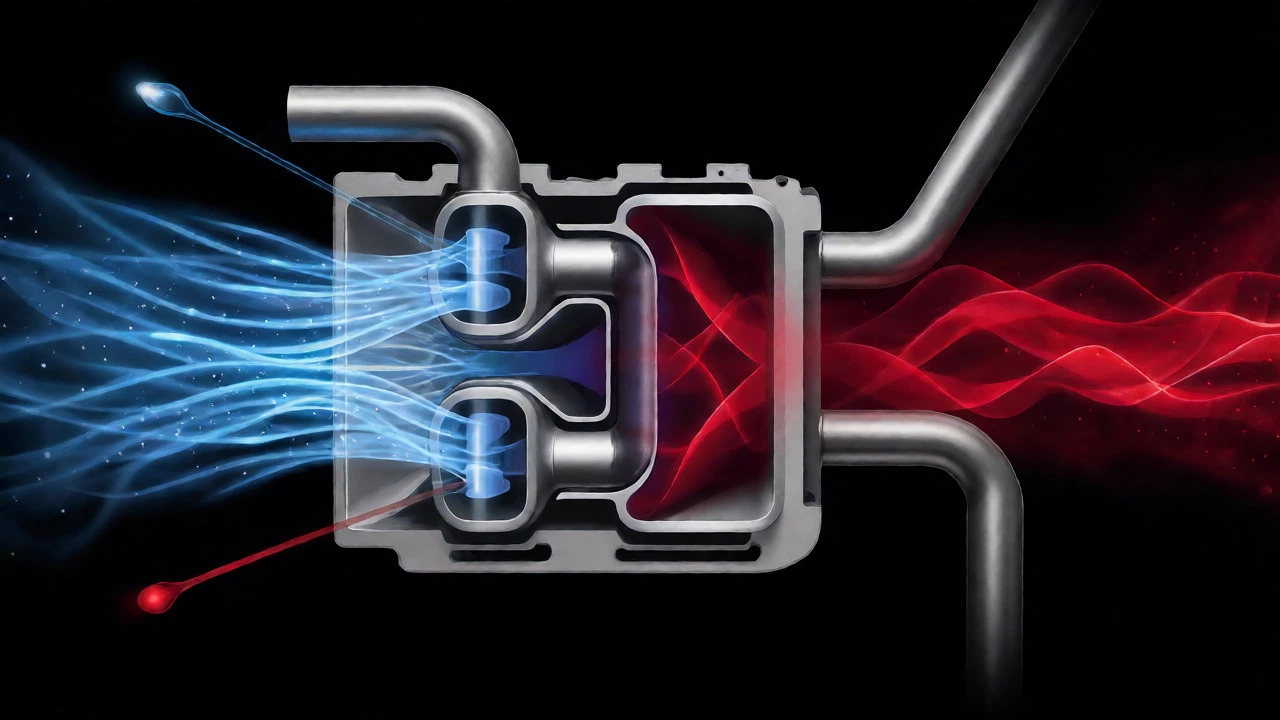
Muffler design controls these frequencies through internal baffling. A straight-through perforated tube allows more high-frequency noise to escape, resulting in a louder but potentially raspier note. Conversely, complex chambered designs trap and cancel out certain frequencies while reinforcing others. Flowmaster’s reputation rests on their patented multi-chamber technology. By dividing the exhaust flow into separate chambers, they create interference patterns that dampen harsh highs and amplify the lower tones.
If you chase volume alone, you might end up with a loud, obnoxious system. If you chase depth, you prioritize tonal quality. This distinction is critical when choosing between the various Flowmaster series discussed below.
Why the Super 40 Series Reigns Supreme for Depth
If you ask any seasoned mechanic or enthusiast which Flowmaster sounds the deepest, the answer will almost invariably be the Super 40 Series. It is widely considered the gold standard for low-tone muscle car exhaust systems.
Why does it win? The Super 40 uses a two-chamber design with larger internal passages compared to other models. This configuration allows for greater exhaust gas expansion, which naturally lowers the pitch of the sound. It produces a classic, throaty rumble at idle that transitions into a powerful roar under load. Unlike cheaper straight-pipe options, the Super 40 maintains this depth even at cruising speeds, avoiding the hollow drone that plagues many aftermarket setups.
This series is particularly effective on V8 engines, such as those found in Ford Mustangs, Chevrolet Camaros, and Dodge Challengers. The large displacement matches well with the Super 40’s capacity to handle high exhaust volumes without choking performance. On smaller four-cylinder or six-cylinder engines, the effect can sometimes be less pronounced unless paired with headers and mid-pipes that optimize flow velocity.
American Thunder: The Aggressive Alternative
Sitting right next to the Super 40 in popularity is the American Thunder Series. Many drivers confuse the two, but they offer distinct acoustic profiles. While the Super 40 focuses on pure depth and rumble, the American Thunder aims for a balance between deep tone and aggressive projection.
The American Thunder features a slightly different baffle geometry that emphasizes mid-range frequencies alongside the lows. The result is a sound that feels more "angry" or urgent. It lacks some of the sub-bass resonance of the Super 40 but compensates with a sharper edge during hard acceleration. For drivers who want their car to sound fast rather than just heavy, this is often the preferred choice.
Consider the American Thunder if you drive a vehicle where the Super 40 feels too muffled or quiet. It projects sound outward more effectively, making it noticeable to pedestrians and other drivers. However, if your primary goal is that deep, interior-filling rumble inside the cabin, stick with the Super 40.

Comparing the Top Contenders
To help you decide, here is how the top three Flowmaster series stack up against each other regarding sound characteristics. Note that "Deepness" refers to low-frequency dominance, while "Volume" refers to overall decibel output.
| Series | Sound Profile | Best For | Cabin Drone |
|---|---|---|---|
| Super 40 | Deep, rumbly, classic muscle | V8 engines, daily drivers wanting comfort | Low to Moderate |
| American Thunder | Aggressive, mid-range punch | Street cars, weekend warriors | Moderate |
| Original Series (40) | Balanced, mild rumble | First-time modifiers, subtle upgrades | Very Low |
The Original Series, often referred to simply as the "40," sits in the middle ground. It offers a taste of the Flowmaster signature sound without the extreme character of the Super 40. It is quieter and smoother, making it ideal for commuters who don’t want to annoy their neighbors but still crave a bit of personality.
Factors That Change How Your Flowmaster Sounds
Picking the Super 40 doesn’t guarantee a deep sound if your rest of the exhaust system isn’t optimized. Several variables play a crucial role in the final acoustic outcome.
- Engine Displacement: Larger engines push more air, filling the muffler chambers more effectively. A Super 40 on a small 2.0L turbo engine might sound thin compared to one on a 5.0L V8. If you have a smaller engine, consider adding resonators to enhance low-end frequency.
- Exhaust Diameter: Matching pipe size to your engine’s needs is vital. Undersized pipes cause backpressure and restrict flow, leading to a strained, higher-pitched sound. Oversized pipes can reduce exhaust velocity, causing a hollow tone. Stick to manufacturer recommendations for your specific vehicle.
- Cutouts and Valves: Adding electronic cutout valves allows you to bypass the muffler entirely. When open, you get raw, unfiltered sound. When closed, you return to the controlled tone of the Flowmaster. This flexibility lets you enjoy deep tones on the highway and quiet operation in residential areas.
- Resonators: Installing a resonator before the main muffler helps eliminate high-frequency rasp. This cleans up the sound, allowing the deeper tones of the Flowmaster to come through more clearly.
Installation Tips for Maximum Depth
Even the best muffler can underperform if installed poorly. Here are practical steps to ensure you get the deepest possible sound from your new Flowmaster unit.
- Check for Leaks: Any leak in the exhaust manifold or mid-pipe introduces outside air, which disrupts the pressure wave needed for proper tone. Ensure all gaskets and clamps are tight before testing the sound.
- Use Hangers Correctly: Rubber hangers isolate vibrations. If you use metal-on-metal connections, you’ll transfer excessive vibration into the chassis, creating unwanted buzzing. Keep the system flexible.
- Orient the Muffler Properly: Some Flowmaster models have a specific inlet/outlet orientation. Installing them backward can alter the sound profile and reduce efficiency. Check the arrow markings on the casing.
- Break-in Period: New exhaust components need time to settle. The internal packing materials may shift slightly after the first few hundred miles. Don’t judge the final sound until the system has been fully heated and cooled multiple times.
Frequently Asked Questions
Which Flowmaster is the loudest?
While the Super 40 is the deepest, the American Thunder Series is often perceived as louder due to its aggressive mid-range projection. However, actual decibel levels depend heavily on your vehicle's engine size and exhaust configuration.
Does the Super 40 cause drone?
The Super 40 is designed to minimize drone compared to older glass-pack or straight-pipe systems. Most users report minimal drone at highway speeds, though individual sensitivity varies. Adding resonators can further reduce any remaining drone.
Can I install a Flowmaster myself?
Yes, if you have basic mechanical skills and tools like a jack, ramps, and wrenches. Universal Flowmaster mufflers require welding or clamp-on installation. Bolt-on kits specifically designed for your vehicle make DIY installation much easier and faster.
Is the Super 40 good for daily driving?
Absolutely. Despite its aggressive reputation, the Super 40 provides a comfortable cabin experience for daily commutes. It avoids the ear-splitting highs of cheaper mufflers, making it suitable for long drives without fatigue.
What is the difference between 40 and Super 40?
The Original Series (40) offers a milder, balanced tone. The Super 40 features larger chambers and improved flow dynamics, resulting in a deeper, more resonant rumble. The Super 40 is generally preferred by enthusiasts seeking maximum muscle car sound.