
Oil Change Interval Calculator
Check all that apply:
You check your dashboard and see the reminder light. Or maybe you just glance at the odometer and wonder if it’s time to swap out that black sludge sitting under the hood. The question isn’t just about mileage; it’s about chemistry. Engine oil is the lifeblood of your vehicle's engine, lubricating moving parts, cooling components, and cleaning contaminants. But like any fluid exposed to heat and pressure, it breaks down. So, how long does oil last in a car before it stops doing its job?
The short answer: usually between 5,000 and 10,000 miles or every six to twelve months. The real answer depends on what kind of oil you use, how you drive, and what weather your car faces. Ignoring this timeline doesn't just void warranties; it turns your expensive engine into a paperweight faster than you’d expect.
Key Takeaways
- Mileage vs. Time: Most modern cars need changes every 7,500-10,000 miles, but time matters too-oil degrades even if the car sits idle.
- Synthetic Dominance: Full synthetic oil lasts significantly longer than conventional oil due to better molecular stability and additive packages.
- Severe Driving Conditions: Towing, stop-and-go traffic, extreme heat, or dusty environments can cut oil life in half.
- The Dipstick Test: Dark color alone isn’t failure; look for grit, smell for burnt fuel, and check for low levels.
- Manufacturer Data Rules: Your owner’s manual overrides generic advice because engine tolerances vary wildly by model year.
The Standard Lifespan: Conventional vs. Synthetic
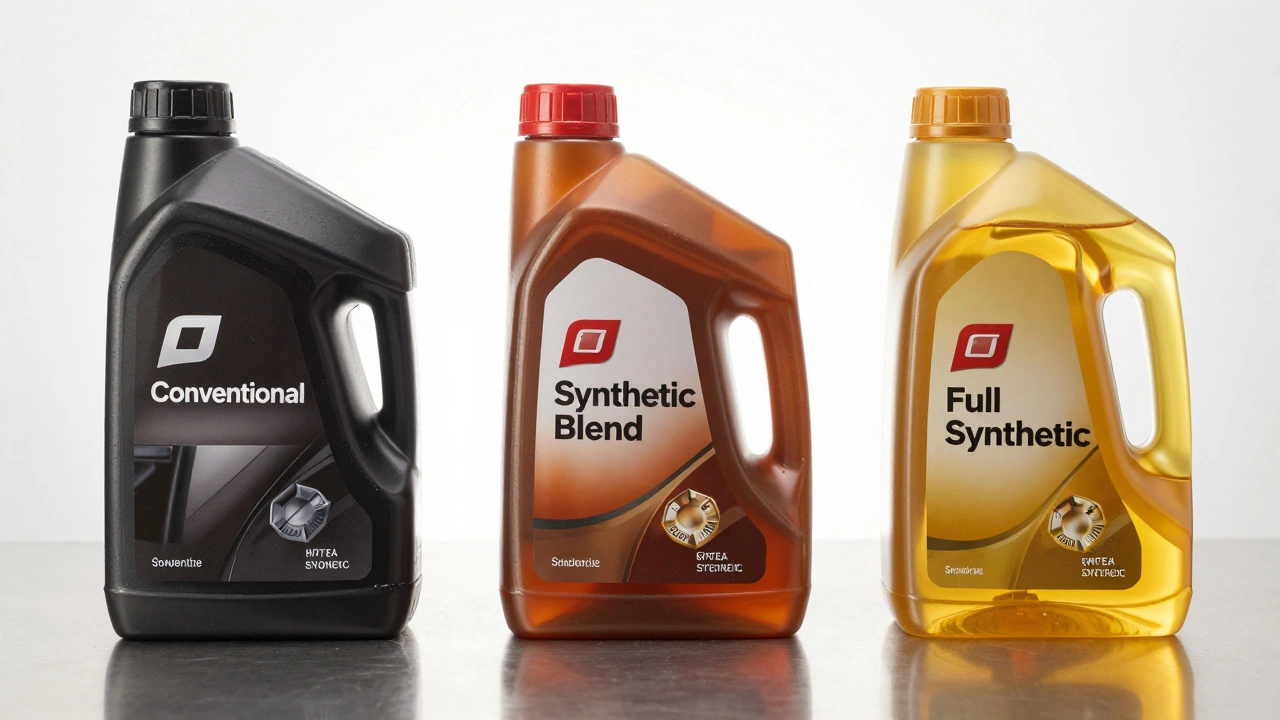
To understand longevity, you have to look at the source. Conventional oil is refined crude oil with added detergents and dispersants to protect engine components. It works fine for older engines or simple driving patterns, but it breaks down quickly under high heat. Typically, conventional oil lasts about 3,000 to 5,000 miles.
Then there’s Synthetic oil, which is laboratory-engineered lubricant designed for superior performance, thermal stability, and extended drain intervals. Because its molecules are uniform and stronger, synthetic oil resists breakdown much better. Most manufacturers now recommend full synthetic oil with intervals stretching from 7,500 to 10,000 miles, or even up to 15,000 miles in some luxury models.
There’s also a middle ground called Synthetic blend, which mixes conventional base stocks with synthetic additives. It offers moderate protection and typically lasts around 5,000 to 7,500 miles.
| Oil Type | Average Mileage Interval | Time Interval | Best For |
|---|---|---|---|
| Conventional | 3,000 - 5,000 miles | Every 6 months | Older vehicles, light duty |
| Synthetic Blend | 5,000 - 7,500 miles | Every 6-9 months | Moderate driving, mixed conditions |
| Full Synthetic | 7,500 - 10,000+ miles | Every 12 months | Modern engines, severe conditions |
Why Oil Degrades: It’s Not Just About Dirt
Many people think oil goes bad because it gets dirty. While trapped metal shavings and dust do contaminate it, that’s only part of the story. The real enemy is oxidation. As your engine runs, temperatures spike. Heat causes the oil molecules to react with oxygen, forming sludge and varnish. This process thickens the oil, making it harder to flow through tight clearances in the engine block.
Additives also play a huge role. Modern oils contain detergents, anti-wear agents, and viscosity index improvers. These chemicals get used up over time. Once they’re depleted, the oil loses its ability to clean deposits off piston rings or prevent corrosion on cylinder walls. Even if the oil looks clean, its chemical protection might be gone.
Fuel dilution is another silent killer. In direct injection engines, unburnt gasoline can leak past piston rings into the crankcase. This thins the oil, reducing its lubricating film strength. If you frequently take short trips where the engine never fully warms up, condensation builds up, mixing with oil to create acidic emulsions that eat away at bearings.
The "Severe Service" Factor
Your owner’s manual often lists two schedules: normal and severe. You might assume "severe" means racing on a track. It doesn’t. Severe service includes:
- Stop-and-go traffic: Frequent idling and acceleration increase engine wear without building operating temperature efficiently.
- Towing or hauling: Extra weight puts more stress on connecting rods and increases internal friction.
- Extreme temperatures: Very cold starts cause thicker oil flow issues; very hot climates accelerate oxidation.
- Dusty or sandy environments: More airborne particles bypass air filters, contaminating the oil faster.
- Short trips: Drives under 5 miles don’t allow the engine to reach optimal temp, leading to moisture accumulation.
If any of these apply to your daily routine, cut the recommended interval in half. A 10,000-mile synthetic interval becomes 5,000 miles. It’s cheaper to change oil early than replace an engine.
Reading the Dashboard: Oil Life Monitors
Most cars built after 2005 come with an Oil Life Monitor (OLM) system that uses algorithms based on engine RPM, temperature, load, and driving cycles to calculate remaining oil effectiveness. This is far more accurate than guessing by mileage alone.
The monitor tracks factors like:
- Number of cold starts
- Average engine speed
- Operating temperature range
- Duration of idling
If your dashboard says "Oil Life 15%," don’t ignore it thinking you have plenty of miles left. That percentage is calculated dynamically. When it hits 0%, the oil has likely lost critical additive protection. Resetting the monitor doesn’t fix old oil-it just tricks the computer. Always change the oil when the alert triggers, unless you’ve already changed it recently and forgot to reset it.
Physical Checks: What to Look For
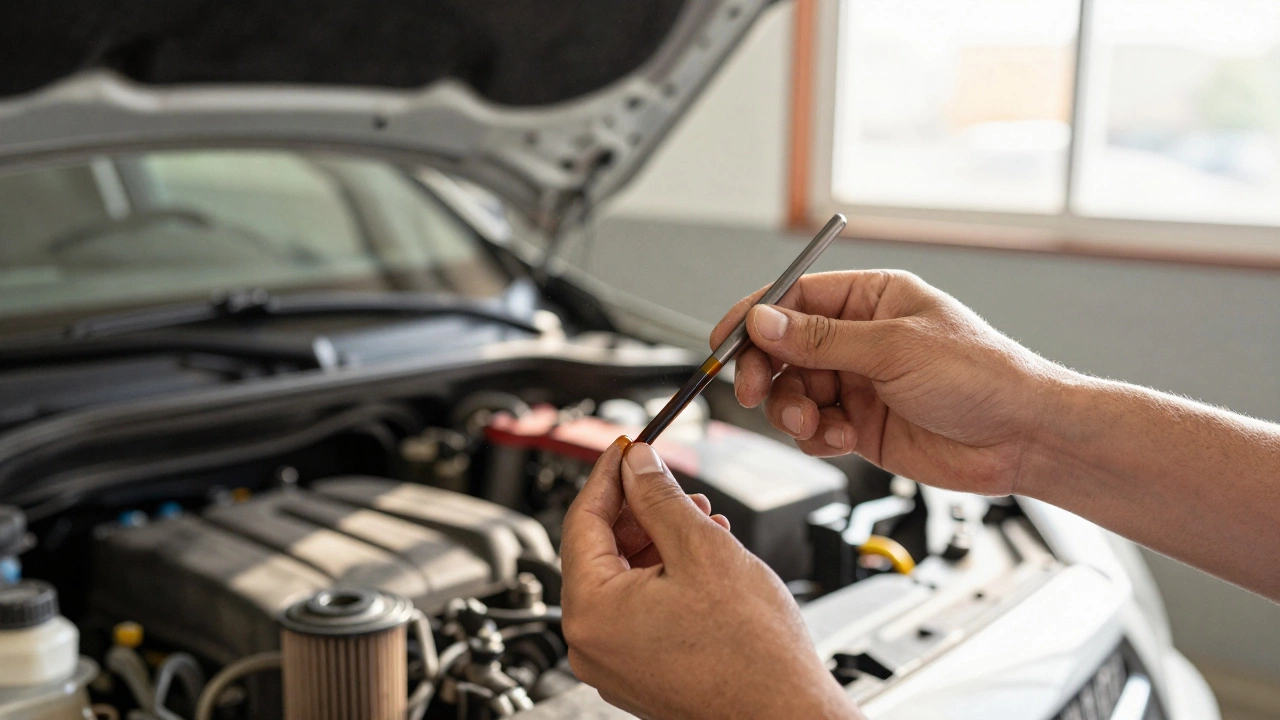
Technology helps, but your eyes and nose still matter. Pull the dipstick once a month. Here’s what to assess:
- Level: Is it below the minimum mark? Low oil leads to overheating and catastrophic bearing failure. Top it off immediately.
- Color: Fresh oil is amber or light brown. Used oil turns dark brown or black. Don’t panic-darkness is normal as detergents pick up soot. However, milky white foam indicates coolant mixing (head gasket issue).
- Smell: Burnt smell suggests oil is leaking onto hot exhaust parts. Gasoline odor means fuel dilution.
- Texture: Rub a drop between your fingers. Gritty feeling means excessive metal wear or dirt contamination. Sludgy texture signals severe oxidation.
If you notice metallic flakes, shiny silver particles, or a burning scent, change the oil immediately. These are signs of impending mechanical failure.
Common Mistakes That Shorten Oil Life
Even with premium oil, bad habits kill engines. Avoid these pitfalls:
- Overfilling: Adding too much oil creates aeriation (foaming), which reduces lubrication efficiency and increases pressure leaks.
- Using wrong viscosity: Using 10W-40 in a car designed for 0W-20 increases drag and fuel consumption while starving turbochargers of flow.
- Ignoring the filter: A clogged Oil Filter restricts flow, forcing unfiltered contaminants back into the engine. Always replace the filter with every oil change.
- Skipping warm-up: Revving a cold engine circulates thick, sluggish oil that hasn’t reached all critical surfaces yet.
When to Change Oil: A Practical Decision Tree
Still unsure? Use this simple guide:
- Follow the Manual: If your car is under warranty, stick strictly to manufacturer recommendations to avoid denial claims.
- Trust the Monitor: If equipped, let the OLM decide. It accounts for your actual driving style.
- Default Rule: If no monitor exists, change every 5,000 miles or 6 months, whichever comes first.
- Severe Conditions: Halve those numbers if you tow, race, or live in extremes.
- Storage:** If storing a car for winter, change oil before storage. Old oil contains acids that corrode internal parts during dormancy.
Cost vs. Value: Is Premium Oil Worth It?
Full synthetic oil costs roughly 20-50% more than conventional. But consider the total cost of ownership. Longer intervals mean fewer labor charges. Better protection reduces engine wear, extending resale value. In high-performance or turbocharged engines, synthetic isn’t optional-it’s required. Using cheap oil in a $40,000 car is false economy.
For older, high-mileage vehicles, consider High Mileage Oil, which contains seal conditioners to prevent leaks and extra detergents to dissolve accumulated sludge. It extends the life of aging engines by keeping gaskets pliable and internals cleaner.
Can I extend oil life beyond the manufacturer's recommendation?
Technically yes, but it’s risky. Modern oils are engineered for specific drain intervals. Pushing past them risks additive depletion and sludge buildup. Some enthusiasts stretch intervals using oil analysis kits, but for average drivers, sticking to guidelines ensures reliability and warranty coverage.
Does oil go bad if my car sits unused?
Yes. Oxidation continues even when parked. Moisture condenses inside the engine, mixing with oil to form corrosive acids. If storing a vehicle for more than three months, change the oil beforehand and consider adding a stabilizer to prevent rust.
Is dark oil always a sign I need a change?
No. Darkening is normal as detergents suspend soot and contaminants. Color alone isn’t a reliable indicator. Focus on mileage, time elapsed, and physical checks like grit or low levels instead.
What happens if I skip an oil change?
Increased friction leads to higher operating temperatures, accelerated wear on pistons and bearings, and potential seizure. Over time, sludge blocks oil passages, causing localized overheating and permanent damage. Skipping one change might not kill your engine, but repeated neglect will.
Should I switch from conventional to synthetic oil?
Absolutely, if your manufacturer allows it. Synthetic provides better cold-start protection, higher heat resistance, and longer intervals. It’s especially beneficial for turbocharged engines, direct injection systems, and vehicles driven in extreme climates.