Windshield Wiper Assessment Tool
This tool helps you determine if your windshield wipers need replacement based on common warning signs. Answer the questions below to get a personalized recommendation.
Do you see streaks or smears after each swipe?
Do the blades skip, chatter, or jump across the glass?
Is the rubber cracked, hardened, or flaking?
Does the blade leave a greasy film instead of clearing water?
Does one end of the blade lift off the windshield?
Have your wipers been on for more than 6 months?
If your windshield wipers are leaving streaks, skipping across the glass, or making a chattering noise, you’re not just dealing with an annoyance-you’re driving with reduced visibility. In the UK, where rain is common and winter conditions can turn roads into slippery sheets, clear vision isn’t optional. It’s a safety requirement. Many drivers wait until the wipers fail completely before replacing them, but by then, you’ve already risked driving in dangerous conditions. The truth is, wiper blades wear out faster than you think-often in as little as six months.
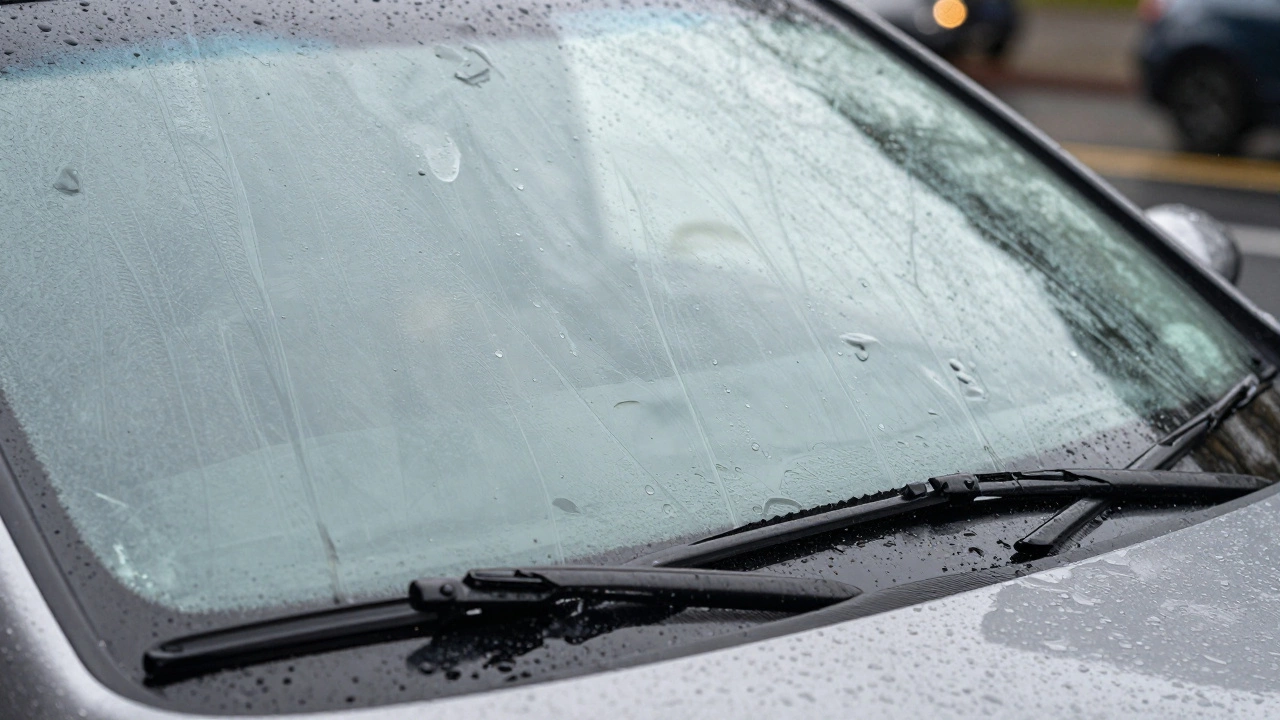
Look for streaks and smears
The most obvious sign your wipers need replacing is streaking. When the rubber edge of the blade is cracked, hardened, or torn, it can’t make full contact with the glass. Instead of sweeping water cleanly away, it drags moisture across the windshield in uneven lines. This is especially noticeable during light rain or when using washer fluid. You might think cleaning the windshield will fix it, but if the streaks return after a few swipes, it’s not dirt-it’s the blade.
Try this simple test: spray water on your windshield and run the wipers. If you see patches of dry glass or smeared water that won’t clear, your blades are done. This isn’t just about comfort-it’s about seeing pedestrians, traffic lights, or brake lights in time to react.
Listen for chattering or skipping
Wipers that jump, skip, or make a rhythmic chattering sound aren’t just noisy-they’re not working properly. This usually happens when the metal frame inside the blade has bent or lost tension, or when the rubber has hardened from sun exposure and cold. In Manchester’s weather, where temperatures swing from freezing rain to damp mild days, rubber degrades quickly. A blade that skips over the glass doesn’t remove water; it just pushes it around, creating blind spots.
Pay attention during morning commutes or heavy downpours. If you find yourself slowing down or pulling over just to clear your view, that’s your body telling you the wipers aren’t doing their job.
Check for cracked or brittle rubber
Take a moment to inspect the blades yourself. Lift the wiper arm gently off the glass (make sure the ignition is off). Look closely at the rubber edge. If it’s cracked, flaking, or looks like it’s splitting into pieces, replace it immediately. Sun exposure is the biggest killer of wiper rubber-even in cloudy climates like the UK. UV rays break down the material over time, making it stiff and ineffective.
Don’t wait for the cracks to become visible. Sometimes, the damage is subtle: the edge looks rounded instead of sharp, or the rubber feels hard when you press it. Fresh rubber should be soft and flexible. If it doesn’t bend easily, it’s past its prime.
Notice if they’re leaving debris or residue
Some wipers don’t streak-they just smear dirt and grime across the glass. This happens when the blade picks up road dust, pollen, or tree sap and drags it around instead of removing it. You might notice a greasy film that won’t wash off with washer fluid. That’s a sign the rubber is worn out and no longer seals properly against the glass.
Try wiping the blade with a clean cloth soaked in rubbing alcohol. If the residue comes off but the streaking continues, the problem isn’t dirt-it’s the blade itself. Cleaning won’t fix worn rubber.
Watch for bent or damaged frames
Wiper blades aren’t just rubber-they’re made of metal and plastic frames that hold the blade in place. If the frame is bent from an ice scrape, a car wash, or even just years of vibration, the blade won’t lie flat against the windshield. This creates gaps where water builds up, leaving patches of uncleaned glass.
Look at the blade from the side. If it looks crooked or uneven, or if one end lifts off the glass when the wiper runs, the frame is compromised. Even a slight bend can reduce wiping efficiency by up to 40%. This is common after winter storms when drivers try to clear ice with plastic scrapers.
Consider the season and driving conditions
Wiper blades have a lifespan, but it’s not fixed. In the UK, where winters are damp and summers bring pollen and bird droppings, blades wear faster than in drier climates. Most manufacturers recommend replacing wipers every 6 to 12 months. But if you drive daily on busy roads, in heavy rain, or through areas with lots of trees, replace them every 6 months.
Think of your wipers like tires: you don’t wait until they’re bald to replace them. Same logic applies. If you’ve had the same blades since last spring, it’s time to check them-even if they seem fine.
Compare new vs old
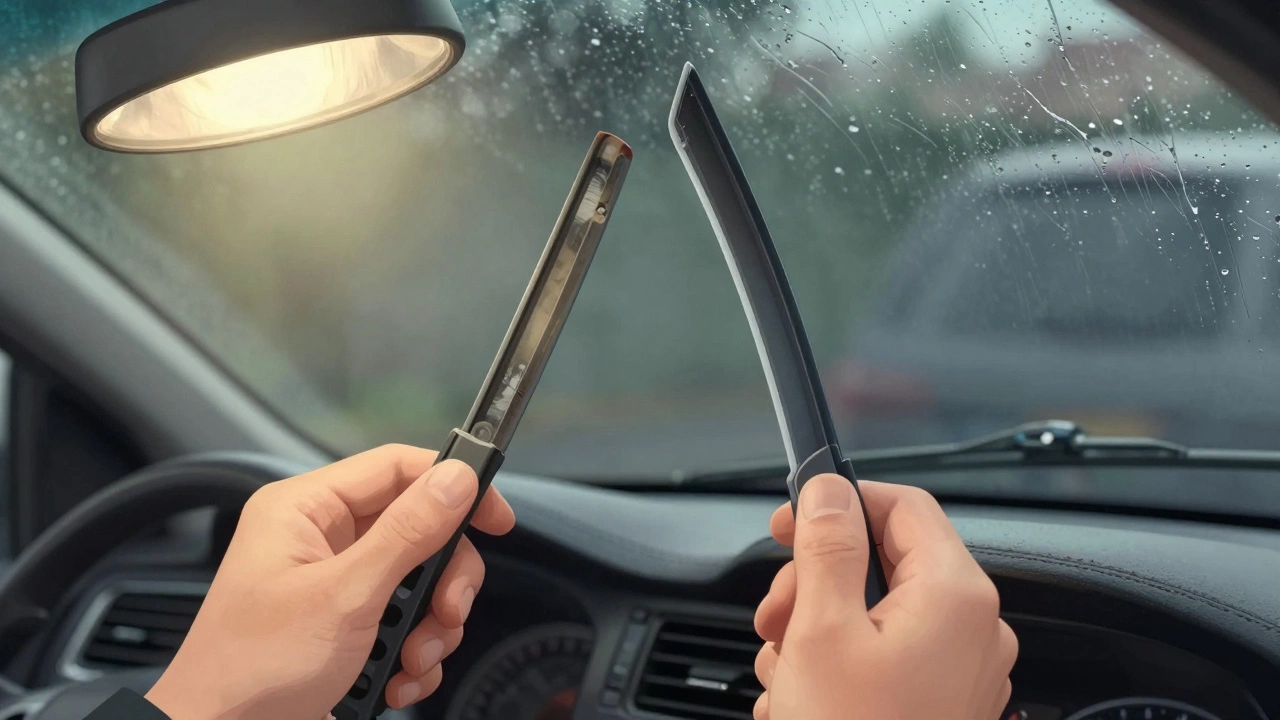
One of the best ways to tell if your wipers are worn is to compare them to a new pair. Take your old blade and lay it next to a new one. You’ll often see a clear difference: the new rubber is smooth and sharp-edged, while the old one is rounded, faded, or cracked. The pressure distribution is also different-new blades press evenly across the glass; old ones press harder in the middle and lift at the ends.
This comparison doesn’t require any tools. Just pull the old blade off and hold it side by side with the replacement. If the difference is obvious, you already know the answer.
What happens if you delay replacement?
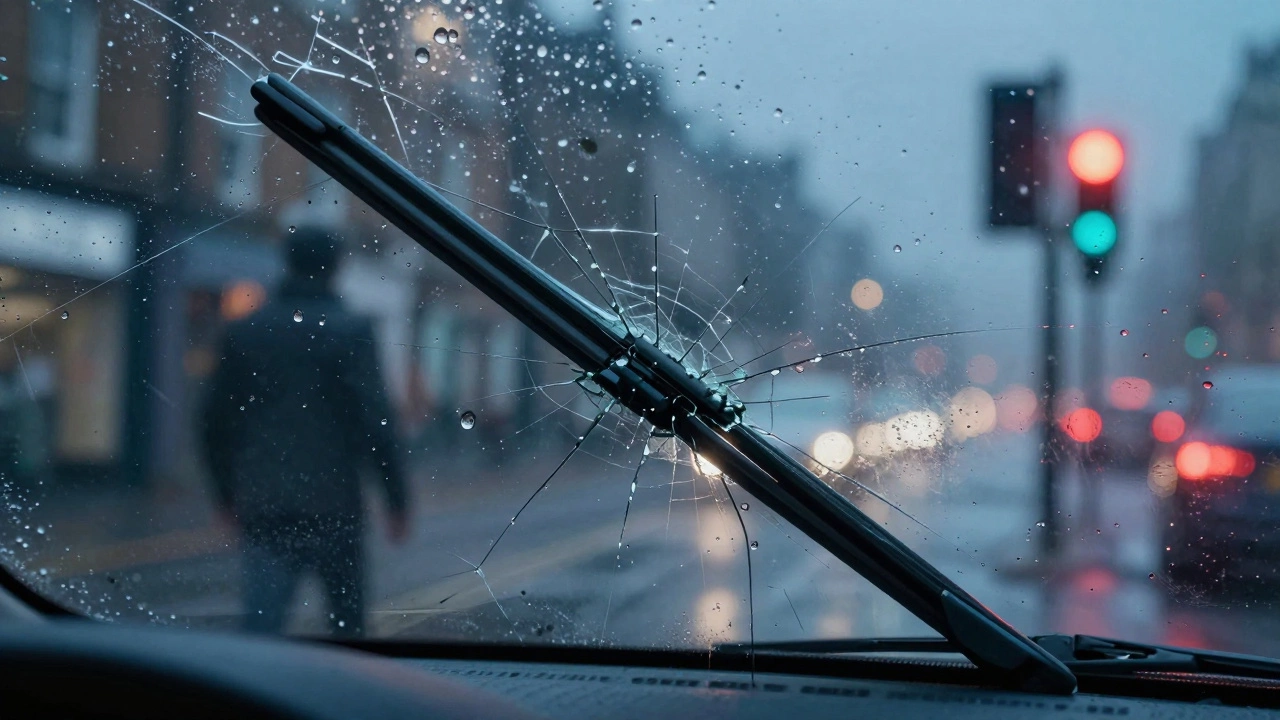
Driving with worn wipers doesn’t just reduce visibility-it increases your risk of accidents. A 2023 study by the UK’s Road Safety Foundation found that drivers with degraded wipers took 23% longer to react to hazards in rainy conditions. That’s the difference between stopping in time and hitting a pedestrian or another vehicle.
Worn blades can also scratch your windshield over time. When the metal frame rubs against the glass because the rubber is gone, it creates fine scratches that scatter light at night. That glare from oncoming headlights becomes worse every year you delay replacement.
And let’s not forget the cost: replacing wiper blades costs between £15 and £40. A cracked windshield from prolonged wear can cost over £300 to fix.
When to replace them
There’s no magic date, but here’s a simple rule: replace your wipers every six months if you drive regularly. Do it in spring and autumn-before the wet season hits and after the winter grime has worn them down.
Or better yet, replace them when you change your tires. It’s a natural reminder. If you don’t remember when you last changed them, assume it’s been too long.
Quick checklist: Is it time for new wipers?
- Do you see streaks or smears after each swipe?
- Do the blades skip, chatter, or jump across the glass?
- Is the rubber cracked, hardened, or flaking?
- Does the blade leave a greasy film instead of clearing water?
- Does one end of the blade lift off the windshield?
- Have they been on your car for more than 6 months?
If you answered yes to two or more of these, replace them now. Don’t wait for the next rainstorm.
What to look for when buying new wipers
Not all wiper blades are the same. For UK conditions, choose blades designed for wet, cold climates. Look for:
- Beam-style blades-they have no metal frame, so they don’t rust or bend easily
- Hydrophobic coating-helps water bead and roll off faster
- Winter-specific blades-have a rubber boot to prevent ice buildup
- Correct size-check your car manual or use an online fitment tool
Brands like Bosch, Michelin, and Rain-X offer reliable options. Avoid the cheapest blades-they often use low-grade rubber that hardens within weeks.
How often should I replace my windshield wipers?
Replace them every 6 to 12 months, depending on usage and weather. In the UK’s damp climate, most drivers need new blades every 6 months, especially if they drive daily. Don’t wait until they fail-replace them before the rainy season hits.
Can I clean my wiper blades instead of replacing them?
You can clean them temporarily with rubbing alcohol to remove grime or tree sap, but this won’t fix worn or cracked rubber. If streaking or skipping continues after cleaning, the blades are worn out and need replacing. Cleaning is a short-term fix, not a solution.
Why do my wipers leave streaks even after I clean the windshield?
Streaks after cleaning the glass mean the problem is with the wiper blade, not the windshield. Worn, hardened, or cracked rubber can’t make full contact with the glass, so it smears water instead of sweeping it away. This is a sign the blade needs replacing.
Are expensive wiper blades worth it?
Yes, if you drive often in wet or cold weather. Premium blades use higher-grade rubber and better frame designs that last longer and perform better. A £30 blade that lasts 12 months is cheaper than a £10 blade that needs replacing every 3 months. Look for beam-style blades with hydrophobic coatings for best results in UK conditions.
Can I replace windshield wipers myself?
Yes, it’s simple. Lift the wiper arm away from the glass, press the release tab on the old blade, and slide it off. Align the new blade with the hook and slide it on until you hear a click. Most replacements take less than 5 minutes per blade. No tools needed.