Fuel Pump Failure Risk Checker
Select the option that best matches your car. Your risk score updates instantly as you answer.
Heuristic guide based on common symptom patterns. Always confirm with an OBD-II scan or professional pressure test.
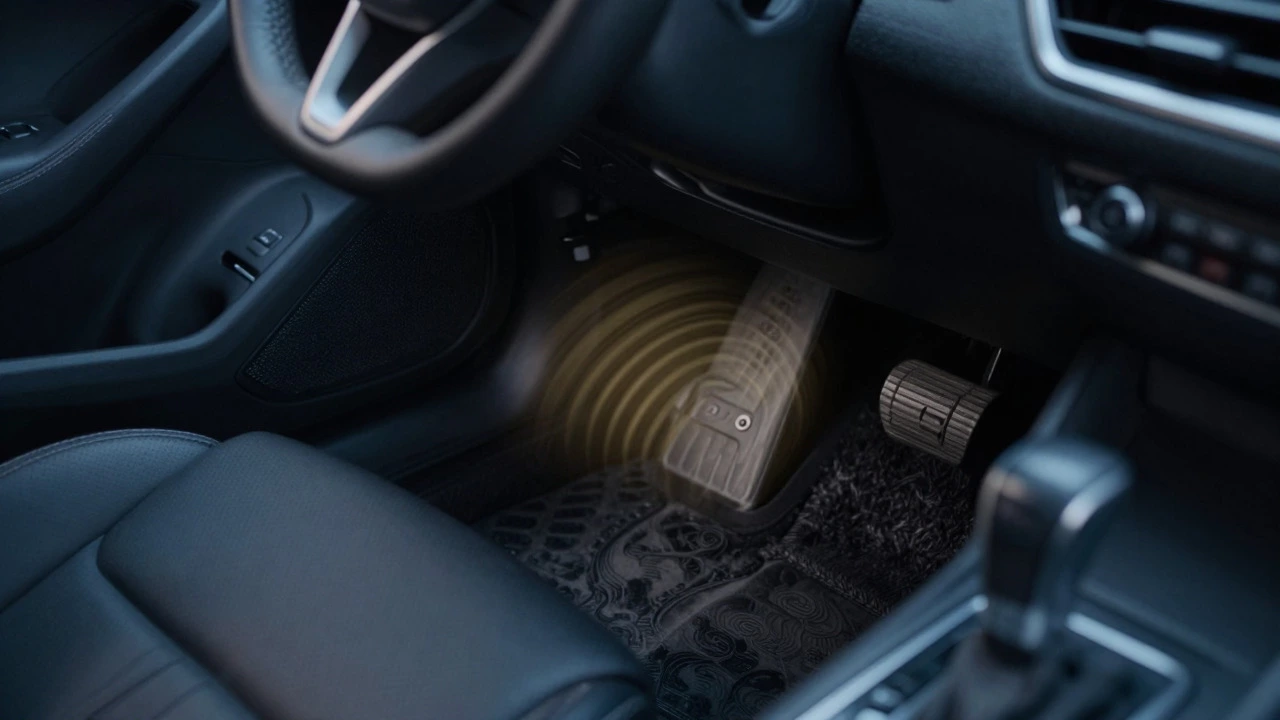
There is a specific, high-pitched whine that starts from the back seat or under the floor mat. If you hear it getting louder as the tank gets lower, your Fuel Pump is likely working overtime before it fails completely. Most drivers ignore this sound until the car stalls on the motorway. By then, the repair bill has jumped from a simple part swap to an emergency tow and labor-intensive extraction.
The fuel pump is the component responsible for moving gasoline from the tank to the engine at precise pressure levels required for combustion. It doesn't just die instantly; it degrades. Understanding the progression of symptoms can save you hundreds of pounds in unnecessary diagnostics and prevent being stranded in bad weather.
The Audible Clues: Hearing the Strain
Your ear is often the first diagnostic tool. A healthy electric fuel pump produces a faint, consistent hum when you turn the ignition key. This is normal. The problem arises when that hum changes character.
- Inconsistent Whining: If the noise fluctuates with engine RPMs or sounds like a jet engine taking off, the impeller inside the pump may be worn down. This creates turbulence and air ingestion.
- Silence When Keyed On: When you turn the key to 'On' (without starting), you should hear a brief hum for two seconds. If there is total silence, the relay might be dead, or the pump motor has burned out.
- Loudness Correlation with Fuel Level: The pump sits at the bottom of the tank. As fuel drops below the pickup tube, the motor runs hotter and works harder to pull liquid through air pockets. If the noise is significantly louder when the tank is nearly empty, the pump is struggling.
Performance Drops: How the Engine Reacts
Once the mechanical strain begins, the engine feels it immediately. The relationship between Engine Performance and Fuel Delivery Pressure is direct. If the pump cannot maintain steady pressure, the injectors starve.
- Hesitation Under Load: You accelerate up a hill or merge onto the M60, and the car lags. It feels like you are driving through syrup. This happens because the pump cannot keep up with the increased demand for fuel during high-load situations.
- Sputtering at Idle: The engine shakes roughly when stopped at lights. This indicates intermittent pressure drops. The computer compensates by enriching the mixture, but if the supply cuts out briefly, the cylinders misfire.
- Difficulty Starting (Hot Start): A dying pump often struggles more when the engine is hot. Heat expands the fuel, creating vapor lock, and a weak pump lacks the force to push liquid fuel against these vapor bubbles. Cold starts might work fine, but after a ten-minute drive, the car refuses to restart.
Electrical Red Flags: Relays and Sensors
Mechanical wear isn't the only culprit. The Fuel Pump Relay controls power to the pump. If this small box in the fuse panel fails, the symptoms mimic a dead pump perfectly.
Check the dashboard. An illuminated Check Engine Light with codes related to fuel trim (P0171 or P0174) suggests the engine management system is detecting a lean condition-meaning less fuel than expected is reaching the cylinders.
If the light comes on randomly while driving, scan the OBD-II port. A code indicating "Fuel System Too Lean" combined with the audible whine confirms the pump is the source. Without a scanner, look for flickering instrument cluster lights. Voltage drops caused by a failing pump motor drawing excessive current can cause dimming lights or erratic gauge behavior.

Diagnostic Comparison: Pump vs. Filter vs. Sensor
Not every fuel issue is a pump. Misdiagnosis leads to expensive mistakes. Here is how to distinguish between the three most common causes of fuel delivery problems.
| Symptom | Failing Fuel Pump | Clogged Fuel Filter | Bad Fuel Pressure Sensor |
|---|---|---|---|
| Noise from Tank | Loud whine/hum | Silent or slight rattle | Silent |
| Start-up Behavior | Long cranking, hot start fail | Hard start always | Normal start, random stall |
| Load Response | Severe lag/stall | Mild hesitation | Erratic acceleration |
| Repair Cost (UK Avg) | £300 - £600 | £50 - £150 | £150 - £300 |
Note that many modern vehicles have integrated fuel filters inside the pump assembly. In these cases, replacing the pump solves both issues. However, if your car has an external inline filter (common in older models or diesels), check that first. It costs a fraction of the pump replacement.
Prevention and Lifespan Expectations
Average fuel pump lifespan ranges from 80,000 to 120,000 miles. Several factors shorten this window dramatically.
- Running Low on Fuel: The fuel cools the pump. Running the tank below a quarter means the pump runs hotter, degrading the internal bearings and seals faster.
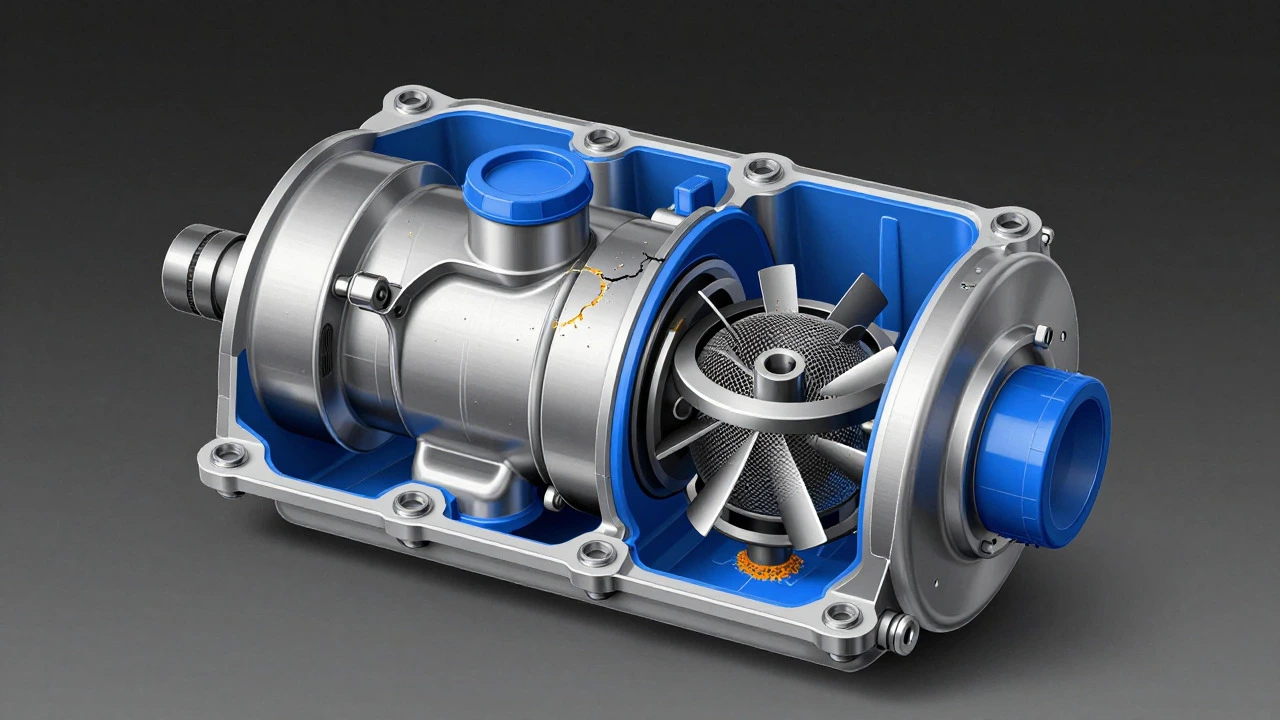
- Poor Quality Fuel: Contaminants clog the strainer basket at the base of the pump. This forces the motor to work harder, leading to overheating.
- Age-Related Degradation: Even with good maintenance, plastic components inside the pump become brittle over time. Cracks allow fuel to bypass the seal, causing pressure loss.
To extend life, try not to let the fuel gauge dip below half. If you must run low, top up immediately rather than waiting for the warning light. Regular use of a reputable fuel additive can also help clean carbon deposits that restrict flow.
What to Do When Symptoms Appear
If you notice the whine or hesitation, do not ignore it. Drive gently and avoid heavy loads. Here is a practical checklist for immediate action:
- Listen: Turn off the radio and idle the engine. Can you hear the hum? Is it changing pitch?
- Check Fuses: Locate the fuel pump fuse and relay in the under-dash fuse box. Swap the relay with another of the same type (like the horn relay) to test if the electrical connection is the issue.
- Scan Codes: Visit any auto parts store or mechanic for a free or low-cost OBD-II scan. Look for lean fuel trim codes.
- Pressure Test: A professional will connect a gauge to the fuel rail. If pressure drops below 40 PSI (varies by vehicle spec) within five minutes, the pump or pressure regulator is failing.
Replacing a fuel pump yourself is possible but tricky. You must drain the tank partially to avoid spills, disconnect the battery to avoid sparks, and handle the wiring harness carefully. For most people, professional installation is safer and cheaper than the cost of a damaged tank or fire risk.
Frequently Asked Questions
How long does a fuel pump last?
Most fuel pumps last between 80,000 and 120,000 miles. However, running low on fuel frequently or using poor quality gasoline can reduce this lifespan significantly. Some high-quality pumps can exceed 150,000 miles if maintained properly.
Can I drive with a failing fuel pump?
It is risky. While you might drive short distances, the pump could fail completely without warning, leaving you stranded. Avoid highway driving or heavy towing. Keep the trip short and monitor the temperature gauge closely, as overheating is a common precursor to total failure.
Is a loud fuel pump always a sign of failure?
Not necessarily. A slightly louder hum can occur when the fuel level is low because the pump is pulling more air along with the fuel. However, if the noise is a high-pitched whine, rattling, or inconsistent, it usually indicates internal wear or a clogged strainer that requires attention.
Does a bad fuel pump affect fuel economy?
Yes. If the pump cannot maintain optimal pressure, the engine control unit may compensate by injecting more fuel to prevent stalling, or the engine may run lean, causing inefficient combustion. Both scenarios lead to reduced miles per gallon.
Should I replace the fuel filter when replacing the pump?
Always. If your vehicle has an external filter, replace it simultaneously. If the filter is integrated into the pump assembly, ensure the new pump includes a fresh strainer. Installing a new pump with an old, dirty filter is a waste of money, as the clog will restrict flow again within months.