
Wiper Health & Replacement Checker
You’re standing in the automotive aisle, rain lashing against the shop window. You need new blades for your car, but the signs seem confused. One shelf says windscreen wiper, while a box on the counter screams windshield wiper. It’s enough to make anyone pause and wonder if they are buying the wrong part for their vehicle.
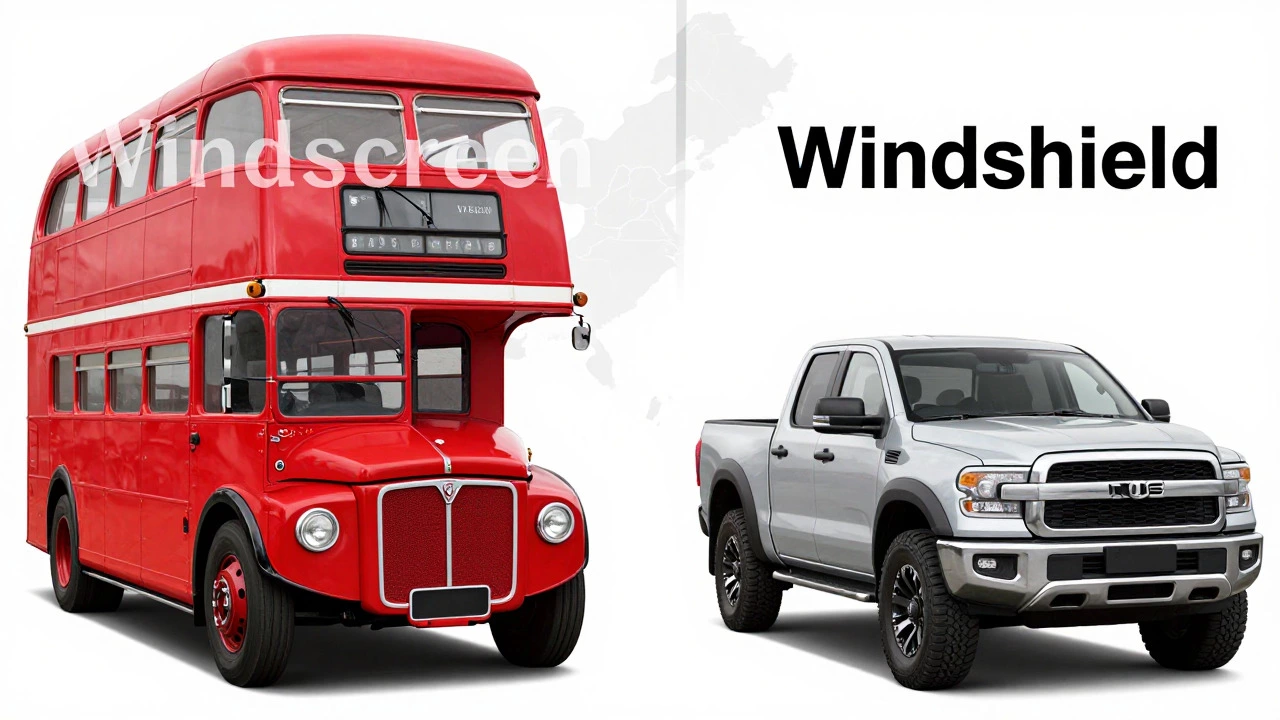
Here is the short answer: it is both. They are exactly the same thing. The only difference between a windscreen wiper and a windshield wiper is where you live and which version of English you speak. If you are in the UK, Australia, or most of Europe, you have a windscreen. If you are in the United States or Canada, you have a windshield. The mechanism, the rubber blade, and the job it does remain identical regardless of the label.
The Geography of Glass
To understand why this confusion exists, we have to look at how language evolves differently across borders. In British English, the word "screen" has historically been used to describe a protective barrier. A "windscreen" acts as a screen against the wind. This terminology stuck in the UK and spread to countries influenced by British colonial history or trade, such as Australia, New Zealand, South Africa, and India.
In American English, however, the preference shifted toward "shield." A "windshield" implies a stronger, more robust protection against the elements. This distinction isn't just about the glass itself; it extends to every component attached to it. So, while a Brit talks about replacing their windscreen wipers, an American discusses swapping out their windshield wipers.
This linguistic split is not unique to cars. Look at other automotive terms:
- Hood (US) vs Boot (UK)
- Fender (US) vs Wing (UK)
- Trunk (US) vs Boot (UK)
Understanding this helps when you are shopping online. If you search for "windshield wipers" on a UK-based site, you might find fewer results because the local inventory uses the term "windscreen." Conversely, searching for "windscreen wipers" on a major US retailer’s site might yield zero results. Always check the location settings on e-commerce platforms to ensure you are seeing the correct terminology for your region.
Anatomy of the Wiper System
Regardless of what you call the glass, the hardware that cleans it follows a standard design globally. Knowing the parts helps you avoid buying incompatible items, which is a far bigger risk than getting the name wrong.
| Component | Function | Common Issue |
|---|---|---|
| Wiper Blade | The rubber strip that contacts the glass | Drying out, cracking, streaking |
| Wiper Arm | The metal lever that holds the blade | Corrosion, loss of tension |
| Linkage | Connects the motor to the arms | Bending, disconnection |
| Motor | Provides the power for movement | Sluggish speed, failure to start |
The Wiper Blade is the consumable part. It consists of a frame (or beam structure) and a rubber squeegee. Over time, UV rays from the sun and ozone in the air cause the rubber to harden. When rubber hardens, it loses its ability to conform to the slight curvature of your glass. This leads to skipping, chattering, and those annoying streaks that ruin your visibility in heavy rain.
The Wiper Arm applies pressure. If the arm spring weakens, the blade won’t press firmly against the glass, even if the rubber is brand new. This is a common issue with older vehicles. You might replace the blades every six months, but if the arm is loose, you’ll still get poor cleaning performance.
Blade Types: Frame vs. Beam
When shopping, you will encounter two main types of wiper blades. The terminology here is consistent worldwide, so there is no regional confusion like with "windscreen" vs "windshield."
- Conventional Framed Blades: These have a visible metal skeleton with multiple joints. They are generally cheaper and easier to install. However, the joints can collect ice and snow in winter, causing them to freeze up. They also tend to be heavier, which can lead to faster wear on the wiper motor.
- Beam Blades: Also known as flat or hybrid blades, these have a single, aerodynamic cover that encases the internal structure. They apply even pressure across the entire length of the blade. They are better at cutting through wind resistance at high speeds and shed water more effectively. Most modern cars come with beam-style blades from the factory.
If your car was manufactured after 2015, it likely requires a specific type of connector for the blade. Common connectors include the U-Hook (the most universal), Bayonet, and Side Pin. Using the wrong connector means the blade won’t attach securely. Always check your vehicle’s manual or use the fitment guide on the retailer’s website before purchasing.
Why Terminology Matters for Online Shopping
In the age of global e-commerce, mixing up these terms can lead to frustration. Imagine ordering parts from an international supplier. If you specify "windshield wipers" to a UK vendor, they will understand you, but their search algorithm might prioritize different products. More importantly, shipping costs and return policies vary wildly based on origin.
For example, European standards for wiper blades often differ slightly in size tolerances compared to North American standards. A 26-inch blade in the US might measure 25.5 inches in the EU due to metric rounding. While usually negligible, it can matter on cars with tight clearances near the A-pillars. If you buy from a local retailer, you avoid these cross-border compatibility headaches entirely.
Another pitfall is aftermarket branding. Some brands use "Windshield" in their logo globally, even if selling in London. Others localize their packaging. Don’t let the box art fool you. Focus on the part number and the hook type. The part number is the universal language of auto parts, transcending the windscreen/windshield divide.

Maintenance Tips That Apply Everywhere
Whether you call it a windscreen or a windshield, keeping it clean is vital for safety. Here are some practical steps to extend the life of your wipers:
- Clean the Blades Regularly: Dirt, tree sap, and road grime build up on the rubber edge. Wipe the blade with a cloth dampened with mild soapy water once a month. This simple step can add months to the blade’s life.
- Inspect the Glass: Sometimes the problem isn’t the wiper, but the glass. Oil films from exhaust fumes create a hydrophobic layer that causes water to bead rather than sheet. Use a dedicated glass cleaner or isopropyl alcohol to strip this film off.
- Lubricate the Arms: If the wiper arms stick or move jerkily, the pivot points may need lubrication. A small amount of silicone grease on the joint can smooth out the motion.
- Park Smart: If possible, park in a garage or shade. Direct sunlight accelerates the degradation of rubber. If you must park outside, consider using a car cover or lifting the wiper arms away from the glass during extreme heat waves to prevent the rubber from melting into the glass surface.
Replacing wipers is one of the easiest DIY tasks you can do. It takes less than five minutes per side. Watch a quick video for your specific car model to see how to release the clip. Once you know the trick, you’ll never pay a mechanic $50 for this service again.
Common Misconceptions
Some drivers believe that "premium" wipers last significantly longer than budget options. While premium blades often have better rubber compounds and more durable frames, the lifespan gap isn’t always huge. A £10 pair of beam blades might last 12 months, while a £30 pair lasts 18 months. For many people, the cost-per-month difference is minimal. Stick to reputable brands like Bosch, Valeo, or Trico, and you’ll get reliable performance without overpaying.
Another myth is that you should wait until the wipers fail completely before replacing them. By the time they start squeaking or leaving thick streaks, the rubber is already deteriorated. Continuing to use worn blades can scratch your glass. The microscopic particles embedded in old rubber act like sandpaper. Replacing them proactively every 6-12 months protects your expensive glass investment.
Is windscreen wiper British or American English?
Windscreen wiper is primarily British English. It is used in the UK, Australia, New Zealand, and other Commonwealth countries. American English uses the term windshield wiper.
Do windscreen wipers and windshield wipers fit the same cars?
Yes, they are mechanically identical. The difference is purely linguistic. However, you must ensure the connector type (e.g., U-Hook) and blade length match your specific vehicle model, regardless of the name used.
How often should I replace my wiper blades?
It is recommended to replace wiper blades every 6 to 12 months. Factors like intense sun exposure, harsh winters, and frequency of use can shorten this lifespan. Inspect them regularly for cracks or stiffness.
What is the difference between framed and beam wiper blades?
Framed blades have a metal skeleton with joints, making them cheaper but prone to icing up. Beam blades are flat, aerodynamic, and apply even pressure, offering better performance in high winds and cold weather.
Can I use windshield wiper fluid on a windscreen?
Yes. The fluid is chemically the same regardless of the region. Just ensure you buy a formula suitable for the local climate, such as anti-freeze variants for winter in colder regions.