
Fuel Pump Health & Risk Assessor
Select the symptoms your vehicle is currently exhibiting to determine if it is safe to drive or if you should call a tow truck.
Vehicle Status: Optimal
Your fuel system appears healthy. Continue normal operation but monitor for any new noises.
Your car is making a whining noise from the tank, or maybe it just stalled in the middle of traffic. You're wondering if you can limp home or if you need a tow truck right now. The short answer is: it depends on how bad the fuel pump is the component responsible for moving gasoline from the tank to the engine under pressure. If it's barely failing, you might make it five miles. If it's completely dead, you're stuck. But driving with a compromised pump carries hidden risks that go beyond just getting stranded.
The Quick Summary: Should You Keep Driving?
- Mild symptoms (slight hesitation): You can likely drive to a nearby mechanic, but keep your speed low and avoid heavy acceleration.
- Severe symptoms (stalling, no start): Do not drive. Call a tow truck. Forcing the engine can cause permanent damage.
- Whining noise: This is an early warning sign. Plan repairs within the week to prevent total failure.
Understanding the difference between these scenarios saves you money. A simple diagnostic check costs less than replacing a catalytic converter that gets destroyed by unburnt fuel.
How a Failing Fuel Pump Actually Works
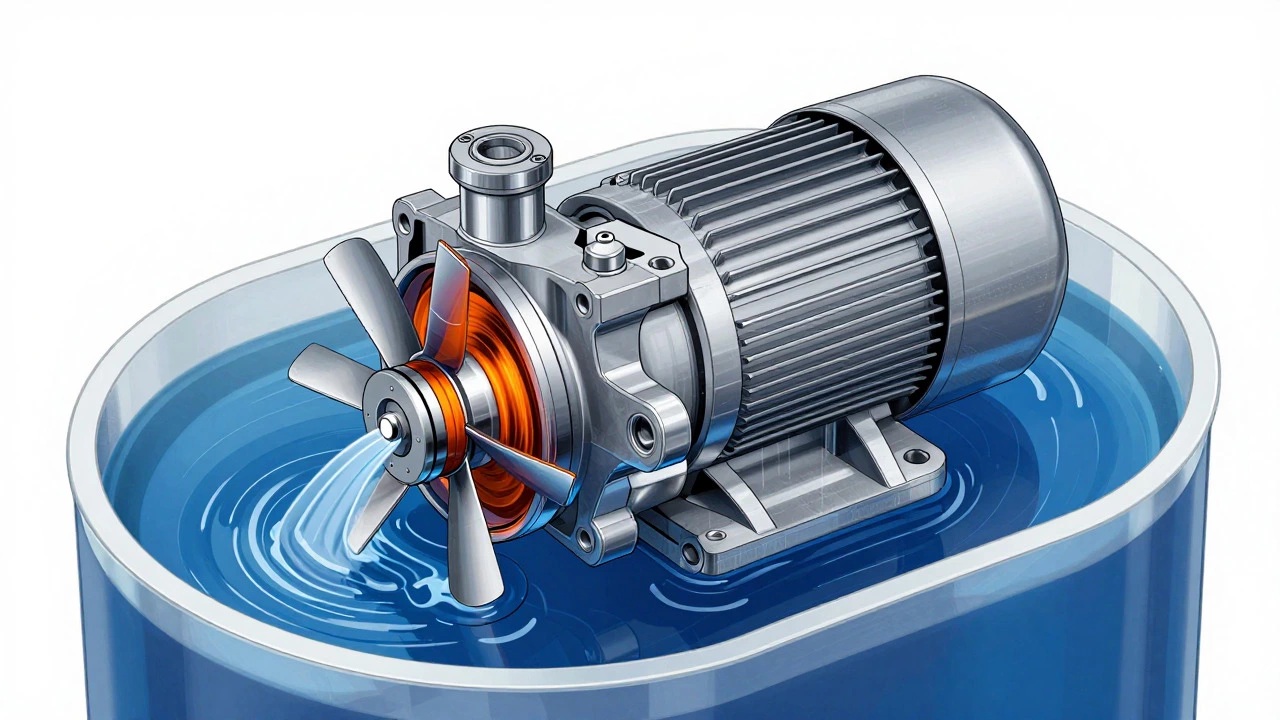
To know if you can drive, you first need to understand what's going wrong inside the tank. The electric fuel pump is a motor-driven device located inside the fuel tank that pressurizes fuel for the injection system. It doesn't just move gas; it maintains specific pressure levels required by the engine control unit (ECU). When the pump starts to fail, it usually does so in stages rather than all at once.
In the early stages, the pump's internal bearings wear down. This creates friction and heat, leading to that distinctive high-pitched whine you hear when you turn the key. At this point, the pump is still delivering enough fuel for normal driving, but its efficiency is dropping. As the wear progresses, the impeller blades may crack or become loose. This causes intermittent flow issues. Suddenly, the engine starves for fuel during hard acceleration, causing a stumble or misfire. In the final stage, the motor burns out entirely. No power means no fuel, and no fuel means the engine stops.
Symptoms That Tell You How Far You Can Go
Not all bad pumps act the same way. Here is how to interpret what your car is telling you:
- High-Pitched Whine from the Tank: This is the earliest sign. You can usually drive normally for several hundred miles, but the pump is degrading. Treat this as a "schedule a repair" signal, not an emergency.
- Engine Hesitation Under Load: If the car feels sluggish when climbing hills or merging onto highways, the pump isn't keeping up with demand. You can drive, but avoid aggressive driving. Stick to city speeds if possible.
- Intermittent Stalling: If the car stalls at idle or when stopping, the pressure regulator or the pump itself is failing intermittently. This is dangerous. You could stall at a pedestrian crossing or in fast-moving traffic. Limit driving to essential trips only.
- No Crank, No Start: If the engine cranks but won't catch, the pump is likely dead. Do not try to force-start it repeatedly. Each attempt drains the battery and can overheat the starter motor.
The Real Dangers of Driving on a Weak Pump
Many drivers think the worst-case scenario is simply running out of gas. While true, the secondary damages are often more expensive. When a fuel pump struggles to maintain pressure, the fuel injectors don't get a consistent supply. This leads to incomplete combustion. Unburnt fuel passes through the exhaust system and reaches the catalytic converter is an emission control device that converts harmful gases into less toxic substances. Excess hydrocarbons can clog the catalyst or cause it to overheat and melt. Replacing a catalytic converter costs significantly more than a new fuel pump.
There is also a risk to the engine control unit (ECU) is the computer that manages engine performance and emissions. If the pump fails while the engine is running, the sudden drop in fuel pressure can trigger lean-burn conditions. This causes the air-fuel mixture to become too rich or too lean, leading to misfires. Persistent misfires can foul the spark plugs and damage the oxygen sensors, which are expensive to replace.
What To Do Before You Decide To Drive
If you suspect a bad pump, perform these three checks before turning the key:
- Check the Fuse: Sometimes, it’s not the pump. Locate the fuse box (usually under the dashboard or in the engine bay) and check the fuel pump fuse. A blown fuse mimics a dead pump exactly. Replacing a fuse costs pennies; replacing a pump costs hundreds.
- Listen for the Prime Sound: Turn the ignition to the "On" position without starting the engine. You should hear a brief hum or whir from the tank for about two seconds. This is the pump priming the system. If you hear nothing, the pump or its relay is dead. If you hear a weak or sputtering sound, the pump is struggling.
- Check Fuel Level: Low fuel tanks expose the pump to higher temperatures because the fuel acts as a coolant. If your tank is below a quarter, the pump may be overheating due to lack of cooling, not necessarily mechanical failure. Fill the tank and see if the symptoms persist.
Comparison: Driving vs. Towing Costs
Let’s look at the financial reality. Is it worth risking the drive?
| Scenario | Estimated Cost (UK Average) | Risk Level | Outcome |
|---|---|---|---|
| Drive to Mechanic (Mild Symptoms) | £0 - £50 (Fuel + Wear) | Low-Medium | Pump replaced safely |
| Tow Truck Service | £80 - £150 | None | Safe transport to garage |
| Damage from Forced Driving | £300 - £800 (Catalytic Converter/Sensors) | High | Additional major repairs needed |
| Fuel Pump Replacement (Labor + Part) | £400 - £700 | N/A | Vehicle restored to full function |
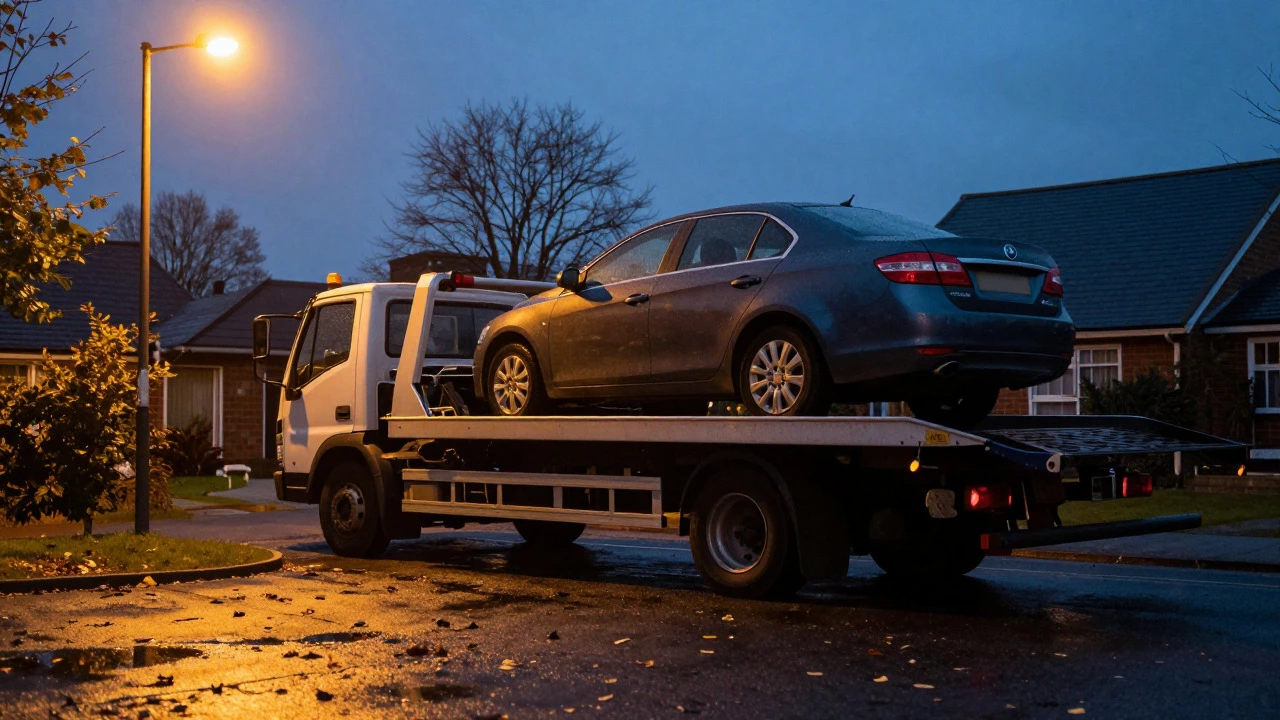
As you can see, towing is cheaper than repairing collateral damage. If the car is stalling unpredictably, the tow truck is the economic choice, not just the safe one.
Preventing Future Fuel Pump Failures
Once you’ve fixed the current issue, you can extend the life of the new pump. Modern fuel pumps are submerged in the fuel, which cools them. Running the tank empty regularly raises the operating temperature, accelerating wear. Try to keep the tank above a quarter full whenever possible. Additionally, use quality fuel. Cheap fuels with lower detergent content can leave varnish deposits on the pump filter, restricting flow over time. Changing the fuel filter every 40,000 to 60,000 miles (or as recommended by your manufacturer) also protects the pump from debris.
Frequently Asked Questions
How far can I drive with a bad fuel pump?
It varies. If the pump is merely noisy, you might drive 500+ miles. If it is causing stalling, limit yourself to 5-10 miles to reach a service center. If it has failed completely, you cannot drive at all.
Does a bad fuel pump affect fuel economy?
Yes. An inconsistent fuel supply forces the engine to run richer or leaner than optimal, reducing efficiency. You may notice a drop in miles per gallon before other symptoms appear.
Can a bad fuel pump cause the check engine light to come on?
Absolutely. The ECU monitors fuel pressure and oxygen sensor readings. If the pressure drops below threshold or the air-fuel ratio becomes unstable, the ECU will store a code and illuminate the check engine light.
Is it safer to push the car or call a tow truck?
If the car is in neutral and you have a flat surface, pushing is okay for short distances. However, if the pump is failing due to electrical issues, pushing won't help restart it. A tow truck is generally safer and more reliable for modern vehicles with complex electronics.
How long do fuel pumps last?
Most modern electric fuel pumps last between 80,000 and 120,000 miles. Factors like fuel quality, driving style, and whether the tank runs dry frequently can shorten this lifespan.