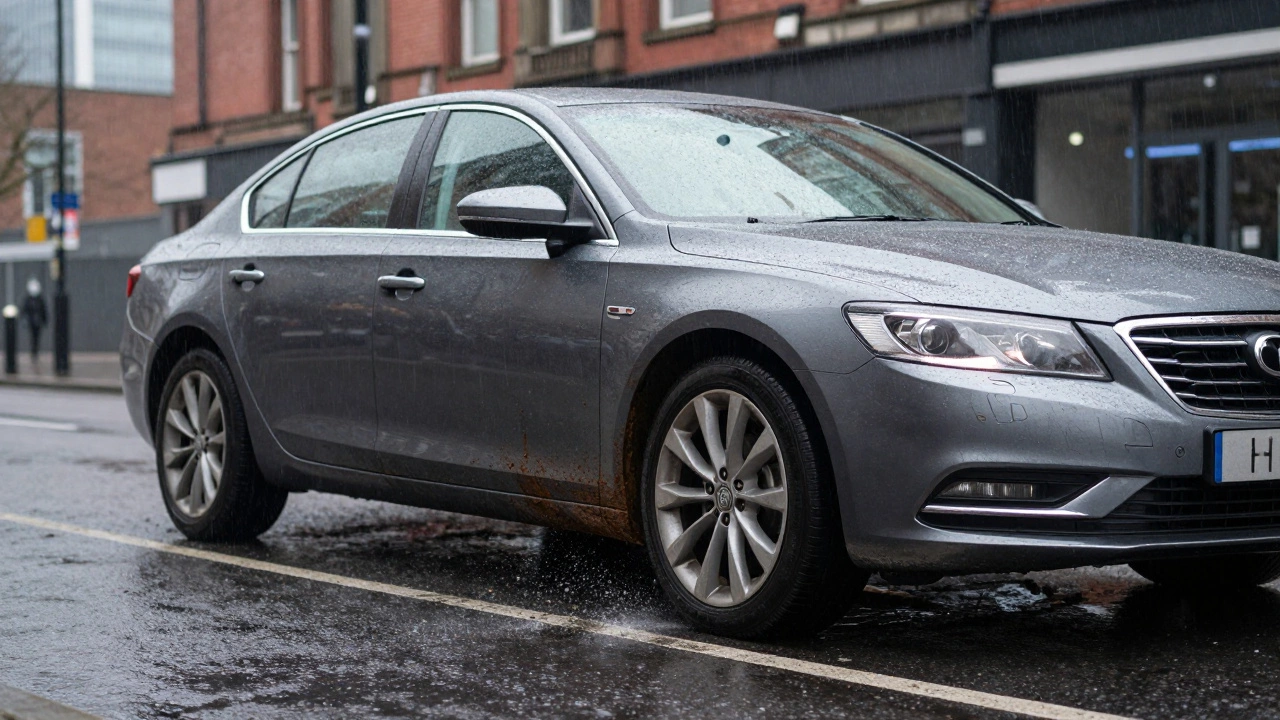
Your car breathes through its engine air filter, yet most of us ignore it until a mechanic points out the bill. In Manchester, our damp roads throw up a mix of salt and grit that settles inside your engine bay faster than you think. If you want to keep your vehicle running smoothly and save money on fuel, knowing the right replacement schedule is essential. While manuals suggest a standard interval, real-world conditions often demand earlier changes.
A dirty air filter acts like a scarf over your face during a run. It restricts oxygen flow to the combustion chamber, forcing the engine to work harder for the same power. This strain increases fuel consumption and can lead to rough idling or even stalling over time. By understanding exactly when to replace it, you protect your investment without spending unnecessary money on early swaps.
The General Rule of Thumb for Replacement
Most vehicle manufacturers recommend changing your engine air filter every 12,000 to 15,000 miles, or once a year. This baseline works for average drivers who mostly cruise on open highways. However, relying solely on mileage ignores the reality of daily commuting in urban environments.
If you follow the manufacturer’s schedule rigidly, you might miss the impact of environmental stressors. For example, a car driven purely on motorways faces less particulate load than one navigating busy city streets where diesel soot accumulates rapidly. Time also matters; rubber components age, and airflow reduces even if the car sits in the garage for months. Therefore, checking the condition annually regardless of mileage ensures you do not catch problems late.
| Driving Condition | Suggested Mileage | Suggested Timeframe |
|---|---|---|
| Clean Highways Only | 30,000 - 35,000 miles | Every 2 Years |
| Mixed City/Rural | 12,000 - 15,000 miles | Every 12 Months |
| Severe Dust/Construction | 6,000 - 9,000 miles | Every 6 Months |
How Local Conditions Affect Filter Lifespan
Living in the North West means dealing with high humidity and frequent rainfall. While rain washes some dust away, wet dirt sticks tenaciously to filter media, reducing airflow efficiency. If you drive near industrial zones or construction sites, the airborne particulate matter spikes dramatically.
In these scenarios, the standard annual change isn't enough. Consider your daily route. Does it pass through gravel-heavy roads common in construction areas? Are you frequently stuck in stop-start traffic? Each scenario introduces different contaminants. Short trips are also harsher on filters because the engine never reaches full operating temperature, causing moisture buildup in the intake system which traps particles against the filter pleats.
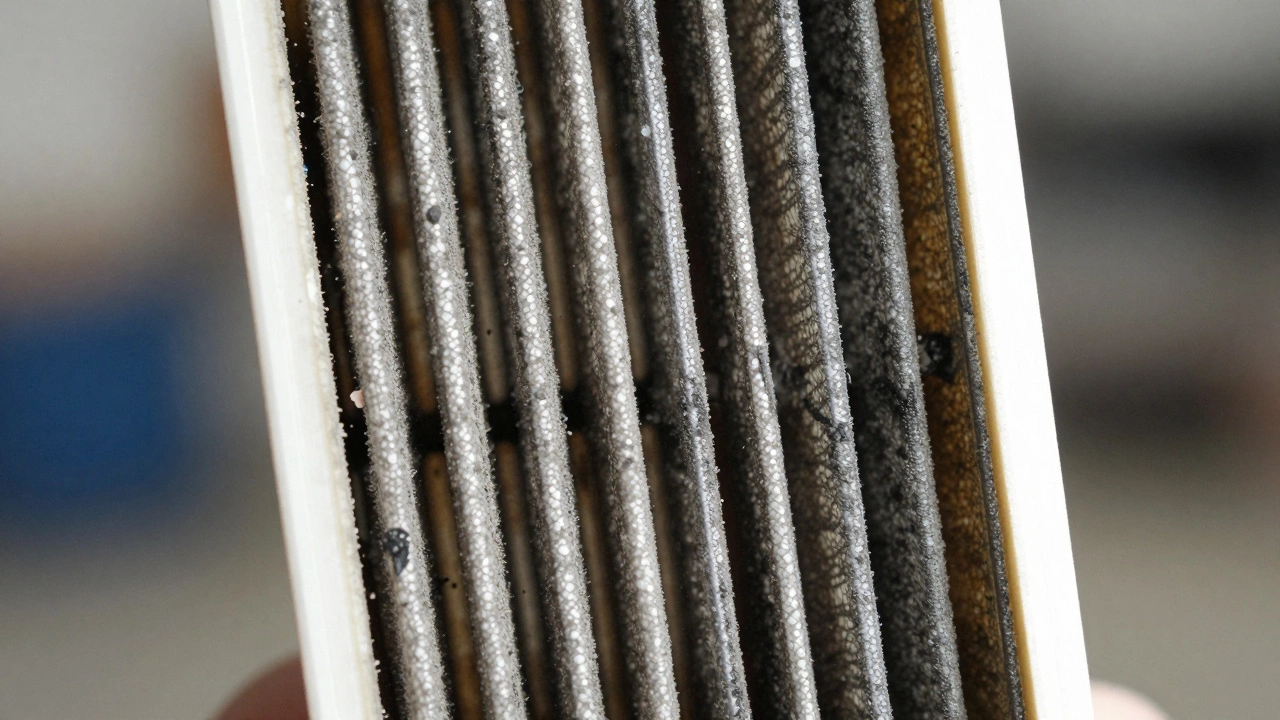
This creates a specific need for drivers in regions like Greater Manchester to inspect filters more closely during servicing. Even if the odometer shows low numbers, the visible darkness of the filter paper indicates saturation. A visual inspection takes seconds but provides data that mileage counters cannot.
Detecting Symptoms of a Clogged Filter
Often, you won't hear a warning bell sound when the filter fails. Instead, look for behavioral changes in the vehicle. The most immediate sign is reduced performance, especially when pressing the accelerator. If the car feels sluggish or hesitant to rev, the air supply is likely restricted.
- Fuel Consumption: You might notice you fill the tank slightly more often than usual. The engine compensates for lack of oxygen by injecting more fuel, dropping your miles per gallon figures.
- Black Smoke: On cold starts, seeing thick black exhaust smoke suggests unburnt fuel due to poor airflow balance.
- Rough Idling: If the engine shakes at traffic lights or stalls occasionally, the air-fuel mixture may be off.
- Hissing Noise: A whistling sound from the engine bay can indicate the filter housing is loose or the element has disintegrated, allowing bypass.
Performing the “Sunlight Test” is a practical way to confirm suspicion. Remove the filter and hold it up toward a bright light source. If light passes through the gaps easily, it is clean. If you see dense dark patches blocking the light, replace it immediately.
Engine Filter vs. Cabin Filter
Confusion often arises between the two types of filtration systems. The Engine Air Filter protects the internal mechanics from debris entering through the intake manifold. It is located under the hood. The Cabin Air Filter protects you. It cleans the air entering the passenger interior through the vents.
These have separate lifespans. Cabin filters typically last around 15,000 miles before trapping pollen and pollutants. They are crucial for allergy sufferers, especially during spring seasons when tree spores increase. Neglecting the cabin filter leads to unpleasant smells inside the car and potential mold growth in the ventilation ducts. Always ask your technician to check both during a routine service.
The Financial Impact of Delaying Replacement
The cost of a new air filter replacement is surprisingly low compared to the risk of damage. An original equipment manufacturer (OEM) part often costs between £15 and £35 for most vehicles. Aftermarket options can be cheaper, though quality varies significantly.
However, a neglected filter causes long-term issues that cost far more. Over time, carbon buildup occurs on valves and intake manifolds because the engine runs rich. Cleaning this carbon requires professional machine stripping or chemical additives, costing hundreds of pounds. Furthermore, modern cars rely heavily on sensors like the Mass Air Flow (MAF) sensor. Dirt passing through a saturated filter coats this sensitive component, leading to erratic readings and triggering the dashboard warning light.
Replacing the filter is also a key step in maintaining a valid warranty. If an engine failure occurs and records show missed service checks or dirty filters, insurance companies may dispute claims related to mechanical negligence. Keeping proof of purchase for filter changes helps document responsible ownership.
DIY vs. Professional Installation
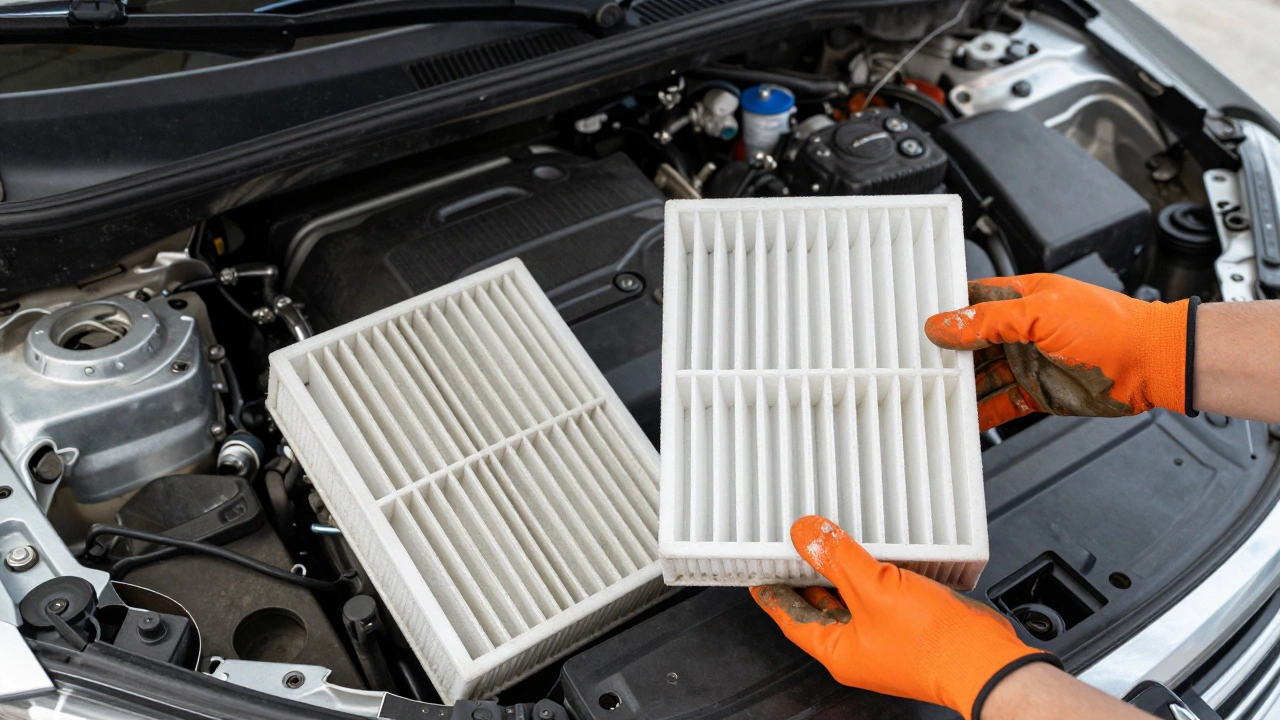
Swapping an engine filter is one of the few tasks any driver can do themselves. Locate the air box, usually identified by large plastic tubing connected to the throttle body. Press the clips, lift the cover, and slide out the old unit. Match the size of the new filter to the old one to ensure a perfect seal.
Cleaning the housing is vital before installing the new part. Use a damp cloth to wipe out accumulated dust from the tray underneath. Grease or oil residue left behind will ruin the new filter instantly. If you are unsure, a quick search for your specific model’s diagram online helps avoid mistakes. Professional installers add labour charges, often doubling the price. Doing it yourself saves cash and teaches you how the engine functions.
Summary of Best Practices
Treat your filter as a consumable safety item rather than a permanent component. Set a calendar reminder for six-month intervals to inspect it visually, rather than waiting for the next major service. If you drive primarily on dusty gravel roads or heavy city traffic, prioritize shorter replacement cycles. Keep receipts for parts purchases to build a maintenance history for resale value. Finally, never reuse an old filter by simply blowing it with compressed air; this damages the microscopic fibers meant to trap dust.
Frequently Asked Questions
Can I wash and reuse my air filter?
No, standard paper engine air filters are not washable. Washing destroys the bonding agents holding the fibers together. Only specialized foam or cotton gauze filters designed for sports cars are washable. Using water on a standard filter will cause it to collapse and fail to filter effectively.
Does changing the filter improve gas mileage?
Yes, a fresh filter restores optimal airflow, helping the engine run efficiently. While the gain might be small on modern engines, it prevents the drop in efficiency caused by restriction. Over a year, this can save roughly 10 to 15 gallons of fuel depending on your mileage.
What is the cheapest air filter brand available?
Generic brands sold at auto parts stores are usually cheaper than OEM, often costing £5-£10. However, budget options sometimes tear easily during installation. Stick to reputable aftermarket names like Mann or K&N for better longevity and airflow performance relative to price.
Is it okay to skip the cabin filter change?
Skipping the cabin filter affects your health but not engine mechanics. If you suffer from seasonal allergies, you should change it twice a year. If you tolerate dust well, you can extend the life, but note that airflow to windows will slow down, reducing defrosting speed in winter.
Will a clogged filter trigger the check engine light?
Not always directly. A severely restricted filter usually doesn't set a code unless it throws off the Mass Air Flow sensor readings significantly. The engine management computer detects air/fuel ratio discrepancies over time, which eventually illuminates the dashboard warning.