Clogged Fuel Filter Diagnostic & Cost Estimator
Select all symptoms you are currently experiencing with your vehicle:
Enter your symptoms and click "Run Diagnosis" to see if a clogged fuel filter is likely the culprit.
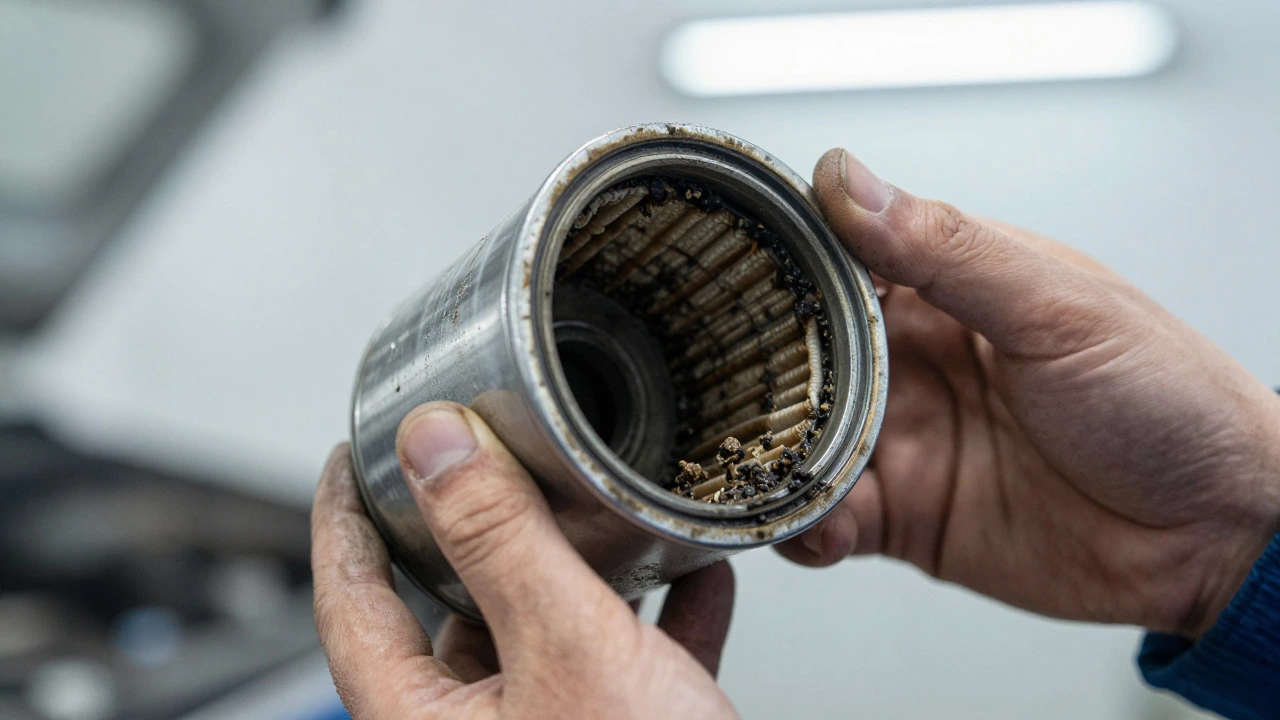
Your car is running rough, or maybe it just won't start on a cold morning. You might think it's the battery or the starter motor, but there is a quiet culprit hiding in your fuel line: a clogged fuel filter is a component that traps dirt and debris to keep your engine clean, but when it gets too full, it restricts flow and causes performance issues. Unlike a broken part that makes a loud noise, a dirty filter fails slowly. By the time you notice, the damage can spread to other expensive components like the fuel pump.
Knowing the signs early saves you money. A simple filter replacement costs a fraction of what a failed fuel pump or damaged injectors will cost. Here is how to spot the problem before it strands you on the side of the road.
Key Takeaways
- Hard starting is often the first sign, especially in cold weather.
- Engine stalling at idle or under load indicates restricted fuel flow.
- Loss of power during acceleration suggests the engine isn't getting enough fuel.
- A clogged filter forces the fuel pump to work harder, leading to premature failure.
- Regular maintenance every 20,000-40,000 miles prevents most issues.
The Early Warning Signs
Most drivers ignore small quirks until they become big problems. However, a clogged fuel filter usually gives you several chances to fix it cheaply. The first symptom is often difficulty starting the engine. When you turn the key, the engine cranks but takes longer than usual to catch. This happens because the filter is restricting the initial burst of fuel needed for combustion. If this happens consistently, especially after the car has been sitting, check your filter.
Next, look out for stalling. Does your car die when you stop at a red light? Or does it sputter and cut out when you come to a halt? At idle, the engine requires a steady, low-volume supply of fuel. A partially blocked filter cannot maintain this consistency. The engine computer detects the drop in airflow and tries to compensate by adding more air, which leads to a lean mixture and eventual stall.
Performance Issues Under Load
If the car starts fine but feels weak, pay attention to how it behaves when you press the gas pedal. A healthy engine responds instantly. A car with a restricted fuel system lags. You step on the accelerator, but the RPMs rise slowly. This is called "hesitation." It’s particularly noticeable when climbing hills or overtaking on the highway. The engine demands more fuel than the clogged filter can provide, causing a temporary lack of power.
This hesitation often turns into a complete loss of power if you push the engine hard. In extreme cases, the engine may backfire. Backfiring occurs when unburned fuel ignites in the exhaust system instead of the cylinders. While not always caused by the filter, it is a common companion symptom to poor fuel delivery. If you hear pops from the tailpipe while driving, have your fuel system inspected.
How a Clogged Filter Damages Other Parts
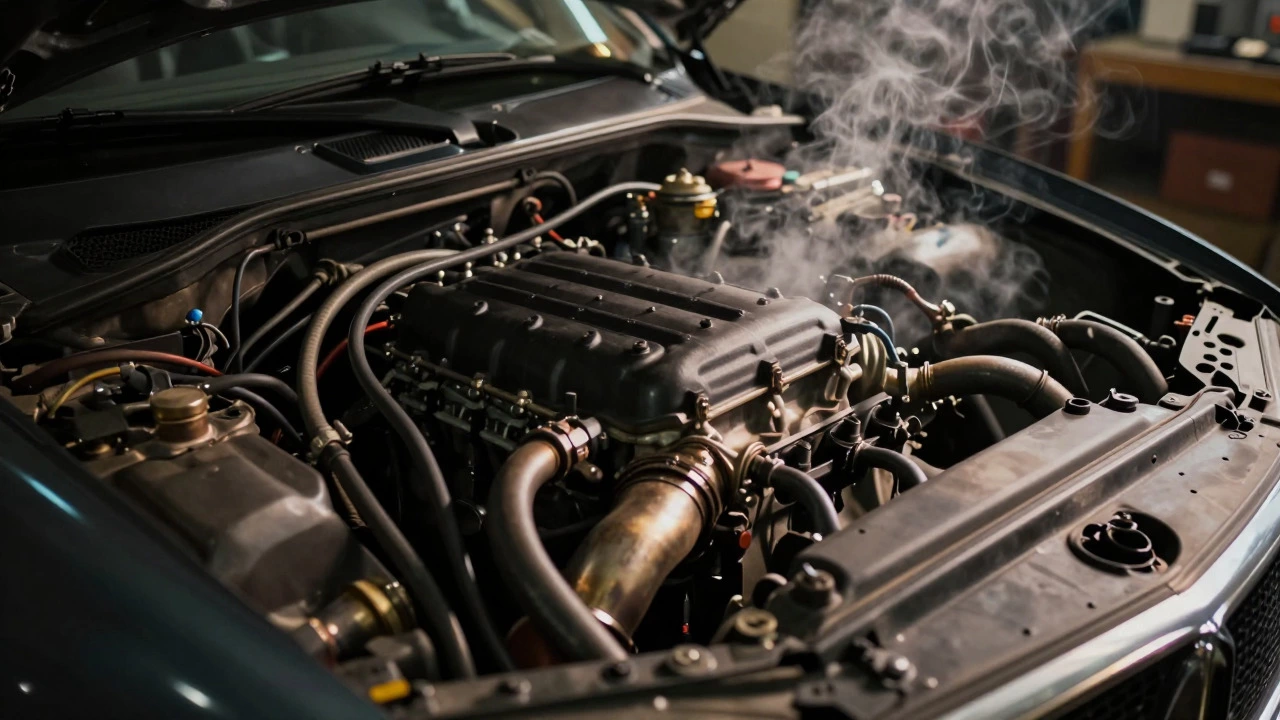
Many drivers assume a bad filter only affects performance. In reality, it acts as a stress test for the rest of the fuel system. The fuel pump is designed to move a specific volume of fuel at a set pressure. When the filter gets clogged, resistance increases. The pump has to work much harder to push fuel through the narrow passages. Over time, this extra strain wears out the pump’s internal seals and motor. Replacing a fuel pump can cost three to five times more than a filter, making neglect a costly mistake.
Fuel injectors also suffer. These tiny nozzles spray precise amounts of fuel into the engine. If the fuel contains microscopic particles that slipped past a degraded filter, they can clog the injector tips. Clogged injectors cause uneven spraying, leading to rough idling and increased emissions. Cleaning or replacing injectors is labor-intensive, so keeping the filter clean is a proactive defense for your entire fuel delivery chain.
Comparison: Healthy vs. Clogged Fuel System
| Feature | Healthy System | Clogged Filter |
|---|---|---|
| Starting Time | Instant (under 1 second) | Delayed (2-5+ seconds) |
| Idle Behavior | Smooth and steady | Rough, shaky, or stalls |
| Acceleration | Immediate response | Hesitant or sluggish |
| Fuel Economy | Optimal MPG | Reduced MPG due to inefficient combustion |
| Check Engine Light | Off | May illuminate (P0171/P0174 codes) |
When to Replace Your Fuel Filter
There is no universal mileage rule for all cars, but manufacturers generally recommend replacing the fuel filter every 20,000 to 40,000 miles. Older vehicles or those driven in dusty conditions may need service more frequently. Modern cars often have a filter built into the fuel tank, which lasts longer (up to 80,000 miles), but external filters are still common in many models.
You don’t need to wait for a breakdown to replace it. If your car is approaching its recommended interval, schedule the service. It’s a quick job that takes less than an hour for most technicians. During the appointment, ask them to check the condition of the old filter. Seeing the amount of sludge trapped inside can be a wake-up call about why regular maintenance matters.
Common Misconceptions About Fuel Filters
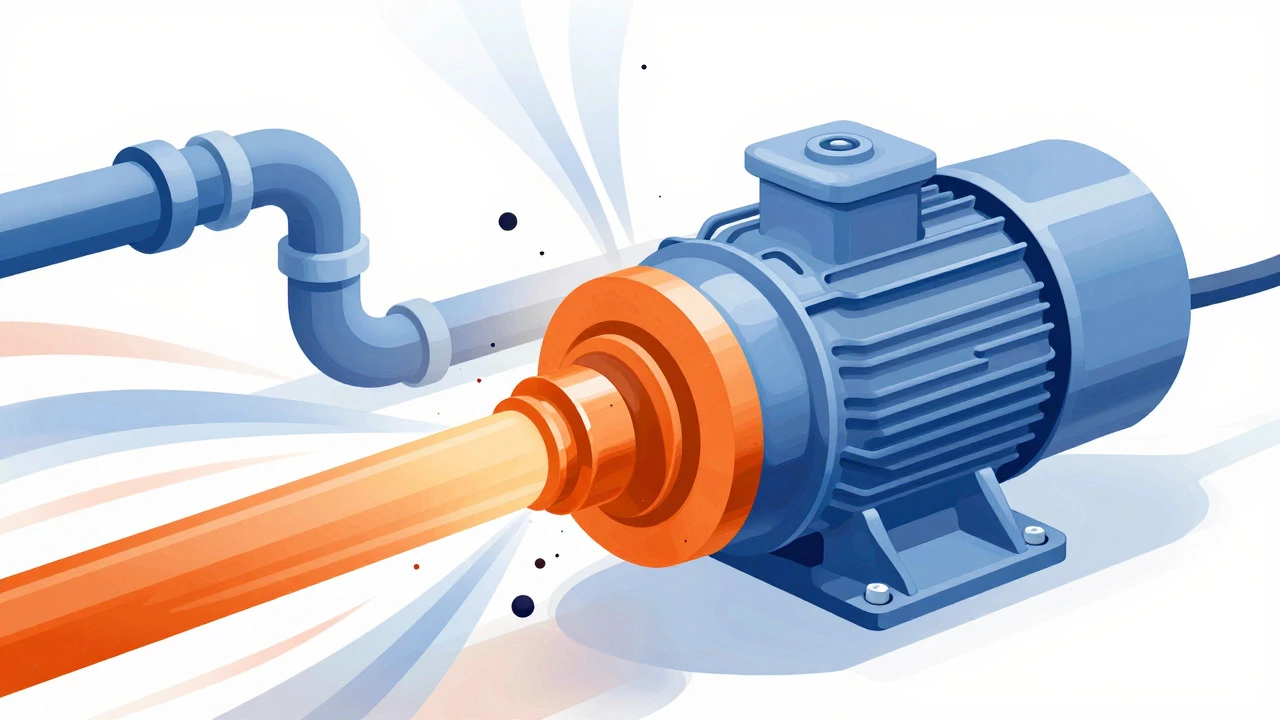
One myth is that fuel filters last forever. This was true for very old cars with larger filters, but modern engines require cleaner fuel. Another misconception is that a rich smell of gasoline means a leak. While leaks are serious, a strong smell can sometimes indicate incomplete combustion due to poor fuel flow. Finally, some believe that using premium fuel cleans the filter. Premium fuel has additives that help clean injectors, but it doesn’t significantly unclog a heavily saturated paper filter element.
Prevention Tips for Drivers
- Use reputable fuel stations: Cheap, unknown sources may have higher levels of water and sediment.
- Keep your tank above half-full: Condensation builds up in empty tanks, mixing with fuel and increasing sludge.
- Follow the owner’s manual: Stick to the manufacturer’s recommended replacement intervals.
- Monitor fuel economy: A sudden drop in MPG without changes in driving habits can signal fuel system issues.
Frequently Asked Questions
Can I drive with a clogged fuel filter?
Yes, but it’s risky. Driving with a severely clogged filter can cause the fuel pump to overheat and fail. If the car is running smoothly, get it checked soon. If it’s stalling or losing power, avoid long drives to prevent being stranded.
Does a clogged fuel filter affect fuel economy?
Yes. When the filter restricts flow, the engine runs lean (too much air, not enough fuel). To compensate, the engine control unit may adjust timing and throttle, leading to less efficient combustion and lower miles per gallon.
How much does it cost to replace a fuel filter?
Parts typically cost between $15 and $50. Labor varies by shop and vehicle accessibility, usually ranging from $50 to $150. In total, expect to pay between $65 and $200 for a standard replacement.
Can a clogged filter cause a check engine light?
Yes. Common codes include P0171 (System Too Lean) or P0174 (Bank 1 Too Lean). These codes indicate the engine is not receiving enough fuel, which is a direct result of restricted flow from a clogged filter.
How often should I change my fuel filter?
Every 20,000 to 40,000 miles is the standard recommendation for most vehicles. Check your owner’s manual for the specific interval for your make and model. Cars with in-tank filters may go longer, up to 80,000 miles.