Fuel Pump Failure Risk & Cost Estimator
Select Observed Symptoms
Check all boxes that apply to your current vehicle condition.
Assessment Results
Estimated Repair Cost (UK)
*Includes parts and labor estimates based on article data.
Your engine is the heart of your car, but without fuel, it’s just a heavy paperweight. That brings us to the fuel pump, which is an electric motor that pushes gasoline from the tank to the engine at high pressure. If this component starts to fail, the question isn't really "will it run?" The real question is "how long until it stops?"
The short answer: Yes, a car can often run with a failing fuel pump, but usually not for long, and certainly not safely. It depends entirely on how far along the failure process has progressed. A brand-new dead pump means zero movement. A dying pump might get you home, or it might leave you stranded on the M6.
How a Fuel Pump Actually Works
To understand why your car behaves strangely when the pump is bad, you need to know what it's supposed to do. In most modern vehicles, the fuel pump sits inside the gas tank. This location helps keep the pump cool using the surrounding fuel. It draws in liquid gasoline and pressurizes it-often between 30 and 60 psi (pounds per square inch) for older cars, and up to 5,000+ psi for direct injection engines.
This pressurized fuel travels through lines to the engine, where injectors spray it into the combustion chamber. If the pump struggles to maintain that specific pressure, the engine starves. It’s like trying to drink a thick milkshake through a thin straw; eventually, you just can’t pull enough through.
Early Warning Signs Your Pump Is Dying
Fuel pumps rarely die overnight. They degrade over time, giving you plenty of warning signals if you pay attention. Ignoring these signs is how you end up calling a tow truck.
- Whining Noise: Listen closely when you turn the key to the "on" position before starting the engine. You should hear a faint hum for a second or two. If you hear a loud whine, squeal, or grinding noise coming from the rear of the vehicle, the pump’s internal bearings are likely wearing out.
- Hesitation Under Load: Does the car feel sluggish when you accelerate hard or go uphill? This happens because the pump can’t deliver enough volume of fuel quickly enough to match the engine's demand.
- Surging: Conversely, sometimes the pump sends too much fuel due to erratic electrical connections or internal wear, causing the engine speed to fluctuate while cruising at a steady speed.
- Engine Stalling: If the pump overheats or loses prime, the engine will cut out completely. This often happens after driving for a while, as heat builds up in the tank.
Can You Drive on a Failing Fuel Pump?
Technically, yes. If the pump is still spinning and delivering *some* pressure, the car will start and move. However, driving in this state is risky for several reasons.
First, there is the risk of sudden stalling. Imagine merging onto a busy highway or crossing a roundabout in Manchester rain, and your engine cuts out mid-turn. You lose power steering and power brakes, making the car much harder to control. While you won't crash solely because the engine died, the lack of assistive systems creates a hazardous situation.
Second, you could damage other expensive components. Running an engine lean (not enough fuel) causes higher combustion temperatures. Over time, this excessive heat can warp valves or damage pistons. Additionally, debris shed by a disintegrating pump impeller can clog the fuel filter or even the sensitive fuel injectors, turning a £150 repair into a £500 one.
If you must drive, keep it simple. Avoid high speeds, minimize acceleration, and try to reach a mechanic soon. Don't treat it like a normal commute.
Why Fuel Pumps Fail
Most fuel pumps last between 80,000 and 100,000 miles. When they fail earlier, it’s usually due to one of three factors:
- Running on Empty: The fuel pump relies on gasoline for cooling and lubrication. If you frequently let the tank drop below a quarter full, the pump runs hotter and drier, accelerating wear on its internal brushes and bearings.
- Contaminated Fuel: Dirt, rust, or water in the tank can jam the pump mechanism. This is more common in older cars or those stored for long periods.
- Electrical Issues: A faulty relay, blown fuse, or corroded wiring harness can starve the pump of power, causing it to work harder than necessary or burn out prematurely.
Diagnosing the Problem Yourself
Before you replace the pump, make sure it’s actually the culprit. Other issues can mimic fuel pump symptoms.
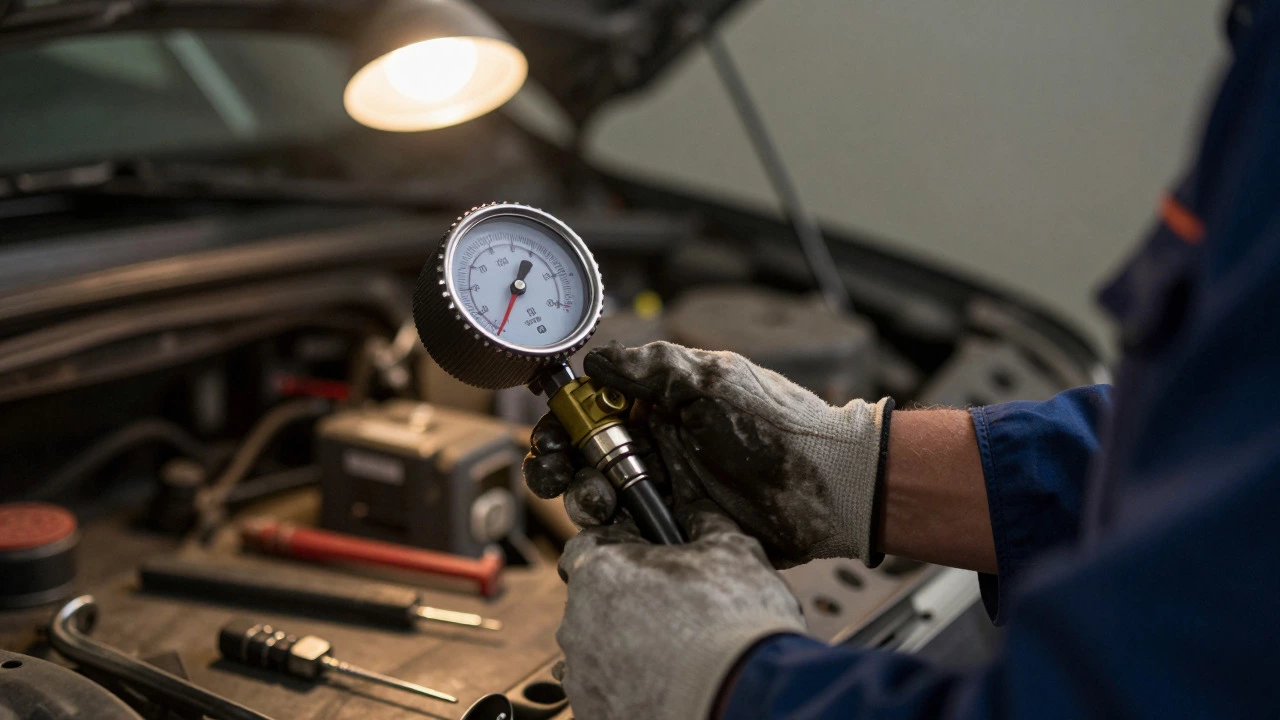
Check the Fuel Pressure: This is the definitive test. You’ll need a fuel pressure gauge and the correct adapter for your car’s service port. Connect the gauge and start the engine. Compare the reading to the manufacturer’s specifications (found in your repair manual). If the pressure is low or drops rapidly when the engine is off, the pump is likely weak or leaking internally.
Listen for the Prime: Turn the key to "on" three times without starting the engine. Listen near the fuel tank. If you don’t hear the characteristic hum, check the fuel pump fuse and relay first. If those are good, and there’s no sound, the pump motor may be dead.
Inspect the Fuel Filter: A clogged fuel filter restricts flow just like a bad pump. If your filter hasn’t been changed in years, replace it first. It’s cheap and easy. If the problem persists, then look at the pump.
| Symptom | Likely Cause | Cost Estimate (UK) |
|---|---|---|
| No startup, no prime sound | Dead pump, blown fuse, or bad relay | £100 - £400 (parts + labor) |
| Hesitation under load | Weak pump or clogged filter | £20 - £400 |
| Engine surges | Pressure regulator or electrical issue | £50 - £200 |
| Loud whining noise | Failing pump bearings | £150 - £450 |

Replacing the Fuel Pump
If diagnosis confirms the pump is bad, replacement is the only fix. You have two options: DIY or professional mechanic.
DIY Approach: On many cars, the pump is accessed through a panel under the rear seat or in the trunk. You’ll need to disconnect the battery, relieve fuel system pressure, remove the access panel, and unbolt the pump module. Be careful with the O-rings; use new ones to prevent leaks. It’s manageable for someone comfortable with basic tools.
Professional Service: Some vehicles require dropping the fuel tank, which involves jacking up the car and handling flammable fluids. Mechanics also have scan tools to verify the fix. Labor costs vary, but expect to pay more for luxury brands or models with difficult-to-access tanks.
Always replace the fuel filter when changing the pump. It’s a small cost that ensures your new pump doesn’t struggle against a dirty line.
Preventing Future Failures
You can extend the life of your fuel pump with simple habits:
- Keep the Tank Above Quarter Full: Especially in summer, when heat exacerbates pump stress.
- Use Quality Fuel: Reputable stations have better filtration systems, reducing the chance of debris entering your tank.
- Replace the Fuel Filter Regularly: Follow your manufacturer’s schedule, typically every 30,000 to 60,000 miles.
- Address Electrical Issues Promptly: If you notice dimming lights or other electrical gremlins, get them checked. Voltage spikes can kill pumps.
How long can I drive with a bad fuel pump?
It depends on the severity. If the pump is merely noisy but maintains pressure, you might drive for weeks. If it’s causing hesitation or stalling, limit driving to essential trips only. Sudden failure is unpredictable, so plan to replace it within days, not months.
Does a bad fuel pump affect MPG?
Yes. A failing pump can cause inconsistent fuel delivery, leading to poor combustion efficiency. This often results in lower fuel economy. Additionally, if the engine computer detects lean conditions, it may enrich the mixture, wasting fuel.
Can a bad fuel pump trigger the Check Engine Light?
Absolutely. Low fuel pressure often triggers codes like P0087 (Fuel Rail/System Pressure Too Low) or P0230 (Fuel Pump Primary Circuit). These codes point directly to fuel delivery issues, though they don’t always mean the pump itself is broken.
Is it safe to jump-start a car with a bad fuel pump?
Jump-starting addresses battery issues, not fuel delivery. If your car won’t start because the pump is dead, jump-starting won’t help. However, if the pump failed due to a voltage spike from a bad alternator, fixing the electrical system is crucial before installing a new pump.
How much does a fuel pump replacement cost in the UK?
Parts alone range from £50 to £200 depending on the vehicle. With labor, total costs typically fall between £150 and £450. Luxury brands or models requiring tank removal can exceed £600.