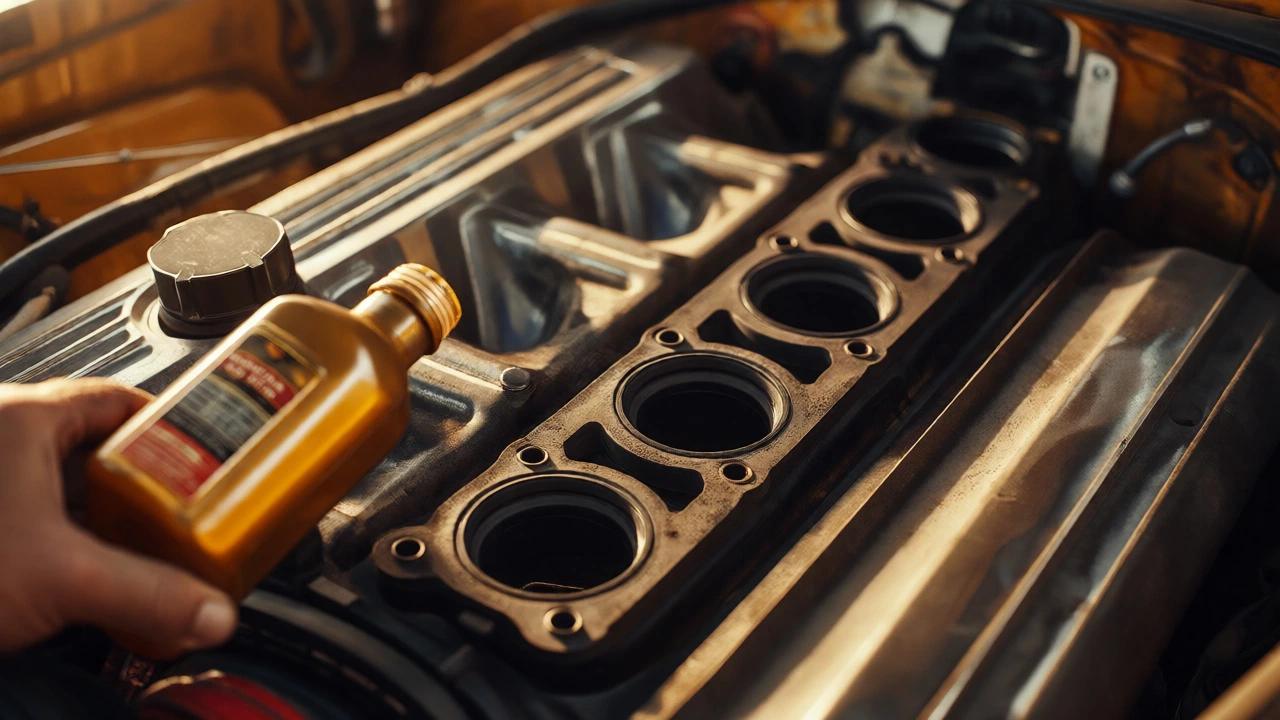
Engine Oil Compatibility Checker
Not sure if you should switch to full synthetic? Answer these questions to get a personalized recommendation.
You might think that since full synthetic oil is the gold standard for modern engines, it’s always the right choice. But here’s the twist: putting premium synthetic fluid into certain vehicles can actually cause more harm than good. It’s not just about saving money; it’s about matching the chemistry of the lubricant to the physical reality of your engine’s components. If you’re driving a classic car from the 1970s or a high-mileage workhorse with tired seals, switching to full synthetic without checking the specs first could lead to leaks, sludge buildup, or even warranty issues.
Let’s break down exactly when you should stick with conventional or semi-synthetic blends, and why the "best" oil isn't always the correct oil for every situation.
The Break-In Period Myth and Reality
For decades, mechanics told new car owners to avoid synthetic oil during the first 5,000 miles. The logic was that synthetics are so slippery they prevent the piston rings from seating properly against the cylinder walls. While this was true for older manufacturing tolerances, modern engines are machined with such precision that this concern is largely obsolete for cars built after the mid-1990s. However, if you have a rebuilt engine-especially one using flat-tappet camshafts common in muscle cars-you still need to be careful.
Flat-tappet cams rely on a specific amount of friction to wear the cam lobe and follower together correctly. Full synthetic oils, particularly those with low levels of zinc (ZDDP), can be too slick for these components during the critical first few hundred miles. Using a dedicated break-in oil or a conventional oil with higher ZDDP content ensures that the metal surfaces mate correctly. Once the engine is broken in, you can switch to full synthetic for better long-term protection.
Older Engines and Seal Compatibility
If you own a vehicle manufactured before 1990, you need to look closely at your gaskets and seals. Older rubber compounds were designed to swell slightly when exposed to the natural additives found in mineral-based conventional oils. This swelling kept the seals tight and prevented leaks. Full synthetic oils contain different detergent packages and solvents that clean aggressively. In some older engines, these cleaners can shrink or harden old rubber seals, causing them to lose their elasticity.
The result? Leaks. You might find yourself topping off oil every week because the rear main seal or valve cover gasket has started weeping. This doesn’t happen to every old car, but it is a common enough risk that many enthusiasts prefer to stick with high-quality conventional oil or a blend for vehicles with original seals. If your classic car has been updated with modern Viton seals, then full synthetic is perfectly safe and often recommended.
High-Mileage Vehicles with Existing Sludge
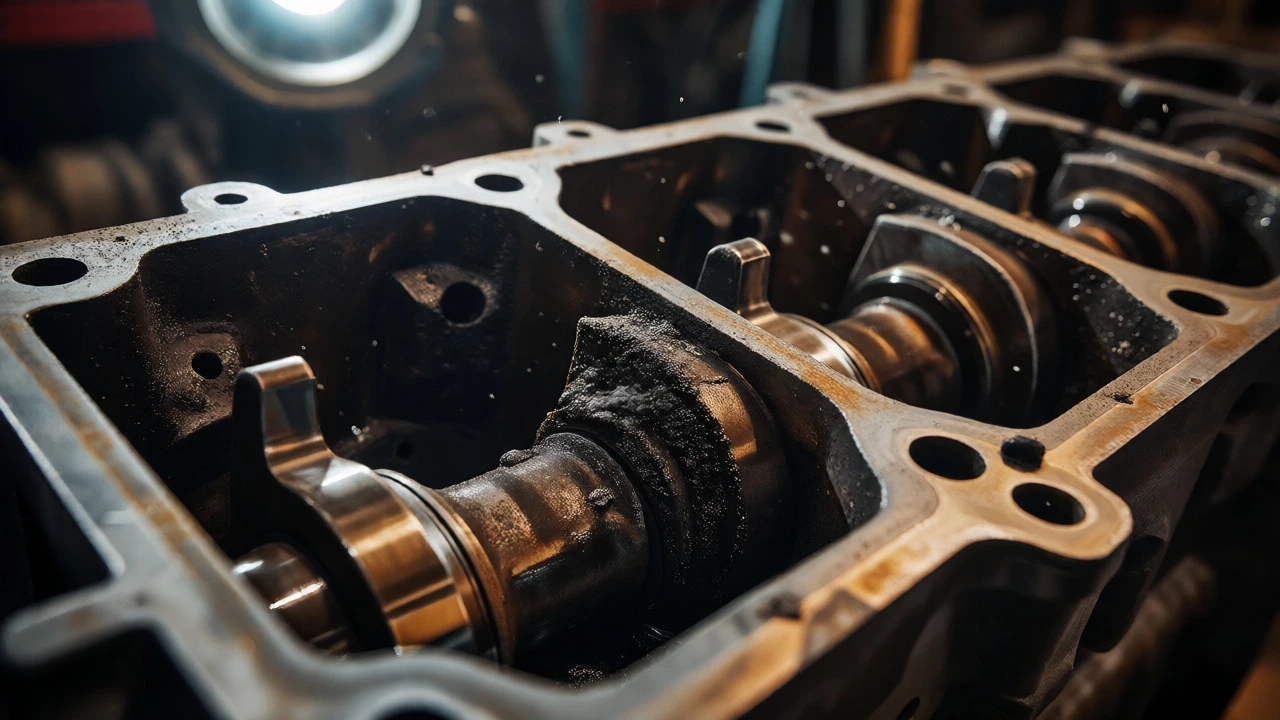
There is a dangerous misconception that synthetic oil cleans up an engine. While it does resist sludge formation better than conventional oil, it is not a magic eraser for existing deposits. If your high-mileage truck has never had its oil changed regularly and has significant sludge buildup, switching abruptly to full synthetic can be risky.
Synthetics have strong cleaning agents. When introduced into a dirty engine, they can loosen large chunks of sludge that have been sitting quietly for years. These dislodged particles can clog oil pickup screens and narrow oil galleries, starving the engine of lubrication. In severe cases, this leads to catastrophic bearing failure. For engines with heavy sludge, a gradual transition using a high-detergent conventional oil or a specialized flushing product is often safer before moving to full synthetic.
Cost-Benefit Analysis for Low-Mileage Drivers
Full synthetic oil costs significantly more per quart than conventional options. If you drive less than 5,000 miles a year, do you really need the extended drain intervals that synthetics offer? Conventional oil breaks down over time due to oxidation, regardless of mileage. Most manufacturers recommend changing conventional oil every 3,000 to 5,000 miles or six months, whichever comes first.
If you only drive 2,000 miles a year, you’ll likely change the oil based on time anyway. Paying double for synthetic oil that you’ll discard after six months offers little financial benefit. In this scenario, a quality conventional oil meets all the necessary specifications for your engine. Save the synthetic upgrade for vehicles that see heavy highway miles where the thermal stability and longer drain intervals (up to 7,500-10,000 miles) actually save you money and hassle.
Specific Engine Designs and Manufacturer Recommendations
Some engines are simply designed around conventional oil parameters. Certain diesel engines used in industrial applications or older agricultural equipment may specify non-synthetic fluids due to fuel dilution rates and soot handling capabilities. While most modern diesels require synthetic blends, always check the owner’s manual. If the manufacturer explicitly states "API SN" or similar standards without specifying synthetic, and you operate under light loads, conventional oil is sufficient.
Additionally, consider two-stroke engines in chainsaws or small marine motors. These often use specific two-stroke oils mixed with fuel, which are distinct from four-stroke motor oils. Do not confuse automotive full synthetic motor oil with two-stroke synthetic blends unless the product label explicitly confirms compatibility.

Comparison: When to Choose What
| Scenario | Recommended Oil Type | Reasoning |
|---|---|---|
| New Car (Post-2010) | Full Synthetic | Manufacturer requirement; maximizes efficiency and longevity. |
| Classic Car (Pre-1980) | Conventional or Blend | Preserves old rubber seals; provides ZDDP for flat-tappet cams. |
| Rebuilt Engine (Break-in) | Break-in Oil/Conventional | Allows proper ring seating and camshaft wear-in. |
| Heavy Sludge Build-up | Conventional/Flush | Avoids dislodging large debris that can clog pickups. |
| Low Mileage (<5k/year) | Conventional | Cost-effective; time-based changes negate synthetic benefits. |
How to Transition Safely
If you decide that your older or high-mileage vehicle can handle full synthetic, don’t just dump it in cold turkey if there’s visible dirt. Consider a transitional approach. Run a high-mileage formula (which is usually a synthetic blend with extra seal conditioners) for one cycle. Monitor for leaks. If none appear, you can move to full synthetic. Always ensure the viscosity grade matches your climate and engine needs, such as 5W-30 or 10W-40, as specified by the manufacturer.
Can I mix synthetic and conventional oil?
Yes, you can mix them. They are compatible. However, mixing reduces the performance benefits of the synthetic, essentially turning it into a lower-grade blend. It is safe for emergency top-offs but not ideal for long-term performance.
Does synthetic oil leak more than conventional?
Synthetic oil itself doesn't cause leaks, but its smaller molecules and stronger detergents can highlight existing weaknesses in old seals. If seals are healthy, synthetic will not leak. If seals are brittle, synthetic may expose the problem sooner.
Is synthetic oil bad for turbocharged engines?
No, it is actually preferred. Turbochargers run extremely hot, and synthetic oil resists thermal breakdown much better than conventional oil, preventing carbon coking in the turbo bearings.
What is ZDDP and why does it matter?
Zinc Dialkyldithiophosphate (ZDDP) is an anti-wear additive. Modern emission-friendly oils reduce ZDDP to protect catalytic converters. Older engines, especially those with flat-tappet cams, need higher ZDDP levels to prevent camshaft wear.
Can I switch back to conventional after using synthetic?
Yes, you can switch back at any time. There is no penalty for going back to conventional oil. Just ensure you follow the shorter drain intervals required for conventional oil.