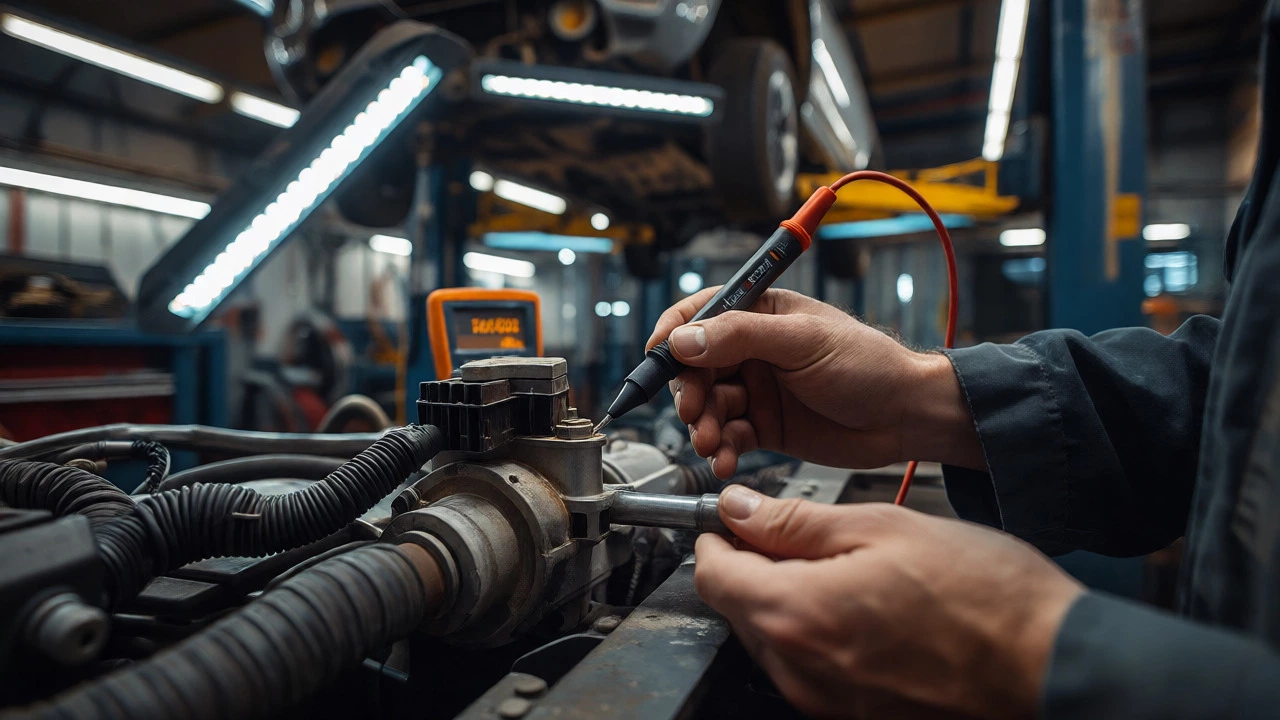
Fuel Pump Diagnostic Assistant
Select the symptoms you are experiencing to receive a diagnostic recommendation.
Step 1: Select Symptoms
Step 2: Vehicle Context
Diagnostic Result
Confidence: --Likely Cause
--
Recommended Action
--
Detected Symptoms
You are driving down the motorway, the engine is humming along nicely, and suddenly it stutters. The power drops, the car feels sluggish, and maybe it even cuts out completely. You check the dashboard, but no warning lights are flashing. This is the classic signature of a struggling fuel pump. It is one of those components that rarely gives you a polite heads-up before it quits on you. But does this mean you need to rush to the garage and pay for a full replacement immediately? Not necessarily.
Before you spend hundreds of pounds, let’s look at what actually helps a bad fuel pump. Sometimes, the issue isn’t mechanical failure but contamination or electrical gremlins. Other times, it is truly dead and needs swapping. Here is how to diagnose it, what temporary fixes might buy you time, and when you absolutely must replace it.
Key Takeaways
- Diagnose first: Check fuel pressure and listen for the pump hum before buying parts.
- Additives have limits: They can clean clogged filters but won't fix a burnt-out motor.
- Check the basics: A blown fuse or faulty relay is often mistaken for a dead pump.
- Temporary fixes exist: Tapping the tank or using high-octane fuel can help in emergencies.
- Replacement is key: If the pump fails under load, replacement is the only permanent solution.
Is It Really the Fuel Pump?
First things first: don’t blame the pump until you’ve ruled out everything else. A fuel pump is an electric component inside your fuel tank responsible for pushing gasoline from the tank to the engine injectors. When it starts to fail, it doesn’t always stop working entirely; it just loses efficiency.
Common symptoms include sputtering at high speeds, difficulty starting (especially when hot), and a noticeable loss of power while climbing hills. However, these same symptoms can point to dirty fuel injectors, a clogged fuel filter, or even a failing mass airflow sensor. So, how do you know if it’s the pump?
Listen closely. When you turn the ignition key to the 'on' position (but don’t start the engine yet), you should hear a faint two-second hum from the rear of the car. That is the priming sequence. No sound? The pump might be dead, or its power supply is cut. If you hear a whining noise that gets louder as you accelerate, the pump is struggling against resistance, likely due to a clogged filter or internal wear.
The Role of Fuel Quality and Additives
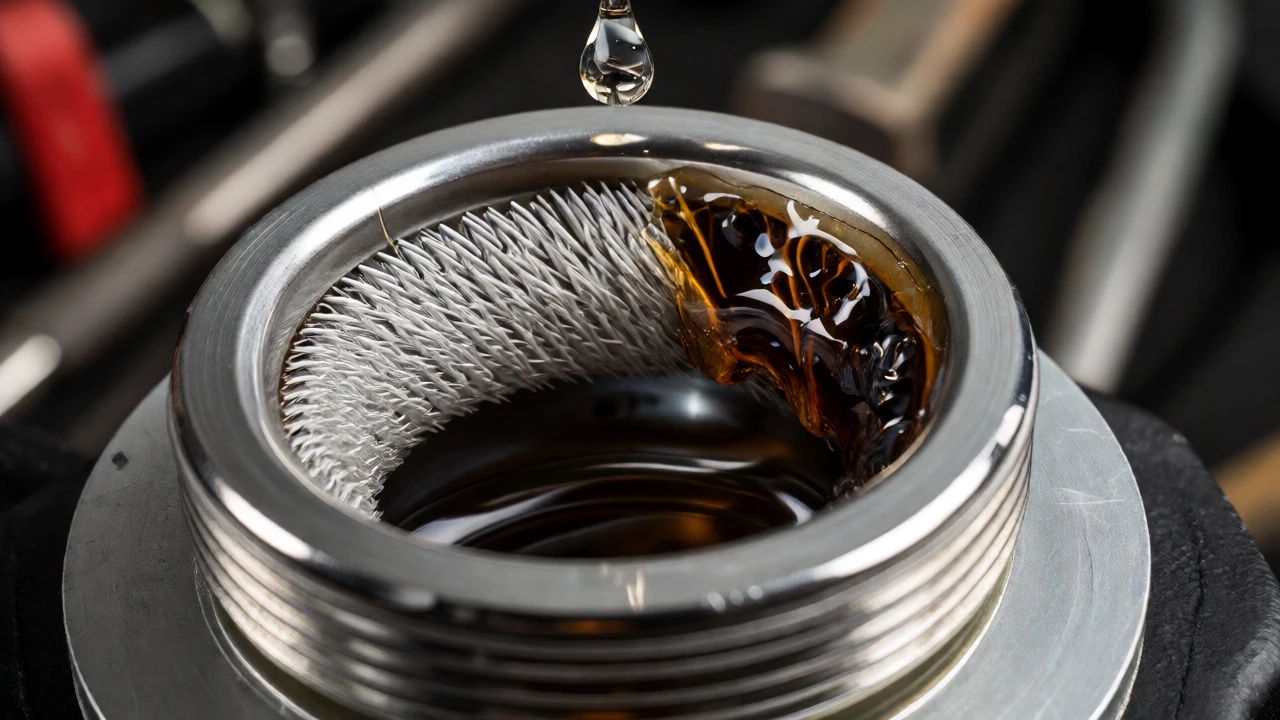
Modern engines are incredibly sensitive to fuel quality. Ethanol-blended fuels, which are standard in the UK now, can attract moisture. Over time, this moisture causes corrosion inside the fuel tank and the pump assembly itself. This debris then travels to the fuel filter and eventually clogs the tiny mesh screen on the pump inlet.
This is where fuel system cleaners come into play. Products like Techron, STP Ultra 5-in-1, or Red Line SI-1 are designed to dissolve varnish and gum deposits that build up over thousands of miles. Do they work? Yes, but with caveats.
If your pump is merely clogged by sediment, a strong cleaner can restore flow. Pouring a bottle into a near-empty tank, followed by filling up, creates a higher concentration of cleaning agents. However, if the electric motor inside the pump has burned out or the impeller blades are worn down, no amount of additive will bring it back to life. Think of additives as medicine for congestion, not surgery for a broken bone.
| Symptom | Likely Cause | Helpful Action | Effectiveness |
|---|---|---|---|
| Car starts hard when hot | Vapor lock or weak pump | Use high-octane fuel; cool down | Low (Temporary) |
| Whining noise from tank | Clogged filter or worn bearings | Fuel system cleaner | Medium (If clogged) |
| Noise absent on ignition | Dead pump, fuse, or relay | Check fuses/relays first | High (If electrical) |
| Engine stalls at idle | Contaminated fuel/water | Drain tank; add ethanol remover | Medium |
| Loss of power uphill | Pump cannot maintain pressure | Replace pump | Only Solution |
Electrical Checks Before Buying Parts
One of the most frustrating scenarios for any DIY mechanic is replacing a £150 fuel pump only to find the problem was a £5 relay. Fuel pumps draw significant current, so they rely on robust electrical connections. Corrosion in the connector plug, especially in older cars exposed to road salt, can increase resistance. This starves the pump of voltage, causing it to run slow and overheat.
Grab a multimeter. Check the voltage at the pump connector while cranking the engine. It should be close to battery voltage (around 12V). If you see 9V or less, you have a wiring or ground issue, not a bad pump. Also, inspect the fuel pump relay. Swap it with an identical relay from another circuit (like the horn or AC) to see if the behavior changes. It is a free test that saves money.
Can You Fix a Failing Pump Temporarily?
Sometimes you are stranded, or you need to get the car home before ordering parts. Are there tricks to keep a dying pump running? There are a few anecdotal methods, though none are guaranteed.
The Tap Method: Some mechanics swear by lightly tapping the side of the fuel tank with a rubber mallet while someone turns the ignition. The theory is that this dislodges stuck vanes or brushes inside the motor. It works occasionally on older mechanical-style pumps or specific electric models where carbon brushes stick. Don’t hit it too hard-you could crack the plastic tank or damage the sending unit.
High-Octane Fuel: Using premium unleaded (98 octane) can sometimes help engines that are suffering from pre-ignition caused by lean mixtures from a weak pump. While it doesn’t fix the pump, it stabilizes combustion, potentially keeping the car running smoothly enough to reach a workshop.
Keep the Tank Full: This is crucial. Fuel acts as a coolant for the electric pump. If you drive on empty, the pump sucks in air and overheats. Keeping the tank above half-full ensures the pump stays submerged and cool, extending its remaining lifespan significantly.

When Replacement Is Unavoidable
If you have checked the fuses, cleaned the filter, tried additives, and the car still stalls under load, the pump is done. Modern fuel pumps are sealed units. You cannot open them up and repair the motor. Once the internal components degrade, replacement is the only option.
When replacing, consider doing the whole fuel pump assembly. This includes the pump, the sender unit (which tells your gauge how much fuel you have), and the strainer sock. Replacing just the pump without the filter or sender often leads to repeat failures because the old filter restricts flow to the new pump.
In the UK, labour costs for accessing the pump vary wildly. In some cars, it is under the rear seat (easy). In others, it requires dropping the entire fuel tank (expensive). Always ask your mechanic for a quote on both parts and labour separately. Sometimes, buying an OEM part from a specialist supplier like Euro Car Parts or GSF Car Parts is cheaper than letting the dealership source it.
Preventing Future Failures
You cannot prevent every pump failure, but you can reduce the risk. Avoid running your tank below a quarter full regularly. This prevents sediment from being sucked into the pump and keeps the unit cool. Use reputable fuel stations; inconsistent fuel quality accelerates wear.
Also, consider installing an inline fuel filter if your car doesn’t have one, or changing the existing one every 30,000 to 40,000 miles. Clean fuel means a happy pump. And remember, if you hear that whine getting louder, address it early. A noisy pump is a dying pump, and catching it before it seizes can save you a tow truck bill.
Frequently Asked Questions
How long does a fuel pump usually last?
Most modern electric fuel pumps are designed to last between 100,000 and 150,000 miles. However, poor maintenance, such as frequently running on empty or using contaminated fuel, can reduce this lifespan to under 50,000 miles.
Can I drive with a bad fuel pump?
You can drive short distances if the car still runs, but it is risky. A failing pump may cut out unexpectedly, leaving you stranded in traffic. Furthermore, driving with a weak pump forces the engine to run lean, which can cause overheating and damage to catalytic converters over time.
Do fuel pump additives really work?
They work for cleaning purposes, not repairs. If your pump is clogged with varnish or gum from old fuel, an additive can clear the blockage and improve flow. If the electric motor is burnt out or the bearings are shot, additives will have zero effect.
Why does my car stall when the tank is nearly empty?
This is often due to fuel sloshing. When the tank is low, the pump intake can suck in air instead of fuel, especially during cornering or braking. Additionally, sediment settles at the bottom of the tank; when fuel levels drop, this debris is drawn into the pump, clogging the filter and reducing pressure.
How much does it cost to replace a fuel pump in the UK?
Parts typically range from £60 to £200 depending on the vehicle make. Labour costs vary significantly based on accessibility. For easy-access models, expect £100-£200 for labour. For models requiring tank removal, labour can exceed £300. Total costs often fall between £200 and £500.