Brake Pad Cost Estimator & DIY Savings Calculator
Configuration
Estimated Results
Front Axle OnlyProfessional Breakdown
That high-pitched squeal when you hit the brakes is never a pleasant sound. It’s your car’s way of screaming that it needs attention. But before you panic about a massive bill, you need to know what you’re actually paying for. The short answer? Changing brake pads costs between $150 and $400 per axle at a professional shop. However, if you do it yourself, you can slash that price by more than half.
The final number on your receipt depends heavily on three things: the type of vehicle you drive, the quality of the parts you choose, and who is doing the work. A compact sedan will cost significantly less to service than a heavy-duty SUV or a luxury sports car. Let’s break down exactly where your money goes so you aren’t blindsided by hidden fees.
Breaking Down the Professional Repair Bill
When you take your car to a mechanic, the invoice usually splits into two main buckets: parts and labor. Understanding this split helps you negotiate or compare quotes effectively.
Labor costs are the fee charged by mechanics for their time and expertise to remove wheels, disassemble calipers, replace pads, and reassemble everything safely. In 2026, average hourly rates for independent mechanics range from $80 to $150, while dealership service departments often charge $120 to $200+ per hour. A standard brake pad job typically takes one to two hours. So, expect to pay roughly $100 to $300 just for the labor portion.
Parts pricing varies wildly based on material. You generally have three choices:
- Semi-Metallic Pads: These are the budget-friendly option, costing $30 to $60 per axle. They stop well but can be noisy and produce more dust.
- Ceramic Pads: The mid-range choice at $60 to $100 per axle. They are quieter, last longer, and produce less dust, making them ideal for daily drivers.
- Carbon-Ceramic Pads: Reserved for high-performance cars, these can cost $200+ per axle. Unless you own a Porsche or Ferrari, you probably don’t need these.
Add in a small fee for shop supplies (brake cleaner, lubricant) and disposal, and you get that total range of $150 to $400. If you’re driving a luxury brand like BMW or Mercedes, add another 20-30% because their parts are proprietary and harder to source.
Can You Save Money by Doing It Yourself?
If you have a driveway, a jack, some basic tools, and a bit of confidence, changing brake pads is one of the most accessible DIY automotive repairs. You don’t need to be a master mechanic; you just need to follow instructions carefully.
Here is the math. A set of quality ceramic brake pads costs about $50 to $80 online. You’ll also need brake fluid ($10), brake grease/lubricant ($10), and maybe new hardware clips ($15). Your total parts cost sits around $75 to $115 for all four corners or even just one axle depending on how many sets you buy. That is a savings of $100 to $300 compared to going to a shop.
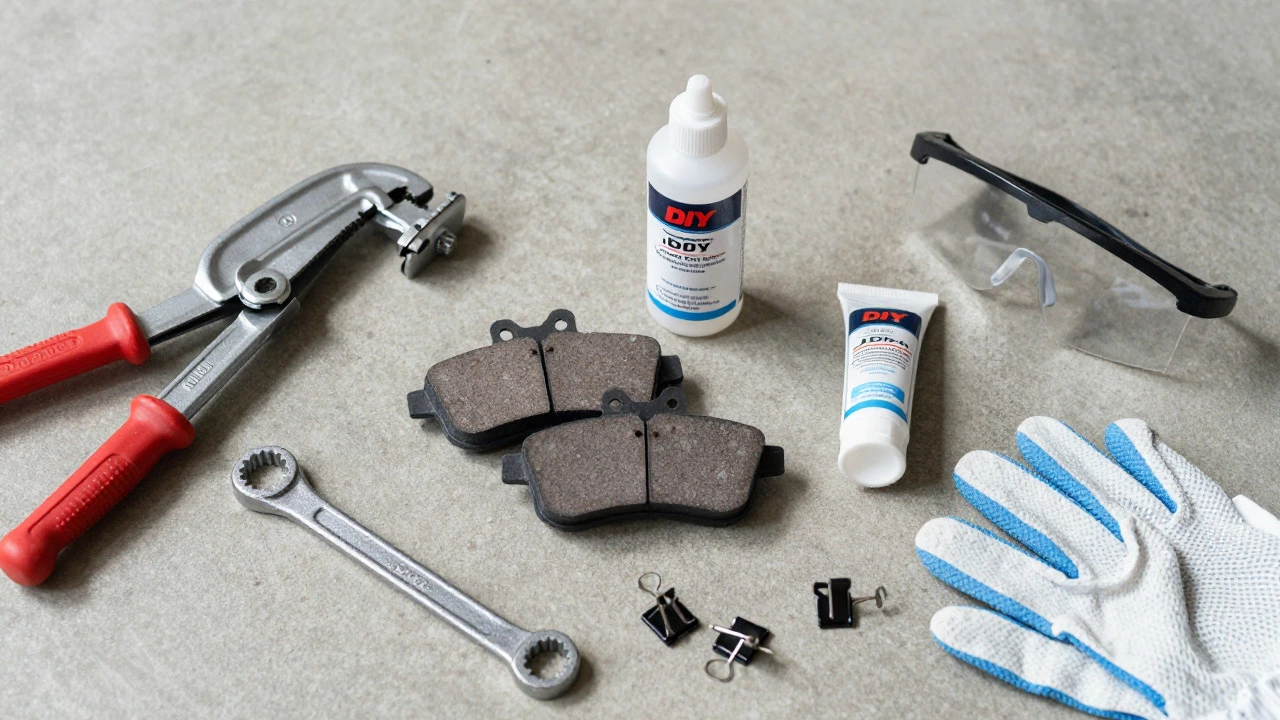
The biggest hurdle isn’t the skill-it’s the equipment. You need:
- A floor jack and jack stands (never rely solely on a jack).
- Lug wrench or impact driver.
- C-clamp or piston tool to push the caliper pistons back in.
- Gloves and safety glasses.
If you already own these tools, the ROI is immediate. If you have to buy them all, it might take two jobs to break even. Still, having a basic toolkit pays off for tire rotations and other minor maintenance.
Hidden Costs: When Brake Jobs Get Expensive
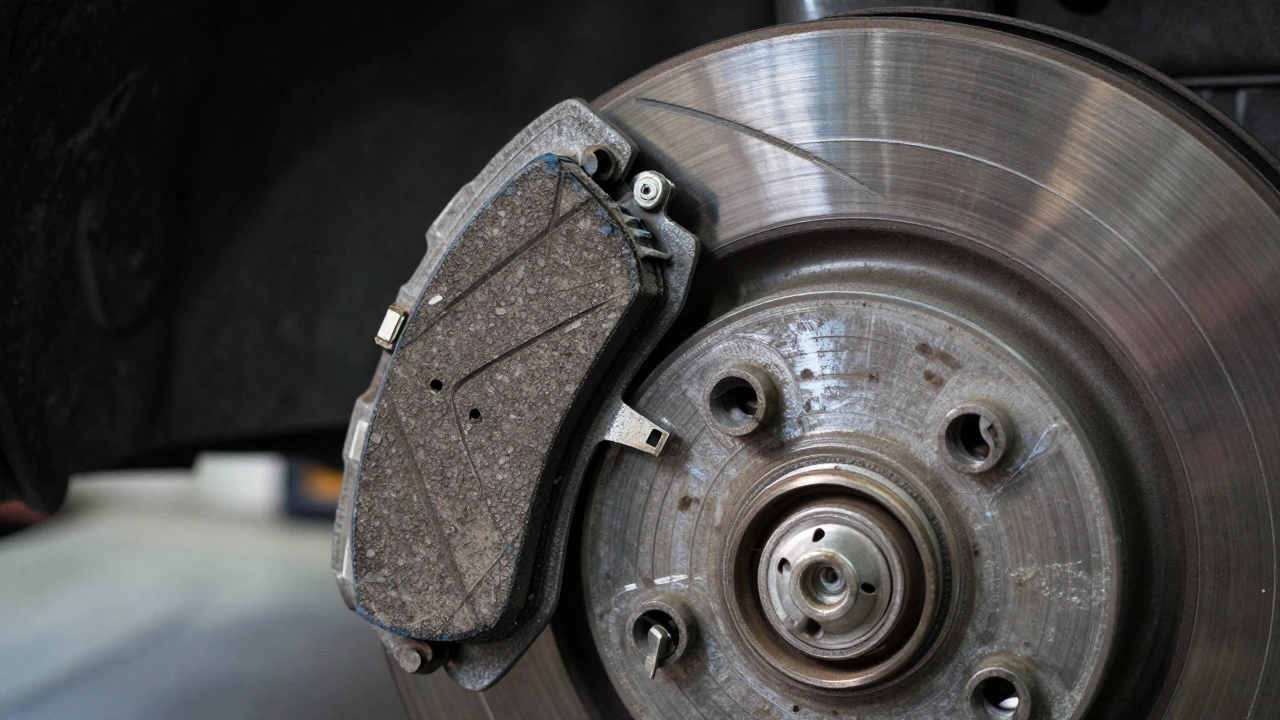
Sometimes, you go in for pads and come out with a bill for rotors too. Why? Because brake rotors wear down alongside pads. If your rotors are thin, warped, or deeply grooved, putting new pads on old rotors is a waste of money. The new pads won’t seat properly, leading to vibration and reduced stopping power.
Rotor replacement adds significant cost to a brake job, typically ranging from $150 to $300 per axle including parts and labor. Many shops offer a "brake special" that includes pads, rotor resurfacing (if possible), and labor for a flat rate. Always ask if the quote includes inspection of the rotors. If the mechanic says your rotors need replacing, ask to see them. Deep blueing (from overheating) or deep scoring means they must go.
Another hidden cost is the ABS sensor or caliper slide pins. If your car has high mileage, the calipers might be stuck. Freeing them up requires cleaning and greasing, which takes extra labor time. In rare cases, a seized caliper needs replacing, adding $100-$200 to the bill.
Vehicle Type Matters More Than You Think
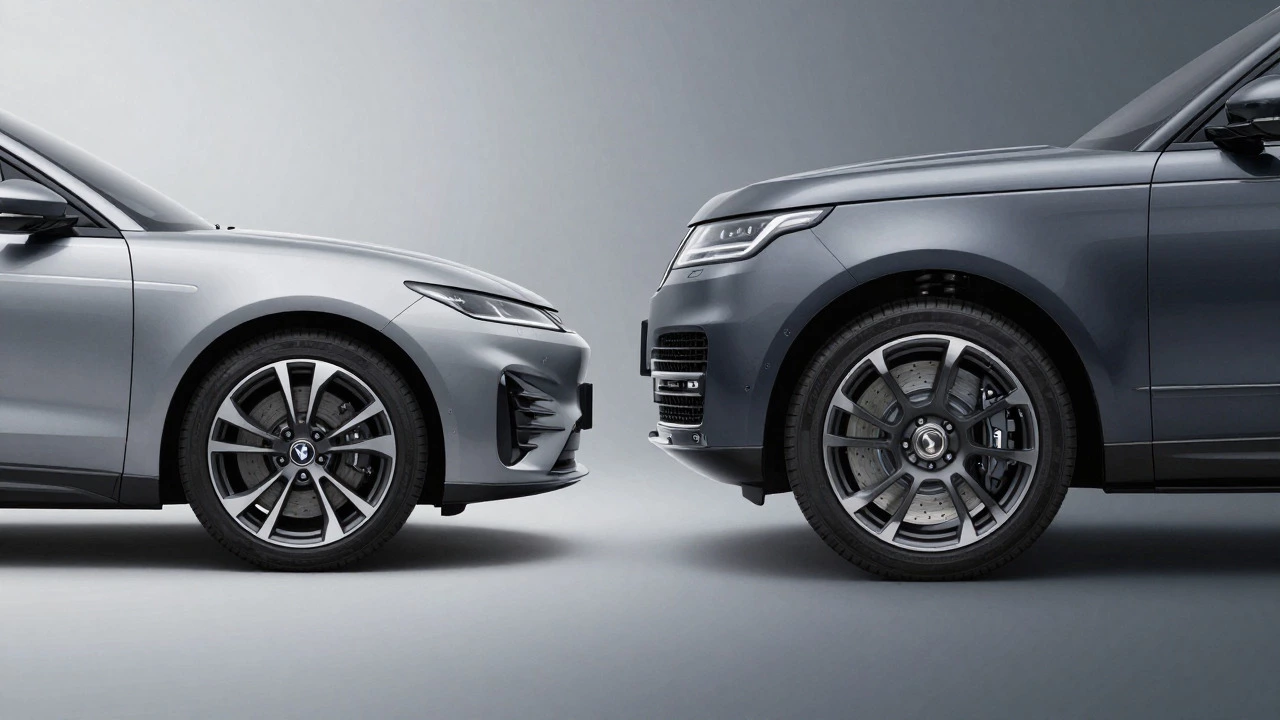
Your car’s weight and performance requirements dictate the complexity of the brake job. Here is a quick comparison table to show how prices vary across common vehicle types in 2026.
| Vehicle Type | Est. Parts Cost | Est. Labor Cost | Total Estimate |
|---|---|---|---|
| Compact Sedan (e.g., Honda Civic) | $40 - $70 | $80 - $120 | $120 - $190 |
| Midsized SUV (e.g., Toyota RAV4) | $60 - $100 | $100 - $150 | $160 - $250 |
| Full-Size Truck (e.g., Ford F-150) | $80 - $130 | $120 - $180 | $200 - $310 |
| Luxury Vehicle (e.g., Audi A4) | $100 - $180 | $150 - $250 | $250 - $430 |
Notice the jump for luxury vehicles? It’s not just the brand name. Cars like Audis and BMWs often use larger, ventilated rotors and require specific torque specs and electronic brake system resets via diagnostic software. That tech fee drives the labor cost up.
DIY vs. Pro: Which Is Right For You?
Choosing between DIY and professional service comes down to risk tolerance and convenience. Brakes are a safety-critical system. One mistake-like forgetting to bleed the brakes or cross-threading a bolt-can lead to catastrophic failure.
Go DIY if:
- You have access to a reliable repair manual or trusted video guide for your specific model.
- You have a safe, level workspace.
- You are comfortable with mechanical tasks and understand torque specifications.
- You want to save $100+ and enjoy the satisfaction of fixing your own car.
Go to a Pro if:
- You live in an apartment without garage space.
- Your car has complex suspension components blocking access to the brakes.
- You want a warranty on the workmanship (most shops offer 12 months/12,000 miles).
- You value your time over saving money.
Signs You Need Brake Pads Soon
Don’t wait until the metal-on-metal grinding starts. By then, you’ve likely damaged your rotors, increasing the cost. Watch for these early warning signs:
- Squealing: Most modern pads have wear indicators-a small metal tab that touches the rotor when the pad is thin, creating a high-pitched noise.
- Vibration: If the steering wheel shakes when braking, your rotors are likely warped.
- Pulling: If the car pulls to one side, a caliper might be sticking, causing uneven wear.
- Visual Check: Look through your wheel spokes. If the friction material on the pad looks thinner than a quarter-inch (or about 3mm), it’s time to schedule a replacement.
Frequently Asked Questions
How much does it cost to change brake pads on all four wheels?
Changing brake pads on all four wheels typically costs between $300 and $800 at a professional shop. This includes parts and labor for both the front and rear axles. Since front brakes handle about 70% of the stopping force, they wear out faster and may need replacement more often than the rear pads.
Do I need to replace rotors every time I change brake pads?
Not necessarily. Rotors should be inspected during every brake job. If they meet the manufacturer's minimum thickness specification and are free of deep grooves or warping, they can be reused. However, if they are close to the wear limit, replacing them proactively prevents future issues and ensures optimal braking performance.
Is it cheaper to change brake pads myself?
Yes, DIY brake pad replacement is significantly cheaper. You can save $100 to $300 per axle by avoiding labor costs. The main expenses are the parts themselves ($50-$100 for quality pads) and any necessary tools if you don't already own them. The savings are substantial if you have the basic equipment and confidence to perform the task safely.
What is the difference between ceramic and semi-metallic brake pads?
Ceramic brake pads are quieter, produce less dust, and last longer, making them ideal for daily commuting. They cost slightly more upfront. Semi-metallic pads are cheaper and offer better initial bite, which is good for towing or aggressive driving, but they tend to be noisier and wear down rotors faster due to their abrasive nature.
How long do new brake pads last?
On average, brake pads last between 30,000 and 70,000 miles. This varies greatly depending on driving habits. City driving with frequent stops wears pads faster than highway cruising. Aggressive driving and carrying heavy loads also reduce lifespan. Regular inspections can help you predict when they will need replacement.
Why is my brake job quote so high?
High quotes often result from dealership labor rates, premium OEM parts, or additional necessary repairs like rotor replacement or caliper servicing. Luxury vehicles also incur higher costs due to specialized tools and software requirements. Always ask for a detailed breakdown of parts and labor to understand exactly what you are paying for.