
Fuel Pump Failure Risk & Cost Calculator
Select Your Symptoms
Click on the symptoms you are experiencing (select all that apply):
Quick Reference Guide
| Symptom | Risk Level |
|---|---|
| Loud whining | Medium |
| Engine sputtering | High |
| Stalls at idle | Very High |
| Hard starting | Critical |
| Loss of power | High |
Analysis Results
Failure Risk Assessment:
Estimated Repair Cost:
Next Steps:
- -
Imagine you’re sitting in your car, ready to head out for a busy day. You turn the key, but instead of that familiar rumble, you get silence-or worse, a loud whine followed by nothing. It’s frustrating, expensive, and often happens without warning. This is what it feels like when your fuel pump is a critical component responsible for delivering pressurized fuel from the tank to the engine. Also known as the electric fuel pump, this part works tirelessly behind the scenes. When it starts failing, it doesn’t just stop working overnight; it gives you clues.
Most drivers ignore these early warnings until the car leaves them stranded on the side of the road. By then, the repair bill is higher because the tow truck has arrived. Recognizing the symptoms early can save you hundreds of pounds and a lot of stress. Let’s look at exactly what happens when this vital part begins to fail, so you can spot the trouble before it becomes a crisis.
The Warning Noises: Whining, Humming, or Grinding
The first sign that something is wrong with your fuel system is usually sound. The fuel pump sits inside the fuel tank, submerged in gasoline, which helps keep it cool and lubricated. Under normal conditions, you might hear a faint hum when you first turn the ignition key, lasting about two seconds. That’s the pump priming the system. But if that sound changes, pay attention.
- Loud Whining: If you hear a high-pitched whine coming from the rear of the vehicle (where the tank is), the pump motor may be struggling. This often means the impeller is worn out or there is debris clogging the intake filter.
- Grinding Noise: A gritty, grinding sound suggests internal damage. The bearings inside the pump might be shot, or metal shards are circulating within the unit.
- Silence: Sometimes, the worst sign is no sound at all. If you turn the key and hear absolutely nothing from the back of the car, the pump has likely failed completely.
If you notice these noises, don’t wait. Driving with a failing pump can cause it to seize entirely, leaving you stuck. In Manchester, where traffic can be heavy during rush hour, being stranded near the M60 isn’t an option. Get it checked immediately.
Engine Sputtering and Loss of Power
As the fuel pump weakens, it can no longer maintain consistent pressure. Think of it like trying to drink a thick milkshake through a narrow straw-the flow becomes erratic. Your engine needs a steady stream of fuel to run smoothly. When the supply dips, the combustion process falters.
You’ll feel this as sputtering, especially when accelerating. You press the gas pedal, expecting the car to surge forward, but instead, it hesitates or stutters. This is particularly noticeable on hills or when merging onto faster roads. The engine control unit (ECU) detects the lean mixture (too much air, not enough fuel) and tries to compensate, but it can only do so much. If you ignore this, the engine may stall unexpectedly, which is dangerous in moving traffic.
| Symptom | Cause | Risk Level |
|---|---|---|
| Loud whining from rear | Worn motor or clogged filter | Medium |
| Engine sputtering | Inconsistent fuel pressure | High |
| Car stalls at idle | Low fuel delivery | Very High |
| Difficulty starting | Pump not priming | Critical |
| Loss of power under load | Insufficient fuel volume | High |
Stalling at Idle or Low Speeds
When the fuel pump is on its last legs, it often struggles most when the demand is lowest-like when you’re stopped at a red light. It seems counterintuitive, right? You’d think the engine would struggle more when you’re going fast. But here’s the thing: at idle, the engine relies on precise, low-volume fuel delivery. If the pump can’t maintain even that minimal pressure, the engine dies.
This stalling can happen suddenly. One moment you’re waiting for the light to change, and the next, the engine cuts out. Restarting might work temporarily, but it will likely happen again soon. This symptom is often confused with issues related to the idle air control valve or mass airflow sensor. However, if you’ve recently replaced those parts and the problem persists, the fuel pump is the prime suspect.
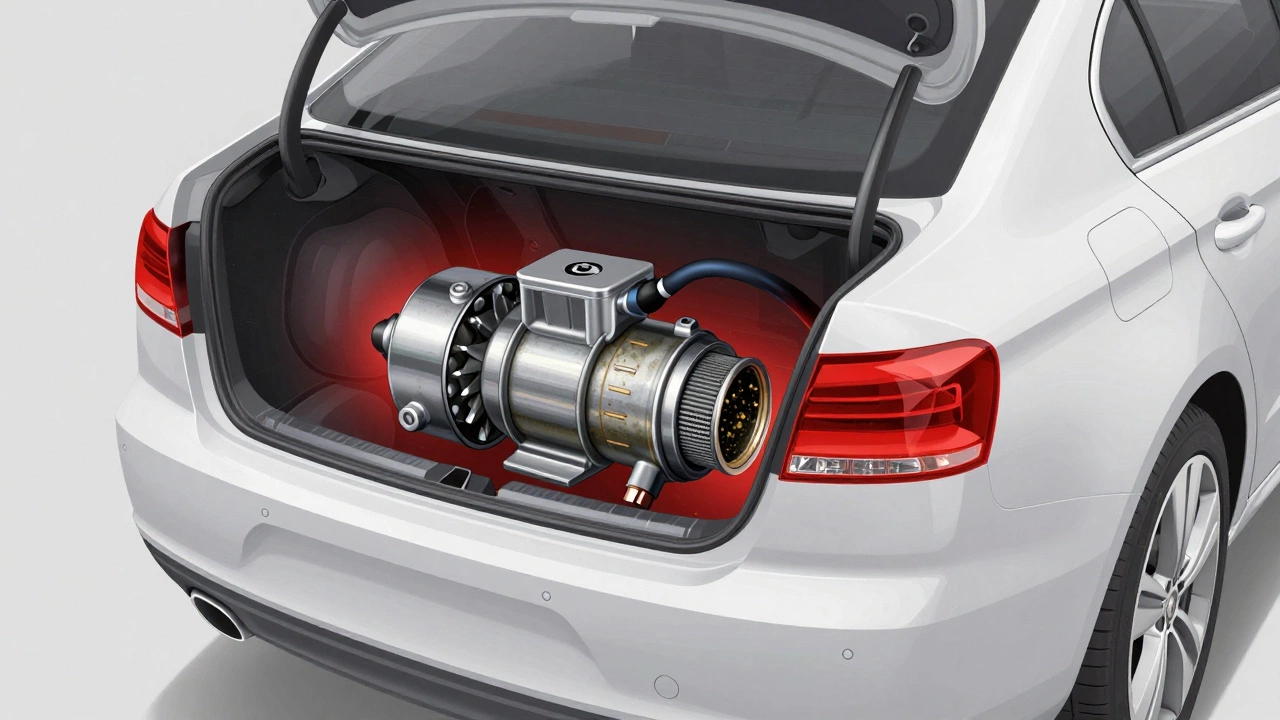
Difficulty Starting the Engine
A healthy fuel pump primes the system every time you turn the key. You should hear that brief hum. If the pump is weak, it takes longer to build up enough pressure to ignite the fuel-air mixture. You’ll find yourself cranking the engine for several seconds, sometimes even ten seconds or more, before it catches.
This is especially common in the morning when the car has been sitting overnight. As the pump ages, its ability to generate initial pressure diminishes. If you have to crank repeatedly to start the car, check your fuel pressure. A multimeter and a fuel pressure gauge are essential tools for diagnosing this issue. If the pressure drops below the manufacturer’s specification (usually around 35-45 PSI for many modern cars), the pump needs replacement.
Surging While Driving
Surging is another tricky symptom. It feels like the car is accelerating on its own, then slowing down, without you touching the pedals. This happens when the fuel pump intermittently loses pressure and then recovers. The ECU senses the fluctuation and adjusts the throttle, creating that jerky feeling.
This is dangerous because it reduces your control over the vehicle. On a dual carriageway or a busy city street, surging can lead to accidents. It’s often mistaken for transmission problems, but if the transmission shifts normally and the RPMs stay stable while the speed fluctuates, the issue is likely fuel-related.

Why Does the Fuel Pump Fail?
Fuel pumps don’t usually fail without reason. Several factors contribute to their premature death:
- Running on Empty: Gasoline cools and lubricates the pump. When the tank is low, the pump is exposed to heat and runs dry, causing wear. Try to keep your tank above a quarter full.
- Dirt and Debris: Over time, rust and sediment from the bottom of the tank can clog the pump’s inlet screen. Regular fuel filter changes help prevent this.
- Electrical Issues: Corroded wiring connectors or a faulty relay can starve the pump of power, leading to overheating and burnout.
- Age and Wear: Most fuel pumps last between 80,000 and 100,000 miles. If your car is older and hasn’t had the pump replaced, it’s due for inspection.
Diagnosing the Problem Yourself
Before heading to a mechanic, you can perform a few checks to confirm the fuel pump is the culprit. First, locate the fuel pump module, usually accessible through the trunk or under the rear seat. Listen for the humming sound when you turn the key. If it’s silent, tap the top of the pump gently with a hammer handle. Sometimes, this dislodges a stuck impeller, allowing the pump to run temporarily. If the car starts after tapping, the pump is definitely failing.
Next, use a fuel pressure gauge. Connect it to the test port on the fuel rail. Start the engine and observe the pressure. Compare it to the specifications in your owner’s manual. If the pressure is low or drops rapidly when the engine is off, the pump or the fuel pressure regulator is at fault.
How much does it cost to replace a fuel pump?
The cost varies depending on the vehicle make and model. For a standard family car, expect to pay between £200 and £400 including labor. Luxury brands or vehicles with complex access points (like some SUVs requiring tank removal) can cost upwards of £600. Independent mechanics in Manchester often charge less than dealerships, saving you up to 30%.
Can I drive my car with a failing fuel pump?
It is not recommended. Driving with a failing pump risks complete breakdown, potentially leaving you stranded in unsafe locations. Additionally, inconsistent fuel delivery can damage the engine injectors and catalytic converter, leading to more expensive repairs later.
How long does a fuel pump last?
On average, a fuel pump lasts between 80,000 and 100,000 miles. However, this lifespan depends heavily on driving habits. Frequently running the tank low, driving in dusty conditions, or using poor-quality fuel can shorten its life significantly.
Is a noisy fuel pump always a sign of failure?
Not necessarily. Some pumps are naturally louder than others. However, a sudden increase in noise, especially a whining or grinding sound, indicates wear or obstruction. If the noise is accompanied by performance issues like sputtering or hard starting, the pump is likely failing.
Should I replace the fuel filter when replacing the pump?
Yes, it is highly advisable. A clogged fuel filter forces the pump to work harder, contributing to its failure. Replacing both components ensures optimal fuel flow and prevents the new pump from suffering the same fate prematurely.