Suspension Noise Diagnostic Tool
Result
Recommended Action:
Select the noise type and timing to see potential causes and fixes.
You’re driving along a smooth stretch of road, windows down, when suddenly-clunk. Or maybe it’s a high-pitched squeak every time you hit a speed bump. If your car has started talking to you in grunts and groans, it’s usually not complaining about your music choice. It’s telling you something under the chassis is wearing out.
Suspension systems are complex networks of springs, shocks, struts, and rubber bushings that keep your tires on the ground and your ride comfortable. When they start making noise, it’s rarely random. Most drivers will encounter one of three specific sounds: knocking, squeaking, or grinding. Identifying which one you hear can save you hundreds in unnecessary repairs-or prevent a small issue from becoming a major safety hazard.
Quick Summary / Key Takeaways
- Clunking/Knocking: Usually indicates loose components like ball joints, control arm bushings, or worn shock absorbers hitting their limits.
- Squeaking/Squealing: Often points to dry rubber bushings, lack of lubrication in strut mounts, or brake pad wear indicators touching rotors.
- Grinding/Rumbling: Typically signals failing wheel bearings, severe tire unevenness, or metal-on-metal contact in worn suspension arms.
- Diagnosis Tip: Note when the noise happens (turning, braking, bumps) to pinpoint the faulty part.
The Clunk: When Metal Hits Metal
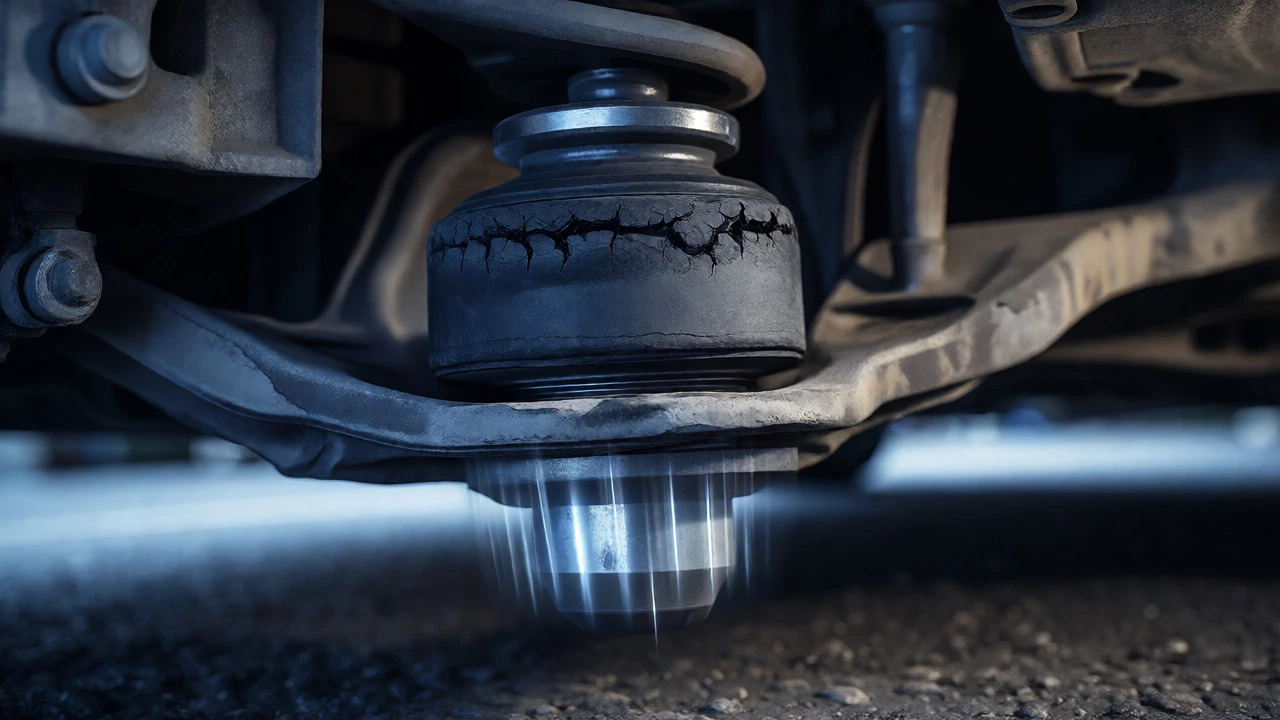
If you hear a distinct clunking noise a heavy, hollow sound often heard when going over bumps or turning, your first suspect should be loose or worn-out connection points. The suspension relies on joints to move freely while holding the wheels in place. When the grease dries up or the rubber boots tear, these joints get sloppy.
Think of your ball joints critical pivot points connecting the steering knuckle to the control arm. They allow your wheels to turn and move up and down. When a ball joint wears out, there’s too much play. Every time you hit a pothole, that excess movement causes metal parts to slam against each other. It’s not just annoying; it’s dangerous. A failed ball joint can cause the wheel to detach entirely at highway speeds.
Another common culprit for clunks is the control arm bushing rubber or polyurethane isolators that cushion the control arm's movement. These rubber donuts isolate the metal control arm from the vehicle frame. Over time, heat and ozone crack the rubber. Once cracked, the metal sleeve inside spins freely, creating a loud thud during acceleration, braking, or cornering. If you feel a slight vibration in the steering wheel alongside the clunk, check these bushings immediately.
The Squeak: Rubber Crying Out
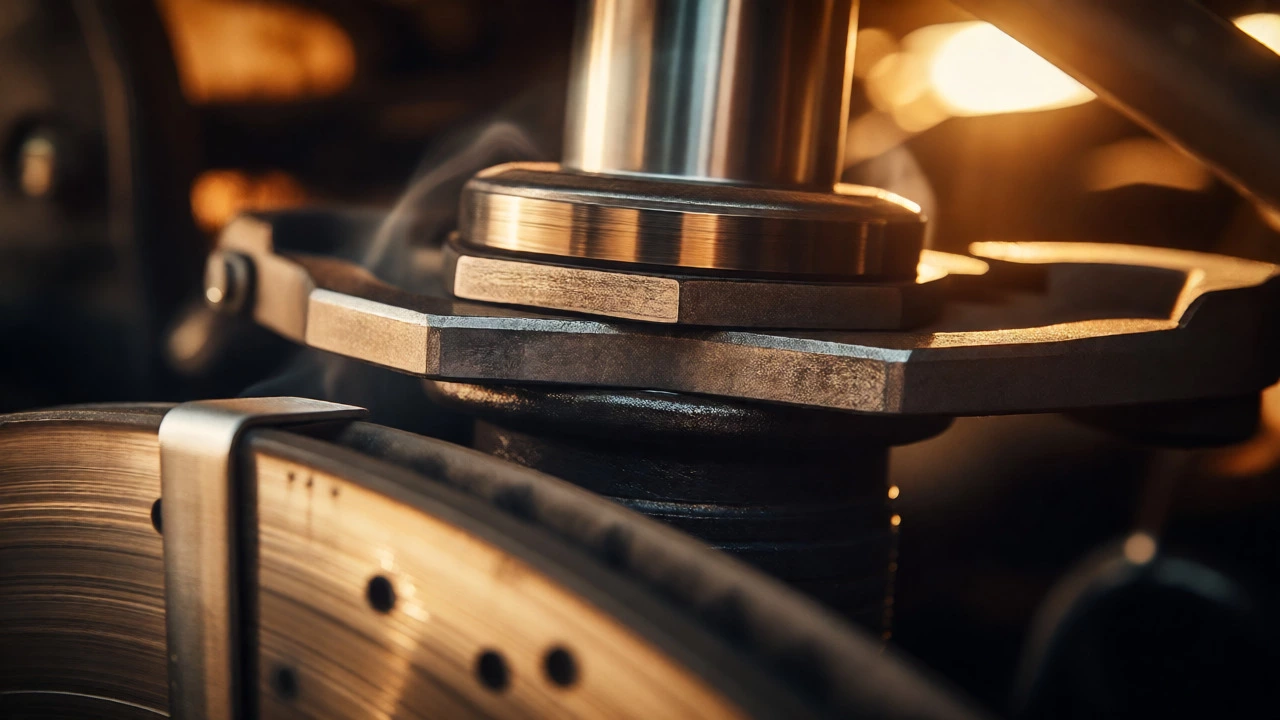
A high-pitched squeal is less alarming than a clunk but still needs attention. This noise usually means friction where there shouldn’t be any. The most frequent source? Dry strut mounts components that connect the top of the strut assembly to the vehicle body.
Your struts have a bearing plate at the top that allows them to rotate as you turn the steering wheel. If the grease inside this mount dries out, the metal plates grind against each other, producing a chirping sound whenever you turn the wheel at low speeds. You might also hear this if the dust boot covering the strut piston is torn, letting dirt into the mechanism.
Don’t overlook the brakes. Many modern cars use a thin metal tab called a wear indicator a small metal clip attached to brake pads that contacts the rotor when pads are low. When your brake pads get thin, this tab scrapes against the rotor, creating a constant squeal while driving. It stops when you apply the brakes because the pad presses firmly against the rotor. If you ignore this, you’ll eventually damage the rotor itself, turning a cheap pad replacement into a costly rotor-and-pad job.
| Noise Type | Likely Cause | When It Happens | Urgency Level |
|---|---|---|---|
| Clunking | Worn Ball Joints or Control Arm Bushings | Over bumps, turning, braking | High - Safety Risk |
| Squeaking | Dry Strut Mounts or Brake Wear Indicators | Turning, light braking | Medium - Comfort/Maintenance |
| Grinding | Failing Wheel Bearings or Tire Rubbing | Constant while moving, changes with turns | High - Component Failure |
The Grind: The Sound of Impending Failure
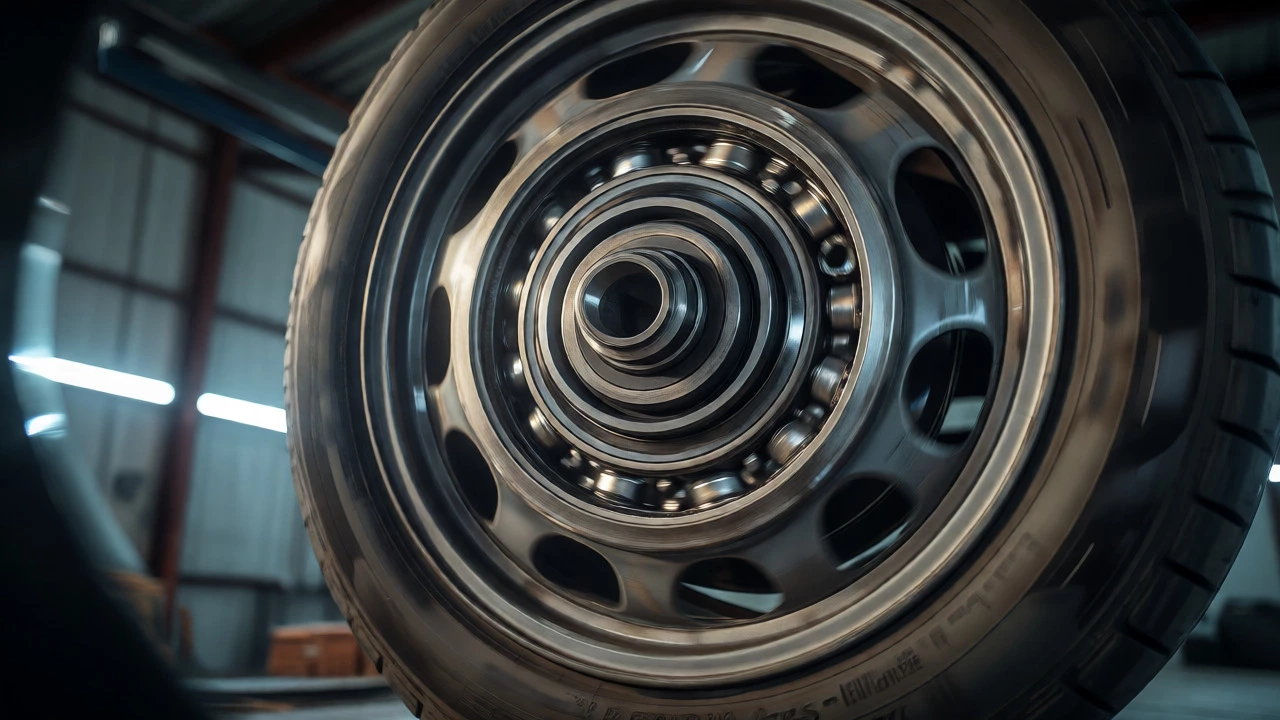
Grinding is the ugliest sound your car can make. It’s rough, metallic, and usually gets louder with speed. While some grinding comes from the brakes, suspension-related grinding often points to wheel bearings precision steel assemblies that reduce rotational friction between the wheel and axle.
Wheel bearings support the weight of the vehicle and allow the wheels to spin smoothly. Inside, tiny steel balls roll between two rings. When the seal fails, water and grit enter, destroying the grease. The result is a growling or rumbling noise that increases with speed. Here’s a trick to test it: drive slowly in an empty parking lot and gently weave left and right. If the noise gets louder when you turn away from the bad side, that’s your suspect. The weight shifts off the damaged bearing, reducing friction temporarily.
Another source of grinding is tire interference. If your shock absorbers hydraulic dampers that control spring oscillation are completely blown, the car bounces excessively. During hard turns or big bumps, the tire might rub against the inner fender liner or suspension components. This creates a rhythmic scraping sound. Check your tires for uneven wear patterns-if the edges look shredded, your alignment or suspension geometry is likely compromised.
How to Diagnose It Yourself
You don’t need a mechanic’s lift to do basic detective work. Grab a friend and park on a flat surface. Have them rock the car up and down by pushing on the hood or trunk. Listen closely. If the car continues to bounce more than twice, your shocks or struts are shot. Healthy dampers stop the motion quickly.
Next, check for play. With the car safely jacked up (use jack stands!), grab the tire at the 12 and 6 o’clock positions and push/pull. Excess movement suggests worn ball joints or tie rod ends. Then grab the tire at 3 and 9 o’clock. Movement here points to tie rod issues. Any clicking or popping during these tests confirms loose joints.
Finally, inspect visually. Look for oil leaks on the shock bodies. A wet, oily strut means the internal seal has failed, rendering it useless. Check rubber bushings for cracks or missing chunks. If the rubber looks like dried mud, it’s gone.
When to Worry vs. When to Ignore
Not every noise requires immediate action. A slight creak on cold mornings that disappears after ten minutes is often just thermal contraction of rubber bushings. However, any noise accompanied by pulling, vibration, or instability is a red flag.
Consider the cost-benefit analysis. Replacing a single set of control arm bushings might cost £80-£150 in parts. Ignoring it could lead to premature tire wear costing £400+ in replacements, plus potential damage to the ball joint (£100-£200). Catching suspension noises early is almost always cheaper than waiting for failure.
Frequently Asked Questions
Is it safe to drive with a clunking suspension?
It depends on the severity. A faint clunk over large potholes might mean worn bushings, which is uncomfortable but not immediately dangerous. However, if the clunk is loud and occurs during normal driving or turning, it could indicate a failing ball joint. Driving on a severely worn ball joint risks wheel detachment, so get it inspected ASAP.
Why does my car squeak only when I turn the steering wheel?
This is typically caused by a dry strut mount bearing. The bearing allows the strut to rotate as you turn. Without lubrication, metal-on-metal friction creates a squeak. It can also be caused by worn CV joints if the noise is more of a clicking pop during sharp turns.
Can bad tires cause suspension noises?
Yes. Unevenly worn tires (cupping or feathering) create a humming or grinding noise that changes pitch when you turn. This is often mistaken for wheel bearing noise. Rotating your tires and checking alignment can resolve this. Also, oversized tires may rub against the fender wells, causing scraping sounds.
How long do suspension bushings last?
Rubber bushings typically last 50,000 to 70,000 miles, depending on climate and road conditions. Hot climates accelerate rubber degradation. Polyurethane bushings last longer but transmit more vibration to the cabin. If you notice cracking or tearing, replace them regardless of mileage.
Do shocks make noise when they go bad?
Blown shocks themselves rarely make noise unless they bottom out (hit their travel limit), causing a clunk. However, worn shocks cause excessive bouncing, which leads to secondary noises from tires rubbing or loose components vibrating. If your car feels floaty or nose-dives when braking, your shocks are likely done.
Next Steps
If you’ve identified a clunk, schedule a suspension inspection within the week. For squeaks, try a silicone-based spray on accessible rubber parts as a temporary fix, but plan for component replacement soon. Grinding noises require immediate attention to prevent damage to expensive components like rotors or hubs. Remember, suspension health directly impacts braking distance and handling stability. Don’t let the noise become a nuisance you ignore until it becomes a breakdown.