Wiper Blade Value Calculator
Select your primary driving condition to find your ideal wiper tier:
Budget / Dry
I live in a dry climate (desert) or need an emergency fix.
$10 - $20Mid-Range / Commuter
I drive daily in mixed weather (rain/snow) and city streets.
$20 - $35Premium / Performance
I drive highways at high speeds or have a luxury/SUV vehicle.
$35 - $60+Why this fits you:
Expected Lifespan
Blade Type
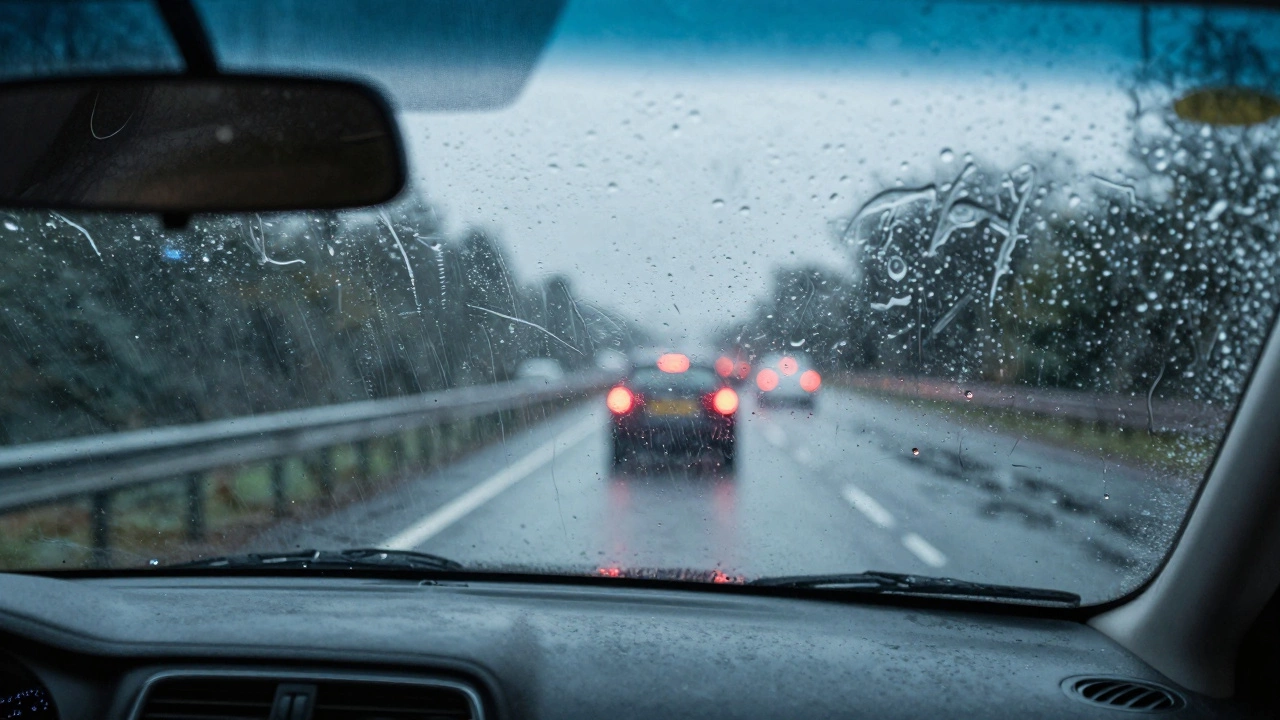
Picture this: It’s pouring rain. You’re merging onto a highway at 60 mph. Your windshield turns into a blur of streaks and smears. In that split second, the difference between $15 wipers and $40 wipers isn’t about comfort-it’s about survival. Most drivers treat windshield wipers as disposable rubber accessories you grab on impulse at the gas station, but they are actually critical safety components. So, how expensive should they really be?
The short answer is: anywhere from $15 to $60 per pair, depending on your car and needs. But spending too little can leave you blind in bad weather, while spending too much often just buys you a fancy box with the same rubber inside. Let’s break down exactly what you’re paying for, so you never overpay again.
The Three Tiers of Wiper Blade Pricing
When you walk into an auto parts store or browse online, you’ll notice three distinct price brackets. Each serves a different purpose and driver profile. Understanding these tiers helps you decide where to land without guessing.
Tier 1: The Budget Option ($10 - $20 per pair)
This is the "I need them yesterday" category. Brands like generic store brands or entry-level models from major manufacturers fall here. These are usually traditional frame-style blades. They work fine for a few months in mild climates. If you drive an older sedan and live in Arizona where it rains twice a year, this tier is perfect. However, in snow or heavy rain, these blades often chatter, skip, or leave streaks because the rubber compound is softer and less durable.
Tier 2: The Mid-Range Sweet Spot ($20 - $35 per pair)
This is where most sensible drivers should look. You get reputable brands like Bosch, Rain-X, or Trico. These blades often feature hybrid designs-combining the durability of a metal frame with the smooth sweep of a beam design. The rubber is treated with graphite or silicone coatings to resist UV damage and freezing temperatures. For the average commuter driving a Toyota Camry or Honda Civic, this price point offers the best balance of longevity and performance.
Tier 3: The Premium Performance Tier ($35 - $60+ per pair)
Here, you’re paying for engineering, not just rubber. Brands like Michelin, Valeo, or specialized OEM replacements (like those specific to BMW or Mercedes) sit here. These are almost always flat beam blades. They use advanced aerodynamics to stay pressed against the glass at high speeds, preventing lift-off. The rubber compounds are formulated to last up to two years instead of six months. If you drive a luxury SUV, tow a trailer, or live in a region with harsh winters, this investment pays off in clarity and safety.
| Price Range (Per Pair) | Blade Type | Expected Lifespan | Best For |
|---|---|---|---|
| $10 - $20 | Traditional Frame | 3 - 6 Months | Budget cars, dry climates, emergency replacement |
| $20 - $35 | Hybrid / Standard Beam | 6 - 12 Months | Daily commuters, mixed weather conditions |
| $35 - $60+ | Aero Beam / OEM Specific | 12 - 24 Months | Luxury vehicles, high-speed driving, severe winter |
Why Do Some Wipers Cost Twice as Much?
You might wonder why a set of Michelin wipers costs $50 when a generic brand is $15. Is it just marketing? Not entirely. Here is what drives the price up:
- Rubber Compound Technology: Cheap wipers use standard natural rubber. Premium wipers use synthetic elastomers infused with graphite or silicone. This makes them more flexible in cold weather and resistant to cracking in heat. The manufacturing process for these compounds is significantly more expensive.
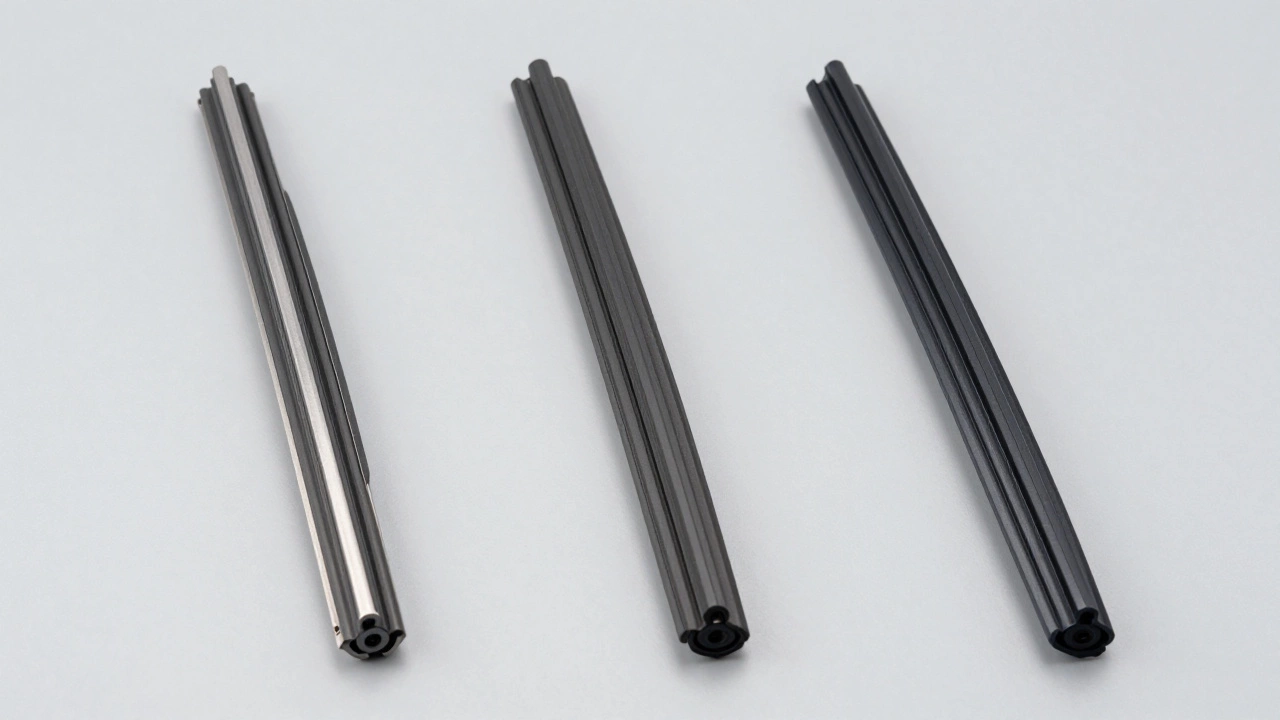
- Aerodynamic Design: Flat beam wipers (the sleek, springy ones) require precision engineering. They must maintain even pressure across the entire blade length without bending under wind resistance. This requires complex internal steel springs and plastic housings that cost more to produce than simple metal frames.
- OEM Certification: Cars like Audi, Volvo, or Tesla often require specific wiper shapes or connector types. Manufacturers pay for certification to ensure their product fits perfectly without damaging sensors or cameras embedded in the windshield. You are paying for that compatibility guarantee.
- Durability Testing: Premium brands subject their wipers to rigorous testing cycles-simulating thousands of wipes in extreme temperatures. This R&D cost is baked into the final price.
Hidden Costs: Installation and Compatibility
The sticker price isn’t always the final price. Consider these factors before buying:
Installation Fees
If you’re not comfortable reaching up to your roof rack or standing on curbside, you might pay a shop to install them. Labor rates vary, but expect to pay $10-$20 for installation. Many auto parts stores offer free installation if you buy the blades there, which can make a slightly more expensive pair effectively cheaper than buying cheap blades elsewhere and paying for labor.
Connector Types
Your car uses one of several hook styles: J-hook, side pin, top hook, or bayonet. Universal adapters come with most blades, but some premium OEM-specific blades do not include adapters because they fit only one type. If you buy the wrong connector, you’re stuck returning them. Check your vehicle’s manual or measure your current arm before ordering online.
Blade Length Accuracy
Using the wrong size blade can cause overlap (where blades hit each other) or gaps (where part of the windshield stays unwiped). A $40 blade installed incorrectly is useless. Always verify the exact inches required for your driver-side and passenger-side arms-they are often different lengths.
When to Splurge vs. When to Save
Not every situation demands premium wipers. Use this decision guide to match your spending to your reality:
Splurge on Premium ($35+) If:
- You drive frequently in heavy rain, snow, or sleet.
- You commute on highways at speeds above 60 mph.
- Your vehicle has advanced driver-assistance systems (ADAS) cameras behind the windshield that need a clear view.
- You want to replace wipers only once every 18-24 months.
Save with Mid-Range ($20-$35) If:
- You drive primarily in suburban areas with moderate weather.
- You prefer replacing wipers annually.
- You want reliable performance without paying for luxury branding.
Stick to Budget ($10-$20) If:
- You live in a desert or very dry climate.
- The car is a daily beater you plan to sell soon.
- You need an immediate replacement due to sudden failure.
Pro Tips to Extend Wiper Life
No matter how much you spend, wipers will eventually fail. But you can double their lifespan with simple habits:
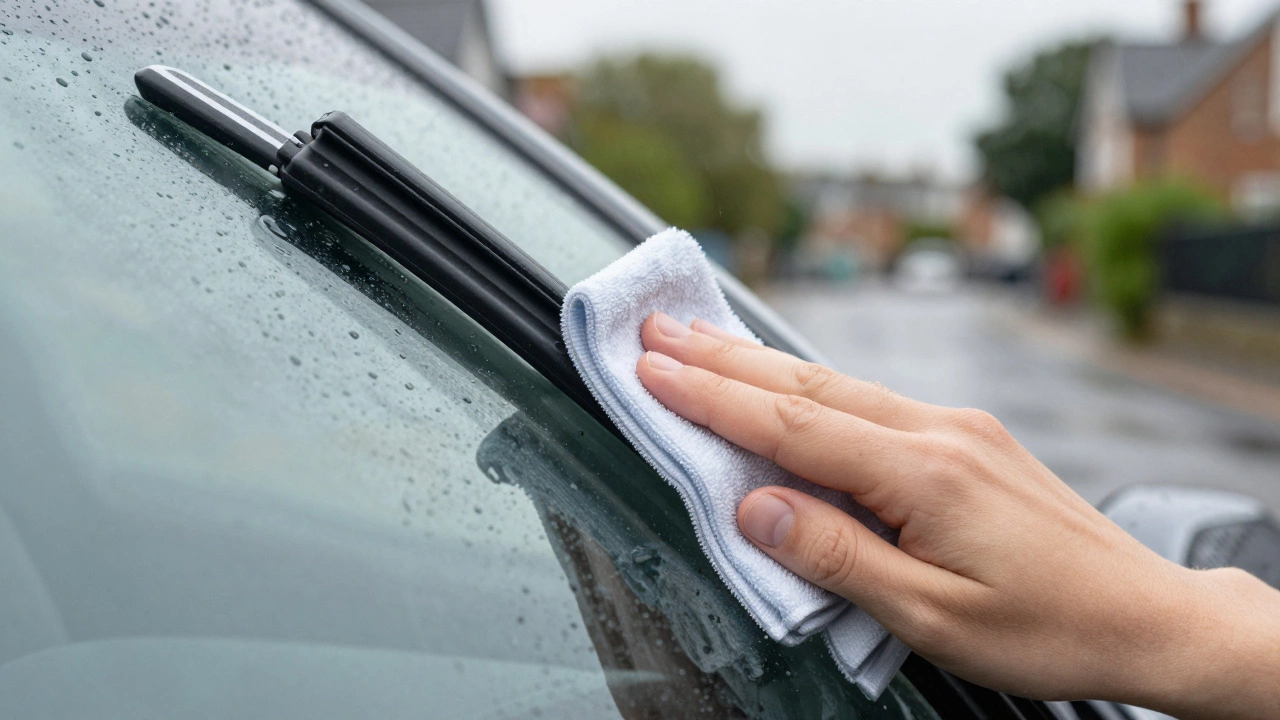
- Clean the Blades Monthly: Dirt, tree sap, and road grime build up on the rubber edge. Wipe the blade with a damp cloth and a little dish soap. This prevents uneven wear and streaking.
- Never Dry Wipe: If your windshield is dusty or dirty, turn on the washer fluid first. Dragging dry rubber across grit acts like sandpaper, tearing the blade edge within weeks.
- Lift Them in Winter: Before a snowstorm, lift the wiper arms away from the glass. Frozen wipers can rip off the arm or burn out the motor if you try to force them on.
- Park in Shade or Garage: UV rays degrade rubber faster than anything else. If you must park outside, consider a windshield cover in summer.
Common Mistakes That Waste Money
Many drivers throw money away by making avoidable errors. Don’t let these happen to you:
Buying "All-Season" Marketing Hype
Some brands charge extra for "all-season" labels. In reality, all modern wipers are designed for varied weather. Unless you live in extreme arctic conditions, you don’t need a special "winter-only" blade. Stick to a good quality beam blade.
Ignoring the Rear Wiper
If you have an SUV or hatchback, the rear wiper is just as important for visibility. It’s often overlooked and left to rot until it shatters. Replace it at the same time as the front ones. Rear blades are usually cheaper ($5-$15), so the total cost increase is minimal.
Using Washer Fluid as a Lubricant
Washer fluid cleans; it doesn’t lubricate. Using it excessively won’t fix worn-out wipers. If they streak, the rubber is hardened or torn. No amount of fluid will restore it. Replace the blades instead.
Are expensive wiper blades worth it?
Yes, if you drive in harsh weather or at high speeds. Premium wipers last longer, provide clearer vision, and reduce glare. For mild climates and low-speed city driving, mid-range options offer better value.
How often should I replace my windshield wipers?
Generally every 6 to 12 months. If you notice streaking, chattering, or skipping, replace them immediately regardless of age. Rubber degrades over time even if unused.
What is the best brand of windshield wipers?
Top-rated brands include Bosch, Michelin, Rain-X, and Trico. Bosch is known for reliability, Michelin for longevity, and Rain-X for hydrophobic technology. Choose based on your budget and climate needs.
Can I install wiper blades myself?
Yes, most wiper blades are easy to install yourself. Lift the arm, press the release tab, slide off the old blade, and snap on the new one. Always check your vehicle manual for specific instructions to avoid damaging the arm.
Do beam wipers last longer than frame wipers?
Yes, beam wipers typically last longer because they have fewer moving parts and distribute pressure more evenly. They are also less likely to freeze to the windshield in winter compared to traditional frame wipers.